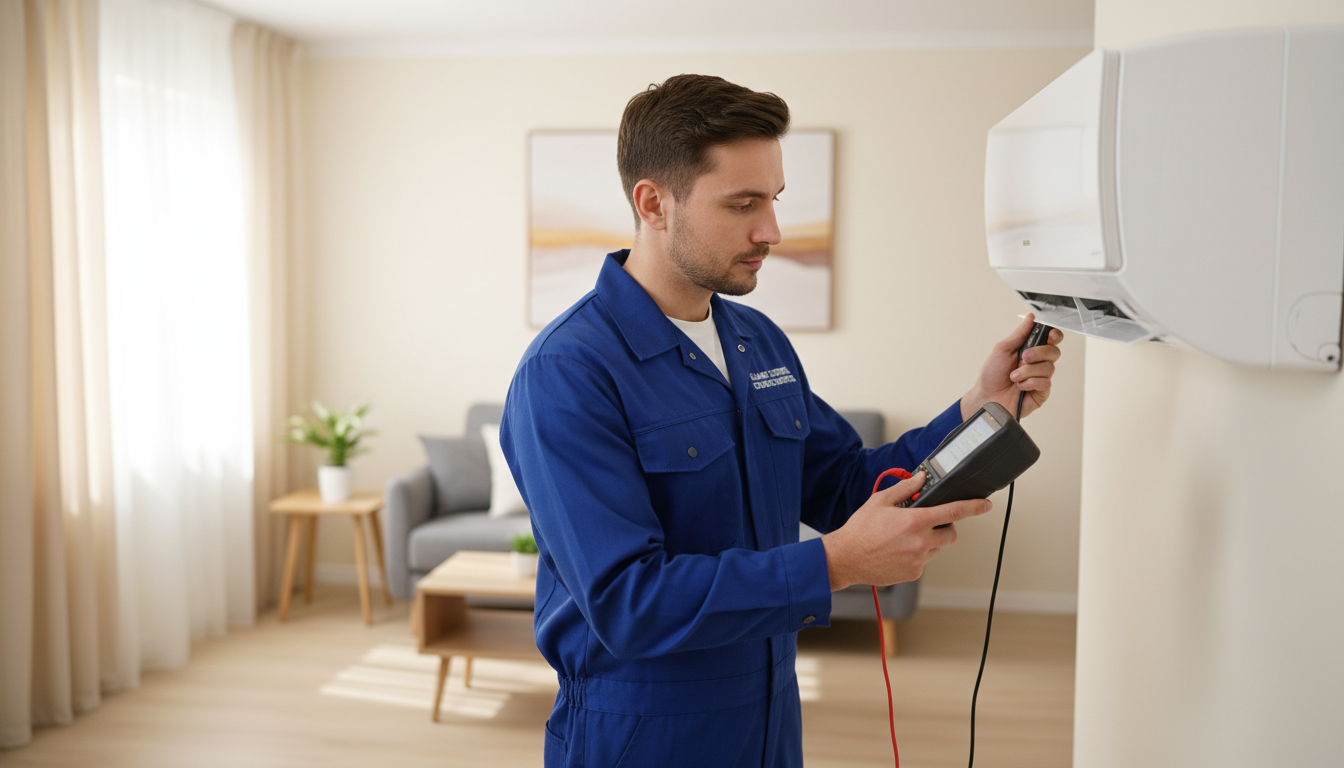
24/7 AC Repair: Your Complete Triage Checklist Before You Call
Your AC just stopped working, and it's 95 degrees in your living room. Before you dial that 24/7 emergency HVAC number and pay premium after-hours rates, take a deep breath. This AC repair checklist will help you determine whether you're facing a true emergency or a problem that can wait until normal business hours—potentially saving you hundreds of dollars.
Is Your AC Problem Really an Emergency?
Not every AC malfunction requires immediate professional attention. Understanding the difference between a genuine emergency and an inconvenient breakdown can save you from paying after-hours service fees that typically run 50-100% higher than regular rates.
True AC Emergencies That Require Immediate Action
Call for emergency AC repair immediately if you experience any of these safety hazards:
- Gas leaks: If you smell rotten eggs or sulfur near your HVAC system, evacuate your home and call 911 first, then your HVAC provider
- Burning smell or smoke: This indicates electrical problems or overheating that could cause a fire
- Electrical sparking: Visible sparks from your AC unit pose an immediate fire risk
- Major water leaks: Significant water pooling around your indoor unit can cause structural damage and mold growth
- Carbon monoxide alarm: If your CO detector sounds while your HVAC system is running, leave immediately
Safety always comes first. Don't hesitate to call emergency services when these situations occur.
When You Can Probably Wait Until Morning
These situations are frustrating but generally not dangerous:
- Your AC stopped cooling but there's no safety hazard
- Outdoor temperatures are moderate (below 85°F)
- You can make your home comfortable with fans and open windows
- The problem occurred late at night and you can survive until morning
- You have alternative cooling options (portable AC, staying elsewhere)
Cost consideration: Emergency service calls typically cost $200-400 just for the technician to arrive, before any repairs. If your situation isn't dangerous and outdoor temperatures are manageable, waiting for normal business hours could save you significant money.
Your Step-by-Step AC Repair Triage Checklist
Before calling any HVAC technician, work through this troubleshooting checklist. You might fix the problem yourself or at least gather valuable information that helps the technician diagnose the issue faster.
Step 1: Check Your Thermostat Settings
This sounds obvious, but thermostat issues cause 30% of "broken" AC service calls.
What to check:
- Verify the thermostat is set to "COOL" mode (not heat or fan-only)
- Confirm the temperature setting is at least 3-5 degrees below current room temperature
- Check if your thermostat display is blank (dead batteries)
- Look for any error codes on digital thermostats
- Try lowering the temperature setting by 5 degrees to see if the system responds
Quick fix: Replace thermostat batteries if the display is dim or blank. Many homeowners don't realize their thermostat needs batteries even if it's hardwired.
Step 2: Inspect Your Circuit Breakers
AC systems have two circuit breakers—one for the indoor air handler and one for the outdoor condenser unit.
How to check:
- Locate your main electrical panel
- Look for tripped breakers (they'll be in the middle position or "OFF")
- Check both the breaker labeled "AC" or "Air Handler" AND "Condenser" or "Heat Pump"
- If you find a tripped breaker, switch it fully OFF, then back ON
- Go back to your thermostat and test the system
Warning sign: If the breaker trips again immediately or within a few minutes, don't keep resetting it. This indicates a serious electrical problem that requires professional diagnosis. Continuing to reset a tripping breaker can damage your system or create a fire hazard.
Step 3: Examine Your Air Filter
A clogged air filter is the #1 preventable cause of AC breakdowns. A severely blocked filter restricts airflow, causing your system to freeze up or shut down.
What to do:
- Locate your air filter (usually in the return air vent or inside the air handler)
- Remove the filter and hold it up to a light
- If you can't see light through the filter, it's too dirty
- Check if the filter is the correct size (look for dimensions printed on the frame)
- Replace with a new filter if it's dirty or damaged
Immediate relief: If you have a severely clogged filter and no replacement, you can run your AC without a filter for a few hours while you get a new one. This is NOT a long-term solution, but it won't harm your system in the short term and is better than letting your evaporator coil freeze.
Internal resource: Regular air filter maintenance is part of comprehensive HVAC care. Learn more about keeping your entire system clean, including how to clean HVAC ducts at home to maintain optimal airflow throughout your home.
Step 4: Inspect Your Outdoor Condenser Unit
Your outdoor unit needs clearance and airflow to function properly.
Outdoor unit checklist:
- Listen for operation: Go outside and listen near the condenser. Do you hear it running?
- Check for debris: Remove leaves, grass clippings, or debris blocking the unit
- Verify the fan is spinning: If the unit hums but the fan doesn't spin, the fan motor may have failed
- Look for ice buildup: Ice on the refrigerant lines indicates a problem
- Ensure clearance: Make sure there's at least 2 feet of clearance around all sides
What the sounds mean:
- Humming but no fan movement = Fan motor or capacitor failure
- Clicking without starting = Electrical or capacitor issue
- Loud banging or grinding = Loose or broken internal components
- Complete silence = Power issue or compressor failure
Step 5: Check for Frozen Evaporator Coils
If your indoor unit has ice buildup, your AC can't cool properly.
Signs of frozen coils:
- Ice or frost on the refrigerant lines near the indoor unit
- Water pooling around the indoor air handler
- Reduced or no airflow from vents
- System running constantly without cooling
What to do:
- Turn off your AC system completely at the thermostat
- Switch your thermostat to "FAN ONLY" mode to help thaw the coils
- Wait 2-4 hours for the ice to melt completely
- Put towels around the indoor unit to catch dripping water
- Once thawed, check your air filter (a clogged filter is the most common cause)
- Turn the system back on and see if it works properly
When to call immediately: If the coils refreeze within an hour of restarting, you likely have a refrigerant leak or another issue requiring professional repair.
Step 6: Assess Indoor Temperature and Safety
Determine whether your situation requires immediate attention based on temperature and vulnerable occupants.
Consider these factors:
High-risk situations requiring same-day service:
- Indoor temperature above 90°F with elderly family members present
- Infants or toddlers in the home (they can't regulate body temperature as well)
- Family members with heart conditions, respiratory issues, or heat sensitivity
- Outdoor temperature forecast to reach 95°F or higher
- Pets that can't tolerate heat (especially brachycephalic breeds)
Lower-risk situations that can wait:
- Indoor temperature below 85°F
- All household members are healthy adults
- Moderate outdoor temperatures (below 85°F)
- Access to alternative cooling methods
- Problem occurred at night with cooler overnight temperatures
What Information to Gather Before Calling
When you do call for AC repair, having this information ready will help the technician diagnose your problem faster and potentially bring the right parts.
Essential Information Checklist
System details:
- Age of your AC system (check the label on your outdoor unit)
- Brand and model number (found on outdoor condenser and indoor air handler)
- Type of system (central AC, heat pump, ductless mini-split)
- Last maintenance date
Current symptoms:
- When did the problem start?
- What exactly is happening? (No cooling, no power, strange noises, etc.)
- Is the system making any unusual sounds?
- Have you noticed any unusual smells?
- Are both indoor and outdoor units running?
Troubleshooting completed:
- Did you check the thermostat settings?
- Did you check the circuit breakers?
- When was the air filter last changed?
- Did you inspect the outdoor unit?
Property access:
- Where is your electrical panel located?
- Where are the indoor and outdoor units?
- Are there any access issues the technician should know about?
Cost-Saving Tips: Emergency vs. Regular Service
Understanding HVAC service pricing can help you make an informed decision about when to call.
Typical Service Call Costs
Regular business hours (Monday-Friday, 8 AM - 5 PM):
- Diagnostic/service call fee: $75-150
- Labor rates: $75-125 per hour
- Parts: Varies by component
After-hours emergency service (Nights, weekends, holidays):
- Emergency dispatch fee: $150-300
- Labor rates: $125-200 per hour (50-100% premium)
- Parts: Same cost, but installed at premium labor rate
Real example: A capacitor replacement that costs $200 during business hours could cost $350-450 as an emergency call.
When Emergency Service Is Worth the Cost
Despite the premium pricing, call for emergency AC repair when:
- Safety is compromised (gas smell, electrical issues, smoke)
- Indoor temperature exceeds 90°F with vulnerable people present
- Major water damage is occurring or imminent
- It's a holiday weekend and you can't wait 2-3 days
- Your warranty requires immediate professional response to system failures
How to Reduce Emergency Service Costs
If you must call for after-hours service:
- Ask if the diagnostic fee applies to repairs (most reputable companies credit this toward work)
- Request a phone diagnosis first—the dispatcher might walk you through fixes
- Ask about "first available appointment" pricing if you can wait 12-24 hours
- Check if your home warranty or HVAC service plan covers emergency calls
- Request an estimate before authorizing repairs over $500
Temporary Cooling Solutions While You Wait
If you've decided to wait until morning or the next business day, these strategies can keep you comfortable.
Immediate Comfort Strategies
Cooling your home without AC:
- Create cross-ventilation: Open windows on opposite sides of your home to create airflow
- Use fans strategically: Point fans outward in windows to push hot air out
- Close blinds and curtains: Block direct sunlight, especially on south and west-facing windows
- Use exhaust fans: Run bathroom and kitchen fans to remove hot air
- Avoid heat-generating activities: Don't use the oven, dryer, or run hot water unnecessarily
Personal cooling methods:
- Take cool showers to lower body temperature
- Use damp washcloths on wrists, neck, and forehead
- Wear loose, light-colored clothing
- Stay hydrated with cold water
- Sleep downstairs if you have multiple floors (heat rises)
- Consider a hotel room for extremely hot nights with vulnerable family members
Quick cooling tricks:
- Place a bowl of ice in front of a fan for a makeshift air conditioner
- Freeze water bottles and place them behind or under fans
- Use cotton sheets and remove heavy blankets
- Consider purchasing a portable AC unit for emergency situations (they range from $200-500)
Questions to Ask Your HVAC Technician
When you do call for service, ask these questions to ensure you're getting quality care.
Before They Arrive
- "What's your diagnostic fee, and does it apply to repairs?" (Should be $75-150 and typically credited toward work)
- "Are your technicians NATE-certified?" (North American Technician Excellence certification)
- "What's your estimated arrival time?" (True 24/7 services should respond within 2-4 hours)
- "Do you offer any warranties on parts and labor?" (Reputable companies warranty work for at least 1 year)
During the Service Call
- "What's causing the problem?" (A good technician explains the root cause, not just symptoms)
- "Can you show me the failed component?" (Visual confirmation prevents unnecessary upselling)
- "What are my options for repair vs. replacement?" (For systems over 10 years old)
- "How can I prevent this from happening again?" (Maintenance advice)
- "What's the total cost including parts, labor, and fees?" (Get itemized estimate before work begins)
Red Flags to Watch For
Be cautious if your technician:
- Refuses to show you the problem or failed parts
- Pressures you to replace the entire system without clear justification
- Can't provide a written estimate
- Insists on immediate payment before completing work
- Doesn't have proper licensing or insurance
- Offers a suspiciously low price compared to other quotes
How to Prevent Future AC Emergencies
Most AC breakdowns are preventable with regular maintenance. Here's how to keep your system running reliably.
Monthly Maintenance Tasks
- Change air filters every 30-60 days (monthly during heavy use)
- Check thermostat operation to ensure accurate temperature readings
- Listen for unusual sounds during normal operation
- Inspect the condensate drain for clogs (a wet floor is an early warning sign)
Seasonal Maintenance Checklist
Before cooling season (Spring):
- Schedule professional maintenance
- Clean debris from around outdoor unit
- Test system operation before hot weather arrives
- Check refrigerant lines for damage
- Verify all vents are open and unobstructed
During cooling season (Summer):
- Monitor energy bills for unusual increases
- Keep outdoor unit clear of vegetation (maintain 2-foot clearance)
- Check indoor vents for adequate airflow
- Look for ice buildup on refrigerant lines
After cooling season (Fall):
- Cover outdoor unit if manufacturer recommends (many don't)
- Clean or replace filters one final time
- Check for any leaks or damage while system is off
Professional Maintenance Value
Annual tune-ups cost $80-150 but can:
- Prevent 95% of breakdowns through early detection
- Improve energy efficiency by 15-20%
- Extend system lifespan by 3-5 years
- Maintain manufacturer warranty compliance
- Reduce emergency repair costs
Consider a maintenance plan if your HVAC company offers one. These typically cost $150-250 annually and include:
- Two tune-ups per year (heating and cooling)
- Priority emergency service
- Discounts on repairs (10-20% off)
- No overtime charges for plan members
- Waived diagnostic fees
Frequently Asked Questions
Can I run my AC without an air filter temporarily?
Yes, you can run your AC without a filter for a short time (a few hours) while you get a replacement. However, don't make this a habit. Running without a filter allows dust and debris to accumulate on your evaporator coil, reducing efficiency and potentially causing damage. Replace the filter as soon as possible.
How long should I wait for my AC to cool my home?
A properly functioning AC system should lower your home's temperature by about 1 degree every 15-20 minutes. If your system runs for more than an hour without dropping the temperature, something is wrong. If it runs constantly but never reaches the set temperature, you need professional diagnosis.
What's that burning smell when I first turn on my AC?
A brief burning smell when you first start your AC after months of inactivity is usually just dust burning off the heating elements or coils. This should clear within 15-30 minutes. However, if the burning smell persists, intensifies, or you see smoke, turn off your system immediately and call for service. A persistent burning odor could indicate serious electrical problems or overheating components.
Is it bad to keep adjusting my thermostat up and down?
Constantly adjusting your thermostat doesn't harm your AC system, but it can reduce efficiency. Your AC works best when maintaining a consistent temperature. Frequent adjustments cause more start-stop cycles, which use more energy. Set your thermostat to a comfortable temperature and leave it. Use a programmable or smart thermostat to automatically adjust for times when you're away.
Should I turn off my AC when I leave for work?
Rather than turning your AC completely off, raise the temperature by 7-10 degrees while you're away. Completely shutting off your AC in hot weather means your system will have to work extremely hard to cool down a very hot house when you return, using more energy and creating more wear. A programmable thermostat can automate this, saving energy without sacrificing comfort.
Don't Wait for the Next Breakdown
Your AC system is your home's defense against dangerous heat. Now that you have this comprehensive triage checklist, you can make informed decisions about when to call for emergency service and when problems can wait.
Key takeaways:
- Safety issues (gas leaks, burning smells, electrical problems) always require immediate attention
- Many "broken" AC systems can be fixed with simple troubleshooting
- After-hours emergency service costs 50-100% more than regular service calls
- Gathering system information before calling saves diagnostic time
- Regular maintenance prevents 95% of emergency breakdowns
Ready to schedule service? If you've worked through this checklist and determined you need professional help, don't wait. The longer AC problems persist, the more damage occurs and the costlier repairs become. Contact a qualified HVAC technician who can diagnose and fix your system properly.
Remember: An ounce of prevention is worth a pound of cure. Schedule regular maintenance, change your filters monthly, and keep this checklist handy for the next time your AC acts up. Your future self (and your wallet) will thank you.