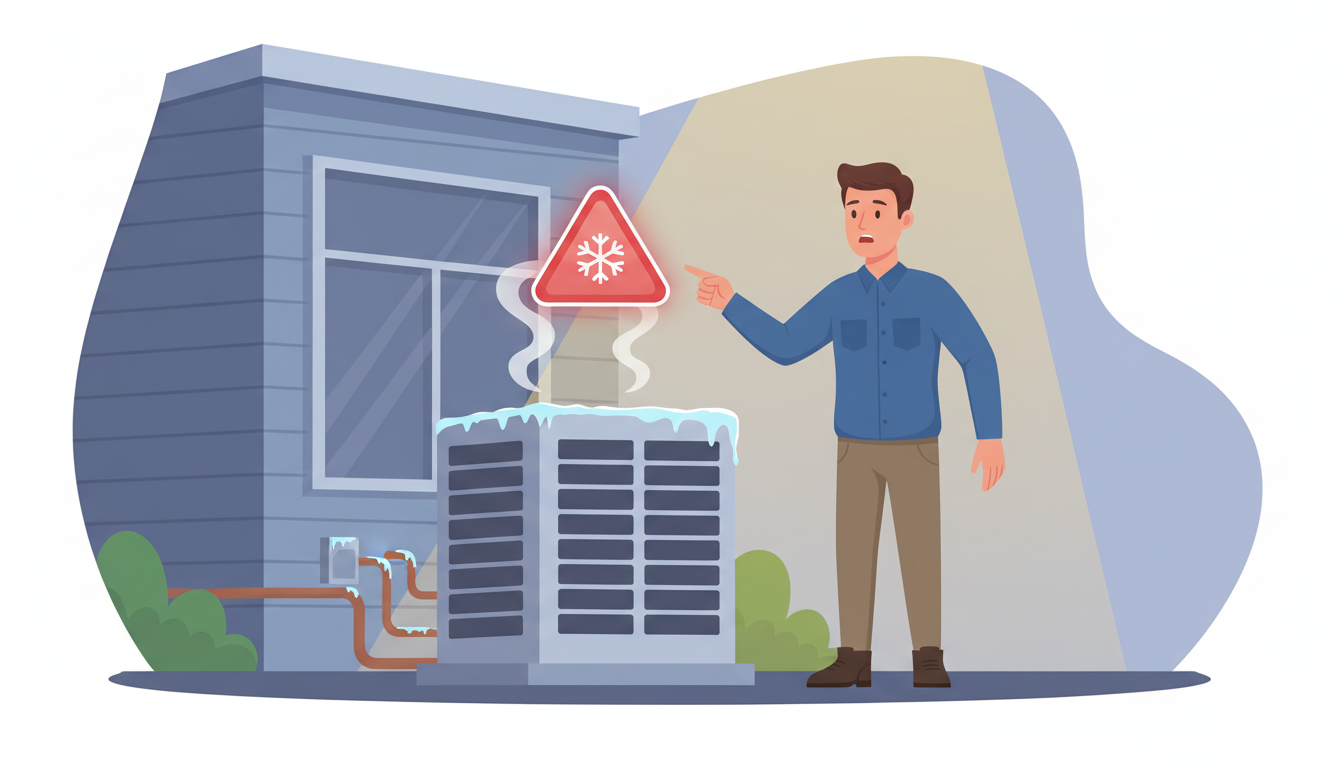
5 Signs Your AC Problem Is an Emergency (Not a Wait-Until-Monday Fix)
It's Friday evening. Your air conditioner starts making a strange noise. Or maybe it just stopped cooling altogether. You're faced with a decision: do you call for emergency HVAC repair right now, or can this wait until Monday when rates are lower?
Some AC problems are merely inconveniences. Others are genuine emergencies that pose risks to your safety, health, or home. Waiting even 24 hours on the wrong issue can turn a $300 repair into a $3,000 replacement—or worse, create dangerous conditions for your family.
In this guide, you'll learn exactly which AC emergency signs demand immediate attention and which ones can safely wait for regular business hours.
What Makes an AC Problem a True Emergency?
Not every AC malfunction requires an emergency service call. The key question is simple: Does this issue threaten your safety, health, or property?
An AC problem qualifies as an emergency when:
- It creates fire or electrical hazards
- It produces toxic fumes or carbon monoxide
- It fails during extreme heat, endangering vulnerable family members
- It causes active water damage to your home
- It indicates refrigerant leaks that harm health and the environment
Everything else—while frustrating—can typically wait for regular business hours when you'll avoid emergency service premiums.
Now let's look at the five clear signs that your AC problem absolutely cannot wait until Monday.
1. Burning Smells or Electrical Odors Coming From Your AC
Why It's an Emergency: A burning smell from your HVAC system often signals overheating electrical components, melting wire insulation, or motor failure. These conditions can quickly escalate into electrical fires.
What You're Smelling:
- Burning plastic or rubber: Wire insulation melting due to electrical shorts
- Metallic burning odor: Motor bearings failing or metal components overheating
- Gunpowder or fishy smell: Circuit board failure or electrical arcing
What to Do Immediately:
- Turn off your AC system at the thermostat
- Shut off power to the unit at your circuit breaker
- Call for emergency HVAC repair immediately
- Do NOT attempt to restart the system
Electrical fires can start within minutes once components reach critical temperatures. Even if you don't see smoke or flames yet, the damage is already occurring inside your system. This is never a "wait and see" situation.
Cost of Waiting: A $200-400 capacitor or motor replacement can become a $2,000-5,000 full system replacement if fire damages multiple components. Worse, house fires from HVAC electrical failures cause millions in property damage annually.
2. Your AC Stops Working Completely During Extreme Heat
Why It's an Emergency: When outdoor temperatures exceed 90°F and your AC fails completely, indoor temperatures can quickly reach dangerous levels—especially for vulnerable populations.
Who's at Greatest Risk:
- Infants and children under 5
- Adults over 65
- Individuals with heart or respiratory conditions
- Pets that cannot regulate body temperature effectively
Indoor temperatures can climb 10-15 degrees per hour without air conditioning. When your home reaches 85°F or higher, heat exhaustion and heat stroke become real threats.
Signs Your Family Is at Risk:
- Excessive sweating or inability to sweat
- Dizziness, confusion, or rapid heartbeat
- Nausea or headaches
- Red, hot skin
What to Do:
- Check your 24/7 AC repair triage checklist for quick fixes
- If basic troubleshooting doesn't work, call emergency service
- Move vulnerable family members to air-conditioned spaces (car, mall, neighbor's home)
- Stay hydrated and avoid physical exertion
When It Can Wait: If outdoor temperatures are mild (below 80°F) and your home stays comfortable, you can safely wait for regular business hours. The danger comes from the combination of system failure plus extreme conditions.
3. Water Leaking or Pooling Around Your Indoor AC Unit
Why It's an Emergency: Active water leaks from your HVAC system can cause thousands in structural damage within hours. Water damages ceilings, walls, flooring, and creates ideal conditions for toxic mold growth.
Common Causes of HVAC Water Leaks:
- Clogged condensate drain line: Most common cause, but can overflow quickly
- Frozen evaporator coil: Ice melts and overwhelms the drain pan
- Cracked drain pan: Usually in older systems (15+ years)
- Disconnected drain line: Can dump gallons per hour into your home
How Fast Damage Occurs:
- 1-2 hours: Water begins saturating drywall and insulation
- 4-6 hours: Visible ceiling stains appear; flooring begins warping
- 24 hours: Mold spores begin colonizing damp areas
- 48-72 hours: Extensive mold growth; structural damage to wood framing
What to Do:
- Place towels and buckets to contain water immediately
- Turn off your AC system to stop additional water production
- Call emergency HVAC service
- Document damage with photos for insurance purposes
Even if the leak seems small (just dripping), remember that your AC produces several gallons of condensation daily during operation. What starts as a drip can become a flood.
4. Ice or Frost Building Up on Your AC Unit
Why It's an Emergency: Ice on your air conditioner isn't just ineffective—it indicates serious problems that cause progressive damage the longer your system runs.
What Ice Buildup Means:
Ice forming on your indoor evaporator coils or outdoor refrigerant lines signals one of two critical issues:
- Severely restricted airflow: Dirty filters, closed vents, or blocked ducts cause the coil temperature to drop below freezing
- Refrigerant leak: Low refrigerant levels cause improper pressure and freezing
Both conditions force your compressor to work harder, creating excessive heat and stress. Compressors are the most expensive component in your AC system—often costing $1,500-2,500 to replace.
Why You Can't Just "Let It Thaw":
Many homeowners think they can turn off the AC, let the ice melt, then restart the system. This approach fails because:
- It doesn't address the underlying cause
- The same conditions immediately recreate the ice
- Each freeze-thaw cycle damages the coil fins
- Refrigerant leaks continue depleting your system
What to Do:
- Turn off your AC immediately (continuing to run damages the compressor)
- Switch your thermostat fan to "ON" to help ice melt
- Call for emergency service—don't wait for the ice to melt first
- Do NOT attempt to chip or scrape ice off (you'll damage delicate coils)
Special Note: If you see ice AND your system is making loud grinding or squealing noises, this is a compressor failure in progress. Every minute of operation risks complete compressor death.
5. Strange Loud Noises That Start Suddenly
Why It's an Emergency: Sudden, loud mechanical noises indicate failing components that can cause catastrophic system damage if operation continues.
Decode Your AC's Danger Sounds:
Grinding or Metal-on-Metal Scraping:
- Cause: Motor bearings have failed or fan blades are hitting housing
- Risk: Complete motor failure; flying debris inside unit
- Action: Shut down immediately
High-Pitched Squealing or Screeching:
- Cause: Belt slipping (older systems) or motor bearing failure
- Risk: Motor seizure; potential fire from friction heat
- Action: Turn off and call for service
Loud Banging or Clanking:
- Cause: Loose or broken internal components; compressor failure
- Risk: Damaged coils, punctured refrigerant lines, compressor destruction
- Action: Shut down immediately
Hissing or Bubbling:
- Cause: Refrigerant leak or internal valve failure
- Risk: Complete refrigerant loss; expensive recharge; environmental hazard
- Action: Turn off and ventilate area
When Noise Is Not an Emergency: Gentle clicking when the system starts/stops is normal. Occasional pops from ductwork expanding/contracting with temperature changes are also harmless.
The Cost Factor: A failing motor bearing might cost $150-300 to replace if caught early. But if you keep running the system, that same bearing can seize the motor ($800-1,200), damage the compressor ($2,000+), and potentially puncture refrigerant lines (another $500-1,000). One weekend of ignoring the problem can multiply your repair cost by 10x.
How to Tell: Emergency vs. Can-Wait-Until-Monday
Still unsure whether your situation requires immediate attention? Use this quick decision framework:
Call Emergency Service If:
- ✓ You smell burning, gas, or chemical odors
- ✓ You see smoke, sparks, or flames
- ✓ Water is actively leaking or pooling
- ✓ Your carbon monoxide detector has triggered
- ✓ Indoor temperature exceeds 85°F with vulnerable people present
- ✓ Your system is making violent mechanical noises
- ✓ Ice is forming on the unit while it's running
Can Wait for Regular Hours If:
- ✓ Your AC is simply not cooling well (but still running)
- ✓ You hear gentle normal operating sounds
- ✓ The issue occurs during mild weather
- ✓ You can maintain comfortable temperature with fans/windows
- ✓ There's no safety hazard present
What Happens When You Wait on a Real Emergency
Understanding the consequences helps you make informed decisions:
Waiting on Electrical Issues:
- House fire risk
- Damage spreads to other electrical components
- Repair costs multiply as more parts fail
Waiting on Water Leaks:
- Drywall and ceiling damage ($1,000-5,000)
- Mold remediation costs ($2,000-10,000+)
- Flooring replacement ($3-8 per square foot)
- Potential insurance claim complications
Waiting on Refrigerant Leaks:
- Complete refrigerant loss ($400-1,500 to recharge)
- EPA fines for improper refrigerant handling
- Compressor damage from running without proper refrigerant levels
- Environmental harm from leaked greenhouse gases
Waiting on Compressor Issues:
- Total compressor failure ($1,500-3,000)
- At that cost, many homeowners opt for full system replacement ($5,000-8,000+)
Prevention: Keep Small Problems From Becoming Emergencies
Most AC emergencies don't appear without warning. They develop from minor issues that homeowners ignore.
Monthly:
- Check and replace air filters every 1-3 months
- Look for water around indoor unit
- Listen for unusual sounds during operation
- Ensure vents throughout home are open and unblocked
Seasonally:
- Schedule professional maintenance before cooling season
- Clear debris from outdoor unit
- Check insulation on refrigerant lines
- Test thermostat accuracy
Annually:
- Professional inspection and tune-up
- Ductwork inspection for leaks or blockages
- Electrical connection inspection
- Refrigerant level check
Professional maintenance costs $100-200 per visit but catches problems when they're still minor. Compare that to the $3,000 average cost of major emergency repairs.
Many homeowners also neglect their HVAC duct cleaning, which can restrict airflow and contribute to freezing coils and system strain.
Your Emergency AC Repair Action Plan
When you've determined your AC problem is a genuine emergency:
Step 1: Ensure Immediate Safety
- Turn off the system if there's any fire, electrical, or gas hazard
- Evacuate if carbon monoxide detector triggered
- Move vulnerable family members to cool spaces
Step 2: Document the Situation
- Take photos of leaks, ice, or visible damage
- Note when the problem started and any sounds/smells
- Check your circuit breaker panel for tripped breakers
Step 3: Call for Emergency Service
- Explain the specific emergency signs you're observing
- Mention any safety concerns (odors, water, noise)
- Ask about arrival timeframe and emergency service costs
Step 4: Prevent Further Damage
- Contain water leaks with towels and buckets
- Keep family and pets away from affected areas
- Don't attempt DIY repairs on electrical or refrigerant issues
FAQ: AC Emergency Questions Homeowners Ask
Q: How much do emergency HVAC service calls cost?
Emergency service typically costs 1.5-2x regular rates. Expect $100-200 for the emergency service call, plus repair costs. However, waiting on genuine emergencies often costs much more in secondary damage.
Q: Should I try to fix it myself first?
Simple troubleshooting is fine: check your thermostat settings, replace your air filter, and verify circuit breakers haven't tripped. But never attempt repairs involving electricity, refrigerant, or gas systems. These require licensed professionals and specialized equipment.
Q: What if I'm not sure whether it's really an emergency?
When in doubt, call. Reputable HVAC companies can assess your situation over the phone and help you decide. Many offer 24/7 consulting at no charge and only dispatch for true emergencies.
Q: Can I just turn off my AC and wait until Monday?
If you've turned off the system and the safety hazard is contained, you might be able to wait—but only if weather permits and no water damage is occurring. Remember that "off" doesn't stop water leaks from continuing or compressors from failing when you restart.
Q: Will my home warranty cover emergency AC repairs?
Most home warranties cover emergency repairs, but check your specific policy. Some require you to call their service line first rather than calling an HVAC company directly. Keep receipts and documentation for reimbursement.
Don't Gamble With Your Home's Comfort and Safety
AC problems have a way of escalating when ignored. What seems like a minor issue on Friday evening can transform into a major disaster by Monday morning.
When you recognize any of the five AC emergency signs we've covered—burning smells, complete failure during extreme heat, water leaks, ice buildup, or sudden loud noises—don't wait. The cost of emergency service is almost always less than the cost of the damage that occurs while you hesitate.
Your air conditioning system is one of your home's most important safety and comfort systems. Treating genuine emergencies with the urgency they deserve protects your family, your home, and ultimately your wallet.
Need emergency AC repair right now? Contact Quick HVAC Fix for fast, professional service when your air conditioning emergency can't wait until Monday.