Why Is My AC Blowing Warm Air? 10 Common Causes & Solutions
Why Is My AC Blowing Warm Air? 10 Common Causes & Solutions
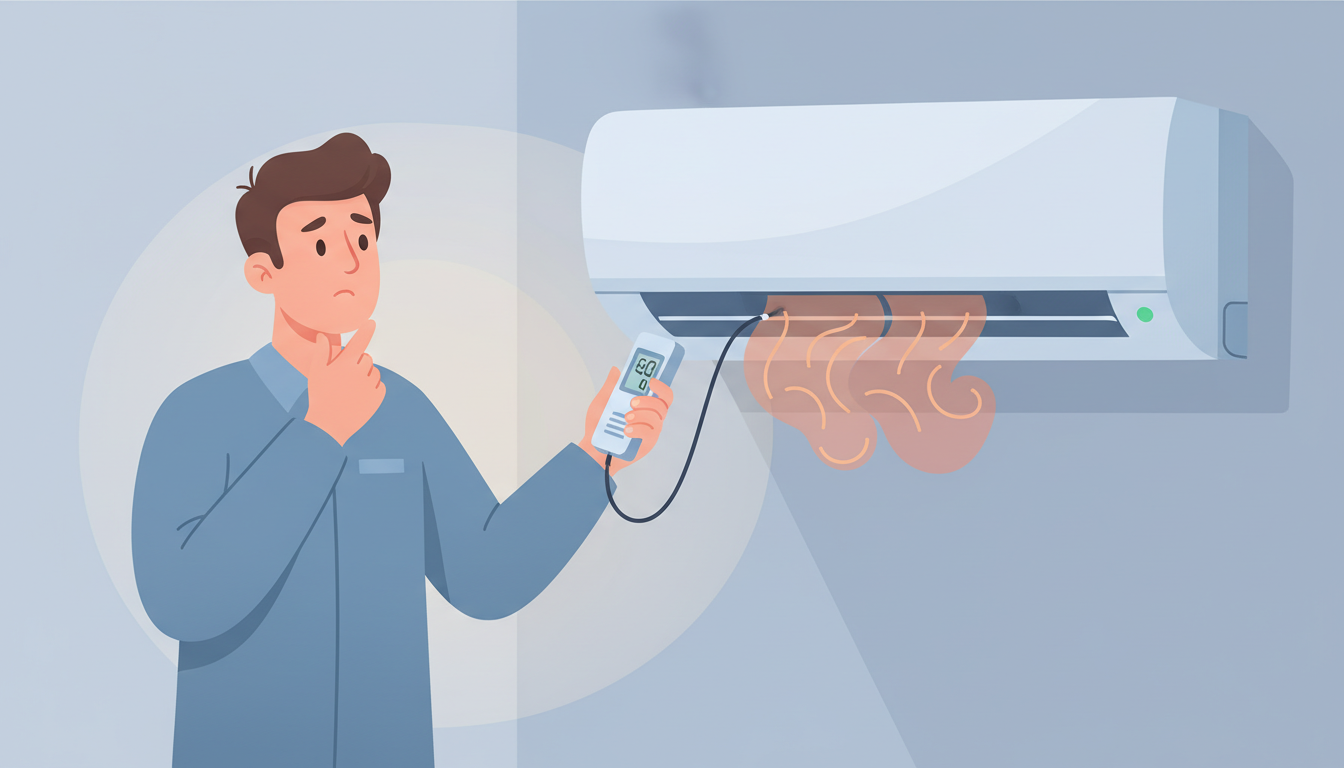
Nothing's worse than turning on your air conditioner during a scorching day, only to feel warm air blowing through your vents. If you're wondering "why is my AC blowing warm air," you're not alone—this is one of the most common HVAC problems homeowners face. The good news? Many causes have simple solutions you can handle yourself, while others need professional attention. In this guide, we'll walk you through the top reasons your AC isn't cooling properly and what you can do about it.
Understanding How Your AC System Works
Before diving into troubleshooting, it helps to understand how your central air conditioning system creates cool air. Your AC doesn't actually "create" cold—it removes heat from inside your home and releases it outdoors.
Here's the basic process:
- Indoor Unit (Air Handler): Contains the evaporator coil that absorbs heat from your home's air
- Refrigerant: A special chemical that cycles through your system, absorbing and releasing heat
- Outdoor Unit (Condenser): Houses the compressor and condenser coil that release absorbed heat outside
- Blower Fan: Circulates cooled air through your ductwork and into your home
When any component in this cooling cycle malfunctions, your AC might blow warm air instead of cold. Let's explore the most common culprits.
1. Incorrect Thermostat Settings
The Problem: Sometimes the simplest explanation is the right one. Your thermostat might be set to "fan" mode instead of "cool," or the temperature setting could be higher than your current room temperature.
The Solution:
- Check that your thermostat is set to "COOL" mode (not "HEAT" or "FAN ONLY")
- Verify the temperature is set at least 3-5 degrees below your current room temperature
- Replace thermostat batteries if it's battery-operated
- Make sure the thermostat isn't exposed to direct sunlight or heat sources that might cause false readings
This is one of the easiest fixes and should be your first troubleshooting step when your AC is blowing warm air.
2. Dirty or Clogged Air Filter
The Problem: Your air filter traps dust, pollen, pet dander, and other particles to keep your indoor air clean. When filters become clogged, airflow becomes restricted. This forces your system to work harder and can lead to the evaporator coil freezing, which causes your AC to blow warm or lukewarm air.
The Solution:
- Locate your air filter (usually in the return air vent or inside the air handler)
- Remove and inspect it—if you can't see light through it, it needs replacement
- Replace disposable filters every 1-3 months (more often if you have pets or allergies)
- Clean reusable filters according to manufacturer instructions
Pro Tip: Mark your calendar or set phone reminders for regular filter changes. This simple maintenance task prevents many HVAC problems and improves energy efficiency.
3. Low Refrigerant Levels or Refrigerant Leak
The Problem: Refrigerant is the lifeblood of your air conditioning system. It absorbs heat from inside your home and releases it outdoors. If refrigerant levels are low due to a leak, your AC can't effectively remove heat, resulting in warm air blowing through your vents. Unlike fuel, refrigerant doesn't get "used up"—if levels are low, there's always a leak somewhere.
Signs of Low Refrigerant:
- AC blowing warm air but running continuously
- Ice buildup on refrigerant lines or evaporator coil
- Hissing or bubbling sounds near the AC unit
- Higher energy bills without increased usage
The Solution: Refrigerant leaks require professional repair. An HVAC technician will locate and repair the leak, then recharge your system to the proper level. Never attempt to handle refrigerant yourself—it requires special equipment and certification.
Cost Estimate: Refrigerant leak detection and repair typically ranges from $200-$1,500 depending on leak location and severity.
4. Frozen Evaporator Coil
The Problem: Your evaporator coil should be cold, but not frozen. When ice forms on the coil, it can't absorb heat from your home's air, causing your AC to blow warm air. Frozen coils often result from restricted airflow (dirty filters), low refrigerant, or blocked vents.
Signs Your Evaporator Coil Is Frozen:
- Visible ice on copper refrigerant lines
- Excessive condensation or water around indoor unit
- AC runs constantly but doesn't cool
- Reduced airflow from vents
The Solution:
- Turn off your AC immediately to prevent compressor damage
- Switch your thermostat to "FAN ONLY" to help melt the ice (this can take 2-4 hours)
- Check and replace your air filter
- Make sure all vents in your home are open and unblocked
- If the coil refreezes after thawing, call a professional—you likely have a refrigerant leak or other mechanical issue
For a deeper dive into sudden cooling problems, check out our guide on what to do when your AC stops cooling suddenly.
5. Dirty Condenser Coils (Outdoor Unit)
The Problem: Your outdoor condenser unit releases the heat absorbed from your home. When condenser coils become covered in dirt, grass clippings, leaves, or other debris, they can't release heat effectively. This causes your entire system to lose cooling capacity.
The Solution:
- Turn off power to the outdoor unit at the disconnect box
- Remove visible debris like leaves, grass, and twigs from around the unit
- Gently spray the coils with a garden hose (spray from inside out to avoid pushing debris deeper)
- Trim vegetation to maintain at least 2 feet of clearance around the unit
- For heavy buildup, consider professional coil cleaning
Preventive Maintenance: Clean your outdoor unit at least twice per year—once in spring before cooling season and once in fall.
6. Tripped Circuit Breaker or Electrical Issues
The Problem: Your AC system has two units—indoor and outdoor—each with its own power supply. If the outdoor unit loses power while the indoor fan keeps running, you'll feel air movement but no cooling. This commonly happens after thunderstorms or power outages.
The Solution:
- Check your electrical panel for tripped breakers
- Look for the breakers labeled for your AC system (often two separate breakers)
- Reset any tripped breakers by switching them fully OFF, then back ON
- Check the outdoor disconnect box near your condenser unit
- If breakers trip repeatedly, call an electrician—this indicates a serious electrical problem
Safety Warning: Never bypass safety devices or force breakers that won't reset. Repeated tripping signals dangerous electrical issues that need professional diagnosis.
7. Faulty Compressor
The Problem: The compressor is the heart of your air conditioning system—it pressurizes refrigerant and pumps it through your system. When the compressor fails, refrigerant can't circulate, and your AC will blow warm air. Compressor failure often results from age, lack of maintenance, electrical issues, or running the system with low refrigerant.
Signs of Compressor Problems:
- Outdoor unit makes loud clicking, grinding, or squealing noises
- Outdoor unit won't turn on at all
- AC blows warm air and outdoor unit feels cold to touch
- Circuit breaker trips when AC starts
The Solution: Compressor repair or replacement requires a professional HVAC technician. Depending on your system's age and the repair cost, replacement of the entire outdoor unit might be more cost-effective than compressor replacement alone.
Cost Estimate: Compressor replacement typically costs $1,500-$3,000, making it one of the most expensive AC repairs. If your system is over 10-12 years old, full system replacement might be a better investment.
8. Blocked or Leaking Ductwork
The Problem: Even if your AC is producing cold air, ductwork problems can prevent that cool air from reaching your living spaces. Leaks in your ducts allow cold air to escape into attics, crawl spaces, or walls. Blocked or disconnected ducts prevent proper air circulation entirely.
Signs of Ductwork Problems:
- Some rooms stay warm while others cool properly
- Whistling or rattling sounds from vents
- Higher than normal energy bills
- Visible gaps or disconnections in accessible ductwork
- Excessive dust accumulation in certain rooms
The Solution:
- Inspect visible ductwork in basements, attics, or crawl spaces for obvious damage
- Seal small gaps with metal foil tape (not standard duct tape, which deteriorates)
- Check that all vents throughout your home are open and unblocked by furniture
- For major leaks or hidden ductwork problems, hire a professional for duct testing and sealing
Proper ductwork is essential for efficient cooling. Our comprehensive central AC repair guide covers ductwork issues in detail.
9. Malfunctioning Blower Motor or Capacitor
The Problem: Your blower motor circulates air throughout your home. When it fails or runs slowly, you'll experience weak airflow or warm air. The capacitor provides the electrical boost needed to start the blower motor and compressor—when capacitors fail, motors can't start or run properly.
Signs of Blower Motor or Capacitor Problems:
- Weak airflow from vents even though AC is running
- Indoor unit makes humming or buzzing sounds but doesn't blow air
- AC takes multiple attempts to start
- Burning smell from vents when AC runs
The Solution: Blower motor and capacitor issues require professional repair. Capacitors are relatively inexpensive components ($100-$300 for replacement), while blower motors cost more ($400-$1,200 depending on the model).
Safety Note: Capacitors store electrical charges even after power is disconnected. Never attempt to test or replace them yourself without proper training and tools.
10. Clogged Condensate Drain Line
The Problem: As your AC removes humidity from indoor air, condensation forms on the evaporator coil and drains away through a condensate line. When this line clogs with algae, mold, or debris, water backs up and triggers a safety switch that shuts down your AC to prevent water damage. While the fan may continue running, the cooling cycle stops.
Signs of a Clogged Drain Line:
- Water pooling around indoor unit
- AC blows warm air intermittently
- Musty odor from vents
- AC works temporarily then stops cooling
The Solution:
- Locate the condensate drain line (usually a PVC pipe near outdoor unit)
- Check for standing water in the drain pan under the indoor unit
- Pour a cup of white vinegar or bleach down the drain line to kill algae
- Use a wet/dry vacuum to suction clogs from the outdoor drain exit
- For persistent clogs, call an HVAC technician for professional cleaning
Preventive Maintenance: Pour vinegar down your drain line every 2-3 months to prevent algae buildup.
Quick Emergency Troubleshooting Checklist
If your AC suddenly starts blowing warm air, work through this quick checklist before calling for service:
- ✓ Check thermostat settings (Cool mode, temperature set properly)
- ✓ Inspect and replace air filter if dirty
- ✓ Check circuit breakers and reset if tripped
- ✓ Ensure outdoor unit is running when AC is on
- ✓ Remove debris from around outdoor condenser unit
- ✓ Verify all vents throughout home are open and unblocked
- ✓ Look for ice on refrigerant lines or outdoor unit
If you've completed all these steps and your AC is still blowing warm air, it's time to call a professional.
DIY Fixes vs. When to Call a Professional
You Can Probably Handle:
- Thermostat adjustments and battery replacement
- Air filter replacement
- Debris removal from outdoor unit
- Resetting tripped circuit breakers
- Basic condensate drain line cleaning
- Opening blocked vents
Call a Professional For:
- Refrigerant leaks or low refrigerant
- Frozen evaporator coils that refreeze after thawing
- Electrical problems beyond breaker resets
- Compressor or blower motor failures
- Capacitor replacement
- Ductwork repairs
- Any repairs requiring refrigerant handling or electrical work
For more guidance on handling various HVAC issues yourself, visit our comprehensive HVAC repair guide.
How Much Does It Cost to Fix an AC Blowing Warm Air?
Repair costs vary widely depending on the underlying cause:
- Filter replacement: $15-$30 (DIY)
- Thermostat replacement: $100-$300
- Capacitor replacement: $100-$300
- Refrigerant recharge: $200-$600 (without leak repair)
- Refrigerant leak repair: $200-$1,500
- Blower motor replacement: $400-$1,200
- Compressor replacement: $1,500-$3,000
- Evaporator coil replacement: $800-$2,500
Professional diagnostic fees typically run $75-$150 and are often waived if you proceed with repairs.
Preventing Future AC Warm Air Problems
The best way to handle AC problems is to prevent them in the first place. Follow these maintenance tips:
Monthly Tasks:
- Check and replace air filter as needed
- Ensure outdoor unit is free of debris
Seasonal Maintenance:
- Schedule professional AC tune-up before summer
- Clean condenser coils in spring
- Pour vinegar down condensate drain line
- Check refrigerant lines for damage or wear
Annual Professional Inspection Should Include:
- Refrigerant level check and leak detection
- Electrical connection inspection and tightening
- Blower motor and capacitor testing
- Thermostat calibration
- Condensate drain cleaning
- Overall system performance evaluation
Regular maintenance extends your system's lifespan, improves energy efficiency, and prevents emergency breakdowns during the hottest days of summer.
Frequently Asked Questions
Should I turn off my AC if it's blowing warm air?
Yes, if you suspect a frozen evaporator coil or notice ice buildup, turn off your AC immediately. Running it can damage the compressor, leading to much more expensive repairs. For other issues like thermostat problems or dirty filters, you can safely troubleshoot with the system running.
Why is my AC blowing warm air but running?
This typically indicates a refrigerant leak, frozen evaporator coil, or a problem with the outdoor condenser unit. The indoor fan circulates air, but the cooling cycle isn't functioning properly. Check for tripped breakers, dirty filters, and ice buildup before calling a technician.
How long does it take to fix an AC blowing warm air?
Simple fixes like filter replacement or thermostat adjustments take minutes. Capacitor or contactor replacement typically takes 1-2 hours. Refrigerant leak detection and repair can take 2-6 hours depending on leak location. Compressor replacement is a 4-8 hour job.
Can low batteries in my thermostat cause warm air?
Yes! Low thermostat batteries can cause erratic behavior, including failing to signal your AC to cool. Many thermostats display a low battery warning, but some simply malfunction. Replace batteries at least once per year, preferably before cooling season starts.
Is it normal for AC to blow warm air when first turned on?
A brief period (30-60 seconds) of warm air is normal when your AC first starts, especially after being off for a while. However, if warm air continues for more than a few minutes, you have a problem that needs attention.
Take Action: Get Your AC Cooling Again
An air conditioner blowing warm air doesn't always mean an expensive repair is in your future. Start with the simple troubleshooting steps outlined above—checking your thermostat, replacing your filter, and ensuring your outdoor unit has power. These quick fixes solve the problem in many cases.
For issues beyond basic maintenance, don't wait until your home becomes unbearable. Professional HVAC technicians can quickly diagnose and repair problems before they lead to complete system failure or more costly damage.
Remember, regular maintenance is your best defense against AC problems. A well-maintained system runs more efficiently, lasts longer, and keeps you comfortable all summer long.
Need expert help? Contact a qualified HVAC technician to diagnose and repair your cooling system before the next heatwave hits. Your comfort and your system's longevity depend on prompt, professional attention to problems.