Why Is My AC Compressor Overheating? Signs, Causes & Solutions
Why Is My AC Compressor Overheating? Signs, Causes & Solutions
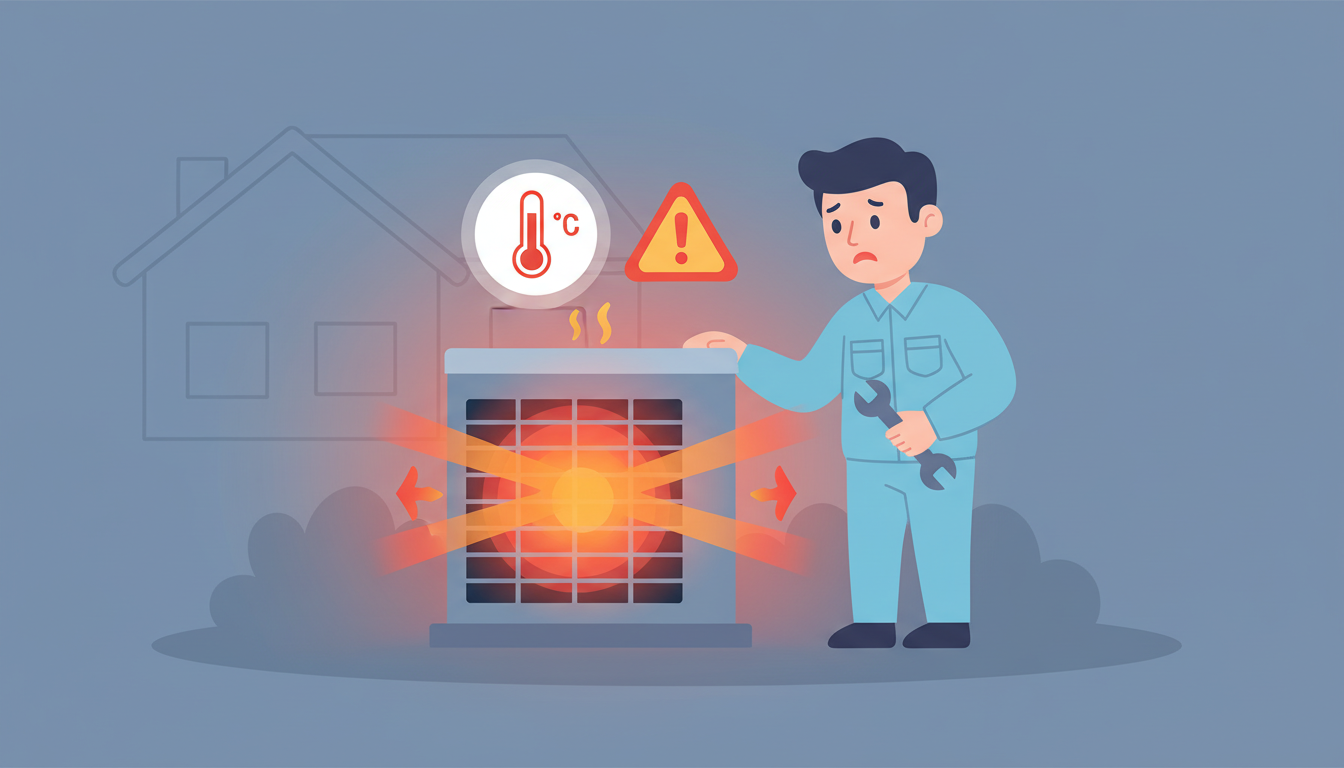
Is your outdoor AC unit hot to the touch? Does your air conditioner keep shutting off on hot summer days? If your AC compressor is overheating, you're facing a serious problem that can lead to complete system failure and expensive repairs. Understanding why your AC compressor overheats and what to do about it can save you thousands of dollars and keep your home comfortable when you need cooling the most.
What Is an AC Compressor and Why Does It Get Hot?
Your AC compressor is the heart of your air conditioning system. Located in the outdoor unit, it pressurizes refrigerant and pumps it through your HVAC system to remove heat from your home. While it's normal for your compressor to feel warm during operation, excessive heat indicates a problem.
A properly functioning compressor typically runs between 150-220°F. When temperatures exceed this range, your system may trigger a thermal overload switch that shuts down the compressor to prevent permanent damage.
How to Tell If Your AC Compressor Is Overheating
Before diving into causes, you need to recognize the warning signs. Here are the most common symptoms of an overheating AC compressor:
Your AC Keeps Shutting Off
If your air conditioner runs for a few minutes then shuts off repeatedly (called short-cycling), overheating is likely the culprit. The thermal overload protection kicks in to prevent damage, causing the system to cycle on and off.
The Outdoor Unit Is Hot to Touch
While your condenser unit should feel warm, it shouldn't be painfully hot. If you can't comfortably touch the metal housing for more than a second or two, your compressor is running too hot.
Circuit Breaker Trips Frequently
An overheating compressor draws excessive current, which can trip your circuit breaker. If you're constantly resetting the breaker for your AC unit, overheating may be the underlying issue.
Reduced Cooling Performance
When your compressor overheats, it can't effectively move refrigerant through your system. You'll notice weak airflow from vents and rooms that never quite reach your desired temperature.
Unusual Noises
Grinding, clicking, or humming sounds coming from your outdoor unit can indicate your compressor motor is struggling due to overheating and excessive strain.
Higher Electric Bills
An overheating compressor works harder to maintain cooling, consuming more electricity. Unexplained spikes in your energy costs often point to HVAC efficiency problems.
Top Causes of AC Compressor Overheating
Now that you can identify the symptoms, let's explore what causes your air conditioner compressor to overheat.
1. Dirty Condenser Coils
This is the most common reason for compressor overheating. Your condenser coils release heat from the refrigerant to the outside air. When these coils get covered with dirt, grass clippings, pollen, or debris, they can't dissipate heat effectively.
The trapped heat forces your compressor to work harder and run hotter. Over time, this buildup creates a vicious cycle where reduced efficiency leads to longer run times, which creates more heat, which reduces efficiency further.
What you can do: Gently spray down your outdoor unit with a garden hose (never use a pressure washer). For stubborn buildup, you'll need professional coil cleaning with specialized solutions.
2. Low Refrigerant Levels
Refrigerant is the lifeblood of your cooling system. When levels drop due to leaks, your compressor must work much harder to circulate the remaining refrigerant. This extra strain generates excessive heat.
Low refrigerant also means less cooling capacity, so your system runs longer cycles trying to reach your thermostat setting. These extended run times contribute to overheating.
Warning signs: Hissing sounds near refrigerant lines, ice formation on the evaporator coils, or weak cooling despite the system running constantly.
What you can do: Refrigerant handling requires EPA certification. If you suspect low refrigerant, contact a licensed HVAC technician to locate leaks, repair them, and recharge your system. For comprehensive guidance on HVAC repairs, check out our complete HVAC repair guide.
3. Clogged Air Filters
Your air filter protects your HVAC system from dust and debris while ensuring proper airflow. A clogged filter restricts airflow through your indoor unit, creating a domino effect throughout your system.
Reduced airflow means your evaporator coils can't absorb heat effectively. This causes refrigerant to return to the compressor at incorrect temperatures and pressures, forcing the compressor motor to work harder and generate excess heat.
What you can do: Check your air filter monthly and replace it every 1-3 months depending on usage, pets, and air quality. This is the easiest and cheapest preventive maintenance you can perform.
4. Electrical Problems
Voltage irregularities wreak havoc on compressor motors. Power surges send excessive voltage through your system, while voltage drops (brownouts) force the motor to draw more current to maintain operation.
Both scenarios generate excessive heat. Loose electrical connections, failing capacitors, or damaged contactors can also cause erratic power delivery and overheating.
What you can do: If your lights dim when your AC starts, or you experience frequent power fluctuations, consult an electrician. Never attempt electrical repairs yourself—compressor circuits carry high voltage that can be lethal.
5. Insufficient Ventilation Around the Outdoor Unit
Your condenser unit needs breathing room. When landscaping, storage items, fences, or structures crowd your outdoor unit, airflow becomes restricted. Without adequate ventilation, hot air expelled from the condenser coils can't dissipate, creating a heat pocket around your compressor.
Direct sunlight beating down on your condenser all day also contributes to overheating, especially during peak summer heat.
What you can do: Maintain at least 2-3 feet of clearance around all sides of your outdoor unit. Trim back vegetation regularly. Consider installing a shade structure (but never enclose the unit).
6. Wrong Compressor Size for Your Home
If your compressor is undersized for your home's square footage, it will run continuously trying to maintain your desired temperature. This constant operation never allows the compressor to rest and cool down.
Conversely, an oversized compressor will short-cycle, turning on and off rapidly. Both scenarios lead to overheating and premature failure.
What you can do: Proper sizing requires professional load calculations. If your system was recently installed and exhibits these issues, contact your HVAC contractor to verify correct sizing. Our central AC repair guide covers sizing issues in detail.
7. High Discharge Pressure
Discharge pressure is the pressure at which refrigerant leaves your compressor. Several issues can cause abnormally high discharge pressure:
- Overcharged refrigerant system
- Blockages in refrigerant lines
- Failing expansion valve
- Restricted condenser coils
High discharge pressure forces your compressor to work against increased resistance, generating tremendous heat in the process.
What you can do: Measuring and adjusting refrigerant pressure requires specialized gauges and training. This is strictly a job for professionals.
8. Poor Suction Pressure
The flip side of discharge pressure is suction pressure—the pressure at which refrigerant enters the compressor. Low suction pressure can result from:
- Dirty air filters (yes, again!)
- Frozen evaporator coils
- Blocked return air vents
- Undersized ductwork
Low suction pressure causes the compressor to "starve" for refrigerant, forcing it to work harder and overheat.
What you can do: Ensure all supply and return vents are open and unblocked. Replace your air filter if it's dirty. If the problem persists, call for professional diagnostics.
9. Aging Components and Wear
Like any mechanical device, AC compressors wear out over time. Bearings lose lubrication, motor windings deteriorate, and internal components develop friction points. This natural aging process increases resistance and heat generation.
Most residential compressors last 10-15 years with proper maintenance. If your system is approaching or exceeding this age range, overheating may signal that replacement is more cost-effective than continued repairs.
What you can do: Track your system's age and maintenance history. If repairs are becoming frequent and costly, it may be time to consider replacement. Learn more in our guide on AC fan motor repair vs. replacement—the same principles apply to compressors.
10. Extreme Summer Temperatures
When outdoor temperatures soar above 95°F, your compressor faces extreme operating conditions. The greater the temperature difference between your desired indoor temperature and the outdoor heat, the harder your system must work.
On exceptionally hot days, even a well-maintained system may struggle and run hotter than usual. However, a properly sized and maintained system should still operate within safe temperature ranges.
What you can do: Raise your thermostat by a few degrees during heat waves to reduce strain. Close blinds and curtains to reduce solar heat gain. Run ceiling fans to improve comfort without lowering the thermostat further.
What to Do If Your AC Compressor Is Overheating Right Now
If you suspect your compressor is currently overheating, take these immediate steps:
- Turn off your AC at the thermostat to prevent further damage
- Don't reset a tripped circuit breaker more than once—repeated trips indicate a serious problem
- Check and replace your air filter if it's dirty or clogged
- Clear debris from around your outdoor unit and ensure adequate airflow
- Give your system 30-60 minutes to cool down before attempting to restart
- Call a professional HVAC technician if the problem persists after these basic checks
Never ignore an overheating compressor. Continued operation can cause catastrophic failure, turning a potentially simple repair into a complete system replacement costing $3,000-$7,000 or more.
Can You Run Your AC If the Compressor Is Overheating?
No, you should not run your air conditioner if the compressor is overheating. Operating an overheating compressor risks:
- Complete compressor burnout requiring full replacement
- Damage to other system components like the condenser fan motor
- Refrigerant contamination from burned oil and internal breakdown
- Potential fire hazard in severe cases
Modern systems include thermal overload protection that automatically shuts down the compressor at dangerous temperatures. If your system keeps tripping this safety, respect the warning and address the underlying issue.
How to Prevent AC Compressor Overheating
Prevention is always cheaper than repair. Follow these maintenance practices to keep your compressor running cool:
Monthly Tasks:
- Check and replace air filters as needed
- Visually inspect outdoor unit for debris buildup
- Ensure adequate clearance around condenser unit
Seasonal Tasks:
- Have professional HVAC maintenance performed twice yearly (spring and fall)
- Clean or have condenser coils professionally cleaned annually
- Trim vegetation around outdoor unit
Annual Professional Maintenance Includes:
- Refrigerant level check and adjustment
- Electrical connection tightening
- Capacitor and contactor testing
- Thermostat calibration
- Complete system performance evaluation
Regular maintenance typically costs $100-200 annually but can prevent repair bills of $500-$2,000 or more. Think of it as insurance for your cooling system.
When to Repair vs. Replace an Overheating Compressor
This is often the toughest decision homeowners face. Consider these factors:
Repair if:
- Your system is less than 7 years old
- The cause is external (dirty coils, clogged filter, etc.)
- Repair costs are less than $1,000
- Your compressor is still under warranty
Replace if:
- Your system is over 12 years old
- The compressor has internal mechanical failure
- Repair costs exceed 50% of replacement cost
- You're using R-22 refrigerant (being phased out)
- Your system has had multiple major repairs in recent years
A new compressor costs $1,200-$2,500 installed, while a complete system replacement runs $3,500-$7,500 depending on size and efficiency. Get multiple quotes from licensed HVAC contractors before making your decision.
Frequently Asked Questions
How long does it take for an overheated compressor to cool down?
After shutting off your AC, allow 30-60 minutes for the compressor to cool to ambient temperature. However, if the underlying cause isn't addressed, it will simply overheat again when restarted.
Is it normal for my AC compressor to be hot to the touch?
Yes, your compressor will feel warm during normal operation. However, if you can't comfortably keep your hand on it for 3-4 seconds, or if the metal housing is uncomfortably hot, it's running too hot.
What temperature should my AC compressor run at?
Most residential AC compressors operate between 150-220°F during normal operation. Surface temperatures you can feel will be lower but still notably warm. Temperatures exceeding this range indicate overheating.
Can an overheating AC compressor be repaired or does it need replacement?
It depends on the cause. If overheating resulted from external issues (dirty coils, low refrigerant, poor airflow) caught early, repair is usually possible. If the compressor internals are damaged from prolonged overheating, replacement is necessary.
Will a bad capacitor cause my compressor to overheat?
Yes, absolutely. The start capacitor provides the electrical boost needed to start your compressor motor, while the run capacitor keeps it running efficiently. A failing capacitor forces the motor to work harder, drawing more current and generating excess heat.
Don't Let an Overheating Compressor Ruin Your Summer
An overheating AC compressor is your system's cry for help. Whether the cause is something simple like a dirty filter or something more serious like low refrigerant, addressing the issue quickly protects your investment and keeps your home comfortable.
While some basic troubleshooting can be done by homeowners, most compressor issues require professional expertise. The refrigerant system operates under high pressure, electrical components carry dangerous voltage, and misdiagnosis can turn a minor problem into a major expense.
If you're experiencing any signs of compressor overheating, don't wait until your system fails on the hottest day of summer. Contact a licensed HVAC professional to diagnose and resolve the issue before minor problems become major headaches. Your compressor—and your wallet—will thank you.
Remember: an ounce of prevention through regular maintenance is worth a pound of cure when it comes to your air conditioning system. Schedule that tune-up today, and keep your cool all summer long.