Why AC Repairs Increase During Extreme Heat: What Every Homeowner Should Know
Why AC Repairs Increase During Extreme Heat: What Every Homeowner Should Know
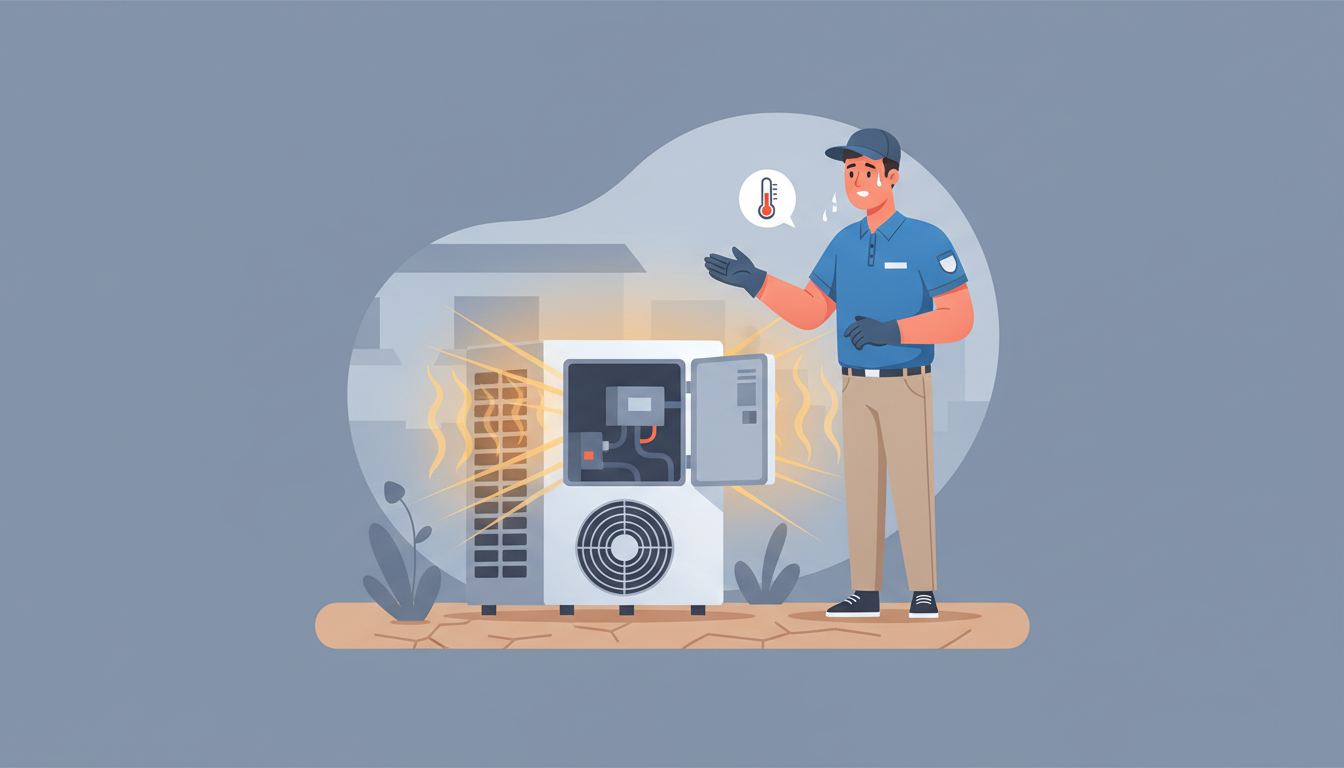
When temperatures soar past 95°F, your air conditioner becomes your home's most critical appliance. But here's the irony: extreme heat—the very condition that makes you need your AC most—is also what causes it to fail. HVAC technicians report that service calls can spike by 50-70% during heat waves, leaving homeowners facing both sweltering temperatures and unexpected repair bills. Understanding why AC repairs increase during extreme heat can help you protect your system and avoid becoming another statistic.
How Extreme Heat Pushes Your AC Beyond Its Limits
Your air conditioner wasn't designed to work miracles. Most residential HVAC systems are engineered to maintain a 20-25°F temperature difference between outdoor and indoor air. When outside temperatures climb above 95°F and you're trying to keep your home at 72°F, you're asking your system to bridge a 23-degree gap—right at the edge of its design capacity.
The Heat Transfer Problem
Air conditioners work by transferring heat from inside your home to the outside air. During extreme heat, this process becomes exponentially harder. Your AC's condenser unit needs cooler outdoor air to release the heat it's pulling from your home. When outdoor temperatures exceed 100°F, the refrigerant in your system struggles to release heat efficiently, forcing the compressor to work longer and harder to achieve the same cooling effect.
Think of it like trying to cool down by jumping into a hot tub. The temperature differential just isn't there to make it effective.
Extended Runtime Hours = Accelerated Wear
During moderate weather, your AC runs in cycles—turning on for 15-20 minutes, then resting. In extreme heat, these cycles can extend to 45 minutes or longer, with shorter rest periods. Some systems run almost continuously for hours or even days during severe heat waves.
This constant operation accelerates wear on every component. Bearings that would normally last 15 years might fail in 10. Electrical contacts designed for thousands of cycles burn out faster. The thermal stress alone can reduce your system's lifespan by years if heat waves become frequent in your area.
The Components That Fail First in Hot Weather
Not all AC parts are equally vulnerable to extreme heat. Certain components consistently fail more often when temperatures spike, and understanding which ones can help you recognize warning signs early.
Capacitors: The Heat's First Victim
Capacitors are small cylindrical components that provide the electrical jolt needed to start your compressor and fan motors. They're also the most heat-sensitive part of your entire HVAC system. When outdoor temperatures exceed 90°F, capacitor failure rates skyrocket.
Why capacitors fail in heat: These components are filled with electrolyte fluid that deteriorates faster at high temperatures. Every 10°F increase in ambient temperature can cut a capacitor's lifespan in half. A capacitor rated for 60,000 hours at 70°F might only last 15,000 hours at 100°F.
Warning signs:
- AC hums but won't start
- System starts then quickly shuts off
- Fan runs but compressor doesn't
- Burning smell near outdoor unit
The good news? Capacitor replacement is one of the more affordable AC repairs, typically costing $150-$400. The bad news? It requires immediate professional service because a failed capacitor can damage your compressor—a much more expensive problem.
Compressor Failure: The Expensive Consequence
Your compressor is the heart of your AC system, and it's also the most expensive component to replace. Extreme heat creates a perfect storm of conditions that can destroy compressors:
Elevated operating temperatures: Compressors generate significant heat during normal operation. When ambient temperatures are already 95°F+, the compressor's internal temperature can reach 225°F or higher. At these temperatures, the refrigerant oil breaks down, losing its lubricating properties and becoming acidic. Acidic oil corrodes internal components and creates sludge that clogs the system.
High head pressure: In extreme heat, the pressure on the discharge side of the compressor (called "head pressure") increases dramatically. The compressor must work against this higher pressure, drawing more electrical current and generating even more heat. This creates a vicious cycle that can lead to motor burnout or mechanical failure.
Common compressor failure symptoms:
- Loud banging or clanking from outdoor unit
- Circuit breaker trips repeatedly
- Warm air from vents despite thermostat setting
- Hard start (system struggles to turn on)
Compressor replacement typically costs $1,500-$3,500, and at that price point, many homeowners opt to replace the entire system instead. If your AC is over 10 years old and the compressor fails during extreme heat, it's often a sign that other components are also near the end of their lifespan.
Contactor and Relay Failures
Contactors are electrical switches that control the flow of electricity to your compressor and fan motor. During extreme heat, these components face two challenges:
- Increased electrical load: Your AC draws more current in hot weather, causing contactors to heat up
- Thermal expansion: The metal components expand in heat, which can cause loose connections or pitting on the contact surfaces
When contactors fail, you'll typically hear clicking sounds from your outdoor unit without the compressor starting, or your AC might work intermittently.
Fan Motor Burnout
Both your outdoor condenser fan and indoor blower motor face increased strain during heat waves. The outdoor fan motor is particularly vulnerable because it's operating in 100°F+ ambient temperatures while trying to dissipate heat from the condenser coils.
Restricted airflow from dirty coils or a clogged filter makes this worse. When your fan motor has to work harder to move air, it draws more current, generates more heat, and can eventually burn out. Replacement costs typically range from $400-$800 depending on the motor type and accessibility.
Why Older AC Units Are More Vulnerable
If your air conditioner is more than 8-10 years old, extreme heat poses a significantly higher risk. Here's why age matters:
Accumulated Wear
Even with regular maintenance, components naturally degrade over time. Bearings wear down, electrical connections loosen, refrigerant charge slowly leaks, and condenser coils accumulate microscopic contamination that reduces efficiency. When extreme heat arrives, these age-related issues reach a tipping point.
An AC that struggles slightly at 85°F might completely fail at 105°F. The extreme conditions expose every weakness in an aging system.
Reduced Efficiency
Older systems typically have SEER ratings of 10-13, compared to modern units with ratings of 16-20+. This means they work harder and run longer to achieve the same cooling, accumulating more runtime hours during heat waves than newer, more efficient models.
More runtime means more wear, higher electrical loads, and greater thermal stress on components.
The Replacement vs. Repair Decision
When an older AC fails during extreme heat, you face a difficult decision. Common AC repairs and parts that fail can cost anywhere from a few hundred to several thousand dollars. The "5,000 rule" suggests that if the repair cost multiplied by the system's age exceeds $5,000, replacement makes more financial sense.
For example: A $1,200 repair on an 8-year-old system equals 9,600 (1,200 × 8). Since this exceeds 5,000, replacement is likely the better investment—especially if you're dealing with heat-related failures that indicate broader system stress.
The Cumulative Impact of Extended Heat Waves
A single 100°F day stresses your AC, but an extended heat wave can be devastating. When outdoor temperatures remain above 95°F for days or weeks, your system experiences cumulative damage that doesn't have time to recover.
No Recovery Time
During normal weather patterns, your AC gets breaks—cooler evenings, occasional clouds, or temperature drops that allow the system to rest. Extended heat waves eliminate these recovery periods. Your AC runs 18-20 hours per day for weeks straight, never getting the chance to cool down and reset.
Compounding Failures
Heat wave conditions often trigger cascade failures. It might start with a capacitor struggling to handle the heat. This causes the compressor to work harder. The extra load creates more heat in the electrical components. Eventually, multiple parts fail in quick succession.
HVAC repair guides document this pattern clearly: homeowners who experience one heat-related failure during a heat wave often face additional failures within days if the weather doesn't break.
Service Delays
Here's another factor most homeowners don't consider: when extreme heat hits your area, it affects everyone's AC simultaneously. HVAC companies report service backlogs of 3-7 days during severe heat waves. Even if you call for repairs immediately, you might wait days for a technician—days spent in dangerous indoor temperatures or paying for emergency hotel stays.
This is why preventive maintenance before summer is so critical. You can't control when heat waves arrive, but you can ensure your system is ready to handle them.
Preventing Heat-Related AC Failures: What Actually Works
The best time to prevent heat-related AC failures is before the temperature climbs. These strategies have proven track records for reducing emergency repairs during extreme heat.
Spring Maintenance Is Non-Negotiable
Schedule professional maintenance in April or May, before cooling season begins. A thorough central AC repair and tune-up should include:
- Capacitor testing and replacement if showing signs of wear
- Refrigerant level check and adjustment
- Electrical connection tightening
- Condenser and evaporator coil cleaning
- Fan motor lubrication and current draw testing
- Thermostat calibration
- Condensate drain clearing
This proactive service typically costs $80-$150 but can prevent $500-$2,000 in heat-related failures during summer. More importantly, it ensures your AC is operating at peak efficiency before you need it most.
Keep Your Outdoor Unit Clean
Your condenser coils need clear airflow to release heat. During extreme weather, even a partially restricted coil can cause system failure. Monthly during cooling season:
- Remove leaves, grass clippings, and debris from around the unit
- Spray coils gently with a garden hose (not a pressure washer) to remove surface dirt
- Maintain 2-3 feet of clearance around all sides
- Trim back vegetation that's growing toward the unit
Dirty coils can reduce your AC's efficiency by 30% or more, forcing the system to run longer and work harder during heat waves—exactly when you can least afford reduced performance.
Replace Air Filters Religiously
A clogged air filter is one of the most common causes of AC failure during extreme heat. When your filter is restricted, your system can't move enough air across the evaporator coil. This causes the coil to freeze, reduces cooling capacity, and forces your blower motor to work harder.
During hot weather, check your filter every 2-3 weeks and replace it when it looks dirty. Standard 1-inch filters often need monthly replacement during heavy use. If you see ice forming on refrigerant lines or hear reduced airflow from vents, check your filter immediately.
Give Your AC a Fighting Chance
These simple strategies reduce thermal load on your system during extreme heat:
- Set your thermostat to 78°F instead of 72°F (reduces runtime by 20-30%)
- Use ceiling fans to circulate cool air more effectively
- Close blinds and curtains during peak sun hours
- Avoid using heat-generating appliances during the hottest part of the day
- Consider a programmable thermostat that raises the temperature automatically when you're away
Every degree you raise your thermostat during extreme heat reduces electrical draw and runtime hours, giving your AC's components a better chance of surviving the heat wave intact.
Address Warning Signs Immediately
Don't ignore these symptoms during hot weather:
- Reduced airflow from vents
- Warm air despite proper thermostat setting
- Unusual noises (grinding, squealing, banging)
- Frequent cycling on and off
- Ice on refrigerant lines or coils
- Higher-than-normal energy bills
- Moisture or leaks around indoor unit
Any of these signs during extreme heat indicates your system is struggling. Addressing them immediately—before complete failure—usually results in simpler, less expensive repairs.
What to Do When Your AC Fails During Extreme Heat
Despite your best prevention efforts, AC failures during heat waves still happen. Here's how to respond safely and effectively.
Immediate Safety Steps
When indoor temperatures exceed 85°F for extended periods, especially with high humidity, heat-related illness becomes a real concern. Priorities:
- Move vulnerable family members (young children, elderly, those with health conditions) to air-conditioned spaces—a cooling center, library, friend's house, or hotel if necessary
- Create cooling zones using fans, cold compresses, and frequent cool showers
- Stay hydrated and avoid physical exertion
- Check on neighbors, particularly elderly residents who may not realize the danger
Heat-related illness can develop quickly. Don't tough it out if temperatures are dangerous.
Emergency Repair vs. Temporary Solutions
Call for emergency HVAC service immediately, but understand you may wait 24-48 hours during peak heat waves. In the meantime:
- Window AC units can cool essential rooms (bedrooms for sleeping)
- Portable AC units offer temporary relief but are expensive to rent during heat waves
- Fans help but only when indoor temperatures are below 95°F
- Wet towels and ice can provide temporary cooling for individuals
Avoid attempting DIY repairs on electrical or refrigerant components—these require licensed professionals and you can cause more damage or injury trying to fix them yourself.
Understanding Repair Costs During Heat Waves
Emergency service during extreme heat typically costs more than standard repairs:
- After-hours service fees: $100-$200 additional
- Weekend/holiday premiums: $150-$300 additional
- Rush part ordering: 20-50% markup on components
- Availability surcharges: Some companies add "peak demand" fees during heat waves
If your repair estimate seems high, get a second opinion if time allows. However, during dangerous heat, paying premium rates for immediate service may be necessary to protect your family's health and safety.
FAQ: AC Repairs and Extreme Heat
How hot is too hot for my air conditioner to work properly?
Most residential AC systems struggle when outdoor temperatures exceed 95-100°F. Your unit's design specification (usually found on the outdoor unit's nameplate) will indicate the maximum ambient temperature rating. Systems are typically designed for a 15-25°F temperature differential between indoor and outdoor air. When you're trying to maintain 72°F indoors with 105°F outdoor temps, you're exceeding most systems' efficient operating range.
Why does my AC run constantly during heat waves but the house stays warm?
Continuous operation during extreme heat often indicates your system is undersized for the cooling load or has lost efficiency due to component wear. During moderate weather, the capacity is sufficient. But when temperatures exceed design limits, the AC can't remove heat as fast as it enters your home. This isn't necessarily a failure—it's your system working at maximum capacity. However, if this happens regularly, you may need a larger system or better insulation.
Can extreme heat damage my AC even if it's still running?
Yes. Your AC might continue operating while sustaining internal damage that will shorten its lifespan. Overheating oil, excessive refrigerant pressure, and electrical components running beyond rated temperatures can all cause damage that won't result in immediate failure but will reduce the system's remaining life. This is why maintenance after extended heat waves is important—to check for damage that occurred during extreme conditions.
Should I turn off my AC during extreme heat to prevent damage?
No. Once your home heats up significantly, your AC will work even harder trying to bring temperatures back down. It's better to maintain a steady, slightly warmer temperature (78-80°F) than to let your home heat up to 90°F+ and then ask your AC to cool it down. The exception is if you smell burning, see smoke, or your circuit breaker trips repeatedly—in those cases, shut down the system and call for emergency service.
How can I tell if my AC is about to fail during hot weather?
Watch for these warning signs: reduced airflow from vents, warm air despite proper thermostat settings, unusual noises (grinding, squealing, or banging), ice forming on refrigerant lines, moisture around the indoor unit, or the circuit breaker tripping. Any of these symptoms during extreme heat suggests component stress that could lead to complete failure. Contact a professional immediately for diagnosis.
Protecting Your Investment When Temperatures Soar
AC repairs increase during extreme heat because your system faces operational demands it was never designed to sustain continuously. Temperatures above 95°F, extended heat waves, and aging components create a perfect storm for failure—but understanding these factors gives you the power to respond proactively.
The key is preparation: spring maintenance, clean coils, fresh filters, and realistic thermostat settings during heat waves give your AC the best chance of survival. And when you do face problems, quick professional intervention prevents minor issues from becoming major failures.
Your air conditioner is a complex machine working in hostile conditions when you need it most. Treat it accordingly, watch for warning signs, and don't hesitate to call for professional help when extreme heat pushes your system to its limits. The cost of prevention and early intervention is always less than the cost of emergency repairs during a heat wave—to say nothing of the comfort and safety of having a working AC when temperatures soar.
For more detailed guidance on diagnosing and repairing specific AC problems, check out our comprehensive HVAC repair guide and our detailed breakdown of common AC repairs and which parts fail most often.