AC Turns On and Off Too Often? Here's What Short Cycling Means
AC Turns On and Off Too Often? Here's What Short Cycling Means
If you've noticed your air conditioner turning on and off every few minutes instead of running smoothly, you're dealing with a problem called short cycling. This isn't just annoying—it's costing you money and potentially damaging your AC system. Let's break down what AC short cycling means, why it happens, and most importantly, how to fix it.
What Is AC Short Cycling?
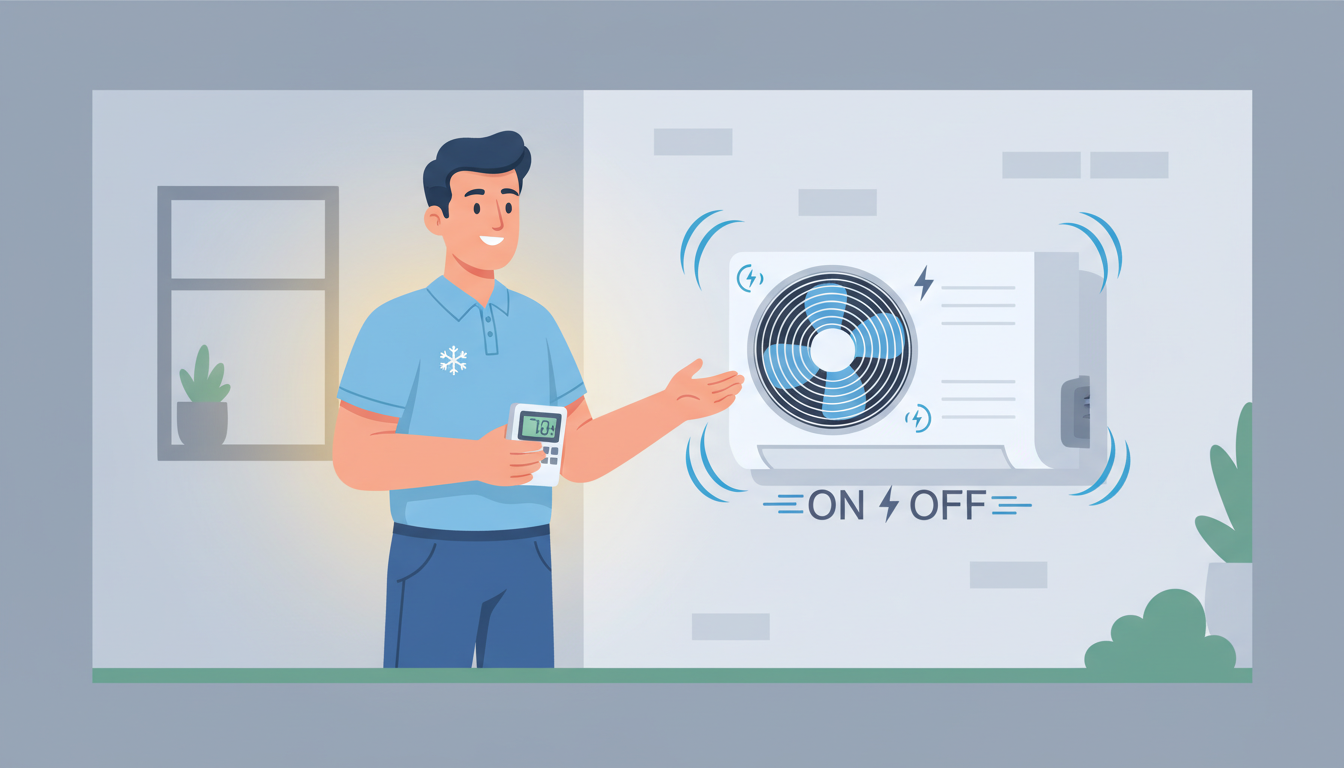
AC short cycling occurs when your air conditioning system turns on and off repeatedly in quick succession, without completing a full cooling cycle. Instead of running for 10-20 minutes at a time (the normal duration), a short cycling AC might run for just 2-5 minutes before shutting down, then starting up again shortly after.
Think of it like trying to drive somewhere but constantly stopping and starting every few seconds—your car would never reach cruising speed, would waste fuel, and would wear out much faster. The same thing happens with your air conditioner.
Normal Cycling vs. Short Cycling
To understand short cycling, you need to know what normal operation looks like:
Normal Cycling:
- AC runs for 10-20 minutes per cycle
- Cycles 2-3 times per hour on hot days
- Reaches and maintains set temperature
- Turns off once the thermostat is satisfied
- Takes a break before the next cycle
Short Cycling:
- AC runs for less than 5 minutes
- Cycles 4-6+ times per hour
- Never fully cools your home
- Turns on and off almost constantly
- Leaves rooms feeling humid and uncomfortable
Why Is Short Cycling Bad for Your AC?
AC short cycling isn't just a minor inconvenience—it can seriously damage your HVAC system and drain your wallet. Here's why this problem demands immediate attention:
Skyrocketing Energy Bills
Your air conditioner uses the most energy during startup. When your AC turns on, the compressor draws a massive surge of electricity to get going. With normal cycling, this startup cost is spread across a longer runtime. But when your system short cycles, you're paying that startup penalty every few minutes. This can increase your electric bill by 20-30% or more during summer months.
Accelerated Wear and Tear
The compressor—the heart of your AC system—is designed to run in longer intervals, not constant on-off cycles. Short cycling forces the compressor to work much harder than intended, dramatically reducing its lifespan. What should last 12-15 years might fail in just 5-7 years.
Other components like the fan motor, capacitor, and contactor also suffer from the repeated stress of constant startups, leading to premature failures and expensive repairs.
Poor Indoor Comfort
An air conditioner does more than just cool—it also removes humidity from your home. This dehumidification process takes time. When your AC short cycles, it never runs long enough to properly remove moisture from the air, leaving your home feeling clammy and uncomfortable even when the temperature seems right.
Potential System Failure
Left unaddressed, short cycling can lead to complete system failure. The constant stress on components can cause catastrophic breakdowns, often during the hottest days when you need your AC most. What could have been a simple repair might turn into a full system replacement costing thousands of dollars.
Common Causes of AC Short Cycling
Understanding what causes short cycling is the first step toward fixing it. Here are the most common culprits:
1. Dirty or Clogged Air Filters
This is the #1 cause of AC short cycling—and the easiest to fix. When your air filter gets clogged with dust, pet hair, and debris, it restricts airflow through your system. This causes several problems:
- Reduced airflow makes the evaporator coil too cold
- The coil can freeze over completely
- Ice buildup triggers safety shutoffs
- System turns off prematurely to prevent damage
The Fix: Check your air filter monthly and replace it every 1-3 months depending on usage. If you have pets or allergies, you might need to change it more frequently. This simple maintenance task can solve short cycling immediately in many cases.
2. Low Refrigerant Levels
Refrigerant is the lifeblood of your AC system. It absorbs heat from inside your home and releases it outside. When refrigerant levels drop due to leaks, your system can't cool properly and begins to short cycle.
Signs of low refrigerant include:
- Hissing or bubbling sounds near the AC unit
- Ice forming on the refrigerant lines
- Warm air coming from vents
- AC running constantly but not cooling
The Fix: Low refrigerant always indicates a leak—AC systems don't "use up" refrigerant like gas in a car. You'll need a professional HVAC technician to locate the leak, repair it, and recharge your system. Expect to pay $200-$1,500 depending on the leak location and severity. For guidance on AC repairs, check out our HVAC repair guide.
3. Thermostat Problems
Your thermostat is the brain of your cooling system. When it malfunctions, it can send incorrect signals that cause short cycling. Common thermostat issues include:
- Poor placement: Thermostats near windows, doors, or heat sources get false temperature readings
- Calibration problems: An uncalibrated thermostat reads temperatures incorrectly
- Wiring issues: Loose or corroded wires cause intermittent connections
- Old technology: Older thermostats lose accuracy over time
The Fix: First, ensure nothing is blocking your thermostat and it's away from direct sunlight or drafts. Try recalibrating it according to the manufacturer's instructions. If problems persist, upgrading to a modern programmable or smart thermostat can solve the issue and improve energy efficiency. Professional installation typically costs $150-$300.
4. Oversized AC System
Bigger isn't always better when it comes to air conditioners. An oversized system cools your home too quickly, reaching the thermostat's set temperature before completing a proper cooling cycle. This creates a pattern of rapid on-off cycling.
Signs your AC is oversized:
- Home cools very quickly
- Large temperature swings
- High humidity despite cool temperatures
- System installed without proper load calculation
The Fix: Unfortunately, the only real solution is replacing your AC with a properly sized unit. An HVAC professional should perform a Manual J load calculation to determine the right size for your home based on square footage, insulation, windows, and climate. While replacement is expensive, a properly sized system will save you money long-term through better efficiency and longer equipment life.
5. Frozen Evaporator Coils
The evaporator coil inside your home absorbs heat from the air. When airflow is restricted or refrigerant levels are wrong, these coils can freeze solid. Ice buildup prevents proper heat absorption and triggers safety switches that shut down the system.
Causes of frozen coils:
- Dirty air filters (most common)
- Blocked return vents
- Low refrigerant
- Dirty coil surfaces
- Fan motor problems
The Fix: If you notice ice on your AC lines, turn off the system and let it thaw completely (2-4 hours). Replace the air filter and check that all vents are open and unblocked. If the problem returns, call a professional—you likely have a refrigerant leak or mechanical issue requiring expert repair.
6. Electrical Problems
Faulty electrical components can cause erratic operation and short cycling:
- Failed capacitor: Stores energy to start the compressor; when failing, the compressor struggles to start and may shut off quickly
- Bad contactor: Acts as a switch for the compressor; when worn, it creates poor connections
- Wiring issues: Loose connections cause intermittent power delivery
- Control board problems: A failing control board sends incorrect signals
The Fix: Electrical issues require professional diagnosis and repair. A technician can test capacitors, contactors, and wiring to identify the problem. Capacitor replacement typically costs $150-400, while control boards run $200-600 including labor.
7. Blocked or Dirty Condenser Unit
Your outdoor condenser unit needs free airflow to release heat effectively. When it's blocked by debris, plants, or dirt buildup, it can't dissipate heat properly, causing the system to overheat and shut down.
The Fix: Clear debris, leaves, and vegetation from around your outdoor unit, maintaining at least 2 feet of clearance on all sides. Gently spray down the fins with a garden hose (never use a pressure washer—it will bend the delicate fins). For heavily soiled units, professional cleaning costs $75-200 and is included in most maintenance plans.
8. Ductwork Issues
Leaky, blocked, or improperly sized ductwork can cause pressure imbalances that lead to short cycling. If your ducts are leaking conditioned air into your attic or walls, your system works overtime trying to reach the set temperature but never succeeds.
The Fix: Have a professional inspect your ductwork for leaks, blockages, or sizing issues. Duct sealing costs $300-1,000 but can improve efficiency by 20-30%. For central AC systems experiencing short cycling, our central AC repair guide offers additional troubleshooting steps.
How to Fix AC Short Cycling: Step-by-Step
Here's your action plan for addressing short cycling, from easiest fixes to professional solutions:
DIY Steps (Try These First)
Step 1: Replace Your Air Filter Check your air filter right now. If it's gray, clogged, or hasn't been changed in over 3 months, replace it immediately. This solves short cycling in 30-40% of cases.
Step 2: Check Your Thermostat
- Ensure it's level on the wall
- Replace batteries if it's battery-powered
- Verify it's set to "Cool" not "Auto" or "Heat"
- Confirm the temperature setting is at least 3-5 degrees below current room temperature
- Make sure it's not in direct sunlight or near heat sources
Step 3: Clear the Outdoor Unit Remove leaves, grass clippings, and debris from around your condenser. Cut back vegetation to maintain 2 feet of clearance. Gently rinse the unit with a garden hose.
Step 4: Inspect Vents and Registers Walk through your home and ensure all supply vents and return grilles are open and unblocked by furniture, curtains, or rugs.
Step 5: Check for Ice Look at your indoor unit and refrigerant lines. If you see ice or frost, turn off the system and let it thaw for 2-4 hours before attempting to run it again.
When to Call a Professional
If you've tried the DIY steps and short cycling continues, it's time to call an HVAC professional. You definitely need expert help if you notice:
- Ice forming on coils or refrigerant lines (and returning after thawing)
- Strange noises like grinding, screeching, or clicking
- Burning smells or electrical odors
- Water pooling around your indoor unit
- Complete system failure
- Short cycling that started immediately after installation
A qualified technician will:
- Perform comprehensive system diagnostics
- Check refrigerant levels and pressures
- Test electrical components (capacitors, contactors, controls)
- Inspect airflow and ductwork
- Verify proper system sizing
- Recommend repairs or replacement based on findings
Cost to Fix Short Cycling
Repair costs vary widely depending on the underlying cause:
| Issue | Typical Cost Range |
|---|---|
| Air filter replacement | $15-50 (DIY) |
| Thermostat replacement | $150-300 |
| Capacitor replacement | $150-400 |
| Refrigerant leak repair + recharge | $200-1,500 |
| Evaporator coil cleaning | $100-400 |
| Control board replacement | $200-600 |
| Duct sealing | $300-1,000 |
| Full system replacement | $3,500-8,000+ |
Keep in mind that ignoring short cycling will almost always lead to more expensive repairs down the line. A $200 repair today could prevent a $5,000 replacement next year.
How to Prevent AC Short Cycling
Prevention is always cheaper than repair. Follow these maintenance tips to keep your AC running smoothly:
Regular Filter Changes
Set a calendar reminder to check your filter monthly and replace it every 1-3 months. This single habit prevents the majority of short cycling issues.
Annual Professional Maintenance
Schedule a professional tune-up every spring before cooling season. A technician will:
- Clean coils and components
- Check refrigerant levels
- Test electrical connections
- Lubricate moving parts
- Identify potential problems before they cause breakdowns
Annual maintenance costs $75-200 but can extend your system's life by years and prevent emergency repairs.
Keep Your Outdoor Unit Clean
Clear debris monthly and rinse the unit 2-3 times per season. Trim vegetation regularly to maintain proper clearance.
Upgrade Your Thermostat
Modern programmable or smart thermostats provide more accurate temperature control and can prevent many cycling issues. They also reduce energy usage by optimizing run times.
Address Problems Immediately
Don't ignore warning signs like strange noises, odors, or reduced cooling. Small problems become big problems quickly with AC systems.
Proper System Sizing
If you're replacing your AC or building a new home, insist on a proper Manual J load calculation. This ensures your system is correctly sized for your home's specific needs.
Frequently Asked Questions About AC Short Cycling
How long should my AC run per cycle?
Under normal conditions, your air conditioner should run for 10-20 minutes per cycle. On extremely hot days, cycles may extend to 20-30 minutes. If your AC runs for less than 5-7 minutes per cycle, you have a short cycling problem that needs attention.
Is short cycling dangerous?
Short cycling itself isn't dangerous to your health, but it can lead to system failures that leave you without cooling during extreme heat—which can be dangerous, especially for elderly family members or those with health conditions. Additionally, electrical issues causing short cycling could potentially create fire hazards if left unaddressed.
How long will a short cycling AC last?
An AC system experiencing short cycling will have a significantly shortened lifespan. While a properly maintained AC should last 12-15 years, short cycling can reduce that to just 5-8 years. The constant compressor stress causes premature failure of expensive components.
Can I just ignore short cycling if my home feels cool enough?
Absolutely not. Even if your home feels comfortable, short cycling is costing you money every month through higher electric bills and accelerating toward an expensive breakdown. The sooner you address it, the less it will cost you long-term.
Why does my AC short cycle only sometimes?
Intermittent short cycling often indicates a problem that worsens under certain conditions—like a refrigerant leak that only causes issues during peak heat, or a capacitor that's failing but hasn't completely died yet. This is actually a warning sign that you should address the problem now before it becomes constant.
Does short cycling affect my AC warranty?
Yes, potentially. Most AC warranties require proof of annual professional maintenance. If short cycling damages your system and you can't show maintenance records, the manufacturer may deny your warranty claim. Additionally, some warranties are voided if problems caused by neglect (like never changing filters) lead to system damage.
My AC short cycles and smells musty—what's wrong?
The combination of short cycling and musty odors typically indicates mold or mildew growth, often related to excess humidity from the short cycling preventing proper dehumidification. You may also have drain line clogs or dirty evaporator coils. For more on musty AC smells, see our article on why your AC smells musty when it turns on.
Don't Let Short Cycling Wreck Your AC
AC short cycling is one of the most common—and most damaging—problems homeowners face with their cooling systems. But the good news is that many causes are fixable, especially if you catch them early.
Start with the simple solutions: replace your air filter, check your thermostat, and clear your outdoor unit. These DIY fixes solve the problem in many cases and cost almost nothing.
If short cycling continues after trying these steps, don't delay calling a professional. What seems like a minor annoyance today can become a major expense tomorrow. A qualified HVAC technician can diagnose the root cause and get your system running efficiently again, saving you money on both repairs and energy bills.
Remember, your air conditioner is a significant investment in your home's comfort and value. Taking care of it through regular maintenance and prompt repairs ensures it keeps you cool for many years to come.
Need professional help with your short cycling AC? Don't wait until your system fails completely. Contact a licensed HVAC technician today for a comprehensive diagnostic and get your comfort back on track.