
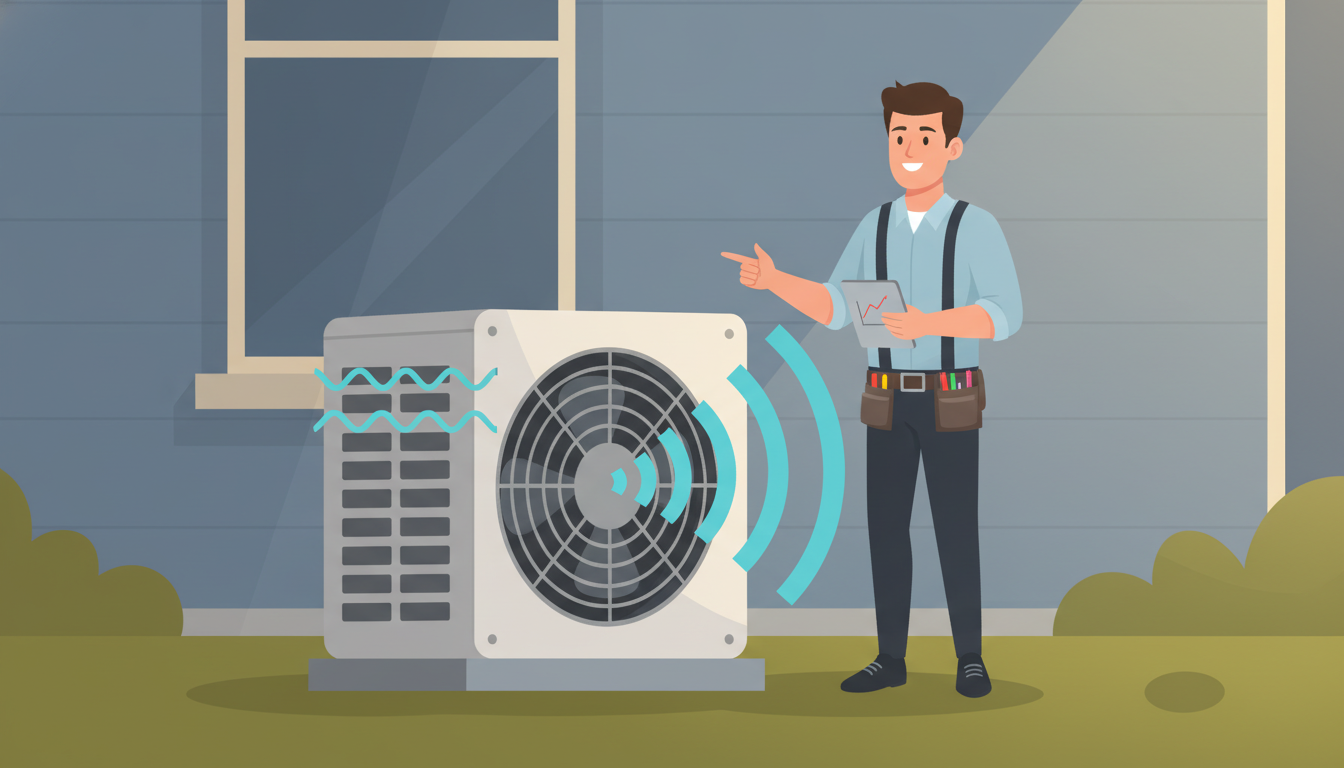
Why Is My AC Unit So Loud Outside? (Common Causes & Quick Fixes)
Why Is My AC Unit So Loud Outside? (Common Causes & Quick Fixes)
Is your outdoor AC unit suddenly sounding like a freight train? You're not alone. A loud air conditioner outside your home is one of the most common complaints HVAC technicians hear, especially during peak cooling season.
The good news? Most outdoor AC noise issues have simple explanations and fixable solutions. In this guide, you'll discover exactly why your outside AC unit is so loud, which noises signal serious problems, and what you can do about it right now.
What Should Your Outside AC Unit Sound Like?
Before we dive into problems, let's establish what's normal. A properly functioning outdoor AC unit (also called a condenser unit) should produce a low, steady hum when operating.
Normal outdoor AC noise levels:
- Quiet units: 50-60 decibels (similar to normal conversation)
- Average units: 60-70 decibels (comparable to background music)
- Older units: 70-80 decibels (like a vacuum cleaner)
You should hear a brief clicking sound when the unit starts up, followed by the whoosh of the fan and a gentle hum from the compressor. When your AC cycles off, there might be a brief gurgling sound as refrigerant settles — this is completely normal.
However, if your outdoor unit suddenly becomes noticeably louder, produces strange sounds, or makes noises that wake you up at night, something's definitely wrong.
8 Common Reasons Your Outside AC Unit Is So Loud
Let's break down the most frequent culprits behind a noisy outdoor AC unit and what each sound typically means.
1. Banging or Clanking Noises
What it sounds like: Sharp, metallic banging or clanking, especially when the unit starts up.
Common causes:
- Loose compressor: The compressor has internal springs that can wear out, causing the unit to bang around inside its housing
- Broken fan blade: A cracked or bent fan blade hitting the protective grille
- Loose panels or components: Vibrating metal panels that have come loose over time
- Debris inside the unit: Sticks, leaves, or other objects rattling around
Quick fix: Turn off your AC immediately if you hear loud banging. Check for visible debris around the fan. Tighten any loose screws or panels you can safely reach. For compressor issues, you'll need professional help — a failing compressor is a major repair that shouldn't be ignored.
2. Buzzing or Humming Sounds
What it sounds like: A persistent electrical buzzing or low-frequency humming that's louder than normal operation.
Common causes:
- Failing capacitor: The capacitor gives your compressor the electrical jolt it needs to start; when it fails, you'll hear loud buzzing
- Loose fan blades: Fan blades that have come loose on their mounting can buzz against the motor
- Electrical issues: Loose wiring, failing contactors, or other electrical components
- Refrigerant leak: Low refrigerant can cause the compressor to work harder and buzz more loudly
- Frozen coils: Ice buildup on the evaporator coils can create unusual buzzing sounds
Quick fix: Check your air filter first — a clogged filter can lead to frozen coils. Listen carefully to pinpoint whether the buzz is coming from the compressor area or the fan. If the unit tries to start but won't turn on (just buzzes), you likely have a capacitor failure. This needs immediate professional attention to prevent compressor damage.
3. Screeching or Screaming Noises
What it sounds like: High-pitched screeching, squealing, or metal-on-metal grinding sounds.
Common causes:
- Bad fan motor bearings: The bearings that allow your fan motor to spin smoothly have worn out
- Worn compressor: Internal compressor damage creating metal-on-metal contact
- Belt issues (older units): If you have an older unit with a belt-driven fan, the belt may be worn or misaligned
Quick fix: This is an emergency sound that should never be ignored! Screeching indicates severe mechanical failure. Turn off your AC immediately and call an HVAC technician. Continuing to run the unit can cause catastrophic damage, potentially requiring a full compressor or condenser replacement instead of a simpler repair.
For more guidance on handling noisy AC units, check out our comprehensive HVAC repair guide.
4. Rattling Sounds
What it sounds like: Continuous rattling, like marbles in a can, that may get worse as the unit runs.
Common causes:
- Loose hardware: Screws, bolts, or mounting brackets that have vibrated loose
- Debris in the unit: Twigs, leaves, acorns, or other outdoor debris stuck in the fan cage
- Failing motor mounts: Rubber isolation mounts that dampen vibration have deteriorated
- Loose fan blades: Fan blades loose on their hub
- Aging components: Various internal parts rattling due to wear and tear
Quick fix: Turn off power to the unit at the breaker box. Remove the protective grille and carefully check for debris. Use a screwdriver to tighten any loose screws you can access. If rattling persists after cleaning and tightening, internal components may need professional inspection.
5. Clicking Sounds
What it sounds like: Repetitive clicking, either constant or rhythmic.
Common causes:
- Defective thermostat: Faulty wiring or a malfunctioning thermostat sending rapid signals
- Failing electrical contractor: The relay that controls power to your compressor is sticking or failing
- Debris in fan blades: Something caught in the fan creating a rhythmic clicking as the blades spin
- Capacitor issues: A failing capacitor can cause rapid clicking as the unit tries to start
Quick fix: Brief clicking during startup and shutdown is normal. Continuous clicking while running suggests an electrical problem. Check for obvious obstructions in the fan. If clicking continues, turn off your AC and call a professional — electrical issues can lead to component failure or fire hazards.
6. Hissing Noises
What it sounds like: A sharp hissing or whistling sound, like air escaping from a tire.
Common causes:
- Refrigerant leak: The most common cause of hissing from an outdoor unit
- Pressure valve releasing: Internal pressure relief valve activating (serious issue)
- Compressor overheating: Excessive pressure building in the system
Quick fix: A hissing sound often indicates a refrigerant leak, which is both expensive and potentially dangerous. Refrigerant is under high pressure and can cause burns if released directly on skin. Turn off your AC and call an HVAC professional immediately. Refrigerant leaks require specialized equipment to locate, repair, and recharge your system. Don't attempt DIY repairs.
Learn more about central AC repair issues and when to call a professional.
7. Grinding Sounds
What it sounds like: Deep, rough grinding or groaning, especially during startup.
Common causes:
- Motor bearing failure: The bearings in your fan motor or compressor are shot
- Lack of lubrication: Some older units have motors that require periodic oiling
- Compressor failure: Internal compressor damage causing metal grinding
Quick fix: Grinding indicates serious mechanical wear. Stop running your AC immediately. This sound usually means bearings are metal-on-metal, which can cause rapid component failure. A technician may be able to replace bearings or motors, but in older units, this may signal it's time for a replacement.
8. Bubbling or Gurgling Sounds
What it sounds like: Liquid gurgling or bubbling, similar to water through pipes.
Common causes:
- Normal refrigerant flow: Light gurgling during shutdown can be completely normal
- Refrigerant leak: Excessive gurgling may indicate low refrigerant levels
- Condensate drainage issue: Water backing up in the drainage system
Quick fix: Brief gurgling when your AC shuts off is normal as refrigerant equalizes. Continuous or excessive gurgling during operation suggests a refrigerant problem. Check your condensate drain line for clogs. If the sound is prominent and continuous, have a professional check your refrigerant levels.
Why Is Your Outside AC Unit Suddenly So Loud?
If your outdoor unit was quiet for years and suddenly became noisy, here are the most likely culprits:
Age and Wear
Air conditioning units naturally get louder as they age. Typical residential AC units last 10-15 years. As components age:
- Bearings wear down
- Rubber isolation mounts compress and lose effectiveness
- Metal panels loosen from years of vibration
- Compressor efficiency decreases, making it work harder (and louder)
If your unit is over 10 years old and increasingly noisy, you may be facing the repair-versus-replace decision soon.
Lack of Maintenance
Outdoor AC units that don't receive annual maintenance will get progressively louder. Here's why:
- Dirty coils: Dirt and debris on the condenser coils make the compressor work harder
- Clogged filters: Restricted airflow forces the system to strain
- Lost lubrication: Motors and bearings dry out without proper service
- Loose fasteners: Vibration slowly loosens screws and bolts throughout the unit
Regular professional maintenance (ideally twice yearly) can prevent most noise issues before they start.
Debris and Environmental Factors
Your outdoor unit sits exposed to the elements year-round. Over time:
- Leaves, grass clippings, and seed pods accumulate inside
- Tree branches and plant growth encroach on the unit
- Soil erosion can cause the concrete pad to settle unevenly
- Small animals or insects may nest in the unit during off-seasons
Recent Repairs or Installation Issues
If your AC just became loud after a repair or new installation, the problem may be:
- Improper mounting (unit not level)
- Missing or incorrectly installed vibration dampeners
- Incorrect fan blade installation
- Oversized equipment (too powerful for your space)
How to Quiet a Loud Outside AC Unit
Ready to tackle the noise? Here are actionable steps you can take right now:
DIY Solutions You Can Try Today
1. Clear debris and vegetation
- Turn off power to the unit at the breaker box
- Remove the top grille and carefully remove leaves, sticks, and debris
- Trim back vegetation to maintain at least 2 feet of clearance on all sides
- Use a garden hose to gently rinse dirt from the exterior fins (spray from inside out)
2. Tighten loose components
- Check all visible screws and bolts around panels and the fan grille
- Tighten any loose fasteners with a screwdriver or socket wrench
- Look for rattling panels and secure them
3. Check the level
- Use a carpenter's level to ensure the unit sits flat
- If the concrete pad has settled, you may need to add shims or level the pad
- Uneven units vibrate more and create additional noise
4. Replace the air filter
- A clogged filter inside your home forces the entire system to work harder
- Check and replace your filter every 1-3 months during cooling season
- This simple step can significantly reduce outdoor unit noise
5. Ensure adequate airflow
- Make sure furniture, curtains, or rugs aren't blocking indoor vents
- Open registers in unused rooms to improve system airflow
- Better airflow means your outdoor unit works less hard and runs quieter
When to Call an HVAC Professional
Some issues require specialized tools, training, and licensing. Call a professional when you hear:
- Screeching or grinding sounds (urgent)
- Hissing that suggests refrigerant leaks (urgent)
- Continuous buzzing when the unit won't start (likely capacitor failure)
- Loud banging from the compressor area
- Any sound that gets progressively worse over days or weeks
Professional HVAC technicians can:
- Safely handle refrigerant and electrical components
- Replace capacitors, contactors, and fan motors
- Repair or replace compressors
- Assess whether repair or replacement makes financial sense
- Provide warranty coverage on parts and labor
Wondering what happens if you keep ignoring that loud AC? Read about the consequences of ignoring a noisy AC unit.
Can You Add Soundproofing to a Loud AC Unit?
If your outdoor AC unit is just naturally loud (but functioning properly), you have noise reduction options:
Sound blankets or compressor wraps:
- Specialized insulation wraps designed for AC compressors
- Can reduce noise by 5-10 decibels
- Must be designed for outdoor AC use to prevent overheating
- Cost: $50-$200
Strategic landscaping:
- Plant dense shrubs 2-3 feet away from the unit (never closer)
- Install a decorative fence or screen 3+ feet away
- Use sound-absorbing materials like dense evergreens
- Remember: never block airflow to the unit
Vibration-dampening pads:
- Specialized rubber or composite pads placed under the unit
- Reduce vibration transfer to the ground and your home
- Can make a noticeable difference for units on resonant surfaces
- Cost: $30-$100
Professional sound barriers:
- Custom-built acoustic fences or screens
- Can reduce noise by 10-15 decibels
- Expensive but effective for neighborhood noise concerns
- Cost: $500-$2,000+
Important: Never restrict airflow with soundproofing. Your AC needs unrestricted air circulation to function properly. Any barrier should be at least 2 feet away from the unit.
How Loud Is Too Loud for an Outside AC Unit?
Here's a practical guide to AC noise levels:
50-60 decibels: Normal conversation volume — this is ideal for a modern AC unit
60-70 decibels: Background music or TV volume — acceptable for most residential units
70-80 decibels: Vacuum cleaner or busy traffic — typical for older units but may bother neighbors
80+ decibels: Lawnmower or blender — definitely too loud and likely indicates a problem
90+ decibels: This is hearing damage territory with prolonged exposure — shut down your AC immediately
If your outdoor unit exceeds 80 decibels at a distance of 10 feet, it's abnormally loud and warrants professional inspection. You can measure decibel levels with a smartphone app (though not perfectly accurate, it gives a useful reference point).
Should You Repair or Replace a Noisy AC Unit?
This is the million-dollar question — or at least the several-thousand-dollar question. Here's how to decide:
Consider repair if:
- Your unit is less than 8 years old
- The noise issue is specific (loose parts, worn bearings, failed capacitor)
- Repair costs are less than 30% of replacement cost
- The unit still cools effectively when running
- You've maintained the unit regularly
Consider replacement if:
- Your unit is over 12 years old
- Repair costs exceed $2,000
- You're facing major component failure (compressor, condenser coil)
- The unit uses R-22 refrigerant (phased out and expensive)
- Your energy bills have increased significantly
- The unit struggles to cool your home even when running
The 50% rule: If repair costs exceed 50% of replacement cost AND your unit is over 10 years old, replacement usually makes more financial sense.
Modern AC units are significantly quieter and more efficient than units from 10-15 years ago. A new high-efficiency unit might reduce your cooling costs by 20-40% while running at 50-60 decibels — barely audible from inside your home.
Preventing Future AC Noise Problems
An ounce of prevention is worth a pound of HVAC repairs. Here's how to keep your outdoor unit running quietly:
Schedule annual professional maintenance:
- Spring tune-up before cooling season
- Includes cleaning, lubrication, and tightening
- Catches small issues before they become expensive problems
- Typically costs $80-$150 but saves thousands in avoided repairs
Keep the area clear:
- Maintain 2-3 feet of clearance around all sides
- Trim vegetation regularly
- Remove fallen leaves and debris seasonally
- Ensure the unit has proper drainage
Replace filters regularly:
- Every 1-3 months during heavy use
- More often if you have pets or allergies
- Clean, unrestricted airflow reduces strain on all components
Monitor for changes:
- Pay attention to unusual sounds immediately
- Don't assume noise will "work itself out"
- Small problems become big problems when ignored
- Early intervention saves money
Protect from damage:
- Cover the unit in winter (if not running)
- Use a hail guard if you live in hail-prone areas
- Keep lawn equipment and children away from the unit
- Ensure the concrete pad remains level
Frequently Asked Questions
Why is my AC unit so loud at night?
AC units often seem louder at night due to reduced ambient noise (less traffic, no daytime activity). Additionally, cooler evening temperatures can cause thermal expansion and contraction of metal components, creating pinging or ticking sounds. If the noise is actually increasing at night, your unit may be working harder during peak cooling hours, suggesting an efficiency problem.
Can a loud AC unit damage my hearing?
AC units producing 80+ decibels at close range could potentially contribute to hearing damage with prolonged exposure. However, most outdoor units sit far enough from living spaces that hearing damage is unlikely. The bigger concern is reduced quality of life and neighborhood complaints. If your unit is loud enough to interfere with conversation or sleep, it needs attention.
Will a loud AC unit increase my electricity bill?
Yes, often. Many issues that cause loud AC noise (dirty coils, failing motors, refrigerant leaks) also reduce efficiency. If your outdoor unit is working harder due to mechanical problems, it's drawing more electricity while delivering less cooling. Fixing noise issues often improves efficiency and reduces operating costs.
Is it safe to run a loud AC unit?
It depends on the sound. Banging, screeching, and hissing sounds indicate potentially dangerous mechanical or refrigerant issues — shut down immediately. Rattling, buzzing, and humming are less urgent but should still be addressed promptly. When in doubt, turn off the unit and call a professional. The cost of an emergency repair is less than the cost of catastrophic failure.
How much does it cost to fix a loud outdoor AC unit?
Repair costs vary widely depending on the cause:
- Cleaning and tightening: $80-$150
- Capacitor replacement: $150-$400
- Fan motor replacement: $300-$600
- Compressor replacement: $1,200-$2,500
- Full outdoor unit replacement: $1,800-$4,000
Getting a professional diagnosis before major repairs helps you make an informed repair-versus-replace decision.
Stop Living with a Loud AC Unit
Your outdoor AC unit shouldn't sound like an industrial facility. Most noise issues have identifiable causes and affordable solutions — especially when caught early.
Start with the simple fixes: clear debris, tighten loose parts, replace your air filter, and ensure proper clearance around the unit. These DIY steps cost almost nothing and solve many noise complaints.
For persistent, unusual, or worsening sounds, call a qualified HVAC technician. Professional diagnosis costs far less than the compressor replacement you'll need if a small problem goes unchecked.
Remember: a loud outdoor AC unit is your system's way of calling for help. The sooner you respond, the quieter (and cheaper) the solution will be.
Don't let a noisy AC unit disrupt your comfort or peace of mind. Taking action today prevents expensive repairs tomorrow.