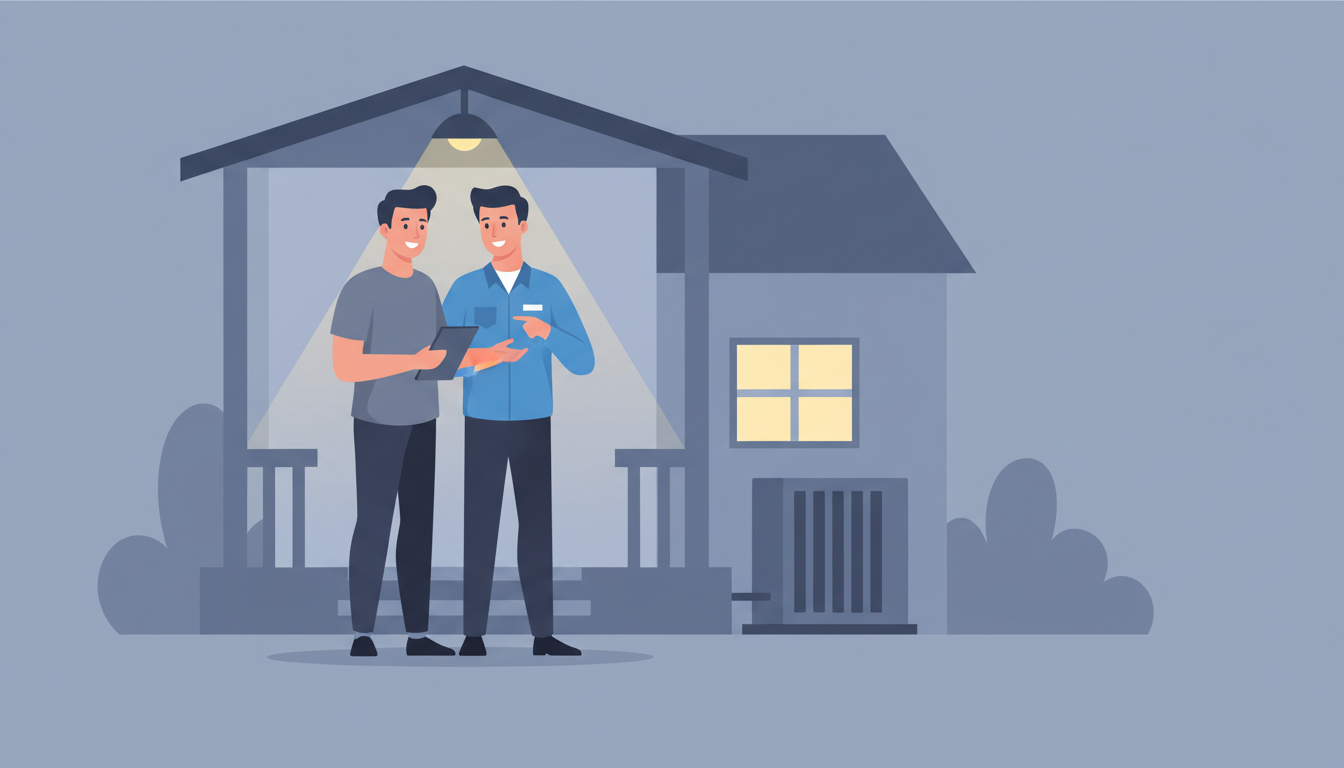
After-Hours HVAC Service: What to Ask Before Booking a Technician
Your air conditioning dies at 11 PM on the hottest night of summer. Your furnace quits at 2 AM when it's freezing outside. These after-hours HVAC emergencies happen when you least expect them, and you need help fast. But before you frantically call the first 24/7 HVAC service you find online, take a breath. Asking the right questions before booking an emergency technician can save you hundreds of dollars, prevent contractor scams, and ensure you get reliable service when you need it most.
Why After-Hours HVAC Service Requires Extra Caution
Emergency HVAC calls are high-pressure situations. You're uncomfortable, it's late, and you just want your system fixed. Unfortunately, some contractors take advantage of this desperation by charging excessive fees or performing unnecessary repairs. According to industry data, emergency service calls can cost 50-200% more than regular business hours, making it critical to understand exactly what you're paying for before a technician shows up at your door.
The key to protecting yourself is preparation. By knowing which questions to ask and what red flags to watch for, you can confidently book after-hours HVAC service that's both trustworthy and fairly priced.
Essential Questions About Response Time and Availability
How Quickly Can You Arrive?
When you call for after-hours HVAC service, the first question should be about response time. A legitimate 24/7 service should give you a specific timeframe, not vague promises. Ask: "What is your typical response time for after-hours emergencies in my area?"
Quality emergency HVAC companies typically arrive within 1-3 hours for true emergencies. If they can't commit to a timeframe or say "sometime tomorrow," that's not genuine after-hours service. Make sure they clarify whether they have technicians actively on call or if they're just taking messages to return the next business day.
Do You Have Technicians On-Call Right Now?
This is crucial. Some HVAC companies advertise "24/7 service" but only offer an answering service that takes messages. Ask directly: "Do you have certified technicians available and on-call right now who can come to my home tonight?"
You want confirmation that a qualified technician—not just a dispatcher—is available immediately. If they hesitate or need to "check with someone," consider that a warning sign.
What Geographic Area Do You Actually Service After Hours?
Just because a company services your area during business hours doesn't mean they cover it after hours. Emergency service areas are often more limited. Ask: "Do you provide after-hours service to my specific ZIP code or neighborhood?"
Some contractors will accept your call and then subcontract to another company, adding markup and delays. Verify that they dispatch their own technicians to your location, not a third party.
Critical Questions About Pricing and Fees
What Are Your After-Hours Service Fees?
After-hours HVAC service costs more than daytime appointments, but you deserve transparency. Ask for a complete breakdown: "What are your after-hours fees, and how much more do they add to your standard rates?"
Expect to pay premium rates—typically 1.5x to 2x regular pricing—for nights, weekends, and holidays. However, reputable companies will explain their fee structure upfront. Be wary of contractors who refuse to discuss pricing until they arrive.
Is There a Trip Charge or Diagnostic Fee?
Many emergency HVAC services charge a trip charge (sometimes called a service call fee) just to send a technician to your home. This typically ranges from $89 to $200. Ask: "Do you charge a trip charge or diagnostic fee? Is it refundable if I proceed with repairs?"
Some companies waive the diagnostic fee if you approve the repair work. Others don't. Get this information before booking so there are no surprises on your bill.
Do You Provide a Written Estimate Before Starting Work?
Never let a technician start repairs without a written estimate. Ask: "Will you provide a detailed written estimate before beginning any repair work, and do I have the right to decline?"
Professional emergency HVAC technicians should diagnose the problem, explain what's wrong in plain language, and give you an itemized estimate that includes parts and labor. You should always have the option to decline expensive repairs and wait until business hours for a second opinion.
What Payment Methods Do You Accept for After-Hours Service?
Some after-hours services require payment upfront or only accept certain payment methods. Ask: "What payment methods do you accept, and when is payment due?"
Legitimate companies accept multiple payment forms—credit cards, checks, and sometimes financing. Be cautious of contractors who demand cash only or full payment before starting work. That's a red flag for potential scams.
Questions to Verify Credentials and Legitimacy
Are You Licensed and Insured?
This is non-negotiable. Ask: "Can you provide your HVAC contractor license number, and do you carry liability and workers' compensation insurance?"
Licensed contractors meet minimum training and safety standards. Insurance protects you if something goes wrong during the repair. Don't take their word for it—ask for proof of insurance and verify their license with your state licensing board before they arrive.
How Long Has Your Company Been in Business?
Fly-by-night operators often disappear after taking your money. Ask: "How long has your company been in business, and can you provide references or reviews?"
Check online reviews on Google, Yelp, and the Better Business Bureau. Companies with years of positive reviews and an established local presence are more trustworthy than brand-new operations with no track record.
Who Exactly Will Be Coming to My Home?
When you hire after-hours HVAC service, you should know who's entering your home at odd hours. Ask: "Will the technician be a company employee or a subcontractor? Can you provide their name and credentials?"
Employee technicians are typically better trained and accountable than subcontractors. Knowing the technician's name also adds a layer of security and professionalism to the service call.
Questions About the Repair Process and Timeline
What Do You Think the Problem Might Be Based on My Description?
Before the technician arrives, describe your symptoms and ask: "Based on what I'm telling you, what do you think might be wrong, and what's the typical repair timeline?"
Experienced dispatchers can often narrow down the issue over the phone. While they can't diagnose definitively without seeing the system, they should be able to give you a general idea of common causes and whether it's likely a quick fix or major repair. This helps you set realistic expectations.
Do You Carry Common Parts on Your Truck?
Nobody wants to wait days for parts during an emergency. Ask: "Do your emergency technicians carry common replacement parts on their trucks?"
Professional after-hours HVAC services stock frequently needed parts—capacitors, contactors, thermostats, and fuses—on their service vehicles. This means many repairs can be completed the same night instead of requiring a return visit.
What Happens If You Can't Fix It Tonight?
Sometimes repairs require parts that aren't available or problems that can't be safely fixed at night. Ask: "If you can't complete the repair tonight, what are my options?"
A reputable company should explain your alternatives: temporary solutions to get you through the night, scheduling a follow-up appointment, or helping you arrange temporary heating or cooling. They shouldn't leave you stranded without a plan.
Questions About Warranties and Guarantees
Do You Warranty After-Hours Repairs?
Emergency repairs should still come with guarantees. Ask: "What warranty do you provide on after-hours repairs, and does it cover both parts and labor?"
Standard warranties on HVAC repairs typically range from 30 days to one year. Make sure after-hours work isn't excluded from warranty coverage. Get warranty terms in writing before authorizing repairs.
What If the Problem Recurs Shortly After Repair?
Quality contractors stand behind their work. Ask: "If the same problem happens again within a few days, will you return without charging another service call fee?"
The answer should be yes. Reputable HVAC companies will return to address the same issue without additional trip charges if it recurs within a reasonable timeframe (usually 30 days).
Questions to Determine If You Really Need After-Hours Service
Is This Actually an Emergency?
Not every HVAC problem requires immediate after-hours service. Before calling, ask yourself: "Is this a genuine safety concern or just an inconvenience?"
True HVAC emergencies include:
- Complete heating failure in freezing temperatures (below 40°F)
- Complete cooling failure with vulnerable household members (elderly, infants, medical conditions)
- Gas leaks or burning smells
- Electrical issues or sparking
- Water leaks causing property damage
If it's just uncomfortable but not dangerous, you might save money by waiting until regular business hours. However, when dealing with emergency HVAC situations, knowing the difference between urgent and non-urgent issues is critical.
Have You Done Basic Troubleshooting?
Before paying premium after-hours rates, check these common issues yourself:
- Thermostat batteries (replace if dead)
- Air filter (replace if clogged)
- Circuit breakers (reset if tripped)
- Thermostat settings (ensure it's set to heat/cool mode)
- Outdoor unit (make sure it's not blocked or covered)
About 40% of "no heating" or "no cooling" service calls are resolved by these simple checks. If you're not sure what to check before calling a technician, our 24/7 AC repair triage checklist walks you through the basics.
Can You Safely Wait Until Morning?
If the problem isn't life-threatening, consider whether you can manage overnight with temporary solutions:
- Use space heaters or extra blankets for heating loss
- Use fans or stay in cooler rooms for cooling loss
- Close off unused rooms to conserve conditioned air
Waiting until business hours can save you 50-100% on after-hours fees. However, don't wait if you have vulnerable family members or if temperatures are extreme.
Red Flags to Watch For When Booking After-Hours Service
They Won't Give Pricing Information
If a company refuses to discuss their fee structure or says "we'll tell you when we get there," that's a major red flag. While they can't give a final repair cost without diagnosing the problem, they should absolutely disclose trip charges and hourly rates upfront.
They Require Full Payment Before Starting
Legitimate HVAC companies don't demand full payment before diagnosing the problem. Payment typically comes after repairs are complete and you're satisfied. Be extremely cautious of contractors asking for large upfront payments.
They Pressure You to Make Immediate Decisions
High-pressure sales tactics—like "this special price is only good tonight" or "your system will explode if you don't fix it now"—are manipulation techniques. Professional technicians present facts and let you make informed decisions.
They Can't Provide Licensing or Insurance Information
Any hesitation about providing license numbers or proof of insurance is an immediate disqualifier. Don't let unlicensed or uninsured contractors work on your HVAC system.
The Price Seems Too Good to Be True
If one company quotes $500 for the same repair that two other companies quoted $1,500 for, be skeptical. Extremely low prices often mean poor quality work, unlicensed technicians, or bait-and-switch tactics where the price increases once they arrive.
What to Have Ready When You Call
To get the most accurate information and fastest service when calling for after-hours HVAC service, have this information ready:
System Information:
- Type of system (central AC, heat pump, furnace, etc.)
- Age of equipment
- Brand and model number if accessible
Problem Description:
- What's not working (no heating, no cooling, strange noises, etc.)
- When it started
- Any unusual smells, sounds, or visible issues
- What you've already tried
Home Information:
- Your complete address and best contact phone number
- Whether you have pets that need to be secured
- Any access issues (locked gates, security systems, etc.)
Having this information ready helps dispatchers give you better service estimates and ensures technicians bring appropriate parts.
Following Up After the Service Call
After your after-hours HVAC repair is complete, protect yourself by:
Getting Documentation:
- Detailed invoice with all work performed
- Parts replaced (including part numbers)
- Warranty information
- Technician name and license number
Verifying the Repair:
- Test the system before the technician leaves
- Make sure all temperatures are returning to normal
- Confirm you understand any maintenance recommendations
Keeping Records:
- Save all paperwork and receipts
- Take photos of any major repairs
- Note the date and time of service
If you maintain your HVAC ducts properly and schedule regular maintenance, you can reduce the likelihood of future emergency calls.
Frequently Asked Questions
How much more expensive is after-hours HVAC service?
After-hours HVAC service typically costs 50-100% more than regular business hours. You'll usually pay premium hourly rates plus additional after-hours service fees. Trip charges for emergency calls range from $89-$200, and some companies charge double rates for late nights and holidays.
Can I negotiate after-hours HVAC pricing?
While base rates are usually non-negotiable, you can sometimes negotiate by getting multiple quotes, asking about senior or military discounts, or inquiring about payment plans. However, in true emergencies, your negotiating power is limited.
Should I hire the first 24/7 HVAC company I find online?
No. Even in emergencies, take 15-20 minutes to call 2-3 companies, compare their answers to the questions above, check online reviews, and verify licensing. The extra time spent finding a reputable contractor can save you hundreds of dollars and prevent fraud.
What if the after-hours technician says I need a full system replacement?
Unless there's an immediate safety hazard, never agree to full system replacement during an after-hours call. Ask for a temporary repair to get you through the night, then get multiple estimates during business hours for replacement decisions. Major investments shouldn't be made under emergency pressure.
Do after-hours HVAC repairs include warranties?
Reputable companies provide warranties on after-hours repairs just like daytime work. Standard warranties range from 30 days to one year on labor, with parts warranties varying by manufacturer. Always get warranty terms in writing before authorizing repairs.
Conclusion: Book After-Hours HVAC Service with Confidence
HVAC emergencies are stressful, but you don't have to accept the first technician who answers the phone. By asking the right questions about response time, pricing, credentials, and warranties, you can find trustworthy after-hours HVAC service at fair prices. Remember to verify licensing and insurance, get written estimates before approving work, and don't let high-pressure tactics force you into unnecessary repairs.
The 15 minutes you spend asking these questions before booking could save you from contractor scams, overcharges, and shoddy work. When your heating or cooling fails after hours, use this guide to find a qualified, honest technician who will treat you fairly—even at 2 AM.
Need reliable after-hours HVAC service? Take the time to ask these critical questions, verify credentials, and protect yourself from emergency service scams. Your comfort and your wallet will thank you.