Why Does My Air Handler Leak Water in Summer?
Why Does My Air Handler Leak Water in Summer?
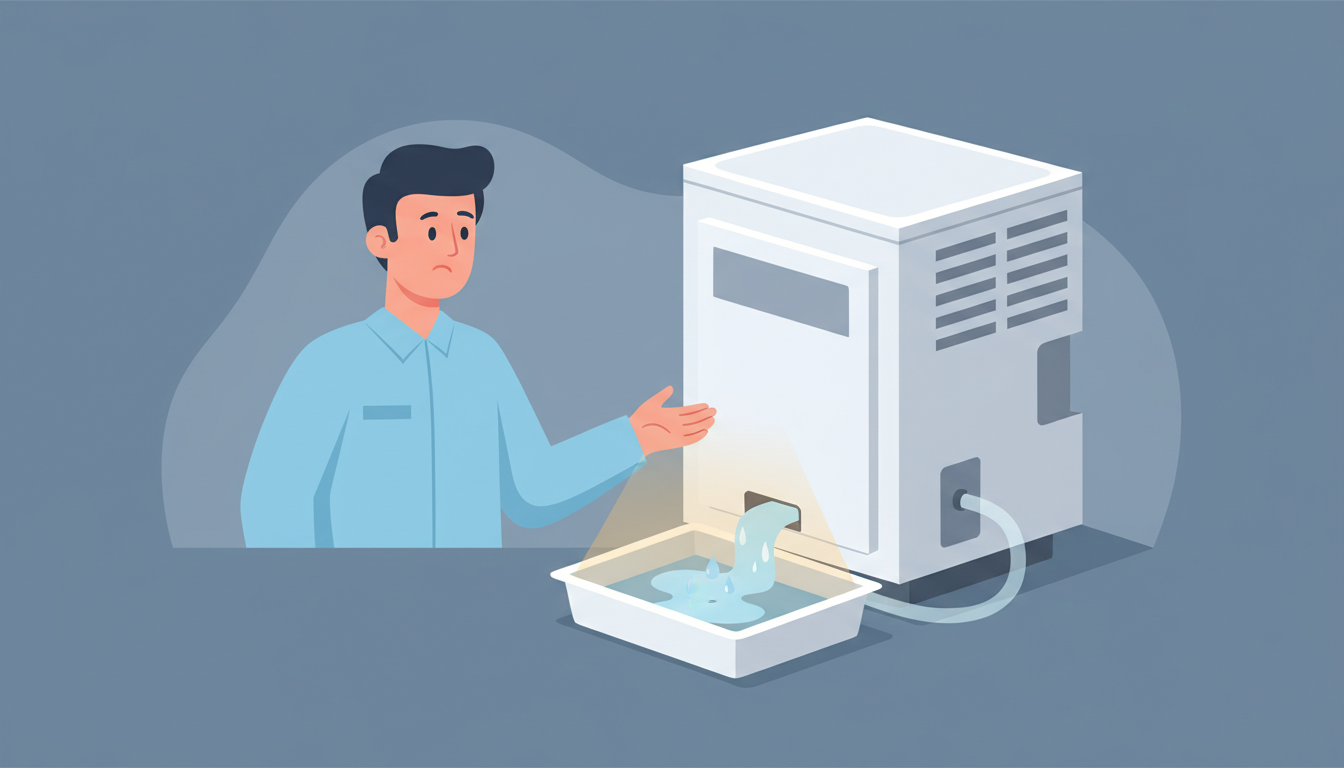
Is your air handler leaking water during the hottest months of the year? You're not alone. Summer is peak season for air handler water leaks, and discovering puddles around your HVAC system can be alarming. The good news is that most air handler leaks have identifiable causes and straightforward solutions. In this comprehensive guide, we'll walk you through exactly why your air handler leaks water in summer, what you can do about it, and how to prevent it from happening again.
Understanding Why Air Handlers Produce Water
Before we dive into the problems, it's important to understand that some water production is completely normal. Your air handler is part of your air conditioning system, and during the cooling process, it naturally creates condensation.
Here's how it works: When warm, humid air passes over the cold evaporator coil inside your air handler, moisture in the air condenses into water droplets—just like water forms on the outside of a cold glass on a hot day. This condensation drips into a drain pan and flows out through a condensate drain line.
During summer months, your AC system works overtime. Higher temperatures and humidity levels mean your air handler produces significantly more condensation than other times of the year. While this increased water production is normal, it puts extra stress on your drainage system—and that's when problems can occur.
Why Air Handler Leaks Are More Common in Summer
Summer creates the perfect storm for air handler water leaks. Here's why:
Increased AC Usage: Your system runs longer and more frequently during hot weather, producing gallons of condensation daily instead of the occasional drips during milder months.
High Humidity Levels: Humid summer air contains more moisture, which means more condensation forms on your evaporator coil. In extremely humid conditions, your air handler might produce 10-20 gallons of water per day.
System Overwork: Continuous operation during peak cooling season can strain components, accelerate wear on drain pans, and cause existing small issues to become major problems.
Algae and Mold Growth: Warm, moist conditions inside your condensate drain line create ideal conditions for algae, mold, and sludge buildup that can quickly clog your drainage system.
The 6 Most Common Causes of Air Handler Water Leaks in Summer
1. Clogged Condensate Drain Line
This is hands-down the most frequent culprit behind air handler leaks. Your condensate drain line is a PVC pipe that carries water away from your air handler. Over time, this line can become clogged with:
- Algae and mold growth
- Dust and debris
- Sludge buildup
- Dirt particles
When the drain line becomes blocked, water backs up into the drain pan and eventually overflows onto your floor or ceiling. During summer's heavy cooling season, even a partial blockage can cause problems because of the sheer volume of water your system produces.
Signs of a clogged drain line:
- Standing water in the drain pan
- Musty odors near your air handler
- Your overflow switch keeps tripping
- Visible water backing up from the drain line
2. Frozen Evaporator Coil
A frozen evaporator coil might seem counterintuitive during summer, but it's actually quite common. When your evaporator coil freezes, ice builds up on the coil. As this ice melts, it creates more water than your drain pan can handle, causing overflow and leaks.
Several factors can cause your coil to freeze:
Dirty Air Filters: When your air filter is clogged with dust and debris, it restricts airflow over the evaporator coil. Reduced airflow causes the coil temperature to drop below freezing, and ice begins to form.
Low Refrigerant Levels: A refrigerant leak or undercharged system causes pressure imbalances that make your evaporator coil freeze up.
Blocked Return Vents: Furniture or closed vents can restrict airflow, leading to the same freezing problem.
Dirty Evaporator Coil: Years of dust buildup on the coil itself restricts heat exchange and promotes freezing.
If you notice ice on your indoor unit or your air handler leaking water in summer after the system has been running for hours, a frozen coil is likely the problem. Learn more about HVAC system issues and repairs to understand how these components work together.
3. Damaged or Rusted Drain Pan
Your drain pan sits directly beneath the evaporator coil to catch condensation. Most air handlers have two drain pans—a primary pan built into the unit and a secondary overflow pan underneath as backup.
Over time, these metal pans can:
- Rust and develop holes
- Crack from age or impact
- Develop gaps at the seams
- Become misaligned
Drain pans typically last 10-15 years, so if your HVAC system is older, rust and corrosion become increasingly likely. Even a small crack can leak several gallons per day during peak summer use.
How to identify drain pan damage:
- Visible rust or corrosion
- Water pooling around the base of your air handler
- Stains or water marks on the pan
- Active dripping directly from the pan rather than the drain line
4. Malfunctioning Condensate Pump
If your air handler is located in a basement or crawlspace where gravity drainage isn't possible, you have a condensate pump that pushes water upward and out of your home. These pumps handle the increased summer workload, but they can fail.
Common condensate pump issues include:
- Pump motor burnout from overuse
- Float switch malfunction
- Clogged pump reservoir
- Power supply problems
- Worn impeller or pump components
When your condensate pump stops working during summer, the reservoir quickly fills with water and overflows. Many modern systems have a float switch that shuts down your AC when water levels get too high—an annoying but protective feature that prevents major water damage.
5. Disconnected or Improperly Installed Drain Line
Sometimes the problem isn't a clog but rather a drain line that's become disconnected, was never properly installed, or has developed gaps at connection points.
This is particularly common if you've recently had HVAC work done or if your system experiences vibration from the blower motor. The constant operation during summer can work loose connections that were already tenuous.
Check for:
- Visible gaps where drain line sections connect
- Drain line that has pulled away from the drain pan outlet
- Loose fittings or connections
- Improper pitch or slope that prevents drainage
6. Dirty Air Filter Causing System Problems
We mentioned dirty filters in the frozen coil section, but they deserve their own spotlight because they're such a common and preventable cause of summer leaks.
A dirty air filter creates a cascade of problems:
- Restricted airflow reduces system efficiency
- Your AC runs longer to reach the desired temperature
- Longer run times produce more condensation
- Reduced airflow over the coil can cause freezing
- Ice melt overwhelms your drainage system
During cooling season, your air filter works overtime trapping dust, pollen, pet dander, and other particles. What might be a 90-day filter during spring could need replacement every 30-45 days in summer.
What to Do When Your Air Handler Is Actively Leaking
If you discover water actively leaking from your air handler, take these immediate steps:
1. Turn Off Your System: Switch your thermostat to "OFF" or turn off the circuit breaker for your HVAC system. Continuing to run a leaking air handler can cause extensive water damage to your home and potentially damage the unit itself.
2. Clean Up Standing Water: Use towels, a mop, or a wet vacuum to remove water immediately. This prevents damage to flooring, drywall, insulation, and personal belongings.
3. Check Your Air Filter: If it's dirty, replace it immediately. Sometimes this simple fix is all that's needed.
4. Inspect the Drain Pan: Look for standing water in the drain pan. If it's full but not draining, you likely have a clogged drain line.
5. Locate the Condensate Drain Line: Follow the PVC pipe from your air handler to where it exits your home. Check for obvious clogs or disconnections.
6. Call a Professional: For problems beyond a simple filter change, contact an HVAC technician. For expert guidance on HVAC system leaking water, professional diagnosis ensures you address the root cause.
DIY Fixes vs. When to Call a Professional
Some air handler leak problems you can tackle yourself, while others require professional expertise.
DIY-Friendly Repairs:
Replace Air Filters: Anyone can do this. Check your filter monthly during summer and replace when dirty.
Clear Simple Drain Line Clogs: If you have access to your drain line's cleanout port, you can try:
- Pouring a cup of white vinegar down the drain line (kills algae)
- Using a wet/dry vacuum to suction out clogs from the drain line exit
- Flushing with water after clearing
Clean Accessible Drain Pan: Wipe out standing water and debris from the secondary drain pan if you can reach it safely.
Check for Obvious Disconnections: If you can see a disconnected drain line and safely reconnect it, that's a simple fix.
Call a Professional For:
- Frozen evaporator coils (may indicate refrigerant leak)
- Drain pan replacement
- Condensate pump repair or replacement
- Refrigerant leaks or recharging
- Internal component problems
- Leaks you can't locate or diagnose
- Persistent problems after attempting DIY fixes
Get more information about causes of water around furnace and air handler to understand when professional intervention is necessary.
How Much Does It Cost to Repair an Air Handler Water Leak?
Repair costs vary depending on the underlying cause:
- Air filter replacement: $15-$40 (DIY)
- Drain line cleaning: $75-$200 (professional)
- Condensate pump replacement: $150-$400
- Drain pan replacement: $200-$600
- Evaporator coil cleaning: $100-$400
- Refrigerant leak repair: $200-$1,500 depending on location and severity
Regular maintenance is far less expensive than emergency repairs. An annual HVAC tune-up typically costs $80-$150 and can prevent most of these problems before they cause water damage.
Preventing Air Handler Leaks During Summer
Prevention is always easier and cheaper than repairs. Follow these maintenance tips to keep your air handler leak-free all summer long:
Monthly Maintenance:
Check and Replace Air Filters: During peak cooling season, inspect your filter monthly. Replace when it looks dirty or at minimum every 60 days.
Inspect Your Drain Pan: Look for standing water, rust, or debris. A dry drain pan indicates proper drainage.
Pour Vinegar Down the Drain Line: Once monthly, pour a cup of white vinegar into your drain line through the cleanout port or access point. This kills algae before it becomes a clog.
Check for Condensation: Some condensation on your drain line is normal, but excessive moisture or frost indicates a problem.
Seasonal Maintenance:
Schedule Annual Professional Service: Have an HVAC technician inspect your system before cooling season begins. They'll:
- Clean your evaporator coil
- Check refrigerant levels
- Inspect the drain pan for damage
- Thoroughly clean the condensate drain line
- Test the condensate pump
- Verify proper system operation
Clean Around Your Air Handler: Keep the area around your indoor unit clean and unobstructed to ensure proper airflow.
Inspect Your Ductwork: Leaky ducts can reduce system efficiency and cause your AC to run longer, producing more condensation.
Installation Best Practices:
If you're installing a new HVAC system or replacing components:
- Ensure proper drain line slope for gravity drainage
- Install a secondary drain pan with an emergency drain line
- Add a float switch that shuts down your system if water backs up
- Consider a condensate pump alarm for early warning
- Use quality materials that resist corrosion
Early Warning Signs Your Air Handler Might Leak
Don't wait for puddles to appear. Watch for these warning signs that indicate a leak may be developing:
- Musty odors near your air handler or from your vents
- Increased humidity in your home despite AC running
- Overflow switch tripping repeatedly
- Reduced cooling performance as frozen coils or clogs affect efficiency
- Unusual sounds like gurgling in drain lines or dripping sounds
- Water stains on ceiling, walls, or flooring near your air handler
- Visible mold or mildew around the unit
- Higher than normal energy bills indicating system strain
Addressing these early warning signs promptly can prevent major leaks and expensive water damage.
The Health Risks of Ignoring Air Handler Leaks
Beyond property damage, air handler water leaks pose real health risks:
Mold and Mildew Growth: Water leaks create perfect conditions for mold growth. Mold spores circulate through your home via your ductwork, aggravating allergies, asthma, and respiratory conditions.
Poor Indoor Air Quality: Standing water and moisture promote bacterial growth, dust mites, and other allergens that compromise the air you breathe.
Structural Damage: Persistent water exposure weakens drywall, insulation, and structural wood, potentially creating unsafe conditions and expensive repairs.
Pest Attraction: Moisture attracts insects and pests that thrive in damp environments.
These health concerns are especially important during summer when you spend more time indoors with windows closed and your AC running.
Understanding Your Air Handler's Drainage System
Knowledge is power when it comes to preventing and diagnosing leaks. Here's what you should know:
Primary Drain Pan: Built into your air handler directly beneath the evaporator coil. This catches the initial condensation.
Primary Drain Line: A PVC pipe (usually 3/4" or 1" diameter) that carries water from the primary drain pan to the outside of your home or to a drain.
Secondary Overflow Pan: An auxiliary pan positioned under the entire air handler as a backup. This catches overflow if the primary drainage system fails.
Secondary Drain Line: Connected to the overflow pan, this line typically exits in a noticeable location (like above a window or door) to alert you to problems.
Float Switch: A safety device that detects rising water levels and shuts down your AC to prevent overflow and damage.
Condensate Pump: If your air handler is below grade (basement/crawlspace), a small pump moves water upward for disposal.
Understanding these components helps you communicate clearly with HVAC technicians and make informed decisions about repairs.
Frequently Asked Questions
How much water should my air handler produce in summer?
Your air handler typically produces 5-20 gallons of condensation per day during peak summer months, depending on humidity levels, system size, and runtime. Higher humidity means more condensation. This water should drain away completely—none should remain in your drain pan.
Can I run my AC if my air handler is leaking water?
No. Turn off your system immediately if you discover active leaking. Continuing to operate a leaking air handler can cause extensive water damage to your home, promote mold growth, and potentially damage the unit itself. Address the leak before resuming normal operation.
How often should I clean my condensate drain line?
During cooling season, pour a cup of white vinegar down your drain line monthly to prevent algae growth. Schedule professional drain line cleaning and system maintenance annually before summer begins.
Is it normal to see water dripping from my air handler?
No. Water should drain away through the condensate drain line—you shouldn't see any dripping from the air handler cabinet itself. Visible dripping indicates a problem with your drainage system that needs immediate attention.
Why does my air handler only leak at night?
Nighttime leaks often occur because your system has been running all day, and any drainage issues become apparent after hours of operation. Alternatively, if your thermostat is set lower at night, your AC may run more continuously, overwhelming a partially clogged drain system.
Take Action Before Summer Leaks Start
Don't wait for puddles to appear before taking action. Air handler water leaks in summer are preventable with proper maintenance and early intervention when warning signs appear.
Schedule your annual HVAC maintenance now, replace your air filter regularly, and keep an eye on your system's performance throughout the cooling season. By understanding why your air handler leaks water in summer and how to prevent it, you'll enjoy reliable, efficient cooling all season long—without the stress and expense of water damage.
If you're experiencing an air handler leak or want professional preventive maintenance, contact a qualified HVAC technician today. The small investment in proper maintenance pays dividends in comfort, efficiency, and peace of mind throughout the hottest months of the year.