Why Airflow Checks Belong in Every HVAC Tune-Up
Why Airflow Checks Belong in Every HVAC Tune-Up
You schedule your annual HVAC tune-up, the technician shows up, and you assume everything's getting checked. But here's what most homeowners don't realize: airflow checks are the single most revealing test your HVAC system can get—and some technicians skip them entirely.
Poor airflow silently destroys HVAC systems every day. It forces your equipment to work harder, drives up energy bills by 15-30%, and can shave years off your system's lifespan. Yet many tune-ups focus only on cleaning filters and checking refrigerant while ignoring the airflow that makes everything else work.
Let's explore why airflow checks deserve a permanent spot in every HVAC maintenance visit—and what you're missing if they're not included.
What Is an HVAC Airflow Check?
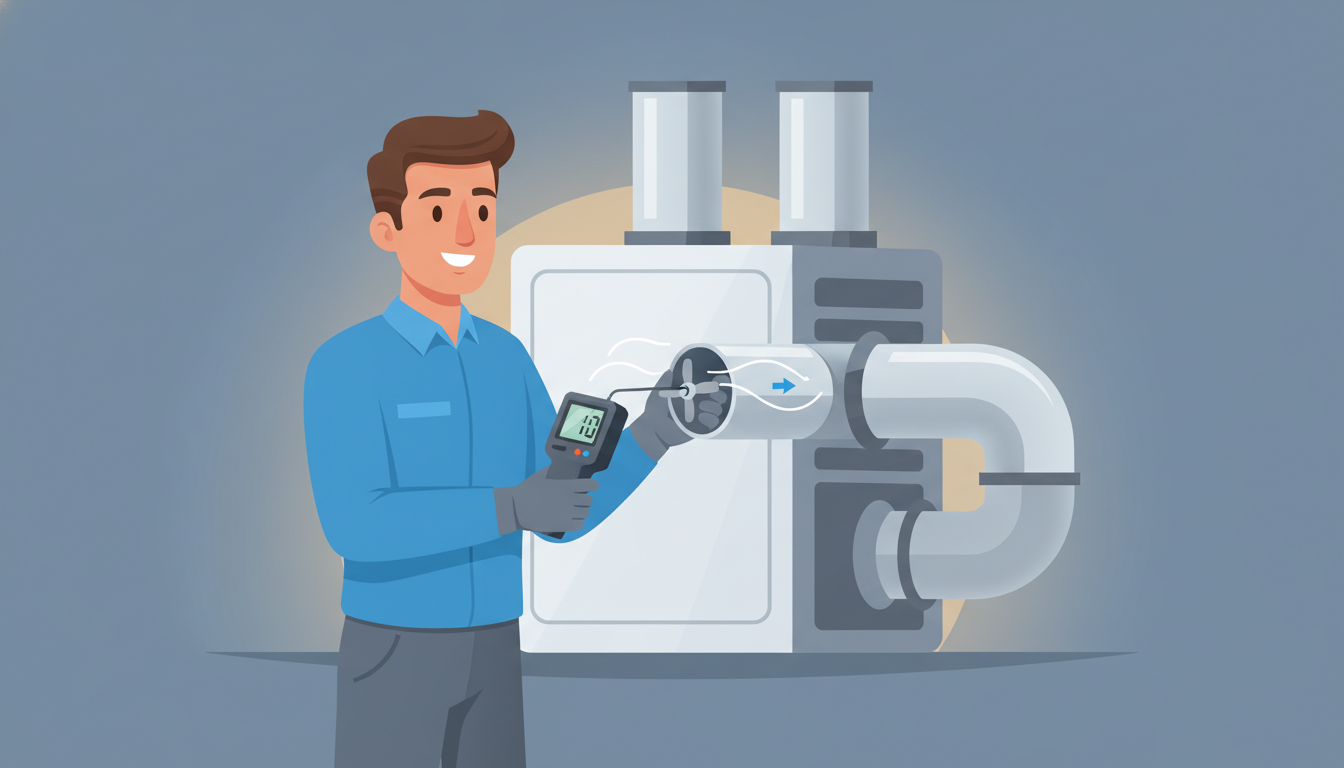
An HVAC airflow inspection is a diagnostic test where technicians measure how much air your system moves throughout your home. Using specialized tools, they check if your system delivers the right volume of conditioned air to each room.
Professional technicians measure airflow in CFM (cubic feet per minute) and compare it against your system's designed capacity. They also test static pressure—the resistance air faces as it moves through your ductwork—to identify hidden restrictions.
This isn't just about checking if air comes out of your vents. It's about verifying that your entire HVAC system operates at its intended capacity, with balanced distribution throughout your home.
Why Airflow Matters More Than You Think
Your HVAC system is designed around specific airflow requirements. When airflow drops below those levels, everything falls apart—sometimes literally.
The Domino Effect of Poor Airflow
Restricted airflow triggers a cascade of problems:
- Frozen evaporator coils: Insufficient air across the coil causes temperatures to drop below freezing, forming ice that blocks even more airflow
- Compressor failure: Your compressor can overheat when refrigerant can't absorb enough heat from passing air, leading to expensive repairs
- Uneven temperatures: Rooms farthest from your air handler get weak airflow, creating hot and cold spots throughout your home
- Increased energy consumption: Your system runs longer cycles trying to reach thermostat settings, spiking your utility bills
According to HVAC maintenance research, dirty filters alone can reduce airflow by up to 15%, forcing your blower motor to work harder and consume more energy with every cycle.
What Causes Airflow Problems?
Multiple culprits can strangle your system's airflow:
- Clogged air filters - The most common cause, restricting air before it enters your system
- Dirty coils - Dust buildup on evaporator and condenser coils blocks air passage
- Duct leaks - Gaps and holes in ductwork waste 20-30% of conditioned air before it reaches your rooms
- Blocked vents - Furniture, curtains, or closed registers prevent proper air circulation
- Failing blower motor - A worn motor can't push air with enough force
- Undersized or crushed ductwork - Physical restrictions limit how much air can flow through
Many of these issues develop gradually, so you might not notice the decline until your system starts breaking down. That's exactly why regular HVAC maintenance catches problems before they become expensive emergencies.
How Technicians Measure Airflow During Tune-Ups
Professional airflow checks involve more than holding a hand near a vent. Skilled technicians use precision instruments to get accurate measurements.
Static Pressure Testing
Static pressure testing measures the resistance air encounters moving through your ductwork. Technicians drill small holes in your supply and return ducts, insert manometer probes, and record pressure readings.
High static pressure indicates restrictions somewhere in your system—crushed ducts, closed dampers, or severe blockages. Low static pressure might mean duct leaks or an oversized system.
Your HVAC system has a manufacturer-specified static pressure range. Readings outside that range signal problems that need addressing.
Airflow Measurement with Anemometers
Technicians use anemometers to measure air velocity at your vents in feet per minute (FPM). By multiplying velocity by vent size, they calculate CFM for each room.
This reveals imbalanced airflow—like one bedroom getting strong airflow while another barely gets any. Proper HVAC airflow balance ensures even comfort throughout your home.
Temperature Differential Testing
Temperature split testing measures the difference between supply and return air temperatures. For cooling systems, the ideal split is typically 14-20°F. For heating, it's 30-50°F.
A temperature differential outside these ranges often indicates airflow problems, even when everything else looks normal. It's one of the most reliable diagnostic tools technicians have.
Signs Your HVAC System Has Airflow Problems
You don't need professional equipment to suspect airflow issues. Watch for these warning signs between tune-ups:
Weak Air From Vents
If air barely trickles from your vents, your system isn't moving enough air. This is the most obvious sign homeowners notice, and it demands immediate attention.
Weak airflow from vents typically stems from clogged filters, dirty blower wheels, or duct restrictions. Don't ignore this symptom—it's your system crying for help.
Hot and Cold Spots Throughout Your Home
Some rooms feel comfortable while others stay stuffy or cold? That's unbalanced airflow. Your system might be working fine, but air isn't reaching every space as designed.
Professional airflow checks identify which rooms get starved of conditioned air and why. Sometimes the fix is as simple as adjusting dampers or opening closed vents.
Your System Runs Constantly
When your HVAC system struggles to reach thermostat settings, it runs longer and longer cycles. Insufficient airflow prevents adequate heating or cooling, forcing your equipment to work overtime.
Extended run times waste energy and accelerate wear on critical components like your compressor and blower motor.
Unusual Noises From Your HVAC System
Whistling, rattling, or whooshing sounds often signal airflow restrictions. High static pressure can create whistling at duct connections. Loose blower wheels rattle as they struggle to move air.
These noises tell you something's wrong with air movement through your system—exactly what airflow checks are designed to detect.
Rising Energy Bills Without Explanation
Your energy bills climbing despite similar usage patterns? Restricted airflow forces your system to work harder, consuming 15-30% more electricity than necessary.
An airflow inspection during your tune-up can pinpoint why your system has become inefficient before costs spiral out of control.
What Happens During a Complete Airflow Inspection
Professional airflow checks cover multiple aspects of your HVAC system's air distribution. Here's what thorough technicians include:
Filter and Vent Inspection
Technicians start with the basics—checking your air filter condition and verifying vents aren't blocked by furniture or debris. Even expensive tune-ups can't fix problems caused by a $15 filter you forgot to change.
They'll inspect all supply and return vents, ensuring they're open and unobstructed. This simple check often reveals why certain rooms feel uncomfortable.
Blower Motor and Fan Assessment
Your blower motor does the heavy lifting of moving air through your system. Technicians inspect the motor, fan belt, and blower wheel for wear, dirt buildup, and proper operation.
A dirty blower wheel can reduce airflow significantly. Cleaning this component alone can restore substantial air circulation, improving comfort and efficiency.
Ductwork Examination
Leaky ducts are silent energy thieves. During airflow checks, technicians look for visible duct damage, loose connections, and gaps where conditioned air escapes.
Professional duct testing can reveal leaks you'll never see—in crawl spaces, attics, and wall cavities. Sealing these leaks can recover 20-30% of lost airflow.
Coil Condition Check
Dirty evaporator and condenser coils restrict airflow and reduce heat transfer efficiency. Technicians inspect both coils during tune-ups, cleaning them as needed.
Clean coils allow maximum air passage while improving your system's ability to heat and cool effectively. This maintenance task directly supports proper airflow.
Static Pressure and CFM Measurements
The most critical part of an airflow check involves measuring actual system performance with precision instruments. These objective measurements reveal problems you can't see or feel.
Static pressure readings show if your ductwork restricts airflow. CFM measurements confirm your system delivers adequate air volume for your home's size and layout.
The Benefits of Regular Airflow Checks
Including airflow inspections in every HVAC tune-up delivers multiple advantages that protect your investment and comfort.
Prevent Expensive Breakdowns
Airflow problems cause some of the most expensive HVAC failures. Frozen coils, compressor damage, and heat exchanger cracks often trace back to restricted air circulation.
Catching airflow issues during routine maintenance prevents these catastrophic failures. An annual tune-up costs a fraction of major HVAC repairs caused by neglected airflow problems.
Maximize Energy Efficiency
Proper airflow allows your HVAC system to operate at peak efficiency. Your equipment reaches temperature settings faster, runs shorter cycles, and consumes less energy.
Homeowners often see 10-15% reductions in energy bills after addressing airflow restrictions found during tune-ups. Over your system's lifespan, that's thousands in savings.
Extend Equipment Lifespan
HVAC systems with good airflow experience less wear and tear. Motors don't strain, compressors don't overheat, and components last years longer than in systems with chronic airflow problems.
The difference between a system lasting 10 years versus 15-20 years often comes down to consistent maintenance that includes airflow verification.
Improve Indoor Air Quality
Strong airflow helps your system filter more air more effectively. It prevents stagnant pockets where dust, allergens, and humidity accumulate.
Poor airflow creates conditions where mold and mildew thrive, especially in humid climates. Maintaining proper air circulation protects your home's air quality and your family's health.
Ensure Consistent Comfort
Balanced airflow eliminates hot and cold spots, delivering even temperatures throughout your home. Every room stays comfortable instead of some feeling perfect while others remain miserable.
This comfort consistency is why people invest in whole-home HVAC systems in the first place. Airflow checks ensure you get what you paid for.
How Often Should Airflow Be Checked?
Most HVAC professionals recommend checking airflow at least annually during your scheduled tune-up. Homes in dusty environments, those with pets, or older systems might benefit from twice-yearly checks.
Spring and fall represent ideal times for HVAC maintenance. Schedule cooling system tune-ups in spring and heating system checks in fall, ensuring airflow gets verified before each season's heavy use.
If you notice any warning signs between scheduled tune-ups—weak airflow, unusual noises, rising bills—don't wait. Request an immediate airflow inspection to prevent minor issues from becoming major repairs.
DIY Airflow Maintenance Between Professional Tune-Ups
While professional airflow testing requires specialized equipment, you can support good airflow with simple maintenance:
- Change filters monthly during heavy use seasons (summer and winter)
- Keep vents open and unblocked in all rooms, even ones you rarely use
- Clean return air grilles quarterly to remove dust buildup
- Check outdoor unit clearance seasonally, removing debris and vegetation within 2 feet
- Listen for unusual sounds that might indicate airflow restrictions developing
These basic tasks don't replace professional airflow checks, but they help maintain the improvements your technician makes during tune-ups.
What to Ask Your HVAC Technician
Not all tune-ups include comprehensive airflow testing. When scheduling maintenance, ask these specific questions:
- "Do you measure static pressure as part of the tune-up?"
- "Will you test airflow at individual vents?"
- "Do you check temperature differential across the coils?"
- "What tools do you use for airflow measurement?"
- "Will I receive written airflow measurements in my report?"
Professional technicians should answer these questions confidently and explain how airflow testing protects your system. Vague responses might indicate a basic tune-up that misses critical diagnostic checks.
The Cost of Skipping Airflow Checks
Saving $50-100 on a cheaper tune-up that skips airflow testing often costs thousands later. Here's what you risk:
- Compressor replacement: $1,500-2,500 for failures caused by restricted airflow
- Coil replacement: $600-2,000 when frozen coils crack from chronic airflow problems
- Complete system replacement: $5,000-10,000+ when neglected issues destroy your equipment years early
- Energy waste: Hundreds per year in excess utility costs from inefficient operation
Professional airflow checks during annual maintenance catch these problems while they're still inexpensive to fix. That's preventive maintenance delivering real value.
Frequently Asked Questions
How long does an airflow check take during a tune-up?
A thorough airflow inspection adds 15-30 minutes to a standard tune-up. Technicians need time to set up pressure testing equipment, measure multiple vents, and document findings. This extra time provides valuable diagnostic information you can't get from visual inspections alone.
Can I check my HVAC airflow myself?
You can perform basic checks—feeling vent output strength, changing filters, ensuring vents stay open—but accurate airflow measurement requires specialized equipment like manometers and anemometers. Professional testing provides objective data about system performance that guides proper repairs.
What's considered good airflow for an HVAC system?
Residential HVAC systems typically need 400 CFM per ton of cooling capacity. A 3-ton system should move about 1,200 CFM. Static pressure should stay within the manufacturer's specified range, usually 0.5 inches of water column or less. Your technician can verify if your specific system meets these targets.
Do ductless mini-splits need airflow checks too?
Yes, though the process differs. Ductless systems still need clean filters, unobstructed indoor units, and proper airflow across coils. Technicians check that fans operate correctly and nothing blocks air intake or output. While there's no ductwork to test, the air handling components still require verification.
What if my airflow test reveals problems?
Your technician should explain findings, recommend specific repairs, and prioritize issues by urgency. Some fixes are immediate (changing clogged filters, cleaning dirty coils), while others require separate service (sealing duct leaks, replacing failing motors). Get written estimates for recommended work and ask how each repair improves airflow.
Conclusion: Make Airflow Checks Non-Negotiable
Your HVAC system depends on proper airflow to function efficiently, reliably, and cost-effectively. Skipping airflow checks during tune-ups is like getting an oil change without checking the engine—you're missing the most important diagnostic opportunity.
When you schedule your next HVAC maintenance, verify that airflow testing is included. Ask about static pressure measurements, CFM verification, and temperature differential testing. These checks reveal hidden problems before they cause expensive failures.
Ready to ensure your HVAC system gets the complete tune-up it deserves? Don't settle for basic maintenance that skips critical airflow checks. Proper airflow testing protects your equipment, lowers your energy bills, and keeps every room in your home comfortable year-round. Schedule a comprehensive HVAC tune-up that includes professional airflow inspection—your system will thank you with years of reliable performance.