Why Airflow Matters So Much in Heat Pump Performance
Why Airflow Matters So Much in Heat Pump Performance
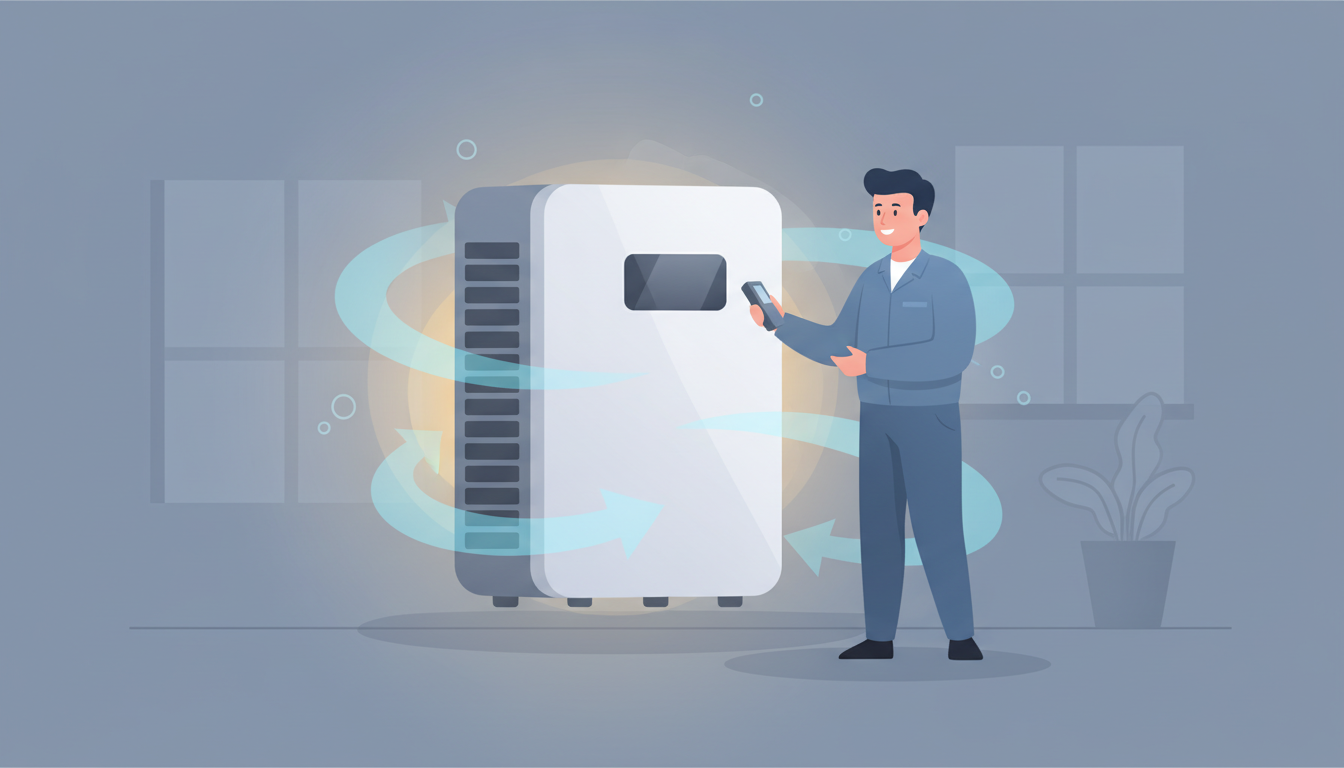
If your heat pump is struggling to keep your home comfortable, the problem might not be what you think. While most homeowners immediately suspect refrigerant leaks or failing compressors, the real culprit is often much simpler: restricted airflow. Proper airflow isn't just a nice-to-have feature—it's the foundation of heat pump efficiency, performance, and longevity.
Understanding Heat Pump Airflow Requirements
Heat pumps operate differently than traditional furnaces, and their airflow needs reflect that difference. Unlike a gas furnace that blasts air at 120-140°F, your heat pump delivers air at a much cooler 90-95°F. This temperature difference means your system needs to move significantly more air to heat your home effectively.
How Much Airflow Does Your Heat Pump Need?
Industry standards recommend approximately 400-500 cubic feet per minute (CFM) of airflow per ton of cooling capacity. For a typical 3-ton residential heat pump, that translates to 1,200-1,500 CFM of air moving through your system.
When airflow drops below 350 CFM per ton, you'll notice immediate performance problems. Your system works harder, runs longer cycles, and still struggles to maintain your desired temperature. This isn't just uncomfortable—it's expensive.
The Science Behind Heat Pump Airflow
Understanding why airflow matters requires a quick look at how heat pumps actually work. Your system doesn't create heat or cold—it moves thermal energy from one place to another using refrigerant and two sets of coils.
The Heat Exchange Process
Inside your home, the evaporator coil absorbs heat from your indoor air during cooling mode (or releases heat during heating mode). Outside, the condenser coil does the opposite. This heat exchange only works efficiently when air flows freely across both coils.
When airflow is restricted, the refrigerant inside those coils can't absorb or release heat effectively. The system's pressure balance shifts, forcing your compressor to work outside its designed parameters. Think of it like trying to breathe through a straw—your lungs work harder but deliver less oxygen.
What Happens When Heat Pump Airflow Gets Restricted
Restricted airflow creates a cascade of problems that compound over time. What starts as a dirty air filter can spiral into thousands of dollars in repairs if left unchecked.
Immediate Performance Issues
The first thing you'll notice is reduced comfort. Rooms don't reach the thermostat setting, or the system runs constantly without achieving the desired temperature. Hot and cold spots develop throughout your home as airflow becomes uneven.
Your energy bills climb noticeably. Studies show that dirty coils, low refrigerant, and poor airflow can push energy costs up by 20-30%. For the average household, that's an extra $360-540 per year—money literally blown out your vents.
Long-Term Component Damage
Poor airflow doesn't just waste energy—it destroys equipment. Your blower motor strains against the restriction, overheating as it tries to push air through clogged filters or blocked ducts. Motors forced to work this hard typically fail years ahead of schedule.
The compressor faces even worse consequences. When airflow restriction alters refrigerant pressure, your compressor runs outside its safe operating range. Overheating becomes common, and the compressor's lifespan shortens dramatically. Replacing a failed compressor often costs as much as installing a new system.
The Frozen Coil Problem
One of the most visible signs of airflow trouble is ice formation on your coils. When warm air can't flow across the evaporator coil, the refrigerant inside gets too cold. Moisture in the air freezes on contact, building up layers of ice that block even more airflow.
This creates a vicious cycle. Ice blocks airflow, which makes the coil colder, which creates more ice. Eventually, your system stops working entirely. Many homeowners discover this problem during extreme weather—exactly when they need their heat pump most.
Common Causes of Poor Heat Pump Airflow
Airflow problems rarely happen overnight. They develop gradually as various components get dirty, damaged, or obstructed. Understanding these causes helps you prevent problems before they become expensive repairs.
Dirty or Clogged Air Filters
Air filters are your heat pump's first line of defense against dust, pet hair, pollen, and other airborne particles. But when filters become clogged, they transform from protective barriers into major airflow obstacles.
A heavily soiled filter can reduce airflow by 50% or more. Your system gasps for air, straining to pull even a fraction of the volume it needs through the blocked filter media.
Most HVAC professionals recommend checking your filter monthly and replacing it every 1-3 months, depending on your home's conditions. Homes with pets, smokers, or allergy sufferers need more frequent changes.
Blocked or Dirty Coils
Both your indoor evaporator coil and outdoor condenser coil need clean surfaces to exchange heat efficiently. Over time, dirt, pollen, grass clippings, and other debris coat these surfaces.
Outdoor coils face particular challenges. Cottonwood seeds, leaves, and lawn debris can pack around the unit, restricting airflow and coating the delicate aluminum fins. Even a thin layer of grime acts as insulation, preventing proper heat transfer and forcing your system to work harder for diminishing returns.
Indoor coils don't face outdoor debris, but they accumulate dust, pet dander, and household particles. When filters aren't changed regularly, this buildup accelerates.
Ductwork Problems and Static Pressure
Your ductwork forms the circulatory system of your HVAC setup. Leaky, damaged, or improperly sized ducts create resistance that chokes airflow throughout your home.
Static pressure measures the resistance air encounters moving through your ductwork. High static pressure indicates restrictions somewhere in the system—kinked flex ducts, closed dampers, undersized returns, or collapsed sections.
Leaky ducts waste conditioned air before it reaches your living spaces. The Department of Energy estimates that typical duct systems lose 20-30% of their airflow through leaks and poor connections. That's nearly one-third of your heating and cooling capacity disappearing into unconditioned spaces like attics and crawlspaces.
Blocked Vents and Registers
Sometimes the problem is as simple as furniture placement. Sofas pushed against supply vents, curtains hanging over returns, or area rugs covering floor registers all restrict the airflow your system depends on.
Each blocked vent reduces your system's ability to circulate air, increasing pressure throughout the ductwork and forcing your blower motor to work harder. Even partially blocked vents create problems over time.
Failing Blower Motors and Fan Issues
Your blower motor does the heavy lifting of moving air through your system. When bearings wear out, capacitors weaken, or the motor itself begins to fail, airflow suffers progressively.
You might hear unusual noises—squealing, grinding, or humming—as the motor struggles. Or you might notice that air from your vents feels weaker than normal. These are warning signs that shouldn't be ignored.
How to Identify Heat Pump Airflow Problems
Catching airflow issues early prevents minor inconveniences from becoming major failures. Watch for these telltale signs that your heat pump's airflow needs attention.
Warning Signs You Can See and Hear
Ice or frost on your indoor or outdoor coils is an obvious red flag. Visible ice always indicates a problem—either with airflow, refrigerant charge, or both.
Listen for changes in how your system sounds. Weak airflow from vents, whistling noises from ductwork, or unusual motor sounds all point to potential airflow restrictions.
Check your air filter regularly. If it looks gray, matted, or clogged before its scheduled replacement date, you have an airflow problem developing.
Performance Changes That Signal Trouble
Your heat pump suddenly runs longer cycles without reaching the thermostat setting. Rooms that were previously comfortable now feel too hot or too cold. Temperature differences between upstairs and downstairs become more pronounced.
Your energy bills climb without explanation. While seasonal variations are normal, a sudden 20-30% increase often indicates your system is working harder to compensate for reduced airflow.
The system struggles more during temperature extremes. If your heat pump can't keep up during cold snaps or heat waves, restricted airflow might be limiting its capacity.
Solutions for Improving Heat Pump Airflow
Most airflow problems have straightforward solutions, especially when caught early. Some fixes you can handle yourself, while others require professional help.
DIY Maintenance Tasks
Start with the simplest solution: replace your air filter. Use a quality pleated filter rated MERV 8-11 for the best balance of filtration and airflow. Avoid ultra-high MERV ratings unless your system was specifically designed for them—they can restrict airflow in standard residential systems.
Keep your outdoor unit clear. Remove leaves, grass clippings, and debris from around the condenser. Trim vegetation back at least 2 feet on all sides to ensure adequate airflow. Never stack items on or against your outdoor unit.
Check that all your vents and registers are open and unobstructed. Move furniture away from supply vents and ensure return air grilles have clear pathways.
When to Call a Professional
Some airflow problems require specialized tools and expertise. Coil cleaning should be handled by professionals who can safely access both indoor and outdoor coils without damaging the delicate fins.
Ductwork inspections and repairs need professional assessment. HVAC technicians use specialized cameras and pressure testing to identify leaks and restrictions you can't see.
If you've addressed the simple fixes but still experience poor airflow, a professional can measure actual CFM, test static pressure, and diagnose problems with blower motors, refrigerant charge, or system design.
The Cost of Ignoring Airflow Problems
Postponing airflow repairs might save money today, but it costs significantly more tomorrow. Understanding these costs helps put maintenance expenses in perspective.
Higher Energy Bills
As discussed earlier, restricted airflow can increase energy consumption by 20-30%. Over a year, that easily adds $300-600 to your utility bills. Spread across your system's lifespan, those costs dwarf the expense of regular maintenance.
Shortened Equipment Lifespan
A well-maintained heat pump typically lasts 15-20 years. Systems operating with chronic airflow problems often fail after just 8-12 years. When you consider that replacement costs run $5,000-12,000 or more, maintaining proper airflow becomes one of the smartest investments you can make.
Emergency Repairs vs. Preventive Maintenance
Emergency service calls during extreme weather command premium pricing—often 1.5-2 times standard rates. The repairs themselves cost more when components fail catastrophically instead of being replaced during routine maintenance.
Regular maintenance visits typically cost $100-200 annually. Emergency compressor replacement can easily run $2,000-4,000. Preventing repeat heat pump repair calls through proper airflow maintenance is always more cost-effective than emergency repairs.
Professional Airflow Testing and Optimization
While homeowners can handle basic maintenance, professional airflow optimization ensures your system performs at peak efficiency.
What HVAC Technicians Check
Professional technicians measure actual CFM using specialized instruments. They calculate static pressure at multiple points in your ductwork to identify restrictions. They inspect coils for cleanliness and damage, test blower motor performance, and verify proper refrigerant charge.
These measurements reveal problems invisible to homeowners. A system might seem to work fine while actually operating at 60-70% capacity due to multiple minor airflow restrictions.
Balancing Your System
Proper airflow isn't just about volume—it's about balance. Each room should receive the appropriate amount of conditioned air based on its size, exposure, and usage. HVAC professionals use dampers and airflow calculations to optimize distribution throughout your home.
Modern Heat Pump Technologies and Airflow
Today's advanced heat pump systems incorporate technologies that make them more sensitive to airflow issues—but also more efficient when properly maintained.
Variable-Speed Systems
Variable-speed heat pumps adjust their output to match your home's exact heating or cooling needs. They run at lower speeds for longer periods, providing better humidity control and more even temperatures.
These systems require precise airflow to operate correctly. Installation quality matters enormously—accurate refrigerant charge, balanced airflow, and optimized duct design are all critical for performance.
Smart Diagnostics
Many newer heat pumps include built-in diagnostic capabilities that monitor airflow, pressure, and performance. Some systems alert you to developing problems before they cause failures, allowing preventive maintenance instead of emergency repairs.
Creating an Airflow Maintenance Schedule
Consistent maintenance prevents most airflow problems before they impact your comfort or budget.
Monthly Tasks
Check your air filter visually. If it looks dirty, replace it regardless of the recommended schedule. During high-use seasons (summer and winter), monthly filter changes often make sense.
Walk around your outdoor unit and remove any debris that's accumulated. Check that landscaping hasn't grown too close to the unit.
Seasonal Tasks
Before cooling season begins each spring, clean the area around your outdoor unit thoroughly. Hose down the condenser coils gently from the inside out to remove winter debris.
Before heating season starts each fall, verify that all vents and registers are unobstructed. Check supply vents in particular, since summer furniture rearrangement might have blocked them.
Annual Professional Service
Schedule professional maintenance every year, ideally in spring before cooling season demands peak performance. Technicians should clean coils, check refrigerant charge, test airflow and static pressure, lubricate moving parts, and inspect electrical connections.
This annual investment typically costs $100-200 but prevents problems that would cost thousands to repair.
FAQ: Heat Pump Airflow Questions
How do I know if my heat pump has airflow problems?
Watch for ice on coils, weak air from vents, longer run times without reaching desired temperatures, unusual noises from the blower, and unexplained increases in energy bills. Any of these symptoms suggests restricted airflow that needs attention.
Can I clean heat pump coils myself?
Outdoor coil cleaning with a gentle spray from a garden hose is generally safe for homeowners, spraying from inside the unit outward to avoid pushing debris deeper into the fins. Indoor coil cleaning requires accessing your air handler and risks damaging delicate components—leave that to professionals.
How often should I change my heat pump air filter?
Check your filter monthly and replace it when it looks dirty. Most homes need replacements every 1-3 months depending on factors like pets, occupancy, and outdoor air quality. During peak heating and cooling seasons, monthly changes are often necessary.
Why does my heat pump freeze up?
Ice formation typically indicates restricted airflow across the evaporator coil, often from a dirty filter, blocked return air, or dirty coils. Low refrigerant can also cause freezing. Turn off your system and call a professional—running it with frozen coils causes additional damage.
Does ductwork design affect heat pump performance?
Absolutely. Undersized ducts, excessive bends, long runs, and poor connections all increase static pressure and reduce airflow. Heat pumps are particularly sensitive to duct design because they require higher airflow rates than traditional furnaces.
Conclusion: Protect Your Investment with Proper Airflow
Your heat pump represents a significant investment in home comfort and energy efficiency. Protecting that investment requires understanding that airflow isn't just a technical specification—it's the foundation of reliable performance.
The good news? Most airflow problems are preventable through simple, consistent maintenance. Change filters regularly, keep outdoor units clear, ensure vents stay unobstructed, and schedule annual professional service. These basic steps prevent the vast majority of airflow-related failures.
When problems do develop, address them promptly. That weak airflow from your vents or that climbing energy bill are warning signs, not minor inconveniences. Early intervention prevents expensive repairs and preserves your system's efficiency.
Don't wait for a complete system failure to prioritize airflow maintenance. Your comfort, your budget, and your heat pump's lifespan all depend on the air flowing freely through your system.
Ready to ensure your heat pump is performing at its best? Schedule a professional airflow inspection and tune-up today. Your system—and your wallet—will thank you.