
Why Airflow Testing Matters During HVAC Repair
Why Airflow Testing Matters During HVAC Repair
When your HVAC system breaks down, you want it fixed fast. But here's something most homeowners don't know: a quick repair without proper airflow testing could leave you with a system that still doesn't work right. Airflow testing during HVAC repair isn't just a nice extra—it's the difference between a job done right and one that leads to callbacks, higher energy bills, and premature system failure.
What Is Airflow Testing in HVAC Repair?
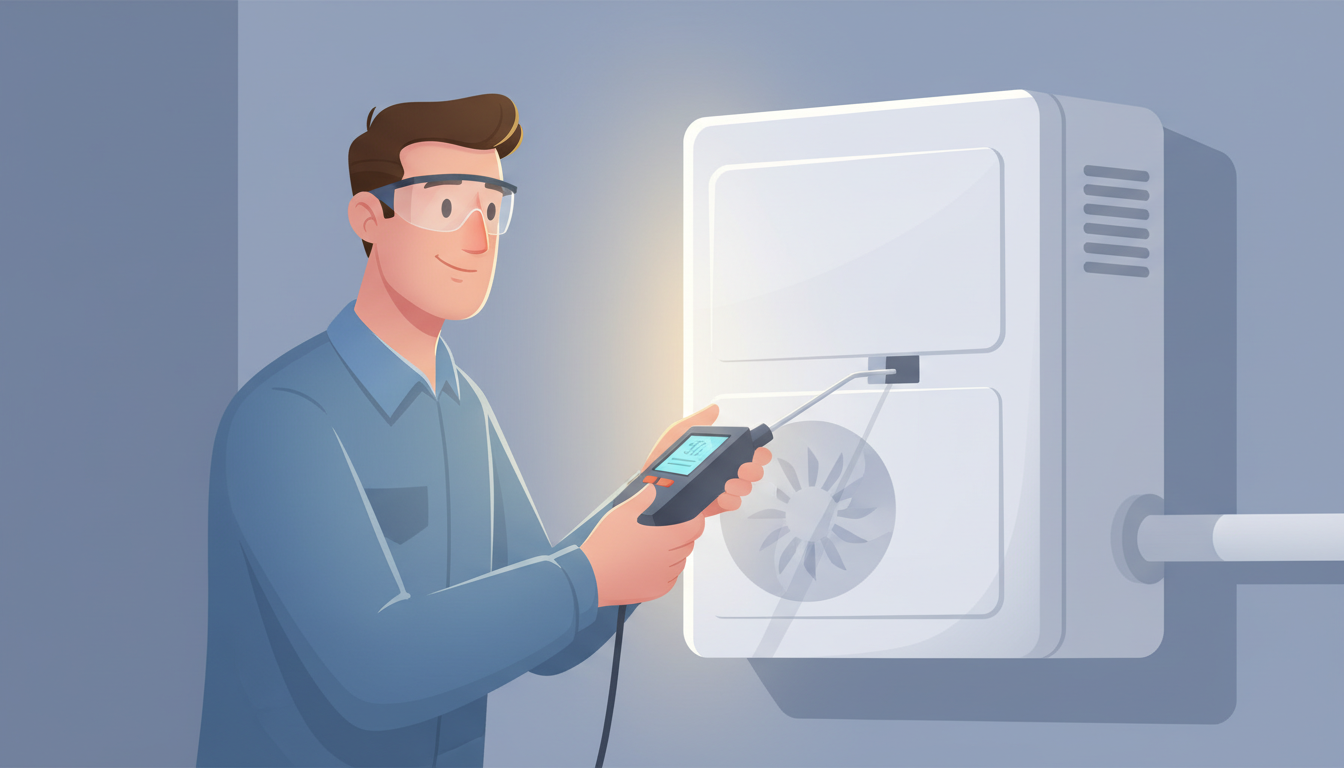
Airflow testing measures how efficiently air moves through your HVAC system. During a repair, technicians use specialized tools to check if your system is delivering the right amount of air to heat or cool your home effectively.
Think of it like checking your car's tire pressure after getting new brakes. Sure, the brakes work, but if the tire pressure is off, you're not getting optimal performance. The same principle applies to your HVAC system.
Professional technicians measure airflow in cubic feet per minute (CFM) and check static pressure throughout your duct system. These measurements tell them if your repaired system is actually performing as it should.
Why Most HVAC Repairs Require Airflow Testing
Here's the reality: many common HVAC repairs directly impact airflow. If your technician doesn't verify airflow after these repairs, they're basically guessing whether the job was successful.
Repairs That Absolutely Need Airflow Verification
Compressor Replacements: When a new compressor is installed, the entire refrigerant charge and system balance changes. Without airflow testing, you can't verify that the evaporator coil is receiving adequate air for proper heat exchange.
Blower Motor Repairs: This one seems obvious, but many techs skip verification. A new blower motor might spin just fine, but is it moving the right amount of air? Only testing will tell.
Ductwork Modifications: Cut into your ducts to add a new vent? Sealed some leaks? These changes dramatically affect system airflow and static pressure. Your HVAC repair should always include post-modification testing.
Evaporator Coil Cleaning or Replacement: A clean or new coil changes airflow resistance. Testing ensures the system compensates properly and maintains the right temperature differential.
The Hidden Costs of Skipping Airflow Testing
When technicians skip airflow testing during HVAC repair, you end up paying in ways you might not immediately notice.
Your Energy Bills Creep Up
A system with inadequate airflow works harder to maintain temperature. Your compressor runs longer cycles. Your blower motor strains against resistance. All of this adds up to 15-30% higher energy costs than a properly balanced system.
Your System Wears Out Faster
Poor airflow creates stress on every component. Your compressor overheats trying to move refrigerant through an evaporator coil that isn't getting enough air. Your blower motor burns out fighting against high static pressure. What should be a 15-year system becomes a 10-year system.
Comfort Problems Linger
Ever notice that one room stays hot while others freeze? That's often an airflow problem that wasn't caught during repair. Weak airflow from vents doesn't just happen randomly—it's usually the result of a repair done without proper verification.
Callbacks and Additional Repairs
Here's what quality HVAC contractors know: airflow testing during repair prevents callbacks. When they verify airflow before leaving your home, they catch problems immediately. When they skip it, you're calling them back in two weeks because "something still isn't right."
How Airflow Testing Works During a Repair Visit
Professional airflow testing isn't complicated, but it does require the right tools and know-how. Here's what should happen during your HVAC repair.
Static Pressure Measurements
Your technician should measure Total External Static Pressure (TESP) across your system. This reading tells them if air is moving freely or if there's excessive resistance somewhere in your ductwork.
Residential systems typically run between 0.3 to 0.5 inches of water column. Anything above 0.5 indicates a problem that will reduce efficiency and lifespan. Understanding why static pressure matters helps you appreciate this critical measurement.
Temperature Differential Testing (Delta T)
Your tech should measure the temperature of air going into your system versus air coming out. This Delta T measurement reveals whether your system is actually heating or cooling effectively.
For air conditioning, you want to see a 15-20 degree temperature drop. For heating, you're looking for a 40-70 degree rise. If these numbers are off after a repair, something isn't right.
CFM Verification at Supply Vents
Using a flow hood or anemometer, technicians can measure actual air volume at your supply vents. This confirms that your system is delivering the right amount of conditioned air to each room.
Most rooms need specific CFM levels based on their size. A bedroom might need 100-150 CFM, while a large living room might need 300-400 CFM. Testing ensures proper distribution.
System Capacity Verification
After major repairs, your system should be tested against its rated capacity. A 3-ton system should be moving approximately 1,200 CFM (400 CFM per ton). If it's not, the repair didn't fully address the problem.
Red Flags: Signs Your Tech Didn't Test Airflow
Not all HVAC contractors perform thorough airflow testing. Here's how to tell if you're getting shortchanged on your repair.
They're In and Out in 30 Minutes
Comprehensive airflow testing takes time. If your technician shows up, swaps a part, and leaves in under 30 minutes, they didn't test anything. A proper repair with testing typically takes 60-90 minutes minimum.
You Never See Them Use Testing Equipment
Airflow testing requires specific tools: manometers for pressure readings, anemometers or flow hoods for air velocity, and temperature probes for Delta T measurements. If you never see these tools, testing didn't happen.
No Discussion of Measurements or Results
Professional technicians who test airflow explain their findings. They'll tell you your static pressure readings, your CFM measurements, and whether everything is within acceptable ranges. Radio silence about numbers means testing was skipped.
The Bill Doesn't Itemize Testing
Quality contractors include airflow testing and diagnostics as line items on your invoice. If you see "parts and labor" with no mention of testing or diagnostics, ask questions.
What Happens When Airflow Testing Reveals Additional Problems
Sometimes airflow testing during repair uncovers issues beyond the original problem. This isn't a bait-and-switch—it's exactly why testing matters.
Duct Leaks Discovered
Your technician fixes your blower motor, tests airflow, and discovers you're losing 30% of your conditioned air to duct leaks. That's valuable information. Sealing those leaks might cost extra, but it ensures your repair actually solves your comfort problems.
Undersized Ductwork
Testing might reveal that your ductwork was never sized correctly for your system. This explains why repairs never seem to fully fix your problems. Now you can make an informed decision about whether to modify your duct system.
Dirty Coils or Clogged Filters
Airflow testing often exposes maintenance issues that are silently killing your system's efficiency. A technician who discovers and addresses these problems during repair is doing you a favor, even if it adds to the bill.
Zoning System Imbalances
For homes with zone control, airflow testing can reveal that dampers aren't functioning properly or zones aren't balanced correctly. Fixing these issues during the repair visit saves you from future problems.
Industry Standards for Airflow Testing
Professional HVAC repair isn't just about fixing what's broken—it's about verifying that the fix actually works. Industry organizations have established clear standards for this.
ACCA Standards
The Air Conditioning Contractors of America (ACCA) publishes standards for HVAC system performance. These guidelines specify acceptable airflow ranges, static pressure limits, and testing procedures. Contractors who follow ACCA standards perform thorough airflow verification after repairs.
Manufacturer Warranty Requirements
Many HVAC manufacturers require proper airflow testing to maintain warranty coverage. If your system fails prematurely and the manufacturer discovers inadequate airflow that wasn't caught during repair, they may deny your warranty claim.
Building Code Considerations
Some jurisdictions now require airflow testing for major HVAC work. This ensures that repairs meet minimum performance standards and don't leave homeowners with inefficient or unsafe systems.
The Real Cost of Airflow Testing
Let's talk money. What does airflow testing actually cost, and is it worth it?
Testing Adds 15-30 Minutes
The time investment is minimal. Comprehensive airflow testing adds about 15-30 minutes to a repair visit. For this small time investment, you get verification that your repair actually fixed the problem.
Typical Cost Range
Most contractors include basic airflow verification in their standard repair pricing. When itemized separately, diagnostic testing typically runs $75-150. Considering that a callback visit costs you time off work and could involve additional repair charges, testing is always the better value.
The ROI Is Immediate
Proper airflow testing during repair ensures your system runs efficiently from day one. The energy savings alone often pay for testing within the first few months. Factor in extended equipment life and avoided callbacks, and the ROI is overwhelming.
Questions to Ask Your HVAC Contractor
Before you hire someone for HVAC repair, ask these questions to ensure they take airflow testing seriously.
"Do you include airflow testing with repairs?" The answer should be yes, with an explanation of what they test and how.
"What tools do you use for airflow verification?" Look for mentions of manometers, flow hoods, anemometers, and temperature probes.
"Will you provide me with the test results?" Quality contractors document their findings and share results with customers.
"What if testing reveals additional problems?" They should explain that testing sometimes uncovers other issues and how they handle those situations.
"Are your technicians trained in ACCA standards?" This indicates they follow industry best practices for testing and verification.
DIY Airflow Testing: What You Can Check
While comprehensive airflow testing requires professional equipment, there are some basic checks you can perform yourself after a repair.
The Hand Test at Vents
Hold your hand in front of each supply vent. You should feel strong, consistent airflow from all vents. Weak flow from some vents while others are strong indicates an imbalance problem.
Listen for Unusual Sounds
After a repair, your system should run quietly. Whistling sounds indicate air leaks. Rumbling or rattling suggests airflow restrictions or loose components.
Check Temperature Consistency
Use a thermometer to check temperatures in different rooms. Variations of more than 2-3 degrees suggest airflow distribution problems that weren't caught during repair.
Monitor Your Energy Bills
Track your energy consumption after repair. If bills don't improve or actually increase, inadequate airflow might be the culprit.
How Airflow Testing Protects Your Investment
Your HVAC system is one of your home's most expensive components. Proper airflow testing during repair protects that investment.
Verified Repairs Last Longer
When repairs are verified with testing, they address not just the immediate problem but also ensure the entire system works together properly. This comprehensive approach means repairs last longer and require fewer future adjustments.
Documentation for Future Service
Test results from your repair visit create a performance baseline for your system. Future technicians can compare new readings to these baseline measurements, making diagnostics faster and more accurate.
Peace of Mind
There's real value in knowing your repair was done right. When you see your technician test airflow and share the results, you can relax knowing the job was completed properly.
Common Airflow Problems Found During Repair Testing
Testing during HVAC repair frequently uncovers these common issues.
Duct Disconnections
Vibration during repair work sometimes loosens duct connections. Airflow testing catches these problems before the technician leaves.
Dirty Air Filters
Technicians focused on a specific repair sometimes overlook basic maintenance. Testing reveals when a dirty filter is restricting airflow.
Closed or Blocked Vents
Furniture placement or closed registers can significantly impact airflow. Testing helps identify these simple fixes.
Refrigerant Charge Issues
Airflow testing combined with temperature measurements can reveal refrigerant problems that weren't obvious during the initial diagnosis.
The Bottom Line: Don't Accept Repairs Without Testing
Here's what you need to remember: airflow testing during HVAC repair isn't optional or excessive—it's essential quality assurance. It's how you know the repair actually fixed your problem and didn't create new ones.
Professional contractors who care about quality always test airflow. They understand that their reputation depends on repairs that work, not just repairs that check a box. When you're choosing an HVAC contractor, prioritize those who make testing a standard part of every repair.
Your comfort, your energy bills, and your system's lifespan all depend on proper airflow. Don't settle for repairs that skip this critical verification step.
Frequently Asked Questions
How long does airflow testing take during an HVAC repair?
Comprehensive airflow testing typically adds 15-30 minutes to your repair visit. This includes measuring static pressure, checking temperature differentials, and verifying CFM at supply vents. The small time investment ensures your repair actually solved the problem.
Will airflow testing increase my repair bill significantly?
Most quality contractors include basic airflow verification in their standard repair pricing. When itemized separately, testing typically costs $75-150. Considering that it prevents callbacks and ensures efficient operation, the cost is minimal compared to the value provided.
Can I skip airflow testing if my system seems to be working?
No. "Seems to be working" isn't the same as "working efficiently and correctly." Your system might appear functional while consuming 20% more energy than necessary or putting excessive strain on components. Testing ensures everything works as designed, not just adequately.
What should I do if airflow testing reveals additional problems?
Listen to your technician's recommendations. If testing uncovers duct leaks, dirty coils, or other issues, these problems were affecting your system's performance all along. Addressing them ensures your repair delivers the comfort and efficiency you're paying for. Get a detailed explanation and written estimate for any additional work before proceeding.
How often should airflow testing be performed?
Airflow testing should be performed after any major repair or system modification. Additionally, annual maintenance should include basic airflow verification to catch developing problems early. Think of it as preventive care—catching small airflow issues before they become expensive repairs.