What to Ask After a Technician Diagnoses Your HVAC System: Essential Questions for Homeowners
What to Ask After a Technician Diagnoses Your HVAC System: Essential Questions for Homeowners
When your HVAC technician finishes diagnosing your system and delivers the news about what's wrong, that moment can feel overwhelming. You're facing repair costs, timeline concerns, and decisions that affect your home's comfort and your wallet. But here's the truth: the questions you ask right after that diagnosis can save you hundreds—even thousands—of dollars and ensure you get quality, lasting repairs.
Most homeowners nod along and sign the estimate without fully understanding what they're agreeing to. Don't make that mistake. This guide will walk you through the essential questions to ask after a technician diagnoses your HVAC system, helping you make informed decisions and avoid common pitfalls.
Understanding Your HVAC Diagnosis
What Exactly Did You Find Wrong with My System?
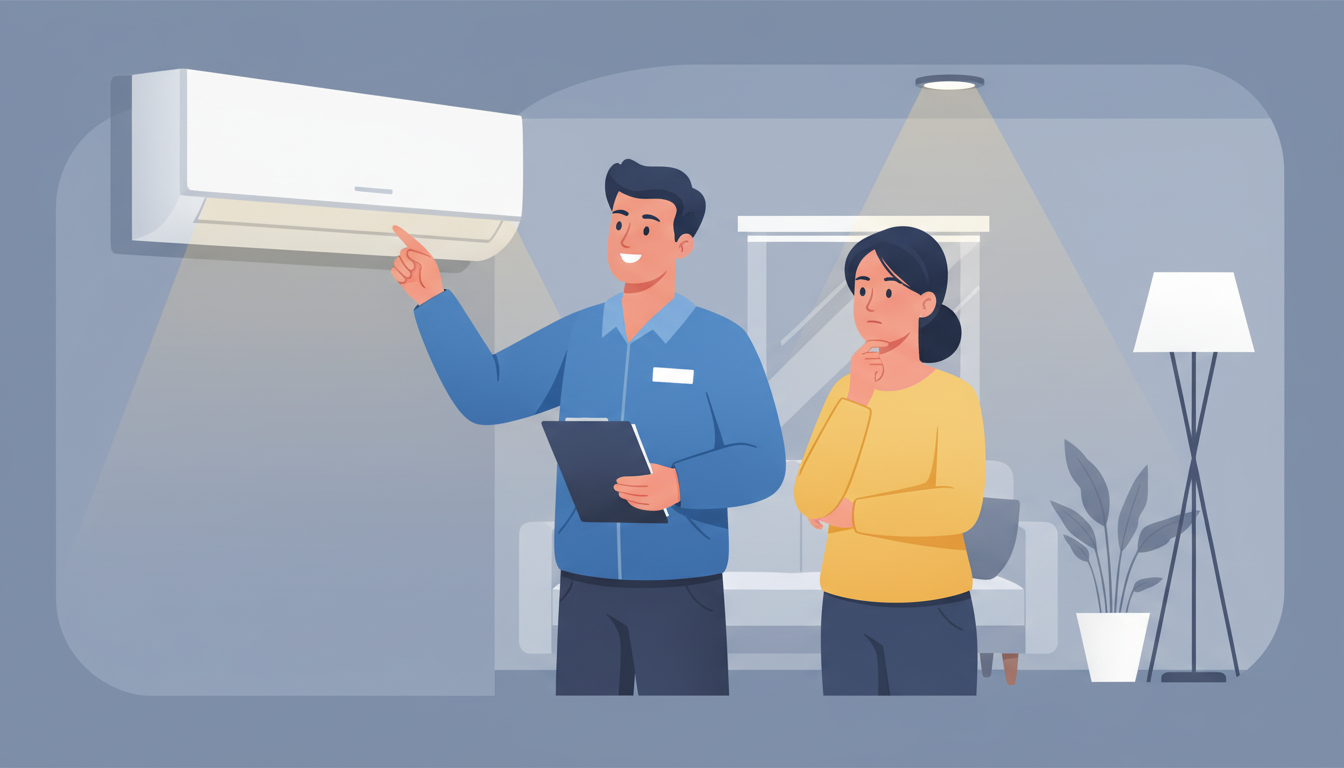
Before discussing costs or timelines, you need a clear explanation of the actual problem. Ask your technician to explain the diagnosis in plain language—not technical jargon. A qualified professional should be able to describe what's failing, why it's failing, and what happens if you don't fix it.
For example, if they mention a "failed capacitor," ask them to explain that it's the component that helps your compressor or fan motor start up. Understanding the root cause helps you evaluate whether the recommended repair makes sense.
Can You Show Me the Problem?
A trustworthy HVAC technician will gladly show you the faulty component or explain the issue visually. This might mean showing you a corroded part, a refrigerant leak with UV dye, or unusual readings on their diagnostic equipment.
Physical evidence validates the diagnosis and helps you understand the severity. If a technician refuses to show you or seems evasive, that's a red flag worth noting. Most reputable companies understand that homeowners want to see what they're paying to fix.
What Caused This Problem?
Understanding why something failed is just as important as knowing what failed. Was it normal wear and tear, lack of maintenance, an installation issue, or something else? This information serves multiple purposes:
- It helps you prevent similar problems in the future
- It reveals whether maintenance neglect played a role
- It may indicate warranty coverage if the issue stems from a manufacturing defect or improper installation
For instance, if your compressor failed due to restricted airflow from dirty filters, you'll know that regular filter changes could have prevented this expensive repair.
Questions About the Repair Estimate
What's Included in This Estimate?
A detailed breakdown is crucial. Your estimate should clearly separate:
- Diagnostic fee: The cost to identify the problem (typically $70-$150)
- Labor costs: The technician's time to complete the repair
- Parts costs: Specific components needed, including brand and model numbers
- Additional fees: Disposal fees, permits, or after-hours charges
Never accept a single lump-sum figure without itemization. According to industry standards, transparent pricing includes specific part numbers so you can verify you're getting quality, compatible components.
Are These Original Equipment Parts or Aftermarket?
The quality and source of replacement parts significantly impact repair longevity and system performance. Original Equipment Manufacturer (OEM) parts are made by your system's manufacturer and typically offer better compatibility and warranty coverage. Aftermarket parts may be cheaper but could affect performance or void existing warranties.
Ask specifically about:
- Part manufacturer and model number
- Warranty coverage on the new part
- Expected lifespan compared to OEM alternatives
What's Not Included in This Quote?
This question catches many homeowners by surprise. Some repairs require additional work that becomes apparent once the main repair begins. For example, fixing a refrigerant leak might reveal corroded line sets that also need replacement.
Ask upfront about potential additional costs so you're not blindsided mid-repair. A reputable company will outline scenarios that could increase costs and get your approval before proceeding with extra work.
How Long Is This Estimate Valid?
Parts prices and labor rates can change, especially during peak seasons. Most estimates remain valid for 30 days, but confirming this timeline protects you from surprise price increases if you need time to make a decision or secure financing.
Repair Timeline and Process Questions
How Long Will This Repair Take?
Understanding the timeline helps you plan accordingly and set realistic expectations. According to HVAC industry standards:
- Simple repairs (filter changes, thermostat issues, cleaning): 1-2 hours
- Moderate repairs (capacitor replacement, minor refrigerant leak): 2-4 hours
- Complex repairs (compressor replacement, major refrigerant leak): 1-3 days
Multiple factors affect timing, including parts availability, weather conditions, and the complexity of accessing components.
Do You Have the Parts in Stock?
Parts availability dramatically impacts your repair timeline. Common components like capacitors and contactors are typically stocked on service vehicles. However, specialized parts for older systems or specific brands may require ordering.
If parts need ordering, ask:
- How long until parts arrive?
- Can you expedite shipping if needed?
- What happens if the ordered part is incorrect or defective?
The availability of replacement parts is crucial—while common components allow for quick repairs, specialized parts may introduce delays of several days or more.
What Happens If You Find Additional Problems During the Repair?
Sometimes technicians discover related issues once they start working. Establish a clear protocol: Will they call you before proceeding? Is there a dollar threshold where they'll seek approval?
This conversation protects both parties and ensures no surprise charges appear on your final bill.
Repair vs. Replace Decision Questions
Should I Repair or Replace My System?
This is perhaps the most important question after receiving a diagnosis. Many HVAC professionals use the "$5,000 rule" as a guideline: multiply your system's age by the repair cost. If the total exceeds $5,000, replacement often makes more financial sense.
For example:
- 8-year-old system × $400 repair = $3,200 (repair makes sense)
- 15-year-old system × $800 repair = $12,000 (consider replacement)
However, this rule isn't absolute. Consider these factors too:
- System efficiency compared to modern units
- Frequency of recent repairs
- Expected remaining lifespan
- Energy cost savings with a new system
According to the U.S. Department of Energy, most HVAC systems last 10-20 years depending on type and maintenance. If your system is approaching this age range and needs major repairs, replacement deserves serious consideration.
What's the Expected Lifespan After This Repair?
Understanding how long this repair extends your system's life helps you make cost-benefit calculations. If you're spending $1,500 on a 16-year-old air conditioner that might only last 2-3 more years, that context matters.
Your technician should provide realistic expectations based on the system's overall condition, not just the component being repaired. If you're interested in learning more about when repairs make sense versus replacement, check out this comprehensive HVAC repair guide that breaks down the decision-making process.
Warranty and Coverage Questions
Is This Repair Covered Under Any Warranty?
HVAC systems typically have multiple warranty layers:
- Manufacturer's parts warranty: Usually 5-10 years on equipment
- Labor warranty: Provided by the installing contractor, typically 1-2 years
- Extended warranty or home warranty: If you purchased additional coverage
A critical point many homeowners miss: manufacturer warranties cover parts replacement but not labor costs. If your compressor fails under warranty, you'll get a free compressor but still pay for the technician's time to install it.
Ask specifically:
- Which warranties apply to this repair?
- What documentation do I need?
- Will this repair affect other warranty coverage?
Do I Need to Register This Repair to Maintain Warranty Coverage?
Some manufacturers require repair documentation to maintain warranty coverage. Keep detailed records including:
- Date of service
- Technician name and company
- Parts replaced with serial numbers
- Invoice and payment receipts
What Warranty Comes with Your Work?
Reputable HVAC companies stand behind their repairs. Ask about:
- Labor warranty duration (typically 30 days to 1 year)
- Parts warranty coverage
- What voids the warranty (DIY modifications, unauthorized service)
A company confident in their work will offer solid warranty coverage. Be cautious of contractors who don't provide warranties or offer suspiciously short coverage periods.
Technician Credentials and Company Questions
Are You Licensed and Insured?
This isn't just a formality—it protects you legally and financially. A licensed technician has met state requirements and maintains continuing education. Insurance protects your property if something goes wrong during the repair.
Ask to see:
- State HVAC license number (verify online with your state board)
- Liability insurance certificate
- Workers' compensation coverage
Do You Have NATE Certification?
NATE (North American Technician Excellence) certification is the gold standard for HVAC technicians. NATE-certified technicians have passed rigorous exams proving their knowledge and competence. While not required, NATE certification indicates a technician invested in their professional development.
If choosing between multiple repair quotes, NATE certification can be a tiebreaker indicating higher expertise. Learn more about why NATE certification matters for homeowners and what it means for your service quality.
How Long Has Your Company Been in Business?
Longevity indicates reliability and quality service. A company that's been serving your community for 10+ years has proven their worth and will likely be around to honor warranties and provide future service.
Also ask about:
- Online reviews and ratings
- Better Business Bureau accreditation
- References from similar repair jobs
If you're evaluating different companies, this guide on how to choose an HVAC repair company you can trust provides valuable criteria for making the right choice.
Cost and Payment Questions
What Are My Payment Options?
HVAC repairs can be expensive, especially for major components. Understanding your payment options helps you plan financially:
- Financing plans: Many companies offer 0% APR financing for qualified customers
- Payment plans: Spread costs over several months
- Discounts: Senior, military, or seasonal promotions
- Home warranty coverage: If applicable
Don't let financial stress push you into a hasty decision. Reputable companies understand that major repairs require financial planning and will work with you.
Can I Get This Estimate in Writing?
Always—and we mean always—get written estimates. A verbal quote has no legal standing and leaves room for "misunderstandings" about what was agreed upon.
Your written estimate should include:
- Detailed scope of work
- Itemized costs (labor, parts, fees)
- Project timeline
- Payment terms
- Warranty information
- Company contact information
Legitimate companies provide written estimates as standard practice. If a contractor resists putting their quote in writing, that's a serious red flag.
Are There Any Discounts or Promotions Available?
You'll never know if you don't ask. Many HVAC companies offer:
- Seasonal promotions
- First-time customer discounts
- Senior or military discounts
- Maintenance plan member discounts
- Referral credits
Even a 10% discount on a $1,000 repair saves you $100—worth a simple question.
Second Opinion Considerations
When Should I Get a Second Opinion?
Not every diagnosis requires a second opinion, but these situations warrant one:
Expensive repairs over $1,000: Major component replacements deserve verification, especially if the diagnosis seems rushed or the technician pushes for immediate approval.
Replacement recommendations for systems under 10 years old: Modern HVAC systems should last 15-20 years with proper maintenance. If your relatively new system supposedly needs replacement, get a second opinion.
Unusual urgency or pressure tactics: Be wary of technicians who claim you need immediate repairs or offer "today-only" special pricing to pressure you into quick decisions.
Something feels off: Trust your instincts. If the technician seems evasive, can't explain the problem clearly, or the diagnosis doesn't align with the symptoms you've experienced, seek another evaluation.
How Do I Get a Second Opinion Without Offending My Current Technician?
You're the customer making a potentially major financial decision—you have every right to seek additional input. Simply say, "I'd like to get a second opinion before proceeding with a repair of this size. I'll be in touch once I've made a decision."
Professional technicians understand and respect this approach. In fact, a company confident in their diagnosis will encourage you to verify their findings.
Getting a second opinion confirms diagnostic accuracy, provides cost comparisons, and often reveals alternative repair approaches. According to industry experts, a second evaluation significantly reduces the chances of incorrect diagnoses.
Preventive Maintenance and Future Care
What Can I Do to Prevent This Problem from Happening Again?
Learning from this repair helps you avoid future issues. Your technician should provide specific recommendations based on what failed:
- If dirty coils caused the problem: Schedule professional cleanings annually
- If refrigerant leaked due to corrosion: Address drainage issues and consider a UV coating
- If a component failed from electrical issues: Have your electrical system inspected
What Warning Signs Should I Watch For?
Understanding what symptoms indicate developing problems helps you catch issues early before they become expensive repairs. Ask your technician what specific signs related to your recent diagnosis might reappear:
- Unusual noises (clicking, grinding, squealing)
- Performance changes (weak airflow, inadequate cooling/heating)
- Increased energy bills
- Unusual odors
- Frequent cycling on and off
Early detection often means simpler, less expensive repairs.
Should I Consider a Maintenance Plan?
Many HVAC companies offer maintenance agreements that include:
- Annual or bi-annual tune-ups
- Priority service scheduling
- Discounted repair rates
- Extended warranty coverage
- No overtime or emergency fees
Ask about available plans and calculate whether the benefits justify the annual cost based on your system's age and condition. For most homeowners with systems over 5 years old, maintenance plans provide excellent value.
How Often Should I Have My System Serviced?
General industry recommendations call for professional maintenance:
- Once annually for newer systems (under 10 years)
- Twice annually for older systems (over 10 years)
- Seasonally in extreme climates (before cooling season and heating season)
Regular maintenance catches small issues before they become expensive failures and typically extends system lifespan by 5-10 years.
After the Repair: Follow-Up Questions
How Will I Know the Repair Was Successful?
Establish clear success criteria with your technician:
- What should the system do now that it wasn't doing before?
- What symptoms should be gone?
- Are there specific performance metrics to check (temperature differentials, cycle times)?
What Should I Monitor After the Repair?
Your technician should provide a brief checklist of things to watch during the first few days and weeks after repair:
- System cycling patterns
- Temperature consistency throughout your home
- Unusual sounds or vibrations
- Energy consumption changes
When Should I Call You Back If Problems Continue?
Clarify the follow-up protocol:
- What's considered normal "settling in" versus a problem?
- How quickly will they respond to warranty calls?
- Is there a specific contact person for follow-up issues?
Understanding these parameters before the technician leaves prevents confusion later.
Will You Provide Documentation of What Was Done?
You should receive documentation including:
- Detailed invoice with parts replaced
- Before/after diagnostic readings
- Photos of replaced components (if applicable)
- Warranty registration information
- Recommended future maintenance
This documentation proves valuable for warranty claims, future service calls, and if you sell your home.
Frequently Asked Questions
How much does an HVAC diagnostic fee typically cost?
HVAC diagnostic fees typically range from $70 to $150 for standard service calls during business hours. Emergency or after-hours diagnostics may cost $150-$300. Many companies waive the diagnostic fee if you proceed with the recommended repair, so always ask about this policy before scheduling service.
Should I get multiple quotes for HVAC repairs?
For repairs exceeding $500, getting 2-3 quotes is wise. This helps verify the diagnosis, compare pricing, and identify the best value. However, be wary of quotes that seem significantly lower than others—they may use inferior parts, lack proper insurance, or add hidden fees later.
How long should a typical HVAC repair take to complete?
Simple repairs like capacitor replacements or thermostat fixes typically take 1-2 hours. Moderate repairs involving refrigerant leaks or fan motor replacements may take half a day. Complex repairs like compressor or heat exchanger replacements can take 1-3 days, especially if parts need ordering. Always ask for a timeline estimate when receiving your diagnosis.
What does NATE certification mean for HVAC technicians?
NATE (North American Technician Excellence) certification is the leading certification program for HVAC technicians. NATE-certified technicians have passed comprehensive exams covering installation, service, and specific equipment types. This certification indicates advanced knowledge and commitment to professional standards, though it's not legally required in most states.
Can I negotiate HVAC repair costs?
While you can't typically negotiate labor rates (which are set based on market standards and overhead costs), you may find flexibility in other areas. Ask about available discounts, payment plan options, or whether choosing different part brands affects pricing. Some companies offer discounts for paying cash or combining multiple services. Being a polite, informed customer often results in companies working with you to find affordable solutions.
Take Control of Your HVAC Repair Experience
The questions you ask after a technician diagnoses your HVAC system make the difference between feeling confident in your repair decision and wondering if you made the right choice. Armed with these essential questions, you're prepared to:
- Fully understand what's wrong with your system
- Evaluate whether repair or replacement makes financial sense
- Verify you're getting fair pricing and quality parts
- Protect yourself with proper warranties and documentation
- Prevent future problems through informed maintenance
Remember, a qualified HVAC technician welcomes your questions—they know that informed homeowners make better decisions and have more realistic expectations. If a technician seems annoyed by your questions or can't provide clear answers, that's valuable information suggesting you should look elsewhere for service.
Your HVAC system represents a significant investment in your home's comfort and value. Treat repair decisions with the same care you'd apply to any major financial decision. The time you spend asking questions now can save you from costly mistakes and ensure your system serves you reliably for years to come.
Ready to schedule your HVAC service? Make sure you're working with a qualified, trustworthy professional who welcomes your questions and provides transparent, honest service. Your comfort and peace of mind are worth it.