How to Avoid Making an HVAC Emergency Worse: Critical Mistakes to Skip
How to Avoid Making an HVAC Emergency Worse: Critical Mistakes to Skip
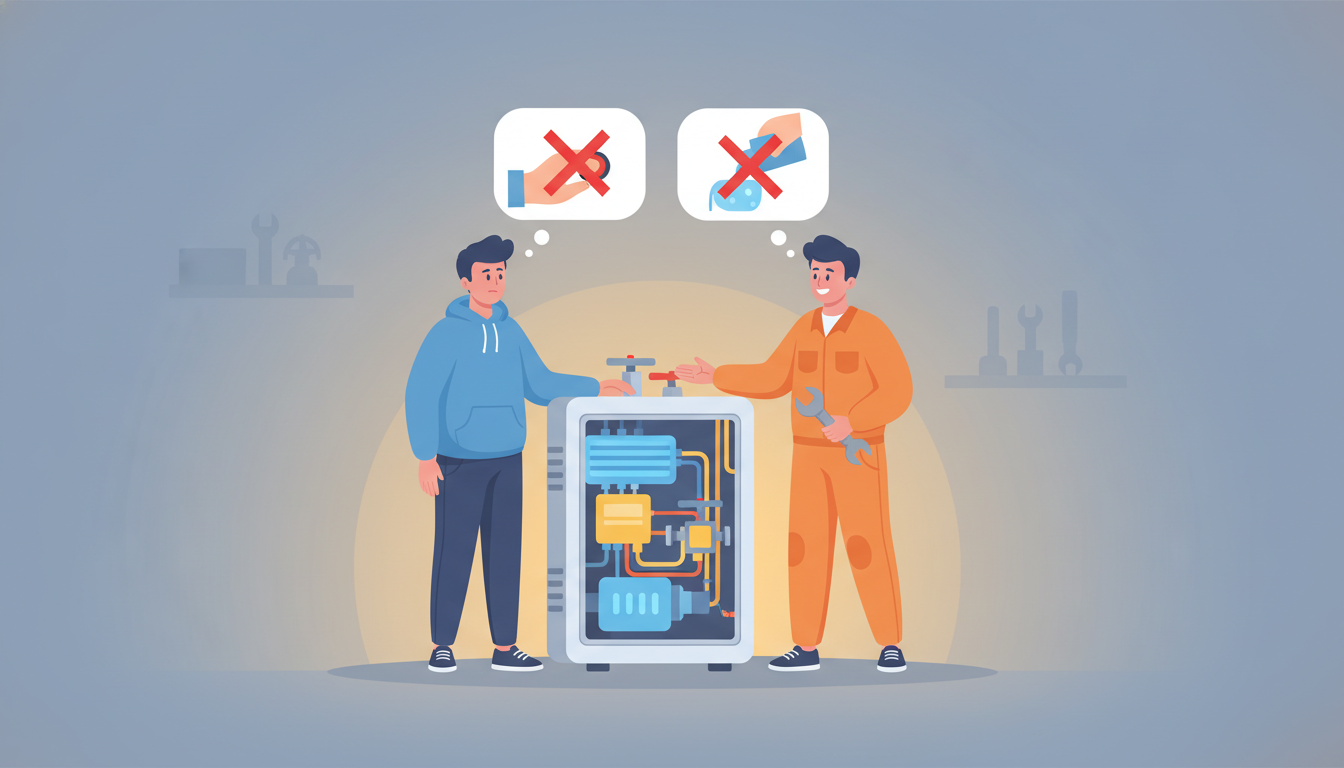
When your heating or cooling system suddenly fails, panic can set in quickly. But did you know that your immediate response to an HVAC emergency can either minimize the damage or turn a fixable problem into a costly catastrophe? Understanding how to avoid making an HVAC emergency worse is just as important as knowing when to call for help.
In this guide, you'll discover the critical mistakes homeowners make during HVAC emergencies and learn the safe, smart actions that protect both your system and your family.
What Makes an HVAC Emergency Worse?
Before we dive into specific scenarios, let's understand what actually escalates an HVAC emergency. Most homeowners don't realize that certain well-intentioned actions can multiply repair costs, create safety hazards, or even void your warranty.
The three main factors that worsen HVAC emergencies are:
- Continuing to run a malfunctioning system - This compounds mechanical damage
- Attempting unqualified DIY repairs - Creates safety risks and additional damage
- Ignoring proper safety protocols - Puts your family and property at serious risk
Now let's break down exactly what NOT to do when your HVAC system fails.
The #1 Mistake: Keeping the System Running
Your first instinct when the heat stops working on a freezing night might be to let the system keep trying. Don't. This is the fastest way to avoid making an HVAC emergency worse.
Why Continued Operation Damages Your System
When your HVAC system is malfunctioning, forcing it to continue operating causes:
- Compressor failure - Running without proper refrigerant levels destroys the compressor, turning a $200 leak repair into a $2,000+ replacement
- Motor burnout - Overworked motors overheat and fail permanently
- Electrical damage - Faulty components can damage your circuit board and wiring
- Fire hazards - Overheating components can ignite dust and debris
When to Shut Down Immediately
Turn off your HVAC system at both the thermostat AND circuit breaker if you notice:
- Burning smells or smoke
- Loud grinding, banging, or screeching noises
- Sparks or electrical arcing
- Gas odors (rotten egg smell)
- Ice buildup on the outdoor unit
- Water pooling around indoor components
- No airflow despite the system running
Action Step: Locate your HVAC circuit breaker now, before an emergency. You should know exactly where to shut off power when seconds count.
DIY Repairs That Make Things Catastrophically Worse
YouTube tutorials make HVAC repair look easy. But attempting these "quick fixes" during an emergency often creates bigger problems than you started with.
Never Attempt These Emergency Repairs
1. Refrigerant Recharging
Handling refrigerant without proper certification is illegal and dangerous. Many homeowners don't realize that:
- Adding the wrong type of refrigerant damages your entire system
- Refrigerant exposure causes frostbite and respiratory issues
- The actual leak still exists, so you're just delaying the inevitable
- You can face EPA fines up to $37,500 for improper handling
Instead, turn off your system and call a licensed technician. Learn more about proper HVAC repair procedures to understand when professional help is essential.
2. Electrical Component Replacement
Your HVAC system runs on 240 volts - enough to cause serious injury or death. Never attempt to:
- Replace capacitors (they hold deadly charges even when powered off)
- Swap out circuit boards
- Rewire thermostats or control panels
- Reset breakers repeatedly when they keep tripping
3. Gas Line Adjustments
If you smell gas, your only job is to evacuate and call 911. Never:
- Try to locate the leak yourself
- Adjust gas valves or connections
- Light matches or use electronics while investigating
- Assume "a small leak" is safe to ignore
4. Forcing Frozen Components
Finding your AC unit covered in ice doesn't mean you should chip away at it. This damages:
- Delicate coil fins that regulate temperature
- Refrigerant lines that can crack under stress
- Fan blades that may be frozen in place
The proper response is to shut down the system, let it thaw naturally, and call for service.
The One DIY Check That's Actually Safe
Before calling for emergency service, there's exactly one thing you should check: your air filter.
A severely clogged filter can cause symptoms that mimic serious emergencies. Here's how to check safely:
- Turn off your system at the thermostat
- Locate your filter (usually near the return vent or furnace)
- Remove and inspect - if you can't see light through it, it needs replacement
- Replace with the correct size and MERV rating
- Turn the system back on and wait 15 minutes
If problems persist, you've ruled out the most common issue and can call for help with confidence.
Gas Leaks: The Emergency Where Every Second Counts
Natural gas emergencies are unique because improper response can result in explosions or carbon monoxide poisoning. Here's exactly how to avoid making this HVAC emergency worse.
What NOT to Do During a Gas Leak
Don't stay inside to investigate. The moment you smell gas (that distinctive rotten egg odor), your emergency response begins:
❌ Don't turn lights on or off ❌ Don't use your phone inside the house ❌ Don't light candles or matches ❌ Don't start your car if it's in an attached garage ❌ Don't try to locate the source ❌ Don't open windows (this wastes time and creates ignition risks)
What TO Do Instead
- Evacuate immediately - Get everyone out including pets
- Leave doors open as you exit (don't waste time opening windows)
- Call 911 and your gas company from outside and upwind
- Don't re-enter until professionals declare it safe
- Have your system inspected even after the all-clear
Understanding how to handle an HVAC repair emergency can save lives when you're dealing with gas-related issues.
The Documentation Mistake That Costs You Money
Here's a mistake most homeowners don't realize they're making: failing to properly document the emergency before shutting down the system.
Why Documentation Matters
Your warranty, insurance claim, or future diagnostics all depend on knowing:
- What symptoms appeared and when
- What sounds, smells, or visual cues you noticed
- What the thermostat was displaying
- Whether error codes appeared
- The sequence of events leading to failure
How to Document Quickly and Safely
Before shutting down your system:
- Take photos of your thermostat display, including any error codes
- Capture video of unusual noises (even 10 seconds helps technicians diagnose)
- Write down exactly what happened in sequence
- Note the weather - extreme temperatures affect diagnostics
- Check your maintenance records - when was the last service?
This takes 2-3 minutes but can save hundreds in diagnostic fees and strengthen warranty claims. For more detailed guidance, see our article on how to photograph and document an HVAC emergency.
Temporary "Fixes" That Create Permanent Damage
While waiting for your emergency technician, you might be tempted to try temporary solutions. Some are safe. Many are disastrous.
Safe Temporary Measures
For heating failures:
- Use electric space heaters (following manufacturer guidelines)
- Close off unused rooms to concentrate warmth
- Open faucets to a drip if temperatures drop below 32°F (prevents frozen pipes)
- Cover windows with blankets to reduce heat loss
For cooling failures:
- Use fans to circulate air
- Close blinds and curtains during peak sun hours
- Stay hydrated and move to lower floors (heat rises)
- Visit public cooling centers if temperatures exceed 95°F
Dangerous "Solutions" to Avoid
❌ Never use gas ovens or stoves for heating - This causes carbon monoxide poisoning
❌ Don't block return vents to "redirect" airflow - This damages your system and reduces efficiency
❌ Don't adjust refrigerant valves - Only licensed technicians should touch these
❌ Never bypass safety switches - They exist to prevent fires and explosions
❌ Don't pour water on frozen units - Thermal shock can crack components
The Thermostat Mistakes That Worsen Emergencies
Your thermostat seems simple, but incorrect emergency use creates additional problems.
What Not to Do With Your Thermostat
Don't crank the temperature to extreme settings. Setting your heat to 90°F or AC to 60°F doesn't make the system work faster - it just makes it run longer, potentially overheating components.
Don't rapidly toggle between heating and cooling. If your system isn't working right, switching modes repeatedly:
- Stresses the reversing valve (in heat pumps)
- Confuses diagnostic error codes
- Prevents proper system diagnosis
- Can trigger safety lockouts
Don't assume "Emergency Heat" is for emergencies. Despite its name, the emergency heat setting on your thermostat is specifically for heat pump failures, not general emergencies. Using it incorrectly:
- Doubles your energy bills (electric resistance heating is expensive)
- Prevents your heat pump from recovering if it was just temporarily locked out
- Masks intermittent problems that need professional diagnosis
The Right Thermostat Response
When your HVAC fails:
- Check the display for error codes (document these)
- Verify it's actually turned on and set correctly
- Try fresh batteries if it's battery-powered
- Set to "Off" once you've documented the issue
- Leave it off until a professional arrives
When Cold Weather Makes Everything Worse
Winter HVAC emergencies carry unique risks that can escalate quickly if handled improperly.
The Frozen Pipe Danger
If your heating fails in freezing weather, you're racing against frozen pipes. But panic responses make this worse:
Don't ignore the problem and leave. Frozen pipes that burst cause an average of $5,000 in water damage. If you must leave:
- Shut off your main water supply
- Open all faucets to drain the system
- Pour RV antifreeze (not automotive) into toilet tanks and drains
Don't use blowtorches or high heat to thaw frozen pipes:
- This causes pipes to burst from rapid expansion
- Creates fire hazards near walls and insulation
- Damages pipe joints and seals
Do open cabinet doors under sinks to let warm air circulate around pipes, and keep faucets dripping to prevent freezing.
Space Heater Safety (Critical)
Space heaters prevent frozen pipes but cause 25,000 residential fires annually. To avoid making your emergency worse:
- Keep heaters 3 feet from anything flammable
- Never leave them running unattended or while sleeping
- Plug directly into wall outlets (never extension cords)
- Use only heaters with automatic tip-over shutoff
- Don't use in bathrooms or near water
Summer Emergency Mistakes That Multiply Costs
Hot weather HVAC failures tempt homeowners into costly mistakes.
The Overcooling Trap
When your AC struggles in 100°F heat, don't:
- Set the thermostat below 68°F (this doesn't cool faster and can freeze coils)
- Close vents in unused rooms (this increases pressure and reduces efficiency)
- Block the outdoor unit with shade structures (restricts essential airflow)
The Ice Buildup Confusion
Finding ice on your AC doesn't mean it's "working too well." This indicates serious problems, usually:
- Refrigerant leaks
- Severely restricted airflow
- Failing components
Wrong response: Keep running it Right response: Shut down immediately, let it thaw, call for service
Questions to Ask Before the Technician Arrives
While waiting for emergency service, gather information that speeds diagnosis:
- How old is your system? (Age affects parts availability and repair vs. replacement decisions)
- When was your last maintenance? (Lack of maintenance may void warranties)
- Has this happened before? (Recurring issues point to underlying problems)
- What changed recently? (New symptoms after work suggests installation issues)
Having this information ready helps technicians diagnose faster and may reduce your emergency service bill.
The Insurance and Warranty Traps
Many homeowners accidentally void coverage during emergencies without realizing it.
Actions That Void Your Warranty
- Attempting DIY repairs on covered components
- Hiring unlicensed technicians
- Failing to maintain required service schedules
- Using incorrect replacement parts
- Running the system after recommended shutdown
Before emergency repairs: Call your warranty company first. Many require pre-authorization for coverage.
Protecting Your Insurance Claim
If your HVAC emergency results from covered events (storms, power surges, etc.):
- Document everything before repairs
- Don't discard damaged components until the adjuster sees them
- Get written estimates before authorizing work
- Save all receipts and invoices
- Take photos showing the damage
Creating Your Personal Emergency Response Plan
Don't wait for an emergency to figure out your response. Create a plan now:
Your HVAC Emergency Checklist
Information to keep accessible:
- HVAC technician contact information
- Warranty and insurance details
- System make, model, and installation date
- Location of shut-off switches (HVAC, gas, water)
- Maintenance history and service records
Physical preparations:
- Know where your circuit breaker box is located
- Keep a flashlight near your HVAC system
- Store extra air filters in standard sizes
- Post emergency numbers near your thermostat
- Have a backup plan for extreme weather
If you're a renter: Know your landlord's emergency contact and your obligations under your lease regarding emergency notifications.
Prevention: The Best Way to Avoid Emergency Mistakes
The ultimate way to avoid making an HVAC emergency worse is preventing emergencies altogether.
Maintenance That Actually Matters
Schedule professional maintenance twice yearly - spring for AC, fall for heating. This reduces emergency breakdowns by up to 50% because technicians:
- Identify failing components before they catastrophically fail
- Clean critical components that cause shutdowns when dirty
- Verify safety controls that prevent dangerous situations
- Optimize efficiency that reduces stress on your system
Warning Signs You Shouldn't Ignore
Call for non-emergency service when you notice:
- Gradually rising energy bills without usage changes
- Uneven heating or cooling between rooms
- System cycling on and off more frequently
- Weak airflow from vents
- Unusual sounds that come and go
- Musty or stale odors when running
Addressing these early prevents middle-of-the-night emergencies.
FAQ: Your HVAC Emergency Questions Answered
How long can I safely go without heat in winter?
If indoor temperatures drop below 50°F, you're risking frozen pipes and potential health issues for vulnerable individuals. This is considered an emergency requiring immediate action within 24 hours maximum.
Should I call emergency service at night or wait until morning?
Call immediately if you have:
- Gas odors or carbon monoxide detector alarms
- Burning smells or visible smoke
- Indoor temperatures below 50°F or above 95°F
- Water leaking from your HVAC system
- Electrical sparking or burning odors
Otherwise, safe temporary measures can get you through to morning when non-emergency rates apply.
What if I can't afford emergency HVAC repair?
Options include:
- Ask about payment plans (many HVAC companies offer financing)
- Check if your homeowners insurance covers the specific failure
- Contact local assistance programs (many utilities offer emergency heating/cooling assistance)
- Use safe temporary measures while saving for repairs
- Get multiple quotes for major repairs (but don't delay dangerous situations)
Can I reset my HVAC system myself?
You can safely reset your system at the thermostat and circuit breaker once. If problems continue after reset, further attempts won't help and may cause damage. Call a professional instead.
How do I know if my HVAC emergency is dangerous?
Any situation involving gas odors, carbon monoxide alarms, electrical sparking, smoke, or flames requires immediate evacuation and 911. These are life-threatening emergencies where your only job is to get everyone safely outside.
Take Action: Your Next Steps
Now you know how to avoid making an HVAC emergency worse, but knowledge only helps if you act on it.
Do this today:
- Locate your HVAC circuit breaker and label it clearly
- Program your HVAC technician's number into your phone
- Check your air filter and replace if needed
- Review your warranty and insurance coverage
- Schedule preventive maintenance if you haven't had service in 6+ months
Remember: When emergencies strike, your calm, informed response makes all the difference. By avoiding these common mistakes, you'll protect your family, preserve your system, and minimize repair costs.
Don't wait for the next breakdown to test your emergency knowledge. The time to prepare is now, while your system is still running. Your future self will thank you when you navigate your next HVAC emergency smoothly, safely, and without making it worse.
Need help understanding when emergency service is necessary? Check out our comprehensive HVAC repair guide for more expert insights on maintaining and repairing your home comfort system.