Can a Broken HVAC System Cause Water Damage? What You Need to Know
Can a Broken HVAC System Cause Water Damage? What You Need to Know
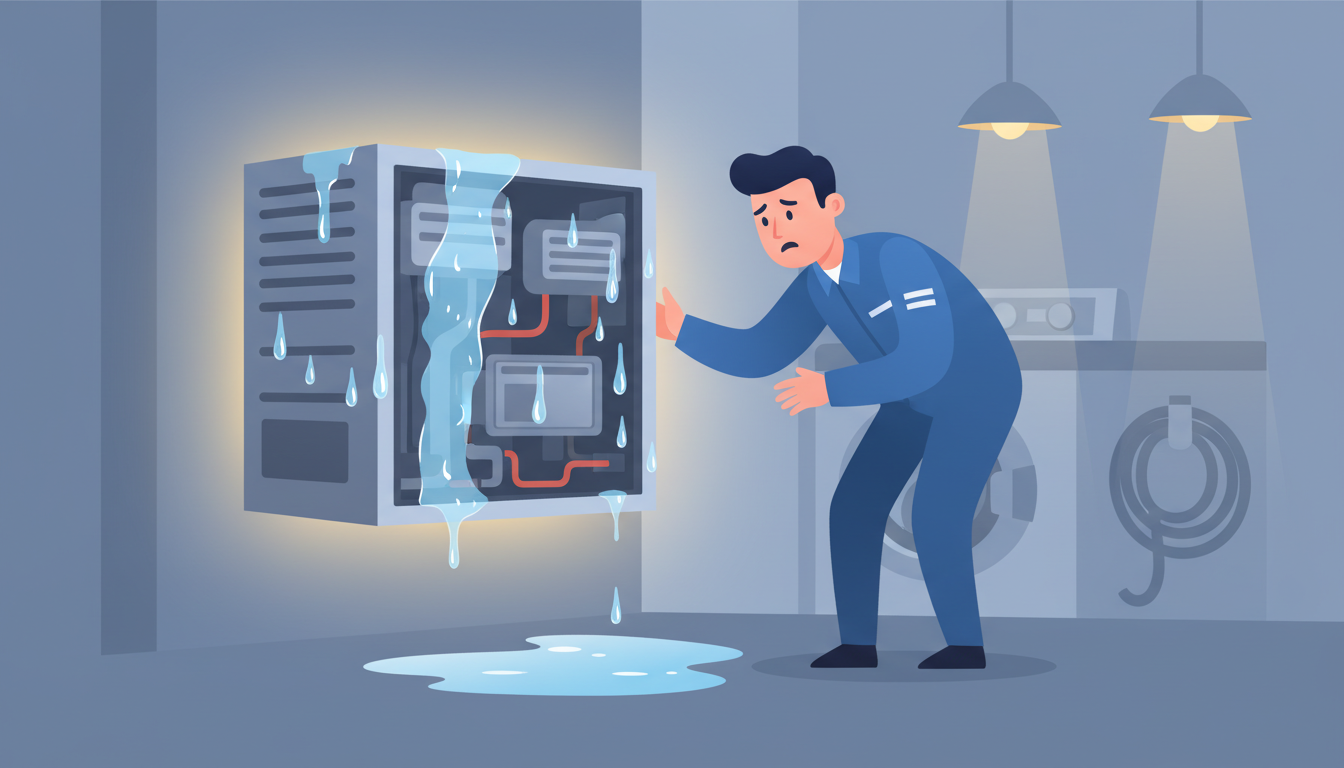
If you've noticed water stains on your ceiling, pooling water near your AC unit, or a musty smell in your home, your HVAC system might be the culprit. The short answer is yes—a broken HVAC system can absolutely cause significant water damage to your home, and it happens more often than you might think.
Your heating and cooling system produces a surprising amount of water during normal operation. When something goes wrong, that moisture can quickly turn into a costly disaster affecting your floors, walls, ceilings, and even your home's structural integrity.
How HVAC Systems Create Water (And Why That's a Problem)
Your air conditioning system doesn't just cool your home—it also removes moisture from the air. During the cooling process, warm air passes over cold evaporator coils, causing water vapor to condense into liquid water, much like how water droplets form on a cold glass of water on a hot day.
Here's what most homeowners don't realize: a typical residential AC unit can produce 20 to 50 gallons of condensation every single day during peak cooling season. That's enough water to fill a bathtub.
Under normal conditions, this water drains safely away through your system's condensate drain line. But when your HVAC system is broken or malfunctioning, all that water has to go somewhere—and unfortunately, that "somewhere" is often into your home.
7 Ways a Broken HVAC System Causes Water Damage
Understanding how your HVAC system can cause water damage helps you spot problems early and prevent costly repairs. Here are the most common culprits:
1. Clogged Condensate Drain Line
The condensate drain line is a small pipe that carries water away from your AC unit. Over time, this line can become clogged with algae, mold, dirt, and debris.
When the drain line is blocked, condensation has nowhere to go. Water backs up into the drain pan, overflows, and leaks into your home. This is the number one cause of HVAC-related water damage, accounting for the majority of service calls.
Signs of a clogged drain line include:
- Water pooling around your indoor AC unit
- Drain pan constantly full of water
- AC unit shutting off unexpectedly
- Musty odors near your HVAC system
If you're experiencing these issues, check out our guide on HVAC system leaking water for troubleshooting steps.
2. Damaged or Rusted Drain Pan
The drain pan sits beneath your evaporator coils to catch condensation. Most HVAC systems have two drain pans: a primary pan built into the unit and a secondary overflow pan underneath.
These pans can crack, rust, or corrode over time, especially in older systems. A damaged drain pan means water drips directly onto your floor, ceiling (if the unit is in your attic), or walls instead of flowing to the drain line.
3. Frozen Evaporator Coils
When evaporator coils freeze, ice builds up on the coils and surrounding components. Eventually, that ice melts—often producing far more water than your drain system can handle at once.
Common causes of frozen coils include:
- Dirty air filters restricting airflow
- Low refrigerant levels
- Blocked return air vents
- Running AC when outdoor temperatures are too low
When frozen coils thaw, you might see water flooding from your AC unit or dripping through your ceiling.
4. Failed Condensate Pump
If your HVAC system is installed in a basement or anywhere below the main drain line, it likely uses a condensate pump to move water upward and out of your home.
When this pump fails, water accumulates in the reservoir until it overflows. Condensate pump failures can dump several gallons of water in a short period, causing rapid water damage.
5. Disconnected or Improper Drain Line Installation
Sometimes the problem isn't a clog or damage—it's poor installation. If your drain line isn't properly connected, pitched at the wrong angle, or routed incorrectly, water won't drain properly even when everything else works fine.
This is particularly common after DIY repairs or work by inexperienced technicians. For professional help with HVAC repair, it's always best to work with certified professionals.
6. Ductwork Condensation
In humid climates or poorly insulated homes, condensation can form on the outside of cold air ducts. This moisture drips onto insulation, ceilings, and walls, causing gradual water damage that often goes unnoticed until serious problems develop.
Ductwork condensation usually indicates:
- Inadequate duct insulation
- Air leaks in the ductwork
- Excessive indoor humidity levels
7. Flooded or Water-Damaged HVAC Equipment
While less common, HVAC units themselves can be damaged by external water sources like basement flooding, roof leaks, or plumbing issues. A water-damaged HVAC system may malfunction and create additional water damage as it struggles to operate.
Warning Signs Your HVAC System Is Causing Water Damage
Catching water damage early can save you thousands of dollars in repairs. Watch for these red flags:
Visible Water Issues:
- Water pooling around indoor or outdoor AC units
- Ceiling stains or discoloration, especially near vents
- Water spots on walls adjacent to ductwork
- Dripping sounds when AC is running
Performance Problems:
- AC unit frequently cycling on and off
- Reduced cooling performance
- Ice forming on refrigerant lines or unit
- Higher than normal humidity levels indoors
Environmental Signs:
- Musty, moldy odors near vents or AC unit
- Visible mold growth on walls or ceilings
- Warped or buckling flooring near HVAC equipment
- Increased allergy symptoms or respiratory issues
If you notice any of these warning signs, you may have an HVAC repair emergency that requires immediate attention.
The True Cost of HVAC Water Damage
Water damage from a broken HVAC system isn't just about the immediate mess. The longer water damage goes unaddressed, the more expensive and dangerous it becomes.
Immediate Damage Costs
- Minor leaks: $500-$1,500 for cleanup and repairs
- Major overflow events: $2,000-$10,000+ depending on affected areas
- Ceiling replacement: $1,500-$3,500 per room
- Flooring replacement: $3-$10 per square foot
- HVAC repairs: $150-$800 for drain cleaning, $1,500-$3,000 for major component replacement
Long-Term Consequences
Mold Growth: Mold can begin growing within 24-48 hours of water exposure. Professional mold remediation typically costs $1,500-$3,500 for small areas and $10,000+ for extensive contamination.
Structural Damage: Prolonged moisture exposure weakens wood framing, drywall, and subflooring. Structural repairs can easily exceed $10,000-$30,000 in severe cases.
Electrical Hazards: Water and electricity don't mix. Water damage near electrical components creates shock and fire risks that require immediate professional attention.
Decreased Home Value: Homes with a history of water damage or mold problems typically sell for 10-25% less than comparable homes without such issues.
How to Prevent HVAC Water Damage
Prevention is always cheaper than repairs. Follow these steps to protect your home:
Monthly Maintenance Tasks
Check Your Air Filter: Replace or clean your air filter every 1-3 months. A clogged filter restricts airflow, which can lead to frozen coils and water damage.
Inspect the Drain Pan: Look at your drain pan monthly for standing water, rust, or cracks. The pan should be mostly dry when your AC is running properly.
Test the Condensate Pump: If you have a condensate pump, test it monthly by pouring water into the reservoir to ensure it activates properly.
Seasonal Maintenance
Before Cooling Season:
- Have your AC professionally inspected and serviced
- Clean or flush the condensate drain line
- Check insulation on refrigerant lines and ductwork
- Replace old or damaged drain pans
During Peak Season:
- Monitor your system for unusual sounds or performance issues
- Check for ice formation on refrigerant lines
- Ensure drain line is draining properly
After Cooling Season:
- Have furnace and heating components inspected
- Check for any water damage that occurred during summer
Professional Maintenance
Schedule professional HVAC maintenance at least once per year, preferably twice (spring and fall). A qualified technician will:
- Clean evaporator and condenser coils
- Check refrigerant levels and repair leaks
- Inspect and clean condensate drain system
- Test safety switches and float switches
- Identify potential problems before they cause damage
Professional maintenance typically costs $75-$200 per visit but can prevent thousands in water damage repairs.
What to Do When HVAC Water Damage Occurs
If you discover active water damage from your HVAC system, act quickly:
Immediate Actions (First 30 Minutes)
- Turn off your HVAC system at the thermostat and circuit breaker
- Stop the water source if possible (though you may need professional help)
- Move valuables away from affected areas
- Contain the water with towels or a wet vacuum if safe to do so
- Document the damage with photos and videos for insurance purposes
Next Steps (First 24 Hours)
- Call an HVAC professional to diagnose and repair the system issue
- Contact your insurance company to report the damage and start a claim
- Begin drying process using fans, dehumidifiers, and opening windows (weather permitting)
- Remove wet materials like carpet padding, insulation, or damaged drywall
- Monitor for mold in affected areas over the following days
Professional Help
For significant water damage, you'll likely need:
- HVAC technician to repair the system ($150-$3,000+ depending on issue)
- Water damage restoration specialist to dry and remediate affected areas ($1,500-$5,000+)
- Mold remediation professional if mold develops ($500-$6,000+)
Don't delay getting professional help. Every hour of delay increases the total damage and repair costs.
Can You DIY Fix a Leaking HVAC System?
Some minor HVAC water issues can be addressed by homeowners, while others require professional expertise.
Safe DIY Tasks:
- Changing air filters: Always safe and recommended
- Clearing visible debris from drain pan
- Flushing drain line with vinegar or drain line cleaning solution
- Checking for obvious disconnected pipes
- Resetting a tripped float switch
When to Call a Professional:
- Any refrigerant-related issues (frozen coils, refrigerant leaks)
- Electrical problems or component failures
- Condensate pump replacement
- Ductwork repairs or insulation
- Extensive water damage requiring remediation
- Mold growth exceeding 10 square feet
Remember, attempting repairs beyond your skill level can void warranties, create safety hazards, or cause additional damage.
Frequently Asked Questions
How quickly can a broken HVAC system cause water damage?
Water damage can occur very quickly—sometimes within hours. A completely clogged drain line can cause a drain pan to overflow in as little as 2-4 hours during peak cooling season when your AC produces maximum condensation. Frozen coils that suddenly thaw can dump several gallons of water in minutes.
Will homeowners insurance cover HVAC water damage?
Coverage depends on your policy and the cause of damage. Insurance typically covers sudden, unexpected water damage (like a drain pan suddenly cracking) but may deny claims for gradual damage from lack of maintenance. Always document the issue, report promptly, and review your specific policy terms.
How much does it cost to repair an HVAC system that's leaking water?
Repair costs vary widely based on the problem:
- Drain line cleaning: $75-$200
- Drain pan replacement: $150-$500
- Condensate pump replacement: $150-$400
- Frozen coil repair (refrigerant): $500-$1,500
- Complete evaporator coil replacement: $1,000-$2,500
The water damage itself may cost additional hundreds to thousands depending on affected areas.
Can a furnace cause water damage like an air conditioner?
Yes, but less commonly. High-efficiency condensing furnaces produce water as a byproduct of combustion and use drain systems similar to AC units. If these drain lines clog or drain pans fail, water damage can occur. Additionally, humidifiers attached to furnaces can leak if not properly maintained.
How often should I have my HVAC system inspected to prevent water damage?
Have your HVAC system professionally inspected at least once per year. For optimal protection, schedule maintenance twice annually—once before cooling season (spring) and once before heating season (fall). Between professional visits, inspect your system monthly for visible signs of water, ice, or drainage issues.
Protect Your Home From HVAC Water Damage
A broken HVAC system can absolutely cause serious water damage to your home, often resulting in thousands of dollars in repairs, mold problems, and structural issues. But with proper maintenance, regular inspections, and quick response to warning signs, you can protect your home from this common and costly problem.
The key is staying proactive: change your filters regularly, watch for warning signs, and never ignore water where it shouldn't be. When in doubt, call a professional—the cost of an inspection is always less than the cost of repairing extensive water damage.
Your HVAC system is essential for comfort, but it shouldn't compromise your home's safety or structural integrity. Stay vigilant, maintain your system properly, and address problems quickly to keep your home dry and damage-free.
Need help with a leaking HVAC system? Don't wait for minor issues to become major disasters. Contact a qualified HVAC professional today to inspect your system and prevent costly water damage before it starts.