When a Burning Smell Means Shut the System Down
When a Burning Smell Means Shut the System Down
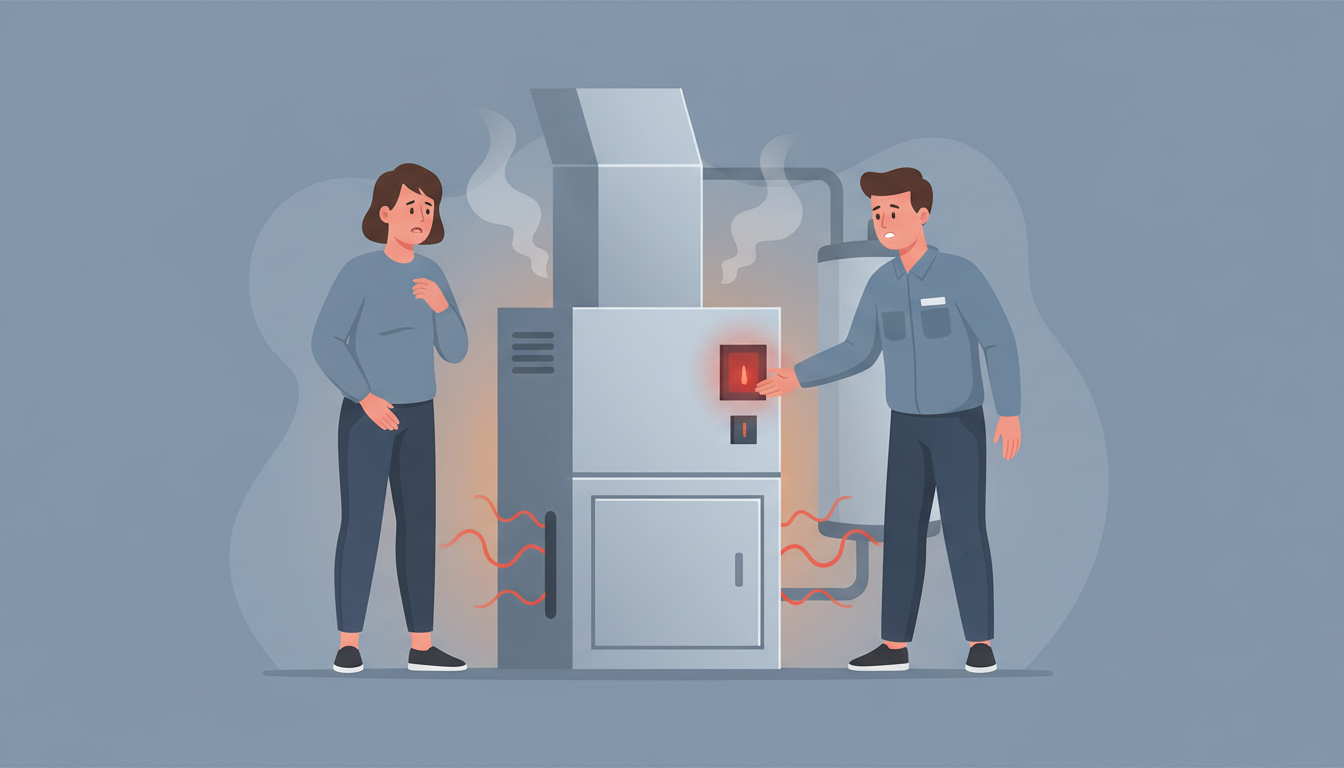
You turn on your heating system, and within minutes, you smell something burning. Your heart races a little. Is this normal? Should you turn it off immediately? Or are you overreacting to a harmless dust burnoff?
Knowing when a burning smell from your HVAC system is an emergency can save your home, protect your family, and prevent thousands of dollars in damage. Some burning smells are completely normal, while others signal immediate danger that requires you to shut down your system right now.
In this guide, you'll learn exactly when to hit the emergency stop and when it's safe to wait and see. We'll walk through each type of burning smell, what it means, and the exact steps you should take to stay safe.
The Quick Decision Framework: Shut Down or Wait?
When you smell something burning from your heating system, you need to make a fast decision. Here's your decision tree:
Shut Down Immediately If You Smell:
- Burning plastic or rubber
- Electrical or metallic burning odor
- Rotten eggs or sulfur (gas leak)
- Chemical or formaldehyde-like smell
- Oil or fuel smell (if you have an oil furnace)
- Any burning smell accompanied by smoke or visible flames
Safe to Wait 30-60 Minutes If:
- It's the first time you've turned on your heat this season
- The smell is dusty or musty (like burning paper or cardboard)
- No smoke is visible
- The smell is gradually decreasing in intensity
- Your carbon monoxide detector is NOT going off
If you're unsure which category your smell falls into, err on the side of caution and shut the system down. A false alarm is better than a fire or carbon monoxide poisoning.
Burning Smells That Demand Immediate Shutdown
Let's break down each dangerous burning smell, what causes it, and why you need to act fast.
Burning Plastic or Rubber Smell
A burning plastic smell from your HVAC system is a red flag. This odor typically means:
- Foreign objects in your ductwork: Toys, plastic items, or packaging materials may have fallen into your vents and are now melting on hot components.
- Overheated blower motor: The plastic housing around your blower motor may be melting due to excessive heat from a failing motor.
- Melting wire insulation: Damaged electrical wiring with melting plastic insulation creates this distinct smell.
Why it's dangerous: Burning plastic releases toxic fumes that can harm your respiratory system. Plastic fires can also ignite nearby flammable materials and spread quickly.
What to do: Turn off your furnace immediately at the thermostat, then shut off power at the breaker box. Don't restart the system until an HVAC technician inspects it.
Electrical or Metallic Burning Smell
An electrical burning smell—often described as metallic, sharp, or like burning wires—indicates serious electrical problems within your heating system.
Common causes:
- Frayed or damaged electrical wiring
- Overheated electrical components
- Short circuits in the control board
- Failed capacitor or other electrical parts
Why it's dangerous: Electrical fires can start within minutes. Faulty wiring can cause sparks that ignite dust, insulation, or other combustible materials inside your HVAC unit. Continuing to run your system with electrical problems risks damaging your heat exchanger and other expensive components.
What to do: Shut down your HVAC system immediately and call an emergency HVAC repair service. For guidance on handling HVAC emergencies, make sure you know the warning signs before problems escalate.
Rotten Eggs or Sulfur Smell (Gas Leak)
Natural gas is naturally odorless, so utility companies add mercaptan—a chemical that smells like rotten eggs or sulfur—to help you detect leaks.
Why it's dangerous: Natural gas is highly flammable and explosive. A gas leak in your home is a life-threatening emergency. Additionally, breathing natural gas in enclosed spaces can cause headaches, dizziness, nausea, and in severe cases, loss of consciousness.
What to do:
- Don't touch any switches or electrical devices (this includes your thermostat)
- Evacuate everyone from your home immediately, including pets
- Once safely outside, call 911 and your gas company from a mobile phone or neighbor's phone
- Don't re-enter your home until emergency responders declare it safe
This is not the time to try shutting down your system yourself. Get out first, then call for help.
Chemical or Formaldehyde Smell
A sharp chemical smell from your heating system could indicate:
- Cracked heat exchanger: This critical component separates combustion gases from your breathable air. A crack allows carbon monoxide and other dangerous gases to leak into your home's air supply.
- Refrigerant leak (in heat pump systems)
- New furnace off-gassing (only normal for first 24-48 hours of a brand new installation)
Why it's dangerous: A cracked heat exchanger is one of the most serious furnace problems. Carbon monoxide is odorless on its own, but the chemical smell often accompanies heat exchanger failure. Carbon monoxide poisoning symptoms include headaches, dizziness, confusion, and nausea.
What to do: If you experience symptoms like headaches or dizziness along with the chemical smell, treat this as a carbon monoxide emergency—evacuate and call 911. Otherwise, shut down your system immediately and schedule an emergency inspection.
Oil or Fuel Smell (Oil Furnaces)
If you have an oil furnace and smell oil or fuel, you likely have a leak or improper combustion.
Why it's dangerous: Oil leaks create fire hazards and release harmful fumes. Incomplete combustion can also produce carbon monoxide.
What to do: Turn off your oil furnace at the thermostat and at the emergency shutoff switch (usually located near the furnace or at the top of basement stairs). Call an HVAC technician who specializes in oil heating systems.
How to Safely Shut Down Your HVAC System
When you've determined you need to shut down your system, follow these steps in order:
-
Turn off your thermostat: Set it to "Off" mode, not just a lower temperature.
-
Locate your circuit breaker panel: Find the breaker labeled "Furnace," "HVAC," or "Heat." Flip it to the "Off" position.
-
Find the emergency shutoff switch: Most furnaces have a wall-mounted emergency switch nearby, often at the top of basement stairs. It looks like a light switch and may have a red cover plate. Turn it off.
-
For gas furnaces: If you're comfortable doing so and there's no gas smell, you can close the gas supply valve (usually located near the furnace). Turn the valve perpendicular to the pipe to close it. Skip this step if you smell gas—evacuate instead.
-
Open windows: If safe to do so, open a few windows to ventilate your home, especially if there's a strong chemical or plastic smell.
-
Document everything: Photograph and document your HVAC emergency for insurance purposes. Take photos of the thermostat settings, any visible damage, and a video of the area while describing what you're smelling.
What to Do After You Shut Down Your System
Once your system is safely shut down, here are your next steps:
Immediate Actions:
- Check your carbon monoxide detectors to ensure they're working
- Keep everyone away from the HVAC unit
- Don't attempt repairs yourself—heating systems involve electricity, gas, and fire hazards
- Stay warm with space heaters (following safety guidelines) or temporary lodging if needed
Contact Professionals:
- Call a licensed HVAC technician for emergency service
- For gas leaks, wait for your utility company's all-clear before scheduling HVAC repairs
- Document all service calls and repairs for warranty and insurance purposes
Get a Full Inspection: Even if the technician identifies one problem, ask for a comprehensive system inspection. Sometimes the burning smell is a symptom of multiple underlying issues. A thorough inspection should include:
- Electrical connections and wiring
- Heat exchanger condition
- Gas line integrity (for gas systems)
- Blower motor and fan operation
- Ductwork inspection for foreign objects or damage
- Filter condition and airflow
For comprehensive guidance on handling repairs, check out this HVAC repair guide to understand the process and what to expect.
When Burning Smells Are Actually Normal
Not every burning smell requires panic. Here are situations where a burning smell is typically harmless:
First-Time Seasonal Startup
When you fire up your furnace for the first time each heating season, it's completely normal to smell burning dust for 30-60 minutes. Here's why:
During the off-season, dust accumulates on your furnace's heat exchanger, burners, and other components. When your system heats up for the first time, this dust burns off, creating a distinctive smell similar to burning paper or cardboard.
How to tell it's normal:
- The smell appears only when you first turn on heat after months of non-use
- It's a dusty, papery smell (not plastic, chemical, or electrical)
- The smell decreases noticeably within an hour
- No smoke is visible
- Your carbon monoxide detector doesn't alarm
What to do: Open a few windows for ventilation and let the system run. The smell should disappear within an hour. If it persists beyond 2-3 hours or worsens, shut down the system and call for service.
New Furnace Smell
A brand new furnace may emit a chemical or paint-like smell for the first 24-48 hours of operation. This is the protective finish on new components burning off during initial heat-up cycles.
When it's not normal: If the chemical smell continues beyond 48 hours of operation or you experience symptoms like headaches or dizziness, shut down the system and contact your installer.
Prevention: Stop Problems Before They Start
The best emergency is the one that never happens. Here's how to prevent dangerous burning smells from developing:
Regular Filter Changes
Dirty air filters restrict airflow, causing your system to overheat. This can lead to:
- Overheated blower motors
- Stress on electrical components
- Increased dust accumulation
Change your filters:
- Every 30-60 days during heavy use seasons
- Every 90 days during moderate use
- More frequently if you have pets, allergies, or live in a dusty area
Annual Professional Maintenance
Schedule professional HVAC maintenance every fall before heating season. A thorough tune-up includes:
- Cleaning heat exchanger and burners
- Inspecting electrical connections
- Testing for gas leaks
- Checking carbon monoxide levels
- Lubricating moving parts
- Testing safety controls
This annual service catches small problems before they become burning smell emergencies.
Keep Vents and Registers Clear
Ensure nothing blocks your supply or return vents:
- Move furniture away from vents
- Keep curtains and drapes clear of registers
- Don't place storage items near floor vents
- Check for fallen toys or objects in floor registers
Pre-Season Testing
Before the cold weather hits, run your heating system for a test cycle on a mild day. This lets you discover problems while you still have time for non-emergency repairs and gives your system a chance to burn off accumulated dust before you really need the heat.
The Real Cost of Ignoring Warning Signs
When your HVAC system produces a burning smell, your instinct might be to ignore it and hope it goes away. That decision can be expensive—and dangerous.
Fire and Safety Risks
According to the National Fire Protection Association, heating equipment is the second leading cause of home fires in the United States. Many of these fires start with warning signs like burning smells that homeowners ignored.
Escalating Repair Costs
A minor electrical issue that causes a burning smell might cost $150-$300 to repair. Ignore it, and you could face:
- Blower motor replacement: $400-$1,500
- Heat exchanger replacement: $1,000-$2,000
- Complete furnace replacement: $3,000-$10,000+
Small problems become big expenses when you continue running a malfunctioning system.
Carbon Monoxide Poisoning
A burning smell from a cracked heat exchanger or incomplete combustion can accompany carbon monoxide leakage. Carbon monoxide is a silent killer—odorless, colorless, and deadly. Symptoms start mild (headaches, fatigue) but can progress to unconsciousness and death.
Always maintain working carbon monoxide detectors on every floor of your home, especially near sleeping areas.
Insurance and Warranty Issues
If you continue operating your HVAC system despite obvious warning signs (like burning smells), and it causes fire damage, your homeowner's insurance might deny your claim. Similarly, continuing to run a malfunctioning system can void your equipment warranty.
Frequently Asked Questions
How long should a burning smell last from my furnace?
If it's the normal dust burnoff during first seasonal use, the smell should fade within 30-60 minutes and be completely gone within 2 hours. Any burning smell that lasts longer than 2-3 hours requires system shutdown and professional inspection.
Should I turn off my furnace if it smells like burning plastic?
Yes, absolutely. Turn off your furnace immediately. Burning plastic indicates melting components, which can release toxic fumes and create fire hazards. Don't restart the system until an HVAC technician identifies and repairs the cause.
Can I use my furnace while it smells like burning?
It depends on the smell type. Dusty smells during first seasonal use are normal. However, burning plastic, electrical, chemical, or gas smells mean you should shut down immediately. When in doubt, turn it off and call a professional.
What does it mean when my furnace smells like burning but then stops?
If the smell stops within an hour and it's your first time using heat this season, it was likely normal dust burnoff. However, if the burning smell comes and goes throughout the season, it indicates an intermittent problem that needs professional diagnosis—possibly an overheating component or loose electrical connection.
Is a burning smell from my heater dangerous?
It can be. Electrical burning, plastic, gas, chemical, and oil smells indicate potentially dangerous conditions including fire hazards, carbon monoxide risks, and toxic fumes. Normal dust burnoff during first seasonal use isn't dangerous, but it should resolve quickly.
Conclusion: Trust Your Nose and Prioritize Safety
Your sense of smell is one of your most important safety tools. When your HVAC system produces a burning smell, your nose is alerting you to a potential problem—sometimes normal, sometimes dangerous.
Remember this simple rule: If you're unsure whether to shut down your system, shut it down. A few hours without heat while waiting for a technician is inconvenient. A house fire, carbon monoxide poisoning, or major system failure is catastrophic.
Keep the phone numbers for emergency HVAC service and your gas company readily available. Install and maintain carbon monoxide detectors. Schedule annual maintenance to catch problems before they become emergencies.
Your heating system is designed to keep your family warm and safe. When it's telling you something's wrong with a burning smell, listen to that warning and take action quickly.
Need immediate help with an HVAC emergency? Don't wait until a burning smell becomes a dangerous situation. Contact a licensed HVAC professional right away to diagnose the problem and restore your system safely.