What Causes an AC Drain Line to Clog? (And How to Fix It)
What Causes an AC Drain Line to Clog? (And How to Fix It)
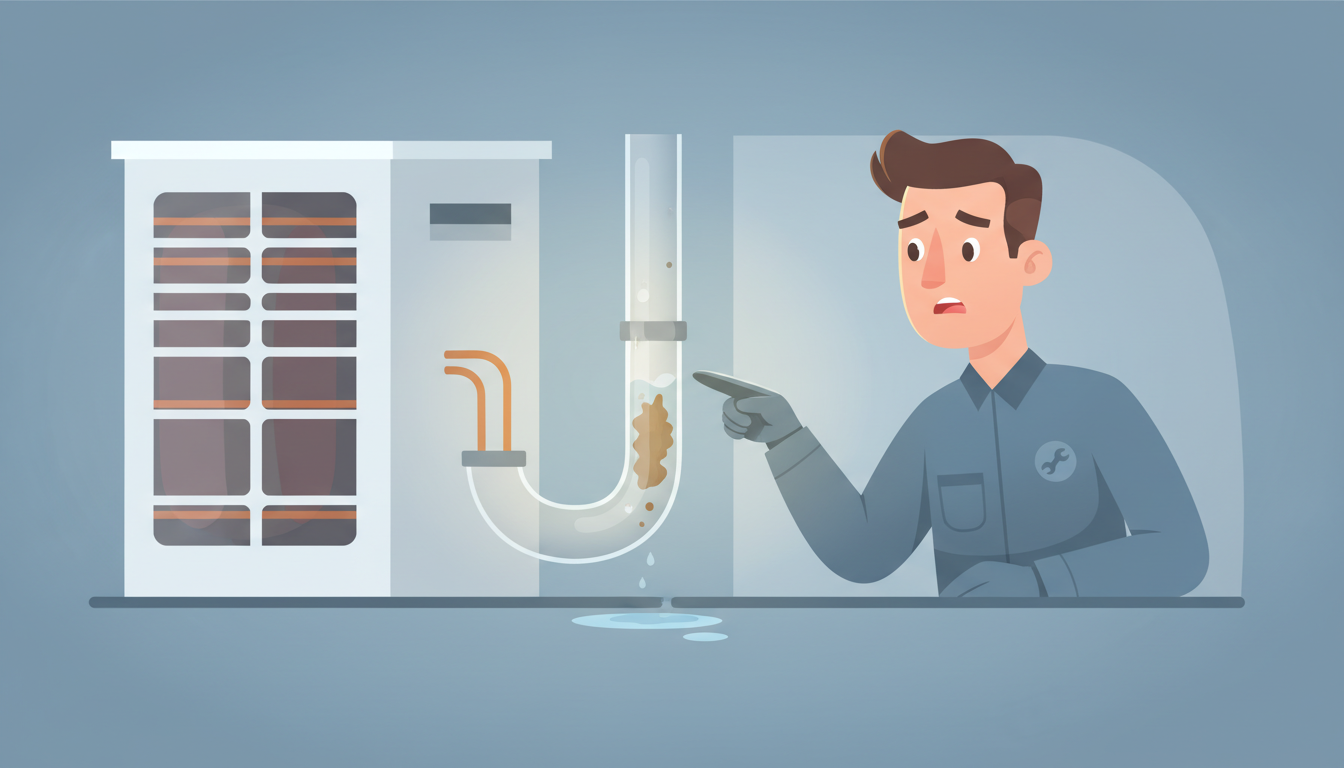
Is your air conditioner leaking water inside your home? You might be dealing with a clogged AC drain line—one of the most common yet preventable HVAC problems homeowners face. When your condensate drain line gets blocked, it can lead to water damage, reduced cooling efficiency, and even complete system shutdowns. In this comprehensive guide, we'll explain exactly what causes an AC drain line to clog and give you proven solutions to fix and prevent this frustrating issue.
What Is an AC Drain Line and Why Does It Matter?
Your air conditioner does more than just cool your home—it also removes moisture from the air. As warm indoor air passes over the cold evaporator coil, condensation forms (just like water droplets on a cold glass). This moisture drips into a drain pan beneath the coil, then flows out through the condensate drain line.
Under normal conditions, this drain line carries away several gallons of water each day during cooling season. But when the line gets clogged, that water has nowhere to go—and that's when problems start.
The 5 Main Causes of AC Drain Line Clogs
Understanding what causes an AC drain line to clog is the first step toward preventing costly repairs. Here are the primary culprits:
1. Algae and Mold Growth
This is the number one cause of clogged condensate drain lines. Your AC drain line stays dark, damp, and warm—the perfect environment for algae and mold to thrive. These organisms form a slimy biofilm inside the pipe that gradually restricts water flow until the line becomes completely blocked.
In humid climates, algae buildup can clog a drain line in as little as 3-6 months without proper maintenance. The biofilm is particularly stubborn because it clings to pipe walls and grows back quickly if not thoroughly removed.
2. Dust, Dirt, and Debris Accumulation
Your air handler constantly pulls air through the system, and even with good air filters, some dust and debris make it past. These particles get trapped by the moisture on your evaporator coil, then wash into the drain pan mixed with condensate.
Over time, this sludge accumulates in the drain line. Add in pet dander, pollen, and other airborne contaminants, and you've got a recipe for blockage. This problem gets worse if you don't change your air filters regularly—dirty filters allow more particles into your system.
3. Improper Installation or Drain Line Design
Not all drain line clogs are caused by buildup. Sometimes the problem starts with how the system was installed:
- Insufficient slope: Drain lines need a slight downward slope (at least 1/4 inch per foot) for gravity to move water effectively
- Too many bends: Excessive turns in the pipe create spots where debris can collect
- Wrong pipe size: Drain lines that are too narrow clog more easily
- Missing traps: Without a proper P-trap, negative air pressure can slow drainage
If your AC drain line keeps clogging despite regular maintenance, installation issues might be the underlying cause.
4. Condensate Pump Failures
Many HVAC systems—especially in basements or where gravity drainage isn't possible—use a condensate pump to push water out. When these pumps fail or their reservoirs fill with debris, water backs up into the drain pan.
Signs your condensate pump might be clogged or failing include:
- Unusual gurgling or bubbling sounds
- Water pooling around the air handler
- The pump running constantly or not at all
5. Seasonal and Environmental Factors
Your AC drain line faces different challenges depending on the season and climate:
Summer peak usage: Your system produces more condensate during hot, humid weather—sometimes 10-20 gallons per day. This increased flow can dislodge accumulated debris and cause sudden clogs.
Monsoon and heavy rain: In some regions, heavy storms can push water backward into drain lines or introduce mud and debris through outdoor termination points.
System age: Older HVAC systems (15+ years) tend to develop more frequent clogs due to degraded drain pans, corroded pipes, and accumulated buildup over years of use.
How to Tell If Your AC Drain Line Is Clogged
Catching a clogged condensate drain early can prevent major water damage. Watch for these warning signs:
Immediate Red Flags
- Water leaking from your indoor unit or around the air handler
- Drain pan overflowing (check the emergency drain pan if your system has one)
- AC won't turn on (many systems have a float switch that shuts down the unit when water backs up)
- Musty odors coming from vents (indicates standing water and mold)
Gradual Warning Signs
- Reduced cooling efficiency
- Higher humidity levels indoors
- Water stains on ceiling or walls near the air handler
- Visible algae or slime at the drain line opening
If you notice any of these symptoms, address the problem quickly. Water damage can escalate fast, potentially leading to ceiling collapse, mold growth in walls, and damage to flooring and furnishings.
DIY Methods to Clear a Clogged AC Drain Line
Many homeowners can clear minor drain line clogs themselves with basic tools and supplies. Here's how:
The Vinegar Flush Method
This is the gentlest approach and works well for mild clogs:
- Turn off your AC at the thermostat and breaker
- Locate the drain line access point (usually a PVC pipe with a cap near the indoor unit)
- Remove the cap and inspect for visible blockages
- Pour 1/4 cup of distilled white vinegar into the drain line
- Wait 30 minutes for the vinegar to break down mold and algae
- Flush with water to clear loosened debris
- Replace the cap and turn your AC back on
Repeat monthly as preventive maintenance. Vinegar is safer for pipes than bleach and won't damage your system components.
The Wet/Dry Vacuum Method
For more stubborn clogs, try suction from the outside:
- Turn off your AC completely
- Find the outdoor end of your drain line (usually near the condenser unit)
- Attach a wet/dry vacuum to the drain line opening (create a tight seal)
- Run the vacuum for 2-3 minutes to pull out the clog
- Check the vacuum canister to see what you removed
- Flush the line with water from the indoor access point to ensure clear flow
This method is effective for removing solid blockages like algae clumps or debris buildup.
The Wire Brush Method
If you can see the clog near the access point:
- Use a stiff wire or plumbing brush to physically break up the blockage
- Work carefully to avoid damaging the pipe
- Follow up with a vinegar flush to remove loosened material
Important: Never use harsh chemical drain cleaners in your AC drain line. They can corrode pipes and damage plastic components in your HVAC system.
When to Call a Professional HVAC Technician
While DIY methods work for simple clogs, some situations require professional help:
- The clog returns within days or weeks (indicates underlying installation issues)
- You can't locate or access the drain line
- Water damage has already occurred
- Your system has a condensate pump problem
- The drain line is frozen (rare but possible in attic installations)
- You're uncomfortable working with HVAC equipment
Professional drain line cleaning typically costs $75-$200, depending on your location and the severity of the clog. This service usually includes:
- Complete drain line flushing with professional equipment
- Inspection of the drain pan and evaporator coil
- Testing the float switch and safety controls
- Recommendations for preventing future clogs
For comprehensive HVAC maintenance and repair guidance, consider scheduling an annual tune-up that includes drain line service.
7 Ways to Prevent AC Drain Line Clogs
Prevention is always easier and cheaper than repairs. Follow these proven strategies:
1. Monthly Vinegar Maintenance
Pour 1/4 cup of distilled vinegar into your drain line every month during cooling season. This simple habit prevents biofilm formation and keeps algae from taking hold.
2. Install Algae Prevention Tablets
Condensate drain tablets (available at hardware stores for $10-20) slowly dissolve and release algae-fighting agents. Drop one tablet in your drain pan every 3-6 months for continuous protection.
3. Change Air Filters Regularly
Replace disposable filters every 1-3 months, or clean reusable filters monthly. Clean filters capture dust before it reaches your evaporator coil, dramatically reducing debris entering your drain line. This is one of the most important HVAC maintenance tasks you can do yourself.
4. Schedule Annual HVAC Maintenance
Professional technicians clean your drain line, inspect your drain pan, check the float switch, and catch problems before they cause clogs. Annual maintenance costs $80-150 but typically prevents hundreds in emergency repair bills.
5. Upgrade Your Drain Line Design
If clogs are recurring, consider these upgrades:
- Install a larger diameter drain line (1-inch minimum)
- Add cleanout access points for easier maintenance
- Install a safety float switch if you don't have one
- Ensure proper slope throughout the drain run
6. Use a UV Light System
UV lights installed near your evaporator coil kill mold and algae before they can grow in your drain line. These systems cost $200-600 installed but virtually eliminate biological clogs.
7. Monitor Your System
Check your drain pan and line monthly, especially during peak cooling season. Look for:
- Standing water in the drain pan (should be dry or just damp)
- Algae or slime at the drain line opening
- Slow drainage after adding water to the drain pan
Catching problems early means easier fixes.
AC Drain Line Clogs vs. Other Common Issues
Sometimes symptoms that seem like a drain line clog are actually different problems:
Refrigerant leak: Also causes ice buildup and reduced cooling, but you'll see frost on refrigerant lines and hear hissing sounds. Learn more about refrigerant leak causes and repairs.
Frozen evaporator coil: Causes water leakage when it thaws, but results from restricted airflow or low refrigerant—not a clog.
Cracked drain pan: Water leaks even with a clear drain line. Look for visible cracks or rust holes in the pan itself.
Improper thermostat settings: Running your AC fan continuously can cause excess condensation that overwhelms even a clear drain.
If you've cleared the drain line but still have issues, these other culprits might be responsible.
Understanding Biofilm: The Science Behind Persistent Clogs
Biofilm is why AC drain lines clog repeatedly even after cleaning. This slimy layer forms when bacteria, algae, and mold cells attach to pipe surfaces and create a protective matrix. The biofilm:
- Sticks tenaciously to PVC and metal pipes
- Resists simple water flushing
- Re-grows quickly from remaining cells
- Traps debris and accelerates clog formation
That's why single cleaning sessions often provide only temporary relief. Effective prevention requires either:
- Regular treatments that prevent biofilm formation (vinegar, algae tablets)
- UV light that continuously kills organisms before they can attach
- Professional cleaning that removes biofilm completely
Understanding this helps you maintain clear drains year-round instead of fighting recurring clogs.
Cost Considerations: DIY vs. Professional Service
Here's what you can expect to spend on drain line maintenance and repairs:
DIY Maintenance:
- Distilled vinegar: $3-5 per year
- Algae prevention tablets: $10-20 per package (6-12 months)
- Wet/dry vacuum: $50-150 (one-time purchase)
- Wire brush: $5-10
Professional Services:
- Drain line cleaning: $75-200
- Annual maintenance (includes drain service): $80-150
- UV light installation: $200-600
- Condensate pump replacement: $150-400
- Major drain line redesign: $200-800
Water Damage Repairs (if clogs go unaddressed):
- Ceiling repairs: $500-2,000
- Flooring replacement: $1,000-5,000
- Mold remediation: $1,500-6,000
The numbers make prevention an obvious choice. Spending $50 per year on preventive maintenance beats paying thousands for water damage repairs.
Frequently Asked Questions
How often should I clean my AC drain line?
For preventive maintenance, flush your drain line with vinegar monthly during cooling season. If you live in a humid climate or run your AC constantly, consider adding algae prevention tablets and scheduling professional cleaning annually.
Can I use bleach instead of vinegar to clean my AC drain line?
While bleach kills mold and algae, it's not recommended for regular use. Bleach can corrode metal components, damage drain pan coatings, and harm plastic parts in your HVAC system. Vinegar is gentler, equally effective for prevention, and safer for your equipment.
Why does my AC drain line keep clogging even after cleaning?
Recurring clogs usually indicate installation issues (improper slope, too many bends), inadequate preventive maintenance, or a biofilm problem that requires more aggressive treatment. Consider professional inspection to identify the root cause rather than repeatedly treating symptoms.
Will a clogged drain line damage my air conditioner?
Yes, if not addressed quickly. A clogged drain line can cause water damage to your home, trigger safety shutoffs that prevent your AC from running, promote mold growth in your ductwork, and lead to more serious problems like refrigerant leaks if water backs up into other system components.
How much does it cost to have a professional unclog my AC drain line?
Professional drain line cleaning typically costs $75-200, depending on your location and the severity of the clog. This service often includes inspection of related components and preventive treatments. It's usually included in annual HVAC maintenance packages ($80-150), which provide better overall value.
Conclusion: Keep Your AC Drain Line Clear Year-Round
A clogged AC drain line might seem like a minor annoyance, but it can quickly escalate into costly water damage and uncomfortable indoor conditions. The good news? This is one HVAC problem you can largely prevent with simple monthly maintenance.
Remember the key causes: algae and mold growth, dust and debris accumulation, improper installation, condensate pump issues, and seasonal factors. Address these through regular vinegar flushes, algae prevention tablets, clean air filters, and annual professional maintenance.
Don't wait for water to start leaking before taking action. A few minutes of preventive care each month will keep your drain line clear, your AC running efficiently, and your home safe from water damage. And if you're dealing with a persistent clog you can't clear, don't hesitate to call a qualified HVAC technician—professional help is worth the investment to protect your home and comfort.
For more expert HVAC maintenance tips and troubleshooting guides, explore our comprehensive central AC repair resources and general HVAC repair guidance.