What Causes Burn Marks or Electrical Smells in HVAC Systems?
What Causes Burn Marks or Electrical Smells in HVAC Systems?
Have you ever turned on your air conditioner or furnace and immediately noticed a burning smell that made you panic? You're not alone. Burn marks and electrical odors from your HVAC system are serious warning signs that demand immediate attention. These symptoms can indicate anything from minor maintenance issues to dangerous electrical problems that could lead to system failure or even fire.
In this comprehensive guide, you'll discover the exact causes behind those alarming burn marks and electrical smells, how to identify them, and what steps you should take to protect your home and family.
Understanding HVAC Electrical Smells and Burn Marks
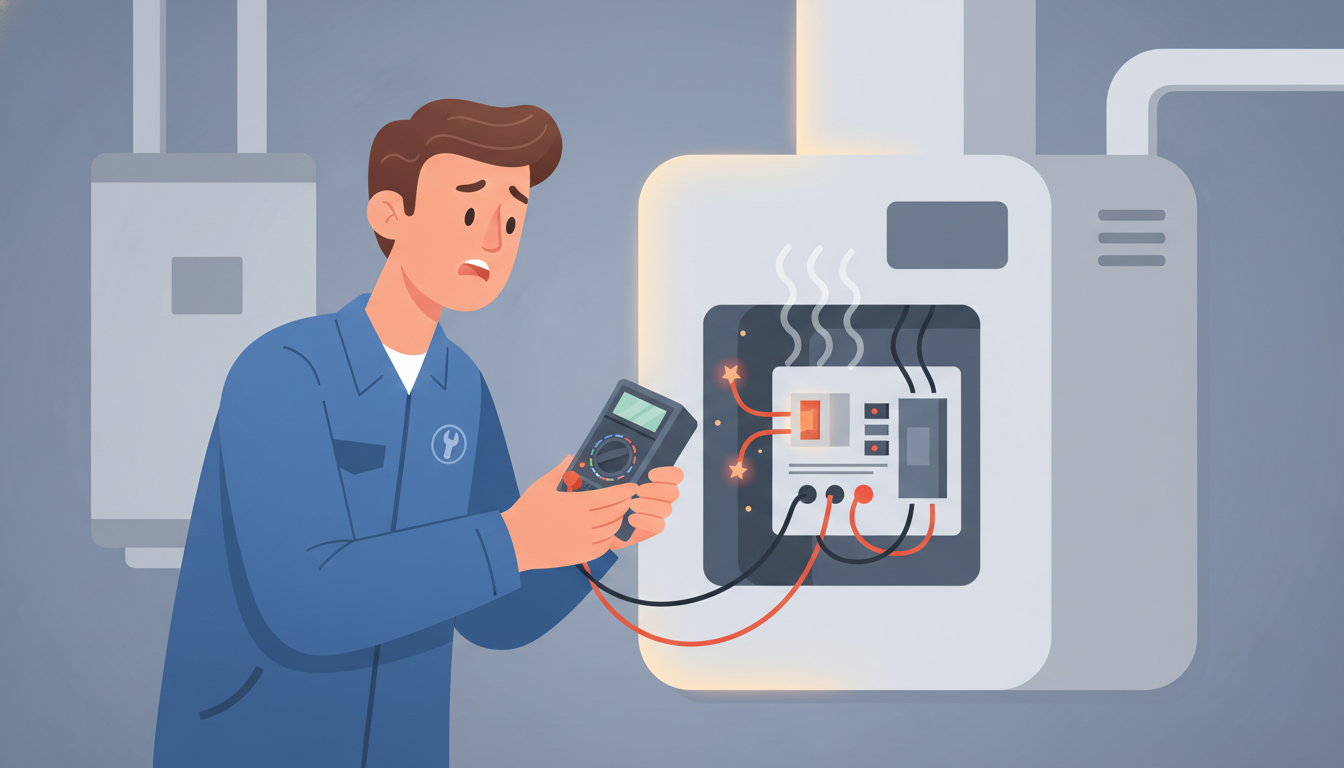
Before diving into specific causes, it's important to understand what you're dealing with. Electrical smells from HVAC systems typically have a distinct acrid or burning plastic odor, while burn marks appear as blackened, charred, or discolored areas on components. These aren't normal operating conditions—they're your system crying out for help.
Why Electrical Issues Are Dangerous
Your HVAC system runs on significant electrical power. When components malfunction, they can overheat, creating fire hazards and potentially damaging your entire system. The burning smell you detect is often the insulation on wires melting or electrical components overheating—both situations that can escalate quickly if ignored.
Top Causes of Burn Marks and Electrical Smells
1. Damaged or Failing Capacitors
Capacitors are essential components that help start your HVAC system's motors and keep them running efficiently. When a capacitor fails, it often swells, leaks, or burns out completely, producing a distinct burnt electrical smell.
Signs of capacitor failure:
- Strong electrical burning odor
- HVAC system struggles to start
- System shuts down unexpectedly
- Visible burn marks on the capacitor casing
- Bulging or leaking capacitor
Capacitors have a limited lifespan, typically 10-20 years, but extreme temperatures and frequent cycling can shorten this considerably. A failing capacitor puts extra strain on your system's motor, which can lead to motor failure and even more expensive repairs.
2. Overheating Motors
Your HVAC system contains several motors—blower motors, fan motors, and compressor motors. When these motors overheat, they emit a burning smell as the motor windings and insulation begin to deteriorate.
Common motor overheating causes:
- Lack of lubrication on motor bearings
- Blocked airflow restricting cooling
- Excessive dirt and debris accumulation
- Motor running continuously without proper cycling
- Electrical supply issues causing the motor to work harder
If you notice your system running louder than usual along with a burning smell, you likely have a motor struggling to perform. This is often accompanied by reduced airflow and decreased cooling or heating efficiency.
3. Electrical Wiring Problems
Faulty electrical wiring is one of the most dangerous causes of burning smells in HVAC systems. Loose connections, frayed wires, or improper installations can cause arcing, sparking, and overheating.
Wiring issues to watch for:
- Loose wire connections at terminals
- Corroded or oxidized wire connections
- Undersized wiring for the electrical load
- Damaged wire insulation from age or rodents
- Improper wire splices or connections
Electrical wiring problems don't just affect your HVAC system—they can pose serious fire risks to your entire home. If you smell burning and notice your HVAC breaker keeps tripping, you likely have a significant electrical issue that requires immediate professional attention.
4. Transformer Failures
The transformer in your HVAC system steps down voltage to power the thermostat and control circuits. When transformers fail, they often produce a very strong burning smell and may show visible burn marks or melted components.
Transformer failure symptoms:
- Strong electrical burning odor
- Thermostat display goes blank or acts erratically
- System won't respond to thermostat commands
- Visible scorch marks on transformer
- Humming or buzzing sounds before failure
Transformers typically fail due to short circuits, power surges, or age-related degradation. Understanding the causes of transformer failure in HVAC systems can help you prevent this costly problem and recognize the warning signs early.
5. Short Circuits in the System
A short circuit occurs when electrical current takes an unintended path, usually due to damaged insulation or faulty components. This creates excessive heat, sparks, and that characteristic burning electrical smell.
What causes HVAC short circuits:
- Water damage to electrical components
- Pest damage (rodents chewing wires)
- Component degradation from age
- Manufacturing defects
- Improper installation or repairs
Short circuits often trip your circuit breaker repeatedly. They require immediate attention because they can quickly escalate to component damage or electrical fires.
6. Clogged or Dirty Air Filters
While not strictly electrical, severely clogged air filters can indirectly cause electrical problems and burning smells. When airflow is restricted, your system works much harder, causing motors and other components to overheat.
How dirty filters lead to burning smells:
- Reduced airflow forces blower motor to work harder
- Overworked motor overheats and produces burning odor
- Heat exchanger can overheat in furnaces
- Compressor works harder in AC systems
- Overall system strain shortens component life
The simple solution? Change your air filter every 1-3 months depending on usage, pets, and environmental factors.
7. Fan Belt and Blower Issues
Older HVAC systems use fan belts to drive the blower. When these belts wear out, slip, or break, they create friction that produces a burning rubber smell. Modern systems with direct-drive motors can also develop blower issues.
Fan belt and blower problems:
- Worn or cracked belts slipping on pulleys
- Misaligned pulleys causing excessive friction
- Seized blower bearings creating drag
- Foreign objects stuck in blower assembly
- Imbalanced blower wheel
A burning rubber smell is distinctly different from an electrical burning smell—it's important to identify which you're experiencing to diagnose the problem correctly.
8. Compressor Overheating
The compressor is the heart of your air conditioning system. When it overheats, it can produce burning smells and cause significant damage to your system.
Compressor overheating causes:
- Low refrigerant levels forcing the compressor to work harder
- Dirty condenser coils preventing heat dissipation
- Failed compressor capacitor
- Electrical issues supplying incorrect voltage
- Mechanical failure within the compressor itself
Compressor replacement is one of the most expensive HVAC repairs, often costing as much as a new system. Catching overheating early can prevent total failure.
9. Dust Accumulation and Burn-Off
When you first turn on your heating system after months of disuse, a light burning smell is often normal. This is dust that has accumulated on heating elements or heat exchangers burning off during operation.
Normal vs. concerning dust burn-off:
- Normal: Light smell that dissipates within 15-30 minutes
- Concerning: Strong smell lasting hours, acrid electrical odor, visible smoke
If the smell persists beyond the initial startup or you notice actual smoke, shut down your system and investigate further. What starts as dust burning can expose underlying electrical problems.
10. Age-Related Component Degradation
HVAC systems have a typical lifespan of 15-20 years. As components age, insulation deteriorates, connections loosen, and parts wear out—all contributing to electrical problems and burning smells.
Age-related electrical issues:
- Wire insulation becoming brittle and cracking
- Electrical connections loosening over time
- Capacitors weakening and failing
- Motor windings degrading
- Control boards developing cracks and failures
If your system is approaching or past its expected lifespan and you're experiencing electrical smells or burn marks, it might be time to consider replacement rather than continuing with expensive repairs.
Identifying the Source: A Visual Inspection Guide
Before calling a technician, you can perform a basic visual inspection to help identify obvious problems. Always turn off power to your HVAC system at the breaker before inspecting any components.
What to look for:
- Discolored or blackened areas on components
- Melted plastic or burned insulation
- Burnt or charred wiring
- Swollen or leaking capacitors
- Rust or corrosion on electrical connections
- Rodent droppings or signs of pest damage
Take photos of any damage you find to show your HVAC technician—this can speed up diagnosis and repair.
When to Call a Professional Immediately
Some HVAC problems are DIY-friendly, but electrical issues are not among them. You should call a professional HVAC technician immediately if you experience:
- Persistent burning smell that doesn't dissipate quickly
- Visible smoke coming from vents or the unit itself
- Repeated circuit breaker tripping
- Sparks or arcing visible anywhere in the system
- Burn marks or melted components
- Complete system failure accompanied by burning smell
- Electrical burning smell combined with poor performance
Never ignore these warning signs. What seems like a minor issue can quickly escalate to system failure or fire hazard.
Preventing Electrical Problems in Your HVAC System
Prevention is always better (and cheaper) than repair. Here's how to minimize the risk of electrical problems and burning smells in your HVAC system:
Regular Maintenance Schedule
Professional HVAC maintenance should be performed at least once per year—ideally twice, with heating system checkup in fall and cooling system checkup in spring.
What professional maintenance includes:
- Electrical connection inspection and tightening
- Capacitor testing and replacement if needed
- Motor lubrication and testing
- Wiring inspection for damage or wear
- Voltage and amperage testing
- Cleaning of components to prevent overheating
DIY Maintenance Tasks
Between professional visits, you can perform simple maintenance to keep your system running safely:
- Change air filters regularly (every 1-3 months)
- Keep outdoor unit clear of debris, vegetation, and obstructions
- Clean vents and registers to maintain proper airflow
- Listen for unusual sounds like grinding, squealing, or buzzing
- Monitor for burning smells at startup
- Ensure proper clearance around indoor and outdoor units
Upgrade Aging Systems
If your HVAC system is over 15 years old, consider upgrading to a new, more efficient model. Modern systems have better safety features, improved efficiency, and smart diagnostics that can alert you to problems before they become serious.
The Cost of Ignoring Electrical HVAC Problems
Many homeowners delay calling for repairs, hoping the problem will resolve itself or trying to squeeze a bit more life from failing components. This approach almost always backfires.
Potential consequences of delayed repairs:
- Minor electrical issues escalate to major component failures
- A $200 capacitor replacement becomes a $1,500 motor replacement
- Fire risk increases substantially
- System efficiency drops, increasing energy bills
- Complete system failure at the worst possible time (peak summer or winter)
- Voided warranties from improper maintenance
For a comprehensive approach to HVAC maintenance and repair, check out our complete HVAC repair guide that covers troubleshooting, preventive maintenance, and when to repair versus replace.
Frequently Asked Questions
Is it safe to run my HVAC system if it smells like burning?
No, you should turn off your system immediately if you detect a persistent burning smell. While a brief dusty smell during initial seasonal startup can be normal, any electrical burning odor, visible smoke, or burning smell lasting more than 30 minutes indicates a problem that requires professional attention.
How much does it cost to fix electrical problems in HVAC systems?
Costs vary widely depending on the specific issue. A simple capacitor replacement might cost $150-$400, while motor replacement can range from $400-$1,500. Major electrical repairs or transformer replacement can exceed $1,000. Getting multiple quotes and catching problems early can help minimize costs.
Can I fix HVAC electrical problems myself?
Unless you're a licensed electrician or HVAC technician, you should not attempt to repair electrical components in your HVAC system. Working with high-voltage electrical systems without proper training and tools is dangerous and can result in injury, fire, or death. Additionally, DIY repairs often void warranties and can create bigger problems.
How often should I have my HVAC system inspected?
You should schedule professional HVAC maintenance at least once per year. Ideally, have your heating system inspected in the fall before winter and your cooling system inspected in spring before summer. Regular inspections can catch electrical issues before they cause burning smells or component failures.
What's the difference between a burning dust smell and an electrical burning smell?
A burning dust smell is lighter, less acrid, and typically occurs only during the first use of the season, disappearing within 15-30 minutes. An electrical burning smell is sharper, more acrid, smells like burning plastic or rubber, and persists during system operation. Electrical burning smells require immediate attention.
Conclusion: Don't Wait Until It's Too Late
Burn marks and electrical smells in your HVAC system are never normal operating conditions. They're warning signs that something is seriously wrong and requires immediate professional attention. Whether the cause is a failing capacitor, overheating motor, damaged wiring, or transformer failure, addressing these issues quickly can prevent expensive repairs, extend your system's life, and most importantly, protect your home and family from fire hazards.
The good news? Most electrical HVAC problems are preventable through regular maintenance, timely filter changes, and professional inspections. Don't wait for a complete system failure or dangerous situation—if you notice any burning smell or see burn marks on your HVAC components, contact a qualified HVAC technician today.
Your safety and comfort are too important to ignore these warning signs. Take action now, and breathe easier knowing your HVAC system is operating safely and efficiently.