What Causes a Burning Smell When the Heat Turns On?
What Causes a Burning Smell When the Heat Turns On?
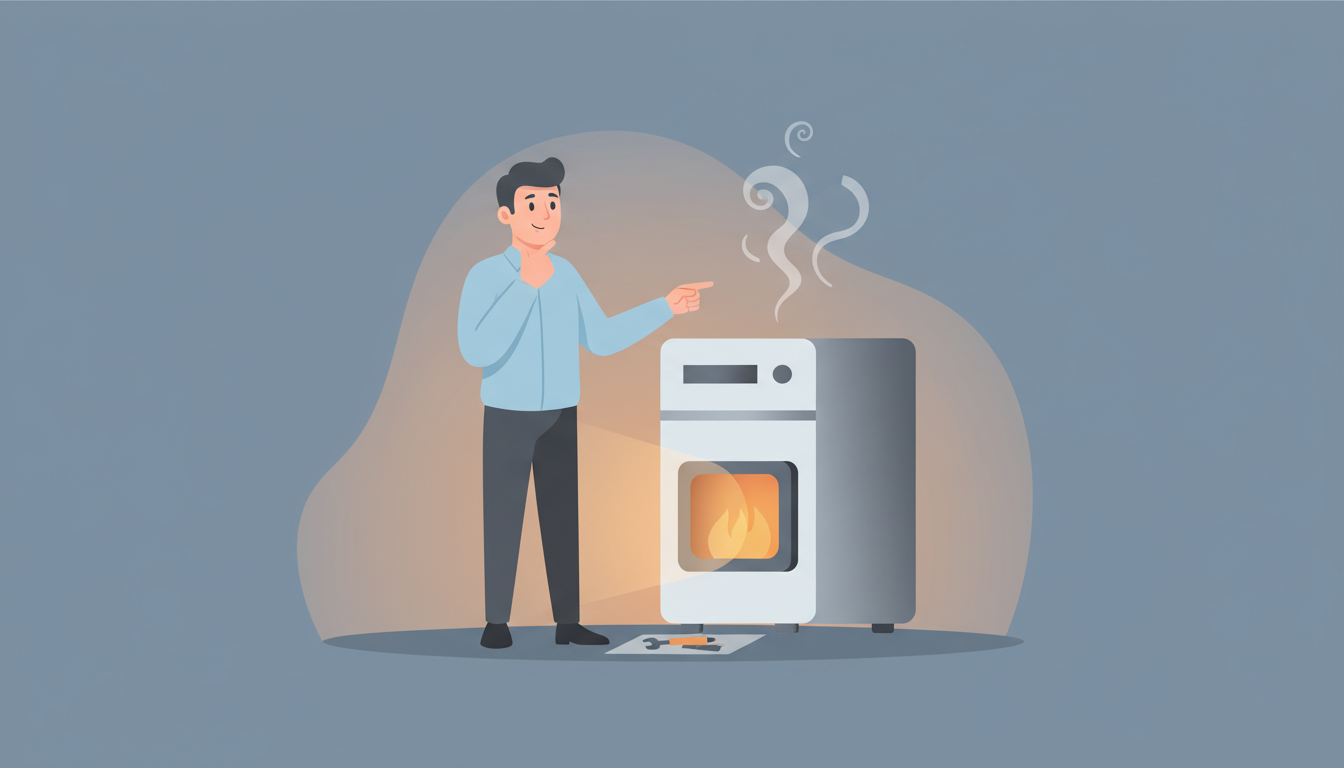
You flip the thermostat for the first time this season, and within minutes, a burning smell fills your home. Should you panic? Probably not—but you shouldn't ignore it either. Understanding what causes a burning smell when heat turns on can help you determine whether you're dealing with a harmless situation or a potential emergency that requires immediate attention.
In this guide, we'll walk you through the most common causes of furnace burning smell, help you identify which odors are normal versus dangerous, and show you exactly what steps to take to keep your family safe and your heating system running smoothly.
Is a Burning Smell from Your Heater Dangerous?
Not all burning smells are created equal. Some are completely normal and will disappear on their own, while others signal serious problems that need professional attention right away.
When it's usually safe:
- Light burning dust smell during the first use of the season
- Odor disappears within 10-30 minutes
- No visible smoke or unusual sounds
When you should take immediate action:
- Strong burning plastic or rubber smell that persists
- Rotten egg or sulfur odor (possible gas leak)
- Electrical burning smell with buzzing or sparking sounds
- Visible smoke coming from vents or the furnace itself
- Smell accompanied by headaches, dizziness, or nausea
If you experience any of the warning signs above, turn off your heating system immediately, open windows for ventilation, and contact an HVAC professional. For gas odors specifically, evacuate your home and call your gas company or 911 from outside.
8 Common Causes of Burning Smell When Heat Turns On
Let's break down exactly why does my heat smell and what each type of odor means for your heating system.
1. Dust Accumulation (Most Common)
What it smells like: Burning dust or a light smoky odor
When it happens: First time turning on heat after months of inactivity
This is by far the most common cause of heater smells like burning. During the warmer months, dust settles on your furnace's heat exchanger, burners, and inside your ductwork. When you fire up your system for the heating season, this accumulated dust burns off, creating a temporary burning dust smell from heat.
How long it lasts: Typically 15-30 minutes
What to do: Let your system run. Open windows for ventilation. The smell should disappear once the dust burns off. If it persists beyond 30 minutes or gets stronger, turn off your system and call a professional.
Prevention tip: Schedule annual HVAC maintenance before the heating season begins. A technician will clean components and remove dust buildup, eliminating this issue entirely.
2. Dirty or Clogged Air Filter
What it smells like: Burning dust mixed with a slightly musty odor
When it happens: Can occur anytime during heating season
When your air filter becomes clogged with dust, pet hair, and debris, it restricts airflow through your HVAC system. This forces your blower motor to work harder and can cause your system to overheat. The restricted air circulation also means more dust and particles get past the filter and burn on hot components.
How to check: Remove your air filter and hold it up to a light. If you can't see light passing through, it's time for a replacement.
What to do:
- Replace disposable filters immediately
- Clean reusable filters according to manufacturer instructions
- Check filters monthly during heavy use
- Consider upgrading to high-efficiency filters for better air quality
A clogged filter doesn't just cause odors—it reduces efficiency, increases energy bills, and puts unnecessary strain on your entire heating system. For more guidance on maintaining your system, check out our comprehensive HVAC repair guide.
3. Foreign Objects or Debris in Vents
What it smells like: Burning plastic, rubber, or melting synthetic materials
When it happens: Shortly after system startup
Small items like toys, crayons, plastic wrappers, or other household objects can fall into floor vents or registers. When heat flows through the ductwork, these items heat up and begin to melt or burn, creating a distinct burning plastic smell when heat turns on.
Pet bedding, papers, or even small toys near baseboard heaters can also cause these odors.
What to do:
- Turn off your heating system immediately
- Inspect all accessible vents and registers
- Remove any visible objects
- Use a flashlight to check deeper into ductwork
- If the smell persists, you may have debris deeper in the system requiring professional ductwork cleaning
Never ignore persistent burning plastic smells—melting objects can damage components and potentially create fire hazards.
4. Electrical Component Failure
What it smells like: Burning plastic or an acrid electrical odor, often with a sharp, chemical quality
When it happens: During operation, may be accompanied by unusual sounds
Your HVAC system contains numerous electrical components including wiring, circuit boards, capacitors, and relays. When these components overheat, short circuit, or fail, they produce a distinctive electrical burning smell.
Warning signs:
- Burning smell accompanied by buzzing, humming, or crackling sounds
- Flickering lights when the heater runs
- System frequently trips circuit breakers
- Visible sparks or burn marks near the furnace
What to do: This is a serious situation that requires immediate attention. Electrical failures can lead to fires and complete system damage. Turn off your heating system at the thermostat AND the circuit breaker. Don't attempt to restart it. Contact an HVAC technician immediately for emergency repair.
If you're experiencing this kind of HVAC emergency, professional help is essential—this isn't a DIY situation.
5. Overheating Blower Motor or Worn Bearings
What it smells like: Hot metal or burning oil
When it happens: After system has been running for a while
Your blower motor is responsible for circulating heated air throughout your home. When the motor overheats due to excessive strain, worn bearings, or lack of lubrication, it can produce a metallic burning smell from furnace components.
Common causes:
- Dirty air filter forcing the motor to work harder
- Failed motor bearings
- Capacitor failure
- Motor nearing end of life
- Belt-drive motors with slipping or worn belts
What to do:
- Check and replace your air filter
- Listen for squealing, grinding, or excessive noise from the motor
- If the motor is hot to the touch or making unusual sounds, turn off the system
- Schedule professional service for motor inspection and potential replacement
Continuing to run a failing blower motor can lead to complete motor burnout, requiring costly emergency replacement.
6. Cracked or Damaged Heat Exchanger
What it smells like: Burning metal, sometimes with a sweet or formaldehyde-like chemical smell
When it happens: During heating cycles, may worsen over time
The heat exchanger is the heart of your gas furnace—it heats air while keeping combustion gases separate from the air circulating through your home. When heat exchangers crack or corrode, they can produce burning odors and, more dangerously, allow carbon monoxide to leak into your home.
Warning signs:
- Persistent unusual odors
- Soot buildup around the furnace
- Yellow or flickering burner flames (should be steady blue)
- Excessive moisture or rust on furnace components
- Carbon monoxide detector alarming
What to do: A cracked heat exchanger is a serious safety issue. Turn off your furnace immediately and have it professionally inspected. Carbon monoxide is odorless, colorless, and deadly—never take chances with potential heat exchanger problems.
7. Mold or Mildew in the System
What it smells like: Musty, damp, earthy odor rather than a true "burning" smell
When it happens: Can occur year-round but often worse during startup
While not technically a burning smell, many homeowners describe the musty odor from mold or mildew growth in ductwork, on air filters, or around the furnace as having a "burnt" quality when mixed with heated air.
Common causes:
- High humidity
- Condensation in ductwork
- Dirty air filters
- Previous water damage or leaks
- Poor ventilation
What to do:
- Replace air filters
- Have ductwork professionally cleaned and inspected
- Address any moisture issues or leaks
- Consider installing a UV light air purifier in your HVAC system
- Ensure proper ventilation and humidity control
Mold and mildew don't just smell bad—they negatively impact indoor air quality and can trigger allergies and respiratory issues.
8. Oil or Gas Fuel Issues
What it smells like: Rotten eggs, sulfur, or petroleum/kerosene odors
When it happens: During system operation
If you have an oil furnace and smell oil, or if you have a gas furnace and smell rotten eggs (natural gas), this indicates a potential fuel leak or combustion problem.
Critical safety information:
- Natural gas has mercaptan added to give it a rotten egg smell for safety
- Even small gas leaks can be dangerous
- Oil leaks can indicate failing components or overfilling
What to do for gas smell:
- Do NOT turn on lights, use phones, or create any sparks
- Evacuate all people and pets immediately
- Call 911 or your gas company from outside
- Do not re-enter until professionals declare it safe
What to do for oil smell:
- Turn off your system
- Check for visible leaks or spills
- Contact your heating oil company or HVAC technician
- Ensure proper ventilation
How to Identify Your Burning Smell: A Quick Guide
Not sure which category your odor falls into? Use this quick identification guide:
| Smell Description | Most Likely Cause | Danger Level |
|---|---|---|
| Light dusty, smoky | Dust burning off | Low - monitor |
| Burning plastic | Foreign object or electrical issue | Medium-High |
| Electrical/acrid | Electrical component failure | High |
| Hot metal/oil | Blower motor or bearings | Medium |
| Rotten eggs/sulfur | Gas leak | CRITICAL - evacuate |
| Musty/moldy | Mold or mildew | Low-Medium |
| Petroleum/oil | Oil furnace leak | Medium-High |
What to Do When You Smell Burning from Your Heat
Follow this step-by-step troubleshooting approach to safely address heater burning smell issues:
Immediate Actions (First 5 Minutes)
- Don't panic, but don't ignore it - Most burning smells aren't emergencies, but all require attention
- Identify the smell type - Use the guide above to categorize what you're experiencing
- Check for visible smoke - Look at vents, around the furnace, and the furnace itself
- Listen for unusual sounds - Grinding, buzzing, crackling, or humming noises indicate problems
For Dust Smells (Normal Startup)
- Let the system run for 15-30 minutes
- Open windows for ventilation
- Monitor the situation - smell should decrease over time
- If it persists beyond 30 minutes, shut down and call a professional
For Concerning Smells (Electrical, Plastic, Gas)
- Turn off the thermostat immediately
- Switch off the circuit breaker to the HVAC system
- Open windows for ventilation
- For gas odors: evacuate and call 911 or your gas company
- Contact an HVAC professional - don't attempt DIY repairs
- Don't restart the system until it's been professionally inspected
DIY Safety Checklist
Before calling a professional, you can safely check these items:
- Air filter condition - Replace if dirty or clogged
- Vents and registers - Remove any visible obstructions
- Thermostat settings - Ensure it's set correctly
- Circuit breakers - Check if any have tripped
- Visible damage - Look for obvious issues (loose wires, rust, leaks)
- Carbon monoxide detector - Ensure it's working properly
Never attempt to:
- Open the furnace cabinet while it's running
- Touch electrical components
- Repair gas line connections
- Override safety switches
- Clear debris near burners or flames
For more detailed guidance on safe troubleshooting, read our article on how to troubleshoot heating problems safely at home.
How Long Should a Burning Smell Last?
This is one of the most common questions homeowners ask about burning smell when heat turns on.
Normal dust burning:
- Should last 15-30 minutes maximum
- Smell should gradually decrease, not increase
- No visible smoke after initial startup
- No unusual sounds
Abnormal situations:
- Smell lasting over 30 minutes
- Smell getting stronger over time
- Smell returning every time the system cycles on
- Smell accompanied by other symptoms
If your burning smell persists beyond the 30-minute mark or you experience any abnormal situations, your heating system needs professional attention.
Different Heating Systems, Different Smells
The type of heating system you have can influence what burning smells mean:
Gas Furnaces
Most common odors are dust at startup, potential gas leaks (rotten eggs), and heat exchanger issues. Gas furnaces require annual safety inspections due to carbon monoxide risks.
Electric Heat Pumps
Typically produce dust burning smells during winter startup. May also smell when defrost cycle activates. Less risk of carbon monoxide, but electrical component failures still pose fire risks.
Oil Furnaces
Can produce petroleum odors if there's a leak or combustion issue. Oil smell should never be ignored—it indicates a problem requiring immediate professional service.
Baseboard Heaters
Often collect dust between panels and produce burning smells when first used each season. Check for objects or fabric touching hot surfaces.
Preventing Burning Smells: Proactive Maintenance
The best way to avoid concerning burning smells is preventative maintenance:
Annual Professional Maintenance
Schedule service before the heating season begins:
- Complete system inspection
- Cleaning of burners, heat exchanger, and blower components
- Air filter replacement
- Electrical connection check
- Safety control testing
- Ductwork inspection
Monthly Homeowner Tasks
- Check and replace air filters (every 1-3 months depending on usage)
- Keep vents and registers clear of furniture and debris
- Inspect visible ductwork for damage or disconnections
- Test carbon monoxide detectors
- Listen for unusual sounds during operation
Seasonal Preparation
Before first use each fall/winter:
- Replace air filter with a fresh one
- Clear all vents and registers
- Run system for 30 minutes while you're home to monitor
- Open windows during first use for ventilation
- Check thermostat batteries
Regular maintenance not only prevents burning smells but also:
- Improves energy efficiency (saving 15-20% on heating costs)
- Extends equipment lifespan
- Maintains warranty coverage
- Prevents emergency breakdowns during extreme weather
- Ensures safe operation and indoor air quality
When to Call a Professional HVAC Technician
While some burning smell situations resolve on their own, others require professional expertise. Call a qualified HVAC technician when:
Immediate emergency service needed:
- Gas or oil odors
- Electrical burning smell with sparking or smoke
- Carbon monoxide detector alarming
- Visible fire or heavy smoke
Same-day service recommended:
- Burning plastic smell that persists
- System shuts off repeatedly with burning smell
- Loud unusual noises with burning odor
- No heat despite system running
Schedule service within a few days:
- Dust smell persists beyond 30 minutes
- Musty mold odors
- Smell returns every heating cycle
- System is more than 10 years old and showing symptoms
What a Technician Will Check
During a service call for burning smell complaints, expect your HVAC professional to:
- Safety inspection - Check for carbon monoxide, gas leaks, and electrical hazards
- Heat exchanger examination - Look for cracks, corrosion, or damage
- Electrical component testing - Inspect wiring, capacitors, and control boards
- Blower motor assessment - Test motor function, bearings, and belts
- Burner and ignition inspection - Ensure proper combustion and flame quality
- Ductwork evaluation - Check for debris, disconnections, or damage
- Air filter and airflow verification - Confirm proper system breathing
- Overall system performance - Test efficiency and operation
Understanding Seasonal First Startup Smells
The beginning of heating season brings specific challenges. Here's what to expect and how to handle the transition:
Why Fall Startup Is Different
Your furnace sits idle for 6-8 months during spring and summer. During this time:
- Dust settles on all surfaces
- Seasonal humidity changes can promote mold
- Insects or small pests may enter ductwork
- Thermal expansion/contraction affects seals and connections
- Electrical components may corrode slightly
All of these factors contribute to that first-use burning smell when turning on heat first time each season.
The "First Fire" Protocol
When starting your heat for the first time:
- Choose the right day - Pick a mild day when you don't desperately need heat
- Open windows - Ensure good ventilation throughout your home
- Be present - Don't leave the house during the first 30-minute burn-off
- Monitor continuously - Watch for smoke, listen for sounds, note smell changes
- Give it time - Allow 30 minutes for dust to burn off
- Document issues - Note any persistent smells or unusual behavior
Geographic and Climate Factors
Where you live affects your burning smell experience:
Humid climates:
- Higher risk of mold and mildew
- More moisture-related corrosion
- May need dehumidification or enhanced ventilation
Dry climates:
- More dust accumulation
- Static electricity can affect electronics
- May benefit from humidification
Severe cold regions:
- Heat pumps may struggle, producing unusual smells during defrost
- Higher heating demands stress older systems
- Backup heat sources (electric coils) may activate with distinct odors
The Health Impact of Heating Odors
While we've focused on safety and equipment concerns, burning smells can also affect indoor air quality and health:
Short-Term Effects
- Headaches
- Eye, nose, and throat irritation
- Coughing or breathing difficulty
- Dizziness or nausea
- Allergic reactions
When to Be Extra Cautious
Certain individuals are more vulnerable to air quality issues:
- Children and infants
- Elderly individuals
- People with asthma or respiratory conditions
- Those with chemical sensitivities
- Pregnant women
If anyone in your household experiences symptoms when the burning smell occurs, ensure excellent ventilation and have your system professionally inspected immediately.
Carbon Monoxide: The Silent Threat
Carbon monoxide is particularly dangerous because it's odorless and colorless. While it doesn't cause a burning smell itself, many of the situations that produce burning odors (cracked heat exchanger, combustion problems) can also create carbon monoxide.
Essential safety measures:
- Install CO detectors on every floor and near bedrooms
- Test detectors monthly
- Replace detector batteries annually
- Never ignore a CO detector alarm
- Know the symptoms: headache, dizziness, nausea, confusion
Frequently Asked Questions
Is it normal for my furnace to smell when I first turn it on?
Yes, a light burning dust smell is completely normal when you first turn on your heat after months of inactivity. This occurs because dust accumulates on the heat exchanger and burners during the off-season. The smell should disappear within 15-30 minutes. If it persists longer or smells like burning plastic or electrical components, turn off your system and call a professional.
How do I get rid of a burning smell from my heater?
For normal dust burning, simply run your system with windows open for ventilation—the smell will disappear once the dust burns off. For persistent or unusual burning smells, turn off your heating system, replace the air filter, check vents for obstructions, and contact an HVAC technician. Never mask serious burning smells with air fresheners without addressing the underlying cause.
Can a dirty air filter cause a burning smell?
Absolutely. A clogged air filter restricts airflow, causing your system to overheat and work much harder than designed. This can produce burning smells from overheated components and may also allow dust to bypass the filter and burn on hot surfaces. Check your filter monthly and replace it every 1-3 months depending on usage, pets, and indoor air quality.
When should I worry about a burning smell from my heat?
You should take immediate action if you notice: burning plastic or rubber odors that persist, rotten egg smells (indicating gas leak), electrical burning with buzzing sounds, visible smoke, or if the smell is accompanied by headaches or dizziness. In these cases, turn off your system, ventilate your home, and call a professional. For gas odors, evacuate immediately and call your gas company or 911.
Why does my heat smell different this year compared to last year?
Your heating system ages and accumulates different amounts of dust each year. Additionally, changes in your home (new pets, remodeling, different filter types), system wear, or developing component issues can all affect smells. If the smell is noticeably stronger, different in character, or doesn't dissipate quickly, have your system professionally inspected before continued use.
Take Action to Protect Your Home and Family
A burning smell when heat turns on shouldn't be ignored, even if it seems minor. While most cases involve harmless dust burning off, some signal serious safety hazards or expensive component failures that will only worsen over time.
The best approach is always prevention through regular maintenance. Annual professional service before each heating season can identify potential problems before they create burning smells, safety hazards, or expensive emergency repairs.
Don't let a burning smell ruin your comfort or compromise your safety this heating season. If you're experiencing persistent odors, unusual sounds, or any concerns about your HVAC system's performance, contact a qualified heating professional today.
Remember: Your furnace works hard to keep you comfortable all winter long. A little preventative attention now can save you from cold nights, costly repairs, and potential safety issues down the road.
Stay warm, stay safe, and breathe easy knowing your heating system is operating exactly as it should.