
What Causes a Dirty Flame Sensor Problem? (And How to Fix It Fast)
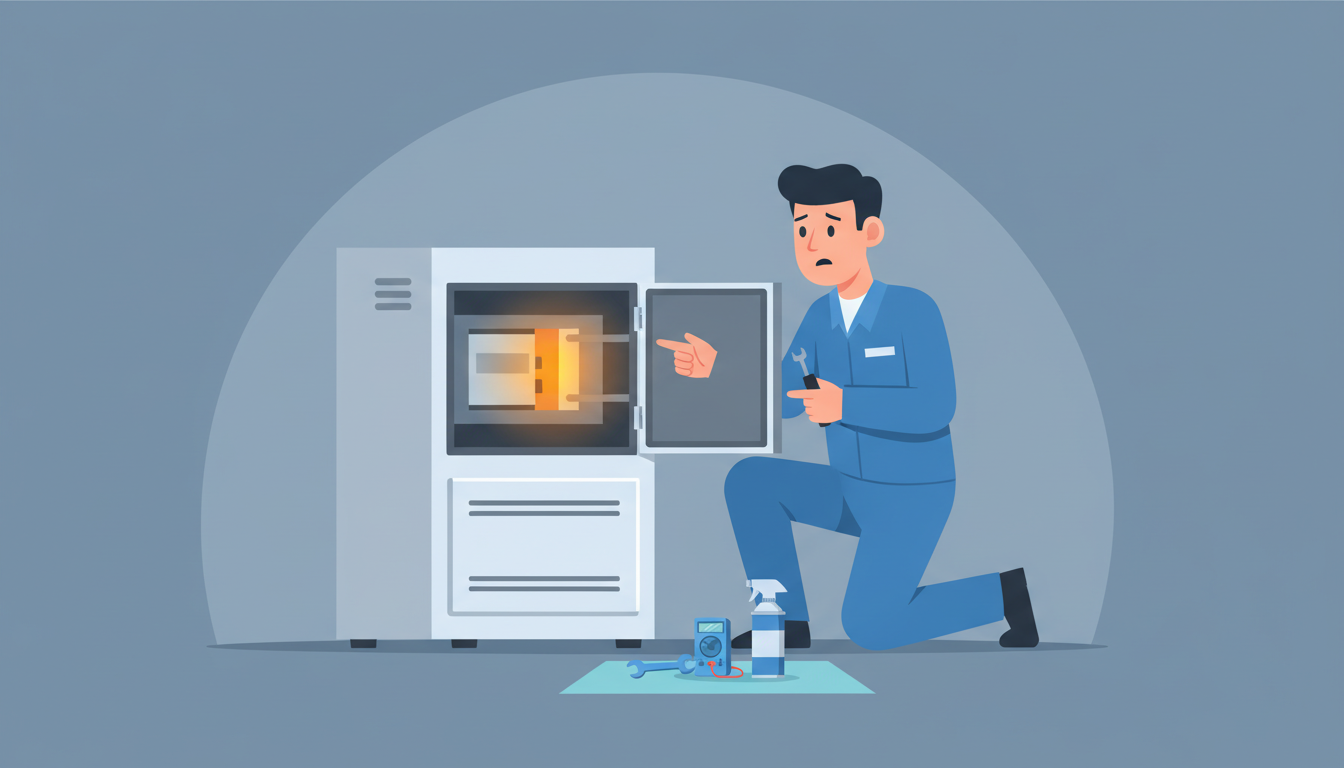
What Causes a Dirty Flame Sensor Problem? (And How to Fix It Fast)
If your furnace keeps shutting off after just a few seconds, you're likely dealing with a dirty flame sensor. This tiny but critical component is responsible for keeping your home warm and safe—but when it gets dirty, your entire heating system can grind to a halt. Understanding what causes a dirty flame sensor problem is the first step to getting your furnace back up and running.
In this guide, we'll walk you through everything you need to know about flame sensor problems: what causes them, how to spot the warning signs, and what you can do to fix or prevent them.
What Is a Flame Sensor and Why Does It Matter?
A flame sensor (also called a flame rod) is a small metal rod located inside your furnace's burner assembly. Its job is simple but vital: it detects whether a flame is present after the gas valve opens. If the sensor confirms a flame, your furnace continues to operate normally. If it doesn't detect a flame—or if it's too dirty to sense one—the furnace shuts down immediately to prevent unburned gas from accumulating in your home.
This safety mechanism protects you from potentially dangerous situations like gas leaks or carbon monoxide buildup. But when the sensor gets covered in dirt, dust, or other contaminants, it can't do its job properly—even when a flame is present.
The #1 Cause of Dirty Flame Sensor Problems: Dust and Debris Buildup
The most common culprit behind a dirty flame sensor is simple dust and debris accumulation. Over time, your furnace pulls in air from your home, and that air carries microscopic particles of dust, dirt, pet dander, and other airborne contaminants.
These particles settle on the flame sensor rod, creating a thin insulating layer that blocks the sensor's ability to detect the flame. Even a barely visible coating can cause problems because the sensor relies on detecting tiny electrical currents (measured in microamps) generated by the flame.
Why dust builds up so quickly:
- Lack of regular furnace maintenance and inspections
- Dirty or clogged air filters that don't trap particles effectively
- High dust levels in your home environment
- Infrequent professional HVAC system cleanings
The good news? Regular cleaning can prevent this issue entirely.
Soot and Carbon Deposits: The Silent Sensor Killer
While dust is the most common problem, soot and carbon deposits are often more stubborn. When your furnace burns natural gas or propane, the combustion process can produce small amounts of carbon residue—especially if the fuel-to-air mixture isn't properly balanced.
This black, sooty buildup coats the flame sensor rod, acting as an insulator that weakens or blocks the flame signal. Your furnace's control board interprets this as "no flame detected" and shuts off the gas valve within seconds. The system then attempts to restart, creating a frustrating cycle of short starts and shutdowns.
Common causes of excessive soot buildup:
- Improper fuel-to-air ratio (often caused by a dirty burner)
- Insufficient combustion air supply
- Cracked heat exchanger allowing incomplete combustion
- Burner orifices that are partially blocked
- Yellow or orange flames instead of crisp blue flames (a telltale sign of incomplete combustion)
If you notice black soot accumulating around your furnace or on the sensor, it's time to address the underlying combustion problem—not just clean the sensor. Check out our comprehensive furnace repair guide for more troubleshooting tips.
Rust and Corrosion: When Moisture Meets Metal
Flame sensors are typically made of stainless steel or other metal alloys, which means they're susceptible to rust and corrosion over time. The combustion process produces moisture as a byproduct, and when this moisture repeatedly contacts the metal sensor rod, oxidation occurs.
Rust creates a rough, non-conductive surface on the sensor that prevents it from accurately detecting the flame. Unlike dust or soot, rust can't simply be wiped away—it often requires more aggressive cleaning with fine-grit sandpaper or emery cloth.
Factors that accelerate corrosion:
- High humidity levels in your basement or utility room
- Poor ventilation around the furnace
- Condensation from a high-efficiency furnace not draining properly
- Extended periods of furnace inactivity (like during summer months)
- Age of the sensor (older sensors naturally corrode faster)
In severe cases of corrosion, the sensor may need to be replaced entirely rather than cleaned.
Environmental Contaminants: The Hidden Culprits
Your home environment plays a bigger role in flame sensor health than most homeowners realize. Certain airborne chemicals and contaminants can rapidly foul a flame sensor, causing it to fail prematurely.
Common household contaminants that damage flame sensors:
Hair products and aerosols: If someone in your household regularly uses hairspray, permanent solutions, or other aerosol products near the furnace intake, the chemical residue can coat the sensor. Ammonia from perm solutions is particularly notorious for causing rapid sensor fouling.
Laundry chemicals: Open containers of bleach, fabric softener, or other laundry products stored near the furnace release fumes that can deposit on the flame sensor.
Cigarette smoke: Tobacco smoke contains tar and other sticky substances that create a stubborn film on the sensor rod.
Paint fumes and solvents: If you've recently done painting or renovation work near your furnace, the fumes can leave a residue on sensitive components.
Pet dander and hair: Homes with multiple pets often experience faster sensor fouling due to higher airborne particle levels.
The solution? Keep chemical products sealed and stored away from your furnace, ensure proper ventilation, and change your air filters more frequently if you have pets or use aerosol products regularly.
Physical Damage: Cracks, Breaks, and Wear
The outer insulating portion of a flame sensor is usually made of porcelain or ceramic material. This insulator protects the electrical connection and keeps the sensor properly positioned in the flame. However, porcelain is brittle and can crack or chip from:
- Accidental impact during furnace maintenance
- Thermal stress from repeated heating and cooling cycles
- Vibration from the furnace blower motor
- Age-related brittleness
When the porcelain cracks, the sensor can't maintain proper grounding or positioning. This leads to false readings or complete failure to detect the flame. In these cases, cleaning won't help—the sensor must be replaced.
Additionally, the mounting bracket or electrical connection can become loose over time, preventing the sensor from making proper contact with the control board. Regular inspections can catch these issues before they cause a shutdown.
Wiring and Connection Issues
Sometimes what appears to be a dirty flame sensor is actually a wiring or connection problem. The sensor must maintain a complete electrical circuit with the furnace control board to function properly.
Common electrical issues that mimic a dirty sensor:
- Loose or corroded wire connections at the sensor or control board
- Damaged or frayed sensor wiring
- Poor grounding caused by rust on mounting hardware
- Control board malfunction affecting the flame sensor circuit
If you've cleaned the sensor thoroughly and the problem persists, checking the electrical connections should be your next step. For more complex electrical issues, you may also want to investigate whether you're dealing with a pressure switch problem, which can cause similar symptoms.
Sensor Age and Degradation
Even with perfect maintenance, flame sensors don't last forever. Most sensors have a lifespan of 15-20 years under normal operating conditions. As they age, the metal rod naturally degrades, becoming less responsive to flame ionization.
Signs your sensor may be reaching the end of its life:
- Requires cleaning more frequently than in previous years
- Doesn't respond to cleaning as well as it used to
- Visible pitting, erosion, or deep corrosion on the rod
- The sensor is original to a furnace that's 15+ years old
If your sensor is showing these signs, replacement is often more cost-effective than repeated cleaning attempts.
How to Identify a Dirty Flame Sensor Problem
Now that you know what causes flame sensor problems, here are the telltale signs to watch for:
1. Furnace Short Cycling
The most obvious symptom is short cycling: your furnace starts up, the burners ignite, but everything shuts down after 3-10 seconds. The system then waits and tries again, repeating the cycle endlessly. This happens because the dirty sensor can't confirm flame presence, so the control board cuts the gas for safety.
2. Furnace Won't Stay Running
Similar to short cycling, your furnace may fire up normally but fail to stay running. You'll hear the igniter clicking, see the burners light, but then everything goes dark within seconds.
3. Yellow or Orange Flames
Healthy gas furnace flames should be crisp, blue, and cone-shaped. If you see yellow, orange, or flickering flames, it indicates incomplete combustion—which produces the soot that dirties your flame sensor.
4. Higher Energy Bills
When your furnace can't complete its heating cycles, it uses more energy trying to start repeatedly. If your heating costs have spiked without explanation, a dirty flame sensor could be wasting energy.
5. Visible Dirt on the Sensor
If you can safely access your furnace burner assembly, look at the flame sensor rod. A dirty sensor will have visible discoloration, black soot, white crusty deposits, or rust on the metal surface.
How to Clean a Dirty Flame Sensor (DIY Method)
Cleaning a flame sensor is one of the simpler furnace maintenance tasks homeowners can tackle themselves. Here's how to do it safely:
What you'll need:
- Screwdriver (usually 1/4" hex driver or Phillips)
- Fine-grit sandpaper (400-grit) or emery cloth
- Clean, dry cloth
- Optional: rubbing alcohol or electrical contact cleaner
Step-by-step cleaning process:
-
Turn off power to the furnace at the breaker panel and the furnace's power switch.
-
Remove the furnace access panel to access the burner assembly.
-
Locate the flame sensor—it's a thin metal rod (usually about 1/8" diameter) positioned near the burners, held in place by a single screw or mounting bracket.
-
Disconnect and remove the sensor by unscrewing the mounting screw and gently pulling the sensor and wire from the bracket.
-
Clean the metal rod by gently rubbing it with fine-grit sandpaper or emery cloth. Use light pressure and work along the length of the rod, not around it. Remove all visible residue, soot, and oxidation.
-
Wipe the sensor clean with a dry cloth. You can use a small amount of rubbing alcohol to remove any remaining residue, but make sure it's completely dry before reinstalling.
-
Reinstall the sensor in the exact same position and orientation, securing it with the mounting screw.
-
Restore power and test the furnace.
Important safety notes:
- Never use steel wool or abrasive materials that could damage the sensor
- Don't bend or force the sensor rod
- If you're uncomfortable working with your furnace, call a professional
When to Call a Professional
While cleaning a flame sensor is DIY-friendly, some situations require professional expertise:
- The problem persists after cleaning
- You see cracks in the porcelain insulator
- There's extensive corrosion or damage to the sensor
- You notice other furnace problems (strange noises, gas smell, etc.)
- Your furnace is still under warranty
- You're not comfortable working around gas appliances
A qualified HVAC technician can diagnose whether the issue is truly the flame sensor or something else like the igniter, gas valve, or control board.
How to Prevent Dirty Flame Sensor Problems
Prevention is always easier than repair. Here's how to keep your flame sensor clean and functional:
1. Change Air Filters Regularly
Your furnace air filter is your first line of defense against dust and debris. Replace it every 1-3 months depending on usage, pets, and air quality. A clogged filter forces your furnace to work harder and allows more particles to reach the burner assembly.
2. Schedule Annual Furnace Maintenance
Professional HVAC maintenance includes flame sensor inspection and cleaning as part of a comprehensive tune-up. Technicians can spot potential problems before they cause breakdowns.
3. Keep the Furnace Area Clean
Minimize dust sources around your furnace. Don't store boxes, chemicals, or other items that could release particles or fumes near the unit.
4. Ensure Proper Combustion
If you notice yellow flames or excessive soot, have your furnace inspected for combustion problems. Addressing the root cause prevents rapid sensor re-fouling.
5. Improve Home Air Quality
Consider using air purifiers, upgrading to HEPA filters, or installing a whole-home air filtration system to reduce airborne contaminants throughout your house.
Frequently Asked Questions (FAQ)
How often should I clean my furnace flame sensor?
For most homes, annual cleaning during routine maintenance is sufficient. However, if you have pets, live in a dusty area, or use aerosol products frequently, you may need to clean it twice a year.
Can I use steel wool to clean a flame sensor?
No. Steel wool is too abrasive and can scratch or damage the sensor rod. Always use fine-grit sandpaper (400-grit or higher) or emery cloth for gentle cleaning.
How much does it cost to replace a flame sensor?
Professional replacement typically costs $150-$300 including parts and labor. The sensor itself usually costs $20-$50, making it a relatively inexpensive part if you choose to DIY.
Will a dirty flame sensor cause carbon monoxide problems?
Indirectly, yes. A malfunctioning sensor can indicate combustion problems that may produce carbon monoxide. Additionally, if the sensor fails completely and the furnace bypasses the safety mechanism, incomplete combustion could occur. This is why functioning flame sensors are critical for safety.
Can I bypass the flame sensor to test if it's the problem?
Absolutely not. Bypassing safety devices on a gas furnace is extremely dangerous and can lead to gas accumulation, carbon monoxide poisoning, or explosion. Always repair or replace faulty safety components—never bypass them.
Conclusion: Keep Your Furnace Running Safely and Efficiently
A dirty flame sensor is one of the most common reasons furnaces fail to operate properly—but it's also one of the easiest problems to prevent and fix. Whether the culprit is dust buildup, soot deposits, corrosion, or environmental contaminants, understanding what causes your flame sensor to get dirty empowers you to take action.
Regular maintenance, clean air filters, and keeping your furnace environment free of chemicals and excessive dust are your best defenses against recurring flame sensor problems. When cleaning doesn't solve the issue, don't hesitate to call a qualified HVAC professional to inspect your system thoroughly.
A properly functioning flame sensor doesn't just keep your home warm—it keeps your family safe. Don't ignore the warning signs of a dirty or failing sensor. Address the problem promptly, and your furnace will reward you with reliable, efficient heating for years to come.
Need more help with your furnace? Check out our complete collection of HVAC repair guides for troubleshooting tips and expert advice.