What Causes an HVAC Float Switch to Shut the System Off?
What Causes an HVAC Float Switch to Shut the System Off?
Did your air conditioner suddenly stop working on the hottest day of summer? If you've discovered water pooling near your HVAC system or noticed your unit won't turn back on, your float switch has likely activated. This small but critical safety device protects your home from expensive water damage—but understanding what causes an HVAC float switch to shut the system off can help you prevent future emergencies and get your cooling back fast.
What Is an HVAC Float Switch?
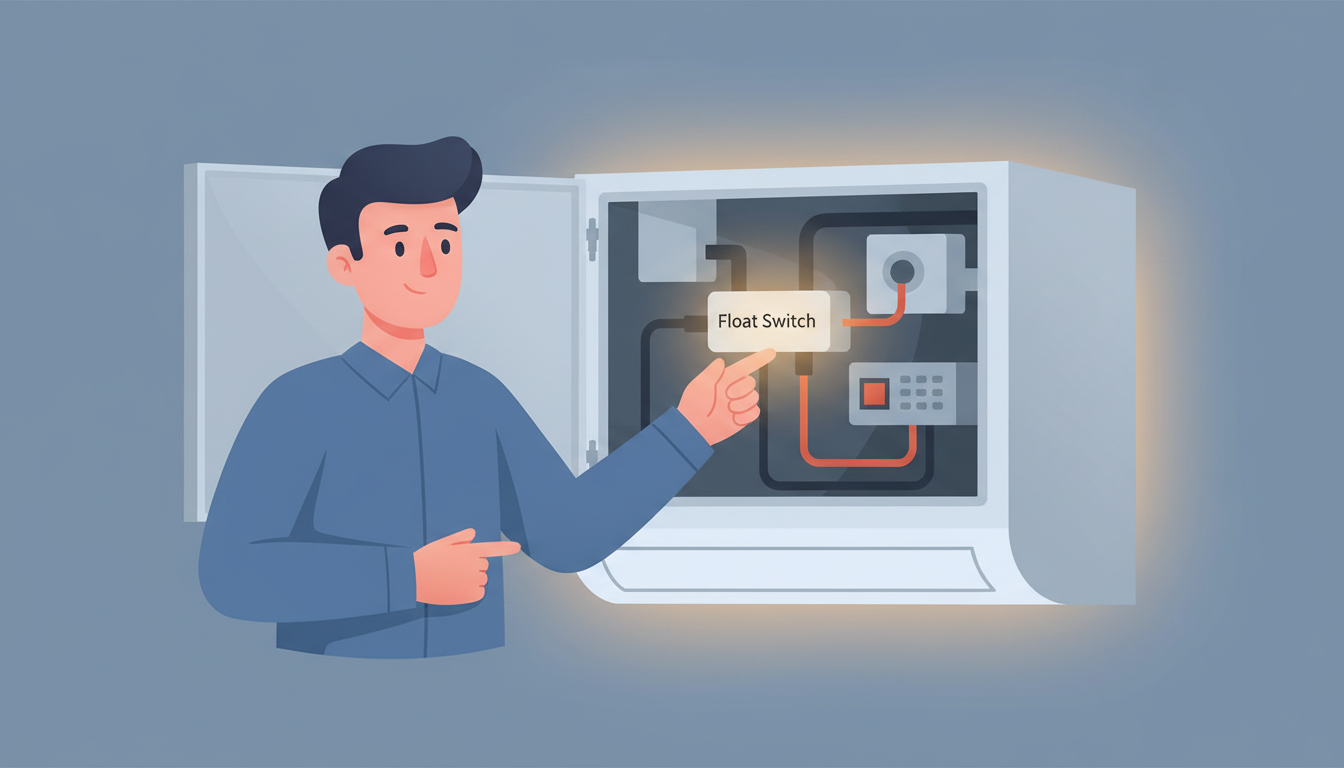
An HVAC float switch (also called a condensate overflow switch or safety switch) is a protective device installed in your air conditioning system's drain pan. Its sole purpose is to detect rising water levels and automatically shut down your system before water overflows and damages your home.
Think of it like a smoke detector for water problems. When the water level in your drain pan rises too high—usually just a quarter inch or so—the float switch activates and cuts power to your air conditioner. This emergency shutoff prevents thousands of dollars in water damage, mold growth, and structural issues.
Your float switch works in one of two ways:
Mechanical Float Switch: Uses a buoyant ball or float that rises with water level. When the water reaches a critical height, the float physically moves upward and triggers a switch that breaks the electrical circuit to your HVAC system.
Electronic Sensor Switch: Uses electrical conductivity or infrared sensors to detect water presence. When water reaches the sensor probes, it completes a circuit that signals the system to shut down.
Both types accomplish the same goal—protecting your home by stopping your AC before water can spill onto floors, ceilings, or walls.
Common Causes of Float Switch Activation
Understanding what causes an HVAC float switch to shut the system off starts with recognizing that the switch itself isn't the problem—it's doing exactly what it should. The real issue is what's causing water to accumulate in the drain pan.
Clogged Condensate Drain Line
The #1 cause of float switch activation is a clogged condensate drain line. Your air conditioner produces condensation as it cools the air—often 5 to 20 gallons per day in humid climates. This water must drain away through a small PVC pipe, but over time, this drain line becomes blocked.
Common culprits include:
- Algae and slime buildup: The warm, moist environment inside drain lines is perfect for algae growth. This green or black slime gradually narrows the pipe until water can't flow freely.
- Mold accumulation: Similar to algae, mold thrives in condensate lines and forms thick blockages.
- Dust and debris: Airborne particles stick to the moist pipe walls, building up layer by layer.
- Mineral deposits: If you have hard water, minerals like calcium and lime crystallize inside the drain line, creating stubborn blockages.
When the drain line clogs, condensation has nowhere to go. It backs up into the drain pan, the water level rises, and your float switch activates to prevent overflow.
Blocked or Dirty Drain Pan
Even if your drain line is clear, a dirty or blocked drain pan can trigger your float switch. The drain pan sits directly beneath your evaporator coil and catches condensation as it drips down. If the pan's drain opening gets clogged with sludge, rust, or debris, water pools in the pan faster than it can drain.
Signs your drain pan might be the problem:
- Visible rust or corrosion in the pan
- Sludge or sediment buildup around the drain hole
- Standing water even after clearing the drain line
Older HVAC systems are especially prone to drain pan issues because the metal pans can rust through or develop cracks over time.
Frozen Evaporator Coil
A frozen evaporator coil creates a chain reaction that ends with your float switch shutting down your system. When the coil freezes, ice builds up and blocks normal condensation drainage. Once the ice melts—whether the system defrosts naturally or you turn it off—all that melted ice water floods into the drain pan at once, overwhelming the drainage system.
Evaporator coils freeze for several reasons:
- Dirty air filters restricting airflow over the coil
- Low refrigerant levels causing the coil to get too cold
- Blocked return air vents preventing proper air circulation
- Running the AC when outdoor temperatures are too low (below 60°F)
If your float switch activates and you notice ice on the indoor unit or copper refrigerant lines, a frozen coil is likely the root cause.
Failed Condensate Pump
If your HVAC system is in a basement or attic where drainage relies on gravity, you probably have a condensate pump. This small pump lifts water from the drain pan and pushes it to a suitable drain location. When the pump fails, water accumulates rapidly in the pan.
Warning signs of condensate pump failure:
- Unusual buzzing or humming noises from the pump
- The pump runs but water doesn't drain
- Visible cracks or damage to the pump reservoir
- The pump doesn't activate when water is present
Condensate pumps typically last 3 to 5 years with regular use, so older pumps may simply wear out and need replacement.
Disconnected or Damaged Drain Line
Physical damage to your condensate drain line can cause immediate drainage failure. If the PVC pipe becomes disconnected, cracked, or crushed, water leaks out before reaching the drain or backs up into the pan.
This often happens when:
- Someone accidentally kicks or steps on the exposed drain line
- Rodents or pests chew through PVC piping
- Freezing temperatures crack outdoor drain line sections
- Improper installation leaves connections loose
For homes where dealing with HVAC system leaking water is common, checking the entire drain line path should be your first troubleshooting step.
Excessive Condensation Production
Sometimes your HVAC system produces more condensation than the drainage system can handle. This happens during:
- Extremely humid weather when humidity levels exceed 70%
- Oversized AC units that cool too quickly and don't run long enough to properly remove humidity
- Prolonged system runtime during heat waves when the AC runs nearly 24/7
While less common than drain clogs, excessive condensation can overwhelm even a properly functioning drainage system, especially if your drain line is undersized.
Improperly Pitched Drain Line
Condensate drain lines rely on gravity to move water away from the unit. If the drain line isn't pitched correctly (sloping downward at least 1/4 inch per foot), water drains slowly or not at all. Even a small dip or sag in the line creates a low spot where water pools and encourages algae growth.
This is especially common in DIY installations or when renovations change floor heights without adjusting the drain line pitch accordingly.
Why Your HVAC Float Switch Keeps Tripping
If your float switch repeatedly shuts off your system—sometimes multiple times per week or even daily—you're dealing with a recurring problem that needs immediate attention. Frequent float switch activation indicates your drainage system isn't keeping up with normal condensation.
The most common reasons for repeated tripping include:
Incomplete Drain Line Cleaning
Many homeowners pour vinegar or bleach down the drain line opening and assume the problem is solved. Unfortunately, this rarely removes stubborn blockages deep in the line. The clog may be partially cleared, allowing some drainage temporarily, but buildup quickly returns because the pipe was never fully cleaned.
Professional HVAC technicians use specialized tools like drain line brushes, wet/dry vacuums, and high-pressure flushing to completely clear the line—something most DIY methods can't achieve.
Inadequate Preventive Maintenance
Float switches that trip repeatedly often indicate neglected system maintenance. If you're not regularly changing air filters, scheduling annual HVAC tune-ups, or treating drain lines with preventive tablets, problems compound over time.
A comprehensive HVAC repair guide can help you establish a maintenance routine that prevents most float switch issues before they start.
Underlying System Problems
Sometimes recurring float switch trips are symptoms of deeper HVAC issues:
- Refrigerant leaks causing the evaporator coil to freeze repeatedly
- Oversized equipment that short-cycles and creates humidity problems
- Ductwork leaks that disrupt system airflow and condensation patterns
- Malfunctioning blower motors that don't move enough air across the coil
These problems require professional diagnosis and repair because simply clearing the drain line won't address the root cause.
Secondary Drain Pan Issues
Many HVAC systems have two drain pans—a primary pan under the evaporator coil and a secondary emergency pan beneath the entire air handler. If your float switch is in the secondary pan and keeps tripping, it means water is consistently overflowing from the primary pan. This indicates the primary drain line is perpetually clogged or the primary pan itself is damaged.
Warning Signs Before Your Float Switch Trips
Your HVAC system often gives you warning signals before the float switch activates. Catching these early signs can help you prevent unexpected shutdowns:
Water pooling near the indoor unit: Even small puddles indicate drainage problems that will worsen quickly.
Musty or moldy odors: That unpleasant smell when your AC runs often means standing water or mold in the drain pan or drain line. Learn more about causes of moldy smells in HVAC systems to identify the source.
Gurgling sounds from the drain line: This indicates air trapped in a partially clogged drain line, meaning a complete blockage is imminent.
Reduced cooling efficiency: If your home takes longer to cool or never reaches the set temperature, airflow problems may be causing coil freezing that will eventually trigger the float switch.
Visible rust or corrosion on the indoor unit: This suggests past water overflow incidents that could have damaged the drain pan.
The AC runs constantly but doesn't cool well: This can indicate a frozen evaporator coil, which will flood the drain pan when it melts.
Addressing these warning signs immediately—before your float switch trips—saves you from emergency service calls and uncomfortable days without air conditioning.
How to Troubleshoot a Triggered Float Switch
When your float switch shuts down your HVAC system, follow these steps to diagnose and potentially resolve the problem:
Step 1: Turn Off Your System
Use your thermostat to turn off your air conditioner completely. This prevents the system from trying to restart while you're troubleshooting and ensures your safety while inspecting electrical components.
Step 2: Locate Your Drain Pan and Float Switch
Find your indoor air handler (usually in an attic, basement, closet, or utility room). Look for the metal or plastic cabinet that houses the evaporator coil. The drain pan sits directly underneath, and the float switch will be mounted either in the pan itself or in the drain line right where it exits the pan.
Step 3: Check for Standing Water
Open the access panel to inspect the drain pan. If you see standing water, the drainage system isn't working. Note how much water is present:
- Small amount (1/4 inch or less): The float switch is functioning correctly and caught the problem early
- Several inches of water: The blockage is severe or has been present for a while
- No water visible: The float switch may be malfunctioning, or water already drained after the system shut off
Step 4: Clear Visible Water
Use a wet/dry vacuum, towels, or a small cup to remove water from the drain pan. This allows you to inspect for damage and prepares the pan for testing once you clear the blockage.
Step 5: Locate and Clear the Drain Line
Find where the condensate drain line exits the drain pan—usually a 3/4-inch or 1-inch PVC pipe. Try these clearing methods:
Wet/dry vacuum method: Find where the drain line exits your home (often near the outdoor unit or foundation). Remove the cap if present, then use a wet/dry vacuum to suction from the outside end of the drain line for 2-3 minutes. This often pulls clogs free.
Vinegar flush method: Pour 1 cup of white vinegar into the drain line opening at the air handler. Let it sit for 30 minutes to break down organic buildup, then flush with water.
Compressed air method: Use an air compressor (set to low pressure, under 20 PSI) to blow air into the drain line from the air handler side. Be careful—too much pressure can disconnect fittings or damage the line.
Step 6: Test the Drainage
Once you've cleared the blockage, pour a cup of water into the drain pan. It should drain quickly and completely. If water drains slowly or pools, the blockage isn't fully cleared or there's a pitch problem with the drain line.
Step 7: Reset the Float Switch
Most float switches reset automatically once water levels drop. However, some models have a manual reset button (usually red or black) on the switch body. Press this button to reset the switch.
Step 8: Restart Your System
Once water is cleared and the drain line is flowing properly, turn your system back on at the thermostat. Monitor the system for 30-60 minutes to ensure:
- The AC cools normally
- No water accumulates in the drain pan
- No unusual sounds or smells develop
If the float switch trips again within hours, the blockage wasn't fully cleared or there's a more serious underlying problem requiring professional help.
Preventing Float Switch Problems
The best approach to float switch issues is preventing them from happening in the first place. These maintenance strategies keep your drainage system functioning properly:
Monthly Maintenance Tasks
Change or clean air filters: Replace 1-inch filters monthly during cooling season. Dirty filters restrict airflow, which can freeze your evaporator coil and create condensation problems.
Inspect the drain pan: Look for standing water, rust, or damage. Wipe out any visible sludge or debris.
Pour water in the drain pan: This monthly test confirms the drain line is flowing freely. If water drains slowly, treat the line before it fully clogs.
Quarterly Maintenance Tasks
Treat the drain line: Pour 1/4 cup of white vinegar or use a commercial drain pan tablet every 3 months. These treatments inhibit algae and mold growth before they cause blockages.
Check the condensate pump (if applicable): Listen for proper operation and inspect the reservoir for cracks or debris.
Inspect drain line connections: Look for leaks, disconnections, or damage along the entire drain line path.
Annual Professional Maintenance
Schedule a professional tune-up before cooling season begins. A qualified HVAC technician will:
- Thoroughly clean the drain line with professional equipment
- Inspect and clean the evaporator coil
- Check refrigerant levels to prevent coil freezing
- Test float switch operation
- Verify proper drain line pitch
- Check all electrical connections
- Identify developing problems before they cause breakdowns
Annual professional maintenance reduces float switch trips by 80% or more compared to systems that never receive service.
Additional Prevention Tips
Install drain line access ports: These T-fittings with removable caps make it much easier to clean drain lines without accessing the air handler.
Use drain pan tablets: These slow-dissolving tablets continuously treat drain lines, preventing algae and slime buildup for 3-6 months.
Consider a secondary float switch: If you don't have one, adding a backup float switch in the secondary drain pan provides an extra layer of protection.
Upgrade old metal drain pans: If your drain pan is rusty or corroded, replace it with a modern PVC or composite pan that won't deteriorate.
Keep the area around your air handler clear: Good airflow around the indoor unit helps prevent humidity problems that can overwhelm drainage systems.
When to Call a Professional
While some float switch issues can be resolved with DIY troubleshooting, certain situations require professional HVAC service:
Call a professional if:
- Your float switch repeatedly trips despite clearing the drain line
- You can't locate the float switch or drain pan
- Ice is visible on your evaporator coil or refrigerant lines
- Water is leaking from places other than the drain pan
- The condensate pump makes unusual noises or doesn't run
- Your drain pan is cracked, rusted through, or damaged
- The float switch won't reset or appears broken
- You're uncomfortable working around electrical components
- Your system is still under warranty (DIY repairs might void coverage)
Professional HVAC technicians have specialized tools and diagnostic equipment that can identify problems invisible to homeowners. They can also safely handle refrigerant issues, electrical repairs, and complex system problems that cause recurring float switch activation.
For comprehensive help with water-related HVAC problems, check out our guide on HVAC system leaking water to understand when professional intervention is necessary.
Frequently Asked Questions About HVAC Float Switch Issues
How do I know if my float switch is bad or if I have a drainage problem?
Remove water from the drain pan and clear any visible drain line blockages. Pour a cup of water into the pan—if it drains properly but your float switch still won't reset or the system won't start, the float switch itself may be faulty. However, 95% of float switch activations are due to drainage problems, not switch failure.
Can I bypass my float switch to get my AC running temporarily?
Never bypass a float switch. This safety device prevents water damage that can cost thousands of dollars to repair—far more than an emergency HVAC service call. Bypassing the switch also voids most homeowner insurance coverage for water damage and may violate local building codes.
Why does my float switch trip only at night or on certain days?
This pattern usually indicates your drainage system is barely keeping up with normal condensation. During very humid weather or when the AC runs longer (like hot nights), condensation production exceeds the partially clogged drain line's capacity. The problem will worsen until the drain line is professionally cleaned.
How much does it cost to fix a float switch problem?
Costs vary by cause. Simple drain line cleaning typically runs $100-$200. Condensate pump replacement costs $150-$400. If the problem requires evaporator coil cleaning, refrigerant recharge, or air handler repair, costs can reach $500-$1,500. Preventive maintenance is far less expensive than emergency repairs.
Will my float switch work if there's a power outage?
Float switches are passive safety devices that don't require electricity to detect water. However, since your HVAC system won't run during a power outage anyway, the float switch function is moot. Once power returns, if water accumulated in the drain pan during the outage, the float switch will prevent the system from starting until you address the issue.
Protect Your Home with Proper Float Switch Maintenance
Your HVAC float switch is one of the most important safety devices in your home, silently protecting you from water damage, mold growth, and costly repairs. Understanding what causes an HVAC float switch to shut the system off—and more importantly, taking steps to prevent those causes—keeps your air conditioning running reliably when you need it most.
Remember that float switch activation isn't the problem itself, but rather a warning that your drainage system needs attention. By establishing a regular maintenance routine, addressing warning signs early, and calling professionals when needed, you'll rarely experience the frustration of a system shutdown due to float switch activation.
Don't wait until the hottest day of summer to discover your float switch has activated. Start preventive maintenance today, and enjoy worry-free cooling all season long. If you're experiencing recurring float switch problems or need expert help with your HVAC system, consult our HVAC repair guide for comprehensive troubleshooting assistance.