
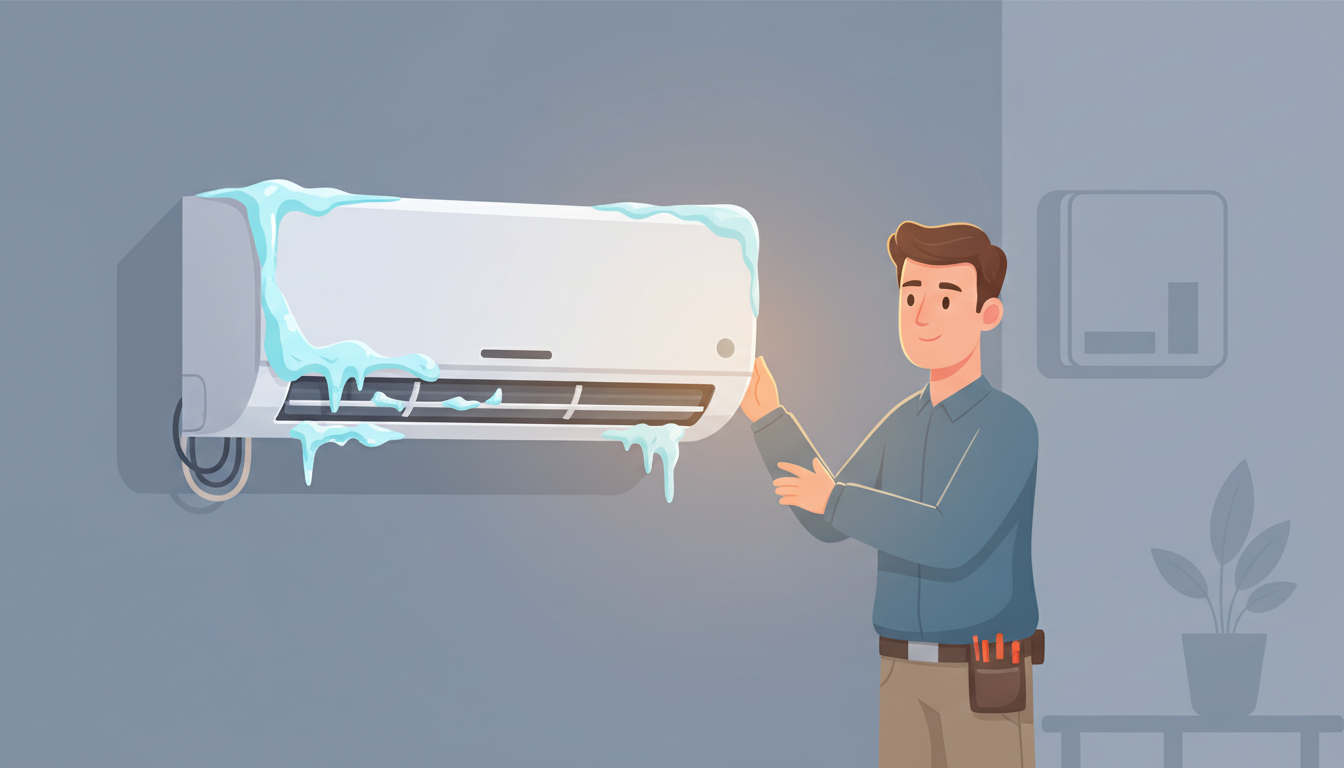
What Causes a Mini-Split to Freeze Up? (And How to Fix It)
What Causes a Mini-Split to Freeze Up? (And How to Fix It)
Have you noticed ice forming on your mini-split system? Maybe your indoor unit is covered in frost, or your outdoor condenser looks like it belongs in a freezer. When your mini-split freezes up, it's not just inconvenient—it can damage your system and spike your energy bills.
A frozen mini-split is one of the most common HVAC problems homeowners face. The good news? Most causes are preventable with simple maintenance. In this guide, you'll learn exactly what causes your mini-split to freeze up, how to fix it yourself, and when to call a professional.
What Does It Mean When Your Mini-Split Freezes Up?
When your mini-split "freezes up," ice forms on the evaporator coil, refrigerant lines, or other components. This happens when moisture in the air contacts surfaces that have dropped below freezing temperature.
Your mini-split system works by transferring heat from one place to another. In cooling mode, it pulls heat from inside your home. In heating mode, it extracts heat from outdoor air. When something disrupts this heat transfer process, temperatures drop too low and ice forms.
Ice buildup prevents your system from working efficiently. A frozen evaporator coil can't absorb heat properly. Your system has to work harder, using more energy while delivering less comfort. If left unchecked, ice can damage expensive components like the compressor.
The 8 Most Common Causes of Mini-Split Freeze-Up
Understanding why your mini-split freezes up is the first step to fixing it. Here are the most common culprits, from simple fixes to issues requiring professional help.
1. Dirty or Clogged Air Filters
This is the number one cause of mini-split freezing—and the easiest to fix. Your air filter traps dust, pet dander, and other particles. When it gets clogged, airflow over the evaporator coil drops dramatically.
Without enough warm air flowing across the coil, the refrigerant inside gets too cold. Surface temperatures plummet below freezing, and moisture in the air turns to ice.
How to fix it: Check your filters every month. Clean or replace them according to your manufacturer's recommendations. Most filters should be cleaned every 2-4 weeks during heavy use. If you have pets or live in a dusty area, clean them more frequently.
2. Low Refrigerant Levels
Refrigerant is the lifeblood of your mini-split system. When refrigerant levels drop due to leaks, the pressure inside your evaporator coil decreases. Lower pressure means lower temperatures—often dropping well below freezing.
Low refrigerant doesn't just cause freezing. You'll also notice reduced cooling or heating performance, hissing sounds near the refrigerant lines, and higher energy bills.
How to fix it: This isn't a DIY job. Refrigerant leaks require professional repair. An HVAC technician will locate the leak, repair it, and recharge your system to the correct level. Never try to add refrigerant yourself—it requires specialized equipment and certification.
For more information on maintaining your HVAC system's refrigerant levels, check out our comprehensive HVAC repair guide.
3. Restricted Airflow Around the Indoor Unit
Even with clean filters, your mini-split can freeze if airflow is blocked. Furniture placed too close to the indoor unit, closed vents, or obstructions in front of the air intake all restrict circulation.
When air can't flow freely over the evaporator coil, the same problem occurs—temperatures drop and ice forms.
How to fix it: Maintain at least 2 feet of clearance around your indoor unit. Don't block vents with curtains, furniture, or decorations. Make sure all vents are fully open. If you've recently rearranged furniture, that could be your culprit.
4. Dirty Evaporator Coils
Even with clean filters, dust and debris can accumulate on your evaporator coils over time. This buildup acts as insulation, preventing proper heat exchange between the coil and the air.
Dirty coils can't absorb heat efficiently. The refrigerant inside stays too cold, and ice begins to form.
How to fix it: Annual professional cleaning is your best bet. However, if you're comfortable with DIY maintenance, you can carefully clean accessible coil surfaces with a soft brush and coil cleaner. Never use high pressure or harsh chemicals that could damage the delicate fins.
5. Malfunctioning Blower Motor or Fan
Your blower motor circulates air across the evaporator coil. If it fails or runs at reduced speed, airflow drops and freezing occurs.
Signs of blower problems include weak airflow from vents, unusual noises, or the fan not running at all even when the system is on.
How to fix it: Check your remote control settings first—make sure fan speed isn't set to the lowest setting. If settings are correct but airflow is weak, you likely need professional repair. Blower motor replacement requires technical expertise.
6. Thermostat or Temperature Sensor Issues
Your mini-split relies on sensors to regulate temperature. A faulty thermostat or temperature sensor can misread conditions, causing your system to run continuously without cycling off.
Continuous operation prevents normal defrost cycles from occurring. Ice accumulates over time, eventually covering the entire coil.
How to fix it: Try resetting your system by turning it off for 30 minutes, then back on. If the problem persists, a technician will need to test and potentially replace the sensor. These components are relatively inexpensive but require proper calibration.
If you're experiencing temperature control issues along with freezing, it might be related to other system problems. Our guide on mini-split error codes can help you diagnose specific issues.
7. Blocked Condensate Drain Line
Your mini-split produces condensation as it removes humidity from the air. This water normally drains away through a condensate line. When this line gets clogged with algae, mold, or debris, water backs up.
In some cases, this backed-up water can freeze, especially if it contacts cold components. The blockage also affects system operation, potentially leading to other freezing issues.
How to fix it: Locate your condensate drain line (usually a small pipe coming from the indoor unit). Pour a mixture of warm water and vinegar through it to clear minor clogs. For stubborn blockages, use a wet/dry vacuum to suction out the debris, or call a professional.
8. Operating in Extremely Cold Weather
Mini-splits are designed to work in a specific temperature range. When outdoor temperatures drop too low—typically below 15-20°F for most models—the system struggles to extract heat from the air.
This is especially problematic in heat mode. The outdoor unit can freeze as it tries to pull heat from frigid air. While most modern systems have defrost cycles, extremely cold weather can overwhelm this protection.
How to fix it: Check your system's rated operating temperature range in the owner's manual. If temperatures regularly drop below this range in your area, consider supplemental heating. Some high-efficiency cold-climate mini-splits can operate down to -15°F or lower—upgrading might be worth considering.
Mini-Split Freezing in Heat Mode vs. Cooling Mode
The causes of freezing differ depending on which mode your system is running. Understanding these differences helps you troubleshoot more effectively.
Freezing in Cooling Mode
When your mini-split freezes during cooling, the ice typically forms on the indoor evaporator coil. This is usually caused by:
- Dirty air filters reducing airflow
- Low refrigerant levels
- Dirty evaporator coils
- Blocked vents or restricted airflow
- Thermostat set too low
In cooling mode, your indoor unit is supposed to be cold—but not freezing. Ice formation means something is preventing proper heat exchange.
Freezing in Heat Mode
In heat mode, freezing usually occurs on the outdoor unit. Your outdoor coil becomes the evaporator, extracting heat from outside air. This is normal operation, but excessive ice buildup indicates a problem:
- Defrost cycle malfunction
- Operating below minimum temperature
- Low refrigerant
- Blocked outdoor coil (leaves, snow, debris)
- Faulty sensors preventing proper defrost
Modern mini-splits have automatic defrost cycles that reverse the system periodically to melt ice. If these cycles aren't working, ice accumulates quickly.
For comprehensive troubleshooting specific to mini-split systems, our mini-split repair guide covers both heating and cooling issues in detail.
How to Safely Defrost Your Mini-Split
If your mini-split is already frozen, here's how to defrost it safely without causing damage.
Step 1: Turn Off the System
Shut down your mini-split completely. Don't just switch modes—turn it off at the thermostat and consider shutting off power at the breaker for complete safety.
Step 2: Let It Thaw Naturally
The safest method is patience. Let the ice melt on its own at room temperature. This typically takes 2-6 hours depending on how much ice has formed.
Place towels or a pan under the unit to catch melting water. Indoor units may drip as ice melts.
Step 3: Never Force Ice Removal
Don't chip, scrape, or pry ice off components. You could damage delicate fins, coils, or refrigerant lines. Never use heat guns, hair dryers, or other heat sources—rapid temperature changes can crack components.
Step 4: Dry and Inspect
Once ice has completely melted, use a soft cloth to dry accessible surfaces. Look for any visible damage or signs of what caused the freezing (dirty filters, blocked vents, etc.).
Step 5: Address the Root Cause
Before turning your system back on, fix whatever caused the freezing. Clean filters, clear obstructions, or schedule professional service if needed. Otherwise, it will just freeze again.
When to Call a Professional vs. DIY Fixes
Some mini-split freezing issues are simple DIY fixes. Others require professional expertise. Here's how to decide.
Safe DIY Fixes:
- Cleaning or replacing air filters
- Clearing debris from around units
- Moving furniture blocking vents
- Cleaning condensate drain lines
- Adjusting thermostat settings
- Ensuring proper clearance around units
Call a Professional For:
- Refrigerant leaks or recharging
- Blower motor replacement
- Electrical issues or sensor replacement
- Persistent freezing after trying DIY solutions
- Defrost cycle malfunctions
- Any issue requiring refrigerant line access
- Strange noises or burning smells
Attempting refrigerant work without proper certification is illegal in most areas and dangerous. When in doubt, professional diagnosis costs less than repairing damage from DIY mistakes.
How to Prevent Your Mini-Split From Freezing
Prevention is always easier than repair. Follow these maintenance practices to keep your mini-split running freeze-free.
Monthly Maintenance:
- Clean or replace air filters
- Check for obstructions around indoor and outdoor units
- Verify all vents are open and unblocked
- Look for unusual ice formation or frost
Seasonal Maintenance:
- Deep clean evaporator coils (or schedule professional cleaning)
- Clear leaves, debris, and snow from outdoor unit
- Test defrost cycle operation before winter
- Inspect condensate drain line and flush if needed
- Check refrigerant lines for damage or corrosion
Annual Professional Maintenance:
- Complete system inspection
- Refrigerant level check
- Electrical connection testing
- Blower motor and fan inspection
- Thermostat calibration
- Deep coil cleaning
- Drain line treatment
Regular maintenance not only prevents freezing—it extends your system's lifespan, improves efficiency, and catches small problems before they become expensive repairs.
The Cost of Ignoring a Frozen Mini-Split
Running a frozen mini-split causes more than just discomfort. Here's what's at risk:
Compressor Damage: Your compressor is the most expensive component. Ice formation can cause it to overheat and fail. Replacement costs range from $1,500 to $3,000 or more.
Reduced Efficiency: A frozen system works harder while delivering less heating or cooling. Your energy bills can increase by 20-40% when operating with ice buildup.
Shortened Lifespan: Continuous strain from freezing and thawing cycles wears out components faster. A system that should last 15-20 years might fail in 10.
Water Damage: Melting ice can overflow drain pans, damaging walls, ceilings, and floors. Water damage repair often exceeds the cost of fixing the original freezing problem.
Complete System Failure: In extreme cases, frozen components can crack or break, requiring complete system replacement instead of simple repairs.
A service call to diagnose and fix freezing typically costs $150-$400. That's a bargain compared to compressor replacement or full system failure.
Frequently Asked Questions
How long does it take for a mini-split to defrost?
Natural defrosting takes 2-6 hours depending on ice thickness. Never rush the process with external heat sources. If your system has an automatic defrost cycle, it typically runs for 5-15 minutes when needed.
Can I run my mini-split while it's frozen?
No. Turn it off immediately. Running a frozen system damages the compressor and other components. Let it defrost completely before restarting.
Why does my mini-split keep freezing even after cleaning the filter?
If cleaning filters doesn't solve the problem, you likely have low refrigerant, dirty coils, or a mechanical issue. These require professional diagnosis and repair.
Is it normal for my mini-split outdoor unit to have frost in winter?
Light frost is normal during heat mode operation. Your system should automatically defrost periodically. Heavy ice buildup or ice that doesn't melt indicates a problem with the defrost cycle.
How much does it cost to fix a frozen mini-split?
Simple fixes like filter replacement cost under $50. Professional service calls for refrigerant leaks, sensor replacement, or blower motor issues typically range from $200-$800 depending on the problem.
Take Action Before Freezing Damages Your System
A frozen mini-split is your system crying for help. Whether it's a simple filter change or a more complex refrigerant leak, addressing the problem quickly protects your investment and keeps your home comfortable.
Start with the simple fixes: check your filters, clear any obstructions, and let your system defrost completely. If freezing persists after basic maintenance, don't wait—call a qualified HVAC technician.
Regular maintenance is your best defense against freezing. Clean filters monthly, schedule annual professional service, and address small issues before they become big problems. Your mini-split will reward you with years of reliable, efficient comfort.
Don't let ice buildup turn into an expensive repair bill. Take action today to keep your mini-split running smoothly all year long.