What Causes a Pressure Switch Problem in a Furnace?
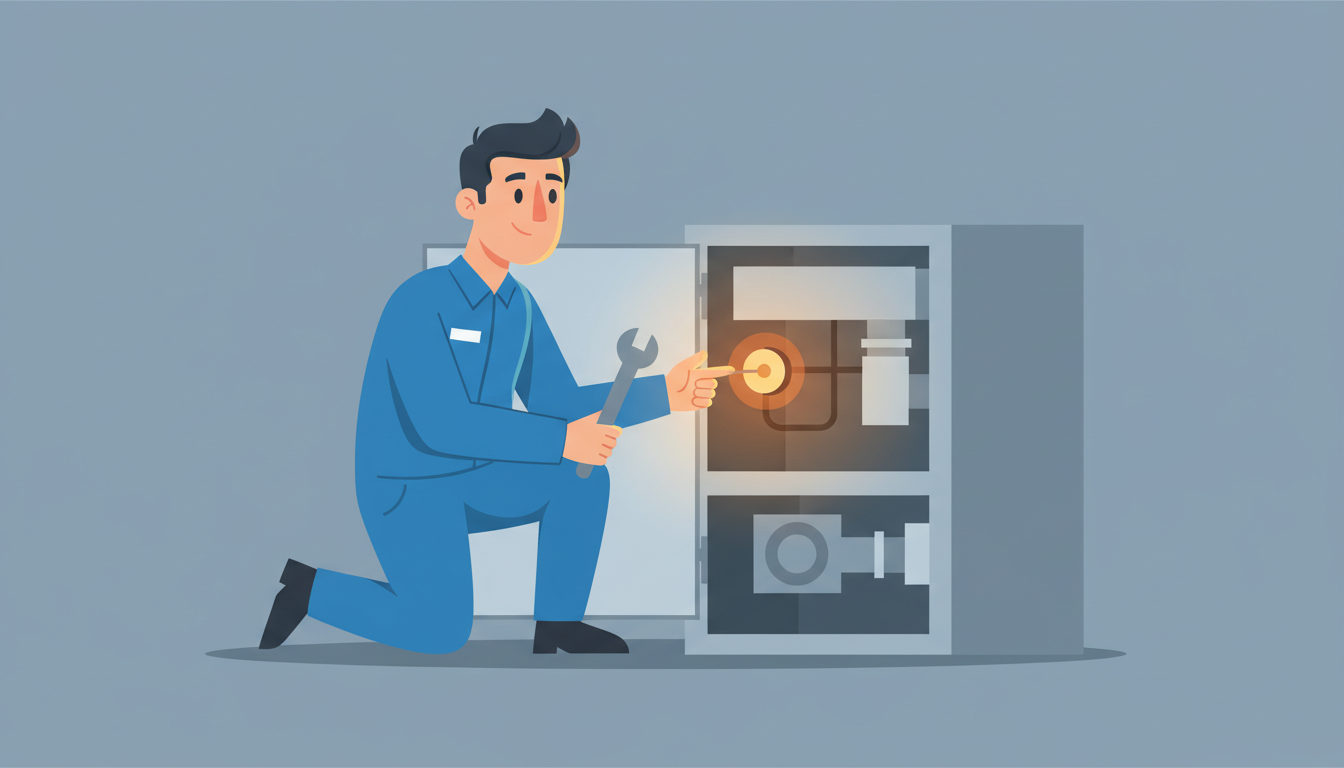
What Causes a Pressure Switch Problem in a Furnace?
Is your furnace refusing to start, leaving you in the cold? If you hear the inducer motor running but your furnace shuts down before ignition, you might be dealing with a pressure switch problem. Understanding what causes these issues can help you identify the warning signs early and prevent costly emergency repairs during the coldest months of the year.
What Is a Furnace Pressure Switch?
Before diving into what goes wrong, let's understand what this critical component does. A furnace pressure switch is a safety device that monitors airflow through your heating system. It ensures that harmful exhaust gases are properly vented outside your home before allowing your furnace to ignite.
Think of it as a gatekeeper for your furnace. When your thermostat calls for heat, the inducer motor starts pulling air through the system. This creates negative pressure that triggers the pressure switch to close, sending a signal to your furnace that it's safe to ignite the gas burners.
How Does a Pressure Switch Work?
The pressure switch contains a sensitive diaphragm connected to a small hose. When the inducer fan creates the right amount of suction, the diaphragm flexes and completes an electrical circuit. This tells your furnace control board that proper airflow exists and combustion can safely begin.
If the pressure switch doesn't close within a specific timeframe (usually 30-60 seconds), your furnace will shut down and display an error code. This safety mechanism prevents dangerous situations like carbon monoxide buildup in your home.
The 7 Most Common Causes of Pressure Switch Problems
Understanding what causes pressure switch failure can help you recognize problems before they leave you without heat. Here are the most frequent culprits behind pressure switch problems in furnaces.
1. Blocked or Clogged Flue Pipe
One of the most common causes of pressure switch failure is a blocked exhaust vent or flue pipe. Your furnace needs to expel combustion gases safely, and any obstruction prevents proper airflow.
What causes flue blockages:
- Bird nests or small animal carcasses
- Ice buildup during winter months (especially in high-efficiency furnaces)
- Debris like leaves, twigs, or insulation material
- Excessive snow accumulation around outdoor vent terminations
When your flue pipe is blocked, the inducer motor can't create sufficient negative pressure. This keeps the pressure switch stuck open, preventing your furnace from igniting. In severe cases, a completely blocked vent can cause dangerous exhaust gases to back-draft into your home.
2. Damaged or Disconnected Pressure Switch Hose
The pressure hose (also called pressure tubing) connects your pressure switch to the inducer motor or draft inducer housing. This small rubber or vinyl tube is essential for transmitting pressure changes to the switch.
Common hose problems include:
- Cracks or splits in aging rubber tubing
- Complete disconnection from the pressure switch or inducer
- Blockages from condensate, debris, or soot buildup
- Holes caused by rodents or physical damage
Even a tiny crack in this hose can prevent accurate pressure readings. Your pressure switch won't receive the signal it needs to close, causing your furnace to shut down during the startup sequence. If you're comfortable checking, look for this small tube near your inducer motor - it's often less than 1/4 inch in diameter.
3. Diaphragm Failure Inside the Pressure Switch
Inside every pressure switch is a flexible diaphragm that responds to pressure changes. Over time, this component can fail, leading to pressure switch malfunction.
Diaphragm issues include:
- Ruptures or tears in the rubber membrane
- Sticking due to dirt, dust, or moisture buildup
- Age-related hardening that reduces flexibility
- Warping from excessive heat exposure
When the diaphragm fails, it can't properly respond to pressure changes. You might have a pressure switch stuck open even when adequate airflow exists, or conversely, it might stick closed when airflow is insufficient - creating a dangerous situation.
4. Weak or Failing Inducer Motor
Your inducer motor must create sufficient suction for the pressure switch to activate. If this motor is failing or running weak, it won't generate enough negative pressure.
Signs of inducer motor problems:
- Unusual noises like grinding, squealing, or rattling
- Motor starts but runs slower than normal
- Intermittent operation or delayed startup
- Visible dirt or debris buildup on the inducer wheel
A weak inducer motor is particularly common in furnaces over 10 years old. The motor bearings wear out, reducing efficiency. Your HVAC technician can test the actual pressure being generated and compare it to manufacturer specifications to determine if motor replacement is needed.
5. Condensation and Water Buildup
High-efficiency furnaces produce condensate as a natural byproduct of combustion. When this moisture accumulates in the wrong places, it can cause pressure switch problems.
Water-related issues include:
- Standing water in the pressure switch housing
- Condensate backing up into pressure hoses
- Frozen condensate lines in extremely cold weather
- Clogged condensate drain preventing proper drainage
Water in your pressure switch or connected tubing disrupts the pressure readings. The switch may intermittently open and close, causing your furnace to cycle on and off repeatedly. During winter, frozen condensate can completely block airflow, leaving you without heat until temperatures rise or the issue is professionally resolved.
For more information on maintaining your furnace's drainage system, check out our comprehensive HVAC repair guide.
6. Negative Air Pressure in Your Home
This lesser-known cause catches many homeowners by surprise. Your home needs adequate makeup air for combustion appliances to operate safely. When your house has negative air pressure, it can interfere with proper furnace operation.
Common sources of negative air pressure:
- Multiple exhaust fans running simultaneously (kitchen, bathroom, dryer)
- Overly tight home insulation without adequate ventilation
- Unsealed return air ducts pulling air from utility rooms
- Large kitchen range hoods without makeup air systems
When negative pressure exists in your home, it can prevent your furnace from establishing the proper draft. The inducer motor works harder but can't create sufficient pressure differential. This scenario is more common in newer, well-sealed homes or after energy efficiency upgrades.
7. Electrical Connection Problems
Sometimes the issue isn't mechanical at all - it's electrical. The pressure switch must complete an electrical circuit to signal the control board.
Electrical issues include:
- Corroded wire connections at the pressure switch terminals
- Loose wiring due to vibration over time
- Damaged wires from rodents or age
- Failed pressure switch contacts inside the unit
Power surges or lightning strikes can also damage the delicate electrical components within the pressure switch itself. Even if the diaphragm and hose are functioning perfectly, a failed electrical connection means your furnace won't receive the signal to proceed with ignition.
Warning Signs Your Pressure Switch Is Failing
Recognizing the early warning signs of a pressure switch problem can help you address issues before complete furnace failure. Here's what to watch for:
Operational symptoms:
- Furnace starts but shuts down before ignition occurs
- Repeated cycling attempts followed by lockout mode
- Inducer motor runs continuously without furnace igniting
- Furnace works intermittently with no obvious pattern
Physical signs:
- LED error codes on your furnace control board (often 3 or 4 flashes)
- Soft clicking, flapping, or fluttering sounds near the inducer area
- Unusual smells like exhaust gases in your home (seek immediate help)
- Water dripping or pooling near the furnace base
If you notice any of these symptoms, it's crucial to have a professional HVAC technician diagnose the problem. While some homeowners are tempted to bypass the pressure switch as a "quick fix," this is extremely dangerous and can expose your family to carbon monoxide poisoning.
For more details on related furnace issues, read our guide on common causes of dirty flame sensor problems.
Can You Fix a Pressure Switch Problem Yourself?
The short answer is: it depends on your skill level and the specific problem. Some basic troubleshooting steps are safe for homeowners, while others require professional expertise.
Safe DIY Checks (Power Off First!)
Before attempting any inspection:
- Turn off power to your furnace at the breaker panel
- Turn off the gas supply to your furnace
- Allow the furnace to cool completely
What you can safely check:
- Visually inspect outdoor vent terminations for obvious blockages
- Look for disconnected or damaged pressure hoses near the inducer
- Check for standing water or ice around the furnace base
- Verify the condensate drain isn't clogged (high-efficiency furnaces)
- Ensure nothing is blocking indoor air vents or return grilles
When to Call a Professional
Contact a licensed HVAC technician for:
- Anything involving electrical connections or testing
- Pressure switch replacement or adjustment
- Inducer motor testing or replacement
- Internal flue pipe inspection
- Any situation where you smell exhaust gases
- Diagnosis of intermittent or complex issues
Professional technicians have specialized tools to measure actual pressure readings, test electrical continuity, and safely diagnose the root cause. They can also identify whether your pressure switch truly needs replacement or if addressing an underlying issue (like a blocked vent) will resolve the problem.
Our detailed furnace repair guide covers additional troubleshooting steps you can safely perform.
How Much Does Pressure Switch Replacement Cost?
If your pressure switch needs replacement, understanding typical costs helps you budget and avoid overpaying.
Typical cost breakdown:
- Pressure switch part only: $25-$75 depending on furnace model
- Professional replacement labor: $150-$300
- Total typical cost: $175-$375 for straightforward replacement
Factors affecting cost:
- Your furnace brand and model (some switches are proprietary)
- Geographic location and local labor rates
- Accessibility of the pressure switch on your specific furnace
- Whether additional repairs are needed (hose replacement, inducer motor, etc.)
- Emergency service calls vs. scheduled appointments
High-efficiency furnaces may have multiple pressure switches that work in stages. Replacing these more complex systems can cost $300-$500 or more. Always get a detailed written estimate before authorizing repairs.
Important note: If your HVAC technician diagnoses a pressure switch failure, ask about the underlying cause. Simply replacing the switch without addressing blocked vents, water issues, or inducer motor problems will likely result in repeated failures.
Preventing Pressure Switch Problems
An ounce of prevention truly is worth a pound of cure when it comes to furnace pressure switches. Here's how to minimize your risk of pressure switch failure.
Annual Professional Maintenance
Schedule professional furnace maintenance before each heating season. A qualified HVAC technician will:
- Inspect and clean the inducer motor and housing
- Check pressure switch operation and connections
- Examine pressure hoses for damage or deterioration
- Verify proper venting and clear exhaust terminations
- Test condensate drainage systems
- Clean or replace air filters
- Verify proper gas pressure and combustion
Regular maintenance catches small issues before they become expensive failures. Most pressure switch problems are preventable with proper care.
Homeowner Maintenance Tasks
Between professional visits, you can help prevent pressure switch issues:
Monthly:
- Change or clean your furnace air filter
- Check outdoor vents for visible obstructions
- Listen for unusual furnace noises during operation
Seasonally:
- Inspect outdoor vent terminations after storms
- Clear snow and ice away from exhaust vents
- Ensure adequate clearance around your furnace
As needed:
- Address water leaks or pooling near your furnace immediately
- Keep the area around your furnace clean and uncluttered
- Never store chemicals, paint, or flammable materials near your heating system
Consider Vent Termination Protection
For homes prone to animal nests or winter ice buildup, consider installing vent guards or screens designed for furnace applications. These must be properly sized to avoid restricting airflow - consult with your HVAC professional before installation.
Understanding Pressure Switch Types
Not all pressure switches are the same. Understanding what type your furnace uses can help you better communicate with repair professionals.
Single-Stage Pressure Switches
Most standard-efficiency furnaces use a single pressure switch. This operates as a simple on/off device - when adequate pressure exists, it closes and allows ignition.
Multi-Stage Pressure Switches
High-efficiency and variable-speed furnaces often use two or more pressure switches. These monitor pressure at different levels:
- One may verify inducer startup
- Another confirms safe venting before main burner ignition
- Some systems have a third switch for condensing operation
Multi-stage systems provide enhanced safety but are more complex to diagnose when problems occur.
The Role of Pressure Switches in Carbon Monoxide Safety
Your furnace pressure switch isn't just about comfort - it's a critical safety device that protects your family from carbon monoxide poisoning.
When your pressure switch detects inadequate airflow, it prevents your furnace from igniting. This seems inconvenient when you're cold, but it's protecting you from:
- Incomplete combustion that produces excess carbon monoxide
- Back-drafting that allows exhaust gases into your living space
- Cracked heat exchangers that aren't venting properly
- Blocked flue pipes that trap dangerous gases inside
Never bypass or override your pressure switch. This defeats a life-saving safety mechanism. If your furnace won't run due to pressure switch issues, the switch is doing its job - there's a real airflow or venting problem that must be corrected.
Install carbon monoxide detectors on every level of your home and test them monthly. If your CO detector ever alarms while your furnace is running, evacuate immediately and call 911.
Frequently Asked Questions
How long does a furnace pressure switch last?
A typical furnace pressure switch lasts 10-15 years under normal operating conditions. However, harsh environments, frequent cycling, or exposure to moisture can shorten this lifespan. High-efficiency furnaces may experience shorter pressure switch life due to condensation exposure.
Can I bypass my pressure switch temporarily?
Never bypass your pressure switch, even temporarily. This safety device prevents dangerous carbon monoxide buildup and back-drafting. Bypassing it puts your family at serious risk of poisoning or death. If your furnace won't run, there's a legitimate safety issue that requires professional diagnosis and repair.
What's the difference between a pressure switch stuck open vs. stuck closed?
A pressure switch stuck open won't allow your furnace to ignite because it's not detecting adequate airflow - this is the most common failure mode and a safety feature. A pressure switch stuck closed is more dangerous because it tells your furnace airflow is adequate even when it might not be. This can allow operation with insufficient venting, creating carbon monoxide risks.
Why does my pressure switch keep failing repeatedly?
If you've replaced your pressure switch multiple times, the switch itself isn't the problem - there's an underlying issue. Common culprits include persistent condensation problems, chronic vent blockages, a failing inducer motor running weak, or negative air pressure in your home. A thorough diagnostic by an experienced HVAC technician is essential to identify the root cause.
Is a pressure switch problem covered by home warranty?
Coverage varies by warranty provider and plan. Most home warranties cover pressure switch replacement as part of heating system coverage, but they may not cover related issues like inducer motors or venting problems. Review your specific policy or contact your warranty provider. Keep in mind that lack of regular maintenance may void warranty coverage.
When to Replace vs. Repair Your Furnace
If you're facing pressure switch problems on an older furnace, you might wonder whether repair makes financial sense or if replacement is wiser.
Consider replacement if:
- Your furnace is 15+ years old
- Repair costs exceed 50% of replacement cost
- You've had multiple repairs in recent years
- Your heating bills have increased significantly
- Your furnace struggles to maintain comfortable temperatures
Repair usually makes sense if:
- Your furnace is less than 10 years old
- This is the first major repair needed
- The pressure switch issue has a clear, addressable cause
- Your furnace has been properly maintained
- Replacement parts are readily available for your model
Take Action to Protect Your Heating Investment
Pressure switch problems don't fix themselves, and delaying professional diagnosis can lead to more expensive repairs or complete furnace failure during the coldest weather.
If your furnace is showing signs of pressure switch issues, don't wait for a complete breakdown. Contact a qualified HVAC technician to diagnose the problem and recommend the most cost-effective solution. A minor repair today can prevent an expensive emergency service call tomorrow.
Remember that regular maintenance is your best defense against pressure switch problems and other furnace failures. Schedule annual tune-ups before the heating season begins, change your air filters regularly, and address small issues before they become big problems.
Your furnace pressure switch is working 24/7 to keep your family safe and comfortable. Give it the attention it deserves, and it will serve you reliably for years to come.