What Causes a Safety Sensor to Shut Down an HVAC System?
What Causes a Safety Sensor to Shut Down an HVAC System?
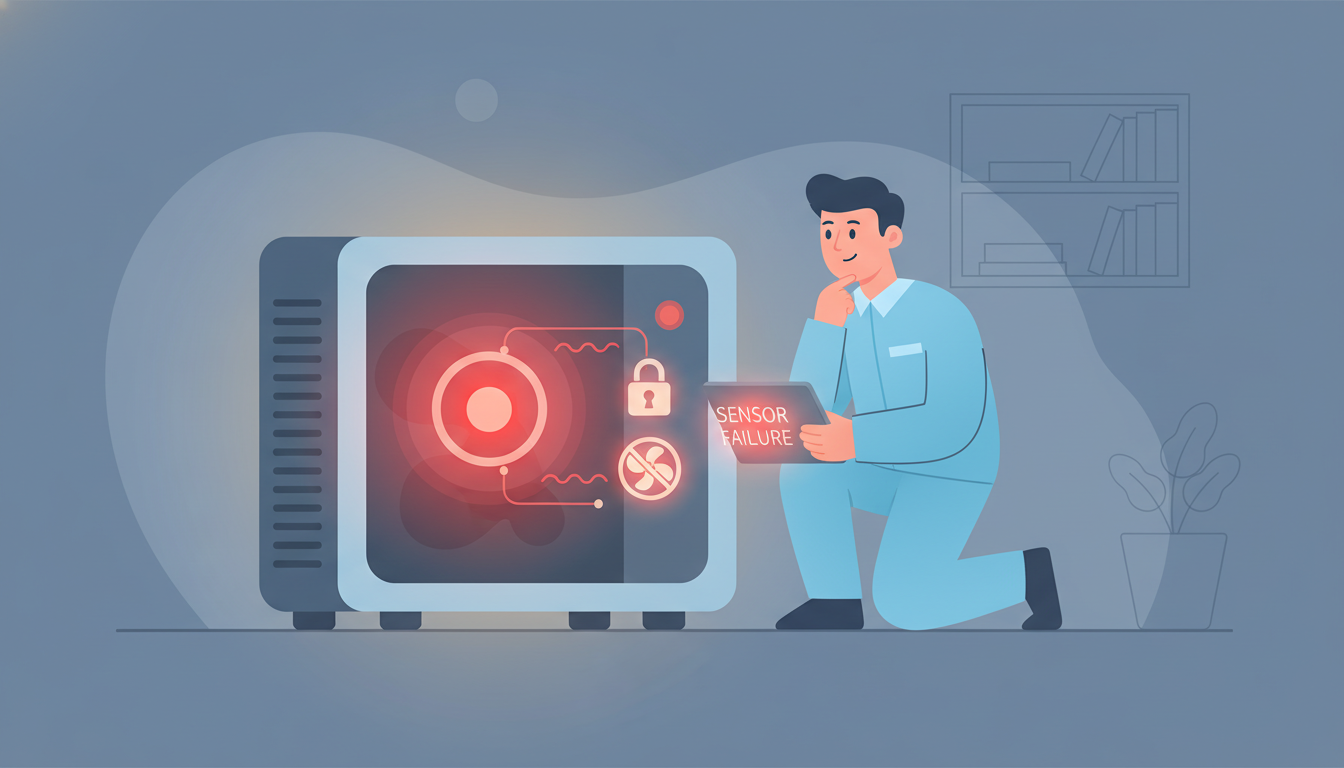
If your HVAC system keeps shutting off unexpectedly, you're probably dealing with a safety sensor doing exactly what it's designed to do—protecting your home. While frustrating, these automatic shutdowns aren't random malfunctions. They're your system's way of preventing serious problems like gas leaks, fires, or carbon monoxide exposure.
Understanding what causes a safety sensor to shut down an HVAC system can help you identify the problem quickly and decide whether it's a simple fix or time to call a professional. Let's break down the most common culprits and what you can do about them.
Understanding HVAC Safety Sensors and Why They Matter
Your HVAC system isn't just one piece of equipment—it's a complex network of components working together. Safety sensors act as the system's watchdogs, constantly monitoring conditions and shutting things down when something goes wrong.
Modern furnaces and air conditioners come equipped with multiple safety sensors including flame sensors, limit switches, pressure switches, float switches, and rollout switches. Each one monitors a specific condition, and when that condition falls outside safe parameters, the sensor triggers a shutdown to prevent damage or danger.
Think of these sensors as early warning systems. A shutdown might be inconvenient, but it's far better than the alternative: a cracked heat exchanger leaking carbon monoxide, an overheated furnace starting a fire, or water damage from a backed-up condensate line.
Flame Sensor Issues: The Most Common Culprit
Flame sensors cause approximately 80% of modern furnace lockouts, making them the single most common reason for safety shutdowns. This small metal rod sits near your burners and detects whether a flame is actually present when gas flows.
How Flame Sensors Cause Shutdowns
When you call for heat, your furnace opens the gas valve and ignites the burners. The flame sensor must detect that flame within a few seconds. If it doesn't, the control board immediately shuts off the gas valve to prevent unburned gas from accumulating in your home—a potentially deadly situation.
Here's what typically goes wrong:
Carbon buildup is the number one cause of flame sensor failures. Over time, the combustion process deposits a thin layer of carbon and oxidation on the sensor rod. This insulating layer prevents the sensor from detecting the flame properly, even though the burners are lit perfectly fine.
Sensor positioning can also cause problems. If the sensor gets bumped or shifted during maintenance, it might be too far from the flame to detect it properly. The control board interprets this as a failed ignition and shuts everything down.
Corrosion and wear eventually affect all flame sensors. The constant exposure to combustion byproducts and moisture gradually degrades the metal surface, reducing its conductivity until it can no longer function reliably.
Symptoms of a Dirty or Failing Flame Sensor
You'll typically notice your furnace going through a specific pattern:
- The furnace starts normally and ignites the burners
- Everything runs for 5-30 seconds
- The system suddenly shuts off
- After a few minutes, it tries again
- The cycle repeats three to five times before the system locks out completely
If you're seeing this short-cycling behavior, a dirty flame sensor is the likely cause. The good news? This is one of the easiest HVAC problems to fix with basic DIY skills.
High Limit Switch Failures: When Your System Overheats
The high limit switch is your furnace's temperature safety valve. It monitors the temperature inside the heat exchanger and shuts down the burners if things get too hot. This prevents the heat exchanger from cracking, warping, or causing a fire hazard.
What Triggers a Limit Switch Shutdown
Restricted airflow is the most common trigger for limit switch trips. When your furnace can't move enough air across the heat exchanger, temperatures rise rapidly. The heat exchanger literally gets too hot because there's not enough cool air flowing through to absorb the heat.
Common airflow restriction causes include:
- Dirty air filters: A clogged filter is the easiest problem to fix but also the most frequently overlooked. Many homeowners go months or even years without changing filters, severely restricting airflow.
- Blocked return vents: Furniture, curtains, or closed doors can limit the air your system pulls in.
- Dirty blower wheels: Dust accumulation on the blower wheel reduces its efficiency, moving less air even when running at full speed.
- Closed or blocked supply registers: Shutting too many vents throughout your home forces the system to work with insufficient airflow.
Blower motor problems can also trigger limit switches. If your blower motor is failing, running at the wrong speed, or has a bad capacitor, it won't move enough air to keep temperatures in check.
Incorrectly sized ductwork sometimes causes chronic overheating issues. If your ducts are too small for your furnace's capacity, you'll experience repeated limit switch trips no matter how clean your filter is.
How to Tell If Your Limit Switch Is the Problem
Unlike flame sensor issues that cause short cycling, limit switch problems typically show these symptoms:
- The burners fire up normally
- Everything runs for several minutes
- The system shuts down once it gets hot
- The blower fan continues running (trying to cool things down)
- The system won't restart until it cools off completely
Check your air filter first—it's the quickest and easiest fix. If replacing a dirty filter solves the problem, you've just saved yourself a service call. Need help with HVAC troubleshooting and repair guidance? Our comprehensive guide walks you through common fixes.
Pressure Switch Problems: Venting and Airflow Issues
Pressure switches monitor your furnace's draft inducer motor and venting system. They ensure combustion gases are properly venting outside before allowing the burners to ignite. When a pressure switch detects a problem, it prevents ignition altogether—protecting you from carbon monoxide exposure.
Common Pressure Switch Shutdown Causes
Blocked or restricted venting is the primary culprit behind pressure switch issues. Your furnace needs a clear path to exhaust combustion gases. When something blocks that path, the pressure switch opens and kills the ignition sequence.
Look for these venting problems:
- Clogged flue pipes: Bird nests, debris, ice buildup in winter, or even small animals can block your vent pipe
- Blocked intake vents: High-efficiency furnaces pull combustion air from outside through PVC pipes that can get blocked by snow, leaves, or ice
- Condensate drain clogs: Some pressure switches are connected to the condensate system and will trip if water backs up
Draft inducer motor failures will also trigger pressure switches. The inducer motor creates the suction needed for proper venting. If it's failing, running too slowly, or making unusual noises, the pressure switch won't close and the furnace won't start.
Stuck or malfunctioning pressure switches sometimes fail on their own. The small rubber diaphragm inside the switch can develop holes or become stiff with age, causing false readings even when venting is fine.
Recognizing Pressure Switch Issues
Pressure switch problems show distinct symptoms:
- Your furnace starts the ignition sequence
- The draft inducer motor runs
- Nothing else happens—no ignition, no flame
- The system may display an error code (varies by manufacturer)
- You might hear clicking sounds from the pressure switch trying to close
This is one safety sensor issue you shouldn't try to bypass or ignore. Pressure switch problems can indicate serious venting issues that could expose your family to carbon monoxide. If you're experiencing HVAC emergencies, it's time to call a professional immediately.
Float Switch Shutdowns: Protecting Against Water Damage
Air conditioning systems and high-efficiency furnaces produce condensate water that needs to drain away properly. Float switches (also called condensate overflow switches) protect your home from water damage by shutting down the system when water levels get too high.
Why Float Switches Trigger Shutdowns
Clogged condensate drain lines are the overwhelmingly most common cause of float switch trips. Your AC produces gallons of water during operation, all of which must drain through a small pipe. When that pipe gets clogged with algae, mold, dirt, or debris, water backs up into the drain pan.
As water rises in the pan, it lifts a small float. When the float reaches a certain level, it breaks the electrical circuit to your air handler or compressor, shutting everything down before water overflows and damages your home.
Broken or disconnected drain lines can also trigger float switches. If the drain line gets knocked loose or develops cracks, water won't drain properly and will accumulate in the pan.
Excessive humidity during peak cooling season can overwhelm even a properly functioning drain system if you're running your AC constantly in extremely humid conditions.
Float Switch Shutdown Symptoms
You'll know you're dealing with a float switch issue when:
- Your AC stops cooling but the thermostat looks fine
- You find standing water in or around your indoor unit
- The drain pan under your air handler is full or overflowing
- Your system works fine for a while, then stops during peak cooling
- You notice water stains on the ceiling near your air handler
Most float switch issues are preventable with regular maintenance. Pouring a cup of bleach or vinegar down your condensate drain line quarterly keeps algae and mold from building up and causing clogs.
Rollout Switch Activation: A Serious Safety Concern
Rollout switches (also called flame rollout sensors) detect when flames escape from the combustion chamber where they belong. This is one of the most serious safety sensor triggers because it indicates a potentially dangerous condition.
What Causes Rollout Switch Trips
Blocked heat exchangers are the primary cause of flame rollout. When the heat exchanger passages get clogged with soot and debris, flames can't travel through the normal path and "roll out" into areas where they shouldn't be.
Cracked heat exchangers also cause rollout conditions. A crack in the heat exchanger allows flames to escape into the blower compartment—an extremely dangerous situation that requires immediate professional attention.
Improper combustion due to wrong gas pressure, dirty burners, or incorrect air-to-fuel ratios can cause irregular flames that roll out of the combustion chamber.
Blocked or restricted venting sometimes causes rollout along with pressure switch issues. If combustion gases can't vent properly, they can push flames back out of the burners.
Warning Signs of Rollout Switch Problems
Rollout switch activation is serious. Look for:
- Scorch marks around the burner area
- Flames visible outside the normal combustion chamber
- Strong gas or burning smell
- Soot buildup around the furnace
- The furnace repeatedly tries to start but shuts off immediately
Never ignore or bypass a rollout switch. If your rollout switch keeps tripping, turn off your furnace and call an HVAC professional. This isn't a DIY repair—it's a safety hazard that needs expert diagnosis.
Thermostat Sensor Malfunctions: Less Common But Still Important
While not technically part of your furnace or AC unit, thermostat sensors can cause shutdowns that mimic safety sensor issues. A malfunctioning thermostat sensor might tell your system to shut down when it shouldn't, or fail to call for heating or cooling when needed.
Thermostat-Related Shutdown Causes
Displaced temperature sensors in older thermostats can lose contact with the thermostat backplate, giving false temperature readings. This can cause your system to short-cycle—shutting off before completing a full heating or cooling cycle.
Dirty or corroded contacts inside the thermostat can cause intermittent connection problems that look like random shutdowns.
Incorrectly calibrated thermostats might shut the system down at the wrong temperature, making it seem like there's a problem when the thermostat is just reading incorrectly.
Dead batteries in programmable thermostats can cause erratic behavior, though most modern thermostats will display a low battery warning before this becomes an issue.
Is your thermostat not working properly? Our troubleshooting guide helps you identify whether the problem is your thermostat or your HVAC system.
How Multiple Safety Sensors Work Together
It's important to understand that your HVAC system's safety sensors don't work in isolation—they form an integrated safety network. A problem with one sensor can sometimes trigger issues with others, making diagnosis more complicated.
For example, a clogged air filter causes restricted airflow. This can:
- Trigger the high limit switch due to overheating
- Affect pressure switch operation if airflow is severely restricted
- Cause the flame sensor to give false readings due to irregular combustion patterns
- Lead to incomplete combustion that could trigger rollout switches
This cascading effect is why professional HVAC technicians check multiple systems when diagnosing shutdown problems. What looks like a failing sensor might actually be a symptom of a different underlying issue.
DIY Troubleshooting: What You Can Safely Check
Some safety sensor issues are DIY-friendly, while others require professional expertise. Here's what you can safely check yourself:
Always safe to check:
- Replace your air filter (do this first!)
- Inspect outdoor vents and intake pipes for blockages
- Check your condensate drain pan and drain line
- Verify your thermostat has fresh batteries and is set correctly
- Make sure all return and supply vents are open and unblocked
- Look for obvious signs of water leaks or damage
Safe with basic tools and knowledge:
- Clean your flame sensor with fine-grit sandpaper or emery cloth
- Clear minor condensate drain clogs with vinegar or bleach
- Reset your system by turning off the power for 30 seconds
Always call a professional for:
- Suspected cracked heat exchangers
- Repeated rollout switch trips
- Pressure switch issues you can't resolve by checking vents
- Any time you smell gas or burning odors
- Complex electrical or control board diagnostics
- Refrigerant-related problems
Remember: safety sensors are there for a reason. While it might be tempting to bypass a sensor to get your system running, doing so puts your home and family at serious risk.
When to Call a Professional HVAC Technician
Certain safety sensor issues require professional diagnosis and repair. Call a licensed HVAC technician when:
- You've replaced the air filter and checked obvious issues, but shutdowns continue
- Your system is displaying error codes you don't understand
- You smell gas, burning odors, or notice scorch marks
- Multiple sensors seem to be triggering shutdowns
- Your system is older and experiencing frequent safety lockouts
- You're uncomfortable working with electrical components or gas appliances
- The same sensor keeps failing repeatedly after cleaning or replacement
Professional technicians have specialized tools to diagnose sensor issues accurately:
- Multimeters to test sensor electrical continuity
- Combustion analyzers to check for proper gas mixture and venting
- Manometers to measure pressure switch activation points
- Infrared cameras to detect heat exchanger cracks
A thorough professional inspection typically costs $75-150 but can prevent expensive emergency repairs or dangerous conditions.
Preventing Safety Sensor Shutdowns: Maintenance Tips
Most safety sensor shutdowns are preventable with regular maintenance. Follow these tips to keep your HVAC system running safely:
Monthly:
- Check and replace air filters (more often if you have pets or allergies)
- Visually inspect outdoor vents for blockages
Quarterly:
- Pour a cup of vinegar or bleach down your condensate drain line
- Check for unusual sounds, smells, or performance issues
Annually (before heating/cooling season):
- Schedule professional HVAC maintenance
- Have flame sensors cleaned and tested
- Check all safety switches for proper operation
- Verify proper combustion and gas pressure
- Inspect heat exchanger for cracks or deterioration
- Clean blower components and ductwork
Every 2-3 years:
- Consider professional duct cleaning if you notice excessive dust
- Have your thermostat calibration checked
- Replace aging components before they fail
Regular maintenance costs far less than emergency repairs. A typical annual tune-up runs $80-150 and catches problems before they cause shutdowns or expensive damage.
FAQ: Common Questions About HVAC Safety Sensors
How do I know which safety sensor is causing my HVAC shutdown?
Look at the shutdown pattern and symptoms. Short cycling after 5-30 seconds usually indicates flame sensor issues. Shutdowns after several minutes of operation point to limit switches. No ignition at all often means pressure switch problems. Check your system's error code (if it has a digital display) for specific guidance.
Can I bypass a safety sensor to keep my system running?
Never bypass safety sensors. They protect your home from fires, gas leaks, carbon monoxide exposure, and water damage. Bypassing sensors violates building codes, voids your equipment warranty, and puts your family at serious risk. If a sensor keeps tripping, fix the underlying problem instead.
How much does it cost to replace an HVAC safety sensor?
Costs vary by sensor type and labor rates in your area. Flame sensor replacement typically costs $75-200. Limit switches run $100-250. Pressure switches cost $150-300. Float switches are usually $100-200. Rollout switches cost $150-300. These prices include parts and labor from a licensed professional.
Why does my HVAC safety sensor keep tripping after I reset it?
A sensor that keeps tripping is detecting a real problem that hasn't been fixed. Resetting just temporarily clears the lockout—it doesn't solve the underlying issue. Common persistent problems include dirty filters, blocked vents, failing components, or sensors that need cleaning or replacement.
How often should HVAC safety sensors be cleaned or replaced?
Flame sensors should be cleaned annually during regular maintenance. Most other sensors last 10-15 years under normal conditions. Replace sensors when they fail testing, show visible damage, or cause repeated false trips even after the system has been thoroughly serviced.
Conclusion: Safety Sensors Protect Your Home and Family
When a safety sensor shuts down your HVAC system, it's doing exactly what it's designed to do—protecting your home from potentially dangerous conditions. While these shutdowns are frustrating, they're far better than the alternatives: carbon monoxide poisoning, house fires, gas leaks, or extensive water damage.
The most common causes—dirty flame sensors, clogged air filters, blocked vents, and condensate drain issues—are often preventable with regular maintenance. Many are even DIY-fixable if you're comfortable with basic tools and safety precautions.
However, some sensor issues require professional diagnosis and repair. Never bypass safety sensors or ignore repeated shutdowns. If you can't identify and fix the problem yourself, call a licensed HVAC technician. The cost of professional service is minor compared to the potential consequences of a serious HVAC safety failure.
Remember: your HVAC safety sensors aren't the enemy. They're your home's first line of defense against hazardous conditions. Keep them clean, properly maintained, and always functioning, and they'll keep your family safe and comfortable year-round.