What Causes Water Around a Furnace or Air Handler?
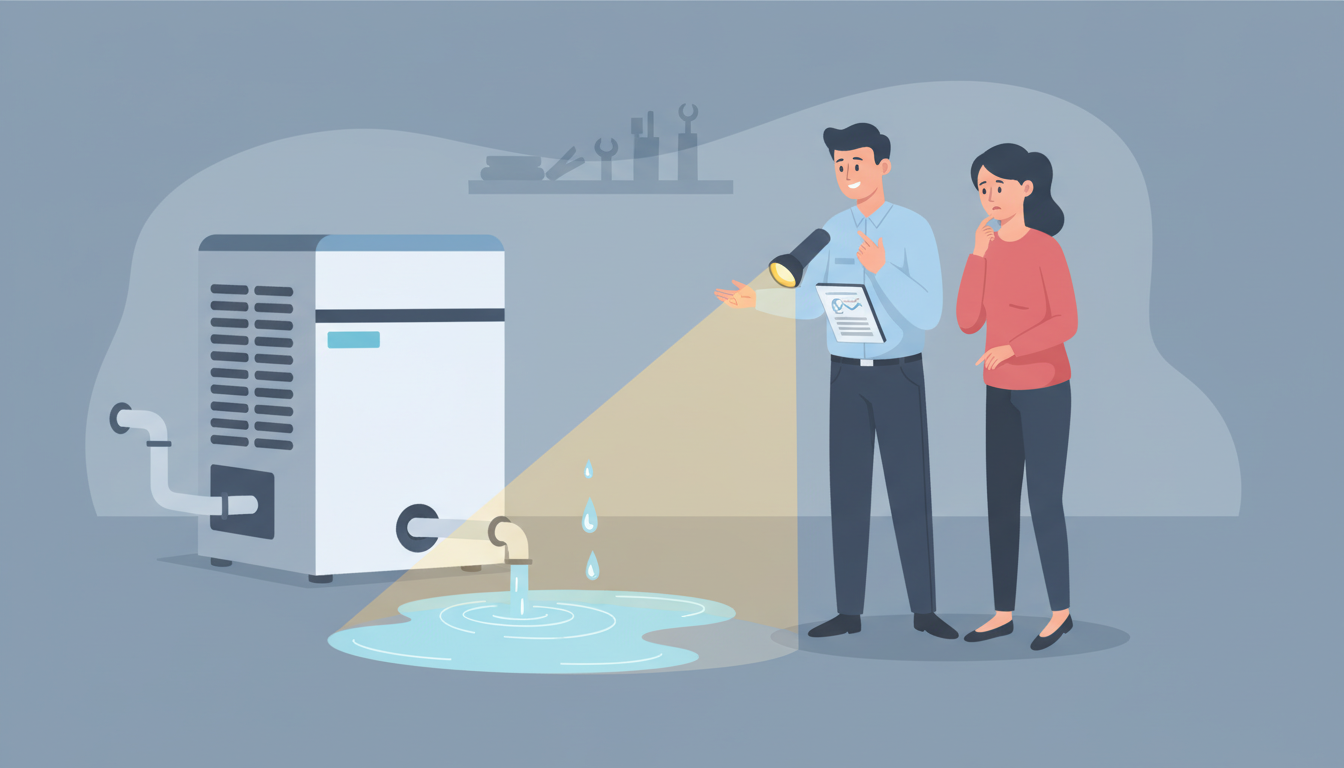
What Causes Water Around a Furnace or Air Handler?
Discovering water pooling around your furnace or air handler can be alarming. You're not alone—this is one of the most common HVAC problems homeowners face, especially during the cooling season. The good news? Most causes are fixable, and understanding what's happening can help you take the right action quickly.
Understanding Why Water Appears Around Your HVAC System
Water around your furnace or air handler typically comes from your air conditioning system, not the heating components. When your AC runs, it removes moisture from the air as part of the cooling process. This moisture needs to drain away properly through your system's condensate drainage system.
When something goes wrong with this drainage process, water backs up and leaks onto your floor. The key is identifying where the problem is coming from so you can address it before it causes serious damage to your home.
The 8 Most Common Causes of Water Around a Furnace or Air Handler
1. Clogged Condensate Drain Line
This is the number one culprit behind furnace leaking water issues. Your condensate drain line carries moisture away from your evaporator coil to a floor drain or outside your home. Over time, this line can become clogged with algae, mold, dust, and debris.
When the drain line is blocked, water has nowhere to go. It backs up into the drain pan and eventually overflows onto your floor. You might notice this problem gets worse over time as the blockage builds up.
Signs of a clogged drain line:
- Water pooling around the base of your unit
- Musty odors near your HVAC system
- AC shutting off unexpectedly
- Visible water in the condensate pan
2. Dirty or Clogged Air Filters
Your air filter plays a bigger role in preventing water leaks than you might think. When your filter gets too dirty, it restricts airflow to your evaporator coil. This reduced airflow causes the coil to get too cold and freeze over.
Once your system shuts off or the ice starts to melt, you end up with excess water that overwhelms your drain pan. This is especially common during hot summer months when your AC works overtime. Regular HVAC maintenance can prevent this issue before it starts.
Prevention tip: Change your air filter every 30-90 days depending on usage, pets, and allergies.
3. Cracked or Rusted Drain Pan
Your drain pan sits beneath the evaporator coil to catch condensation. Over time, especially in older systems, these pans can rust through or develop cracks. Even a small crack can allow water to escape and pool around your air handler.
Metal drain pans typically last 10-15 years before corrosion becomes an issue. Plastic pans can crack if they're exposed to temperature extremes or if something heavy is placed on top of them.
What to look for:
- Visible rust or corrosion on the pan
- Small cracks or holes in the pan material
- Water stains on the pan's exterior
- Age of your HVAC system (older systems are more prone to this)
4. Malfunctioning Condensate Pump
Not all homes can rely on gravity to drain condensation away. If your HVAC system is in a basement or below the main drain line, you have a condensate pump that pushes water up and out. When this pump fails, water accumulates in the collection reservoir and eventually overflows.
Condensate pumps can fail due to electrical issues, debris clogging the pump mechanism, or simply wearing out after years of use. You might hear unusual sounds from the pump before it fails completely.
5. Disconnected or Improperly Installed Drain Line
Sometimes the problem is simple—your drain line has come loose or was never properly connected in the first place. This can happen after furnace repair work or if someone accidentally bumps into the unit.
Check if your drain line is securely connected at both ends. Look for any gaps or loose fittings where water could be escaping. This is one of the easiest issues to fix yourself with the right connectors.
6. Frozen Evaporator Coil
When your evaporator coil freezes, it creates a cycle of freezing and thawing that produces excessive water. Several factors can cause coil freezing:
- Dirty air filters (as mentioned above)
- Low refrigerant levels
- Blocked return air vents
- Outdoor temperature too cold for AC operation
- Malfunctioning blower motor
As the ice melts, it can produce more water than your drain system was designed to handle, resulting in overflow and leaks.
7. Low Refrigerant Levels
Refrigerant is essential for your AC's cooling process. When levels drop due to a leak in the system, your evaporator coil can't absorb heat properly and gets too cold. This causes ice formation, which leads to excess water when it melts.
Low refrigerant is always caused by a leak—refrigerant doesn't get "used up" like fuel. If this is your problem, you'll need a professional HVAC technician to find and repair the leak before recharging the system.
Warning signs of low refrigerant:
- Ice on the refrigerant lines or evaporator coil
- Reduced cooling performance
- Higher energy bills
- Hissing or bubbling sounds from the AC
8. Nearby Plumbing Leaks
Not all water around your furnace comes from the HVAC system itself. Sometimes a leaky pipe, water heater, or washing machine supply line is the real culprit. The water simply migrates across the floor and pools at the base of your furnace.
Before assuming your HVAC system is the problem, check all nearby plumbing fixtures and connections. Look for water stains on walls, ceiling discoloration, or wet spots on the floor leading to your furnace area.
Is Water Around Your Furnace an Emergency?
The urgency depends on the amount of water and where it's located. Small amounts of condensation are normal during AC operation, but active leaking or pooling water requires immediate attention.
Call for emergency service if:
- Water is actively pouring from your unit
- Water is near electrical components
- You smell gas or burning odors
- Your system is short-cycling or won't run
- You see water damage spreading to walls or flooring
For minor leaks, you can turn off your HVAC system and clean up the water while you wait for a technician. This prevents additional water damage and keeps your electrical components safe.
DIY Troubleshooting Steps for Water Leaks
Before calling a professional, try these simple troubleshooting steps:
- Turn off your HVAC system at the thermostat and circuit breaker for safety
- Check and replace your air filter if it's dirty or clogged
- Inspect the drain pan for visible cracks, rust, or overflow
- Look at the drain line to ensure it's properly connected
- Clear the condensate drain line using a wet/dry vacuum on the outside drain opening
- Check for frozen coils by looking at the indoor unit (turn off system for 24 hours to thaw)
- Inspect nearby plumbing to rule out non-HVAC water sources
If these steps don't solve the problem or you're uncomfortable performing them, it's time to call in the professionals.
When to Call a Professional HVAC Technician
Some water leak issues require professional expertise and specialized tools. You should contact an HVAC technician if:
- You can't locate the source of the water
- The drain line is clogged deep in the system
- Your condensate pump isn't working
- You suspect refrigerant issues or frozen coils
- Your drain pan needs replacement
- The problem keeps coming back after DIY fixes
- You're not comfortable working around electrical components
Professional technicians have the experience to diagnose complex issues quickly. They can also identify underlying problems that might not be obvious to homeowners, preventing future failures.
Preventing Water Leaks Around Your Furnace
Prevention is always easier and cheaper than repairs. Follow these maintenance tips to keep your system running smoothly:
Monthly:
- Check your air filter and replace if dirty
- Look for water around your HVAC unit
- Listen for unusual sounds from your system
Quarterly:
- Pour a cup of vinegar down your condensate drain line to prevent algae growth
- Inspect visible components for rust or damage
- Test your condensate pump by pouring water into the reservoir
Annually:
- Schedule professional HVAC maintenance
- Have your condensate drain line professionally cleaned
- Replace your drain pan if it shows signs of wear
- Check refrigerant levels and system performance
Regular maintenance catches small problems before they become expensive emergencies. Many HVAC companies offer maintenance plans that include these services at a discounted rate.
Understanding High-Efficiency Furnaces and Condensation
If you have a high-efficiency furnace (90% AFUE or higher), it produces condensation even during heating mode. This is normal—these furnaces extract so much heat from combustion gases that water vapor condenses inside the heat exchanger.
High-efficiency furnaces have their own condensate drainage system separate from your AC. If you see water during winter months when your AC isn't running, the issue is likely with your furnace's condensate system rather than air conditioning components.
This type of condensation is normal, but the drainage system still needs to work properly. Frozen drain lines in winter can cause backups, so make sure exterior drain lines are protected from freezing temperatures.
The Role of Humidity in Water Around Your HVAC
Indoor humidity levels directly affect how much condensation your AC system produces. In humid climates or during muggy summer days, your evaporator coil works harder to remove moisture from the air. This means more water flowing through your drainage system.
If you live in a particularly humid area, consider these additional precautions:
- Run a dehumidifier to reduce the load on your AC
- Ensure your home has proper ventilation
- Use exhaust fans in bathrooms and kitchens
- Fix any sources of excess indoor moisture (leaky pipes, poor ventilation)
- Have your HVAC system sized correctly for your climate
Proper humidity control not only prevents water leaks but also improves your comfort and indoor air quality.
Cost Estimates for Common Water Leak Repairs
Understanding typical repair costs helps you budget and avoid overpaying:
- Drain line cleaning: $75-$150
- Air filter replacement: $15-$50 (DIY) or $50-$100 (professional)
- Condensate pump replacement: $150-$400
- Drain pan replacement: $200-$500
- Evaporator coil cleaning: $100-$400
- Refrigerant leak repair and recharge: $200-$1,500+
- Full condensate system repair: $250-$600
Prices vary based on your location, system accessibility, and whether emergency service is needed. Get multiple quotes for major repairs to ensure fair pricing. Understanding common pressure switch problems can also help you diagnose related HVAC issues.
Long-Term Solutions vs. Quick Fixes
While clearing a clogged drain line might solve your immediate problem, consider whether you're addressing the root cause:
Quick fixes:
- Cleaning the drain line
- Replacing the air filter
- Reconnecting a loose drain line
- Emptying an overflow pan
Long-term solutions:
- Installing a condensate pump with backup alarm
- Upgrading to a UV light in the drain pan (kills algae and mold)
- Replacing an aging HVAC system
- Installing a whole-home dehumidifier
- Upgrading to a drain pan with secondary overflow protection
If you're repeatedly dealing with the same issue, invest in a permanent solution rather than temporary fixes.
Frequently Asked Questions
How much water is normal around a furnace?
No water pooling on the floor is normal. Your condensate drainage system should handle all moisture without any visible leaking. You might see moisture inside the drain pan during AC operation, but this should drain away quickly and never overflow.
Can I run my AC if there's water leaking?
Turn off your AC immediately if you see water leaking. Running the system with a leak can cause water damage to your home, damage electrical components, and make the underlying problem worse. Wait until the issue is resolved before running your system again.
Why does my furnace leak water only when the AC is on?
This confirms the water is coming from your air conditioning system's condensation process, not your furnace. The most common causes are a clogged drain line, frozen evaporator coil, or full drain pan. Focus your troubleshooting on the AC components and drainage system.
Is water around my air handler covered by homeowners insurance?
It depends on your policy and the cause of the leak. Sudden, accidental water damage may be covered, but damage from lack of maintenance typically isn't. Review your policy or contact your insurance agent. Document the damage with photos and keep repair receipts.
How often should I have my condensate drain line cleaned?
Have your condensate drain line professionally cleaned at least once a year during your annual HVAC maintenance. In humid climates or if you've had previous clogs, twice yearly cleaning provides better protection. You can also perform DIY maintenance quarterly using vinegar flushes.
Protecting Your Home From Water Damage
Water leaks can cause significant damage if left unchecked. Beyond fixing the HVAC issue, take these steps to protect your home:
- Install a water alarm near your HVAC system that alerts you to leaks
- Place your air handler on a raised platform with a secondary drain pan
- Ensure proper flooring slope so water drains away from the unit
- Keep the area around your HVAC system clear for easy inspection
- Consider upgrading older systems that are more prone to leaks
- Document your system's age and maintenance history
Early detection minimizes damage and repair costs. A simple water alarm costs $20-$50 and can alert you to problems before they become serious.
Conclusion: Take Action on Water Around Your Furnace
Water around your furnace or air handler is never normal and always requires attention. Whether it's a simple clogged drain line or a more complex refrigerant issue, identifying the cause quickly prevents costly damage to your home and HVAC system.
Start with basic troubleshooting like checking your air filter and drain connections. For persistent problems or if you're unsure about the cause, don't hesitate to call a qualified HVAC professional. The cost of a service call is minimal compared to potential water damage, mold growth, or a complete system failure.
Ready to fix your water leak problem? Regular maintenance is your best defense against unexpected HVAC issues. Schedule your system checkup today and get peace of mind knowing your furnace and air handler are running efficiently and safely.
Remember: A small water leak today can become a major problem tomorrow. Take action now to protect your home and keep your family comfortable all year long.