
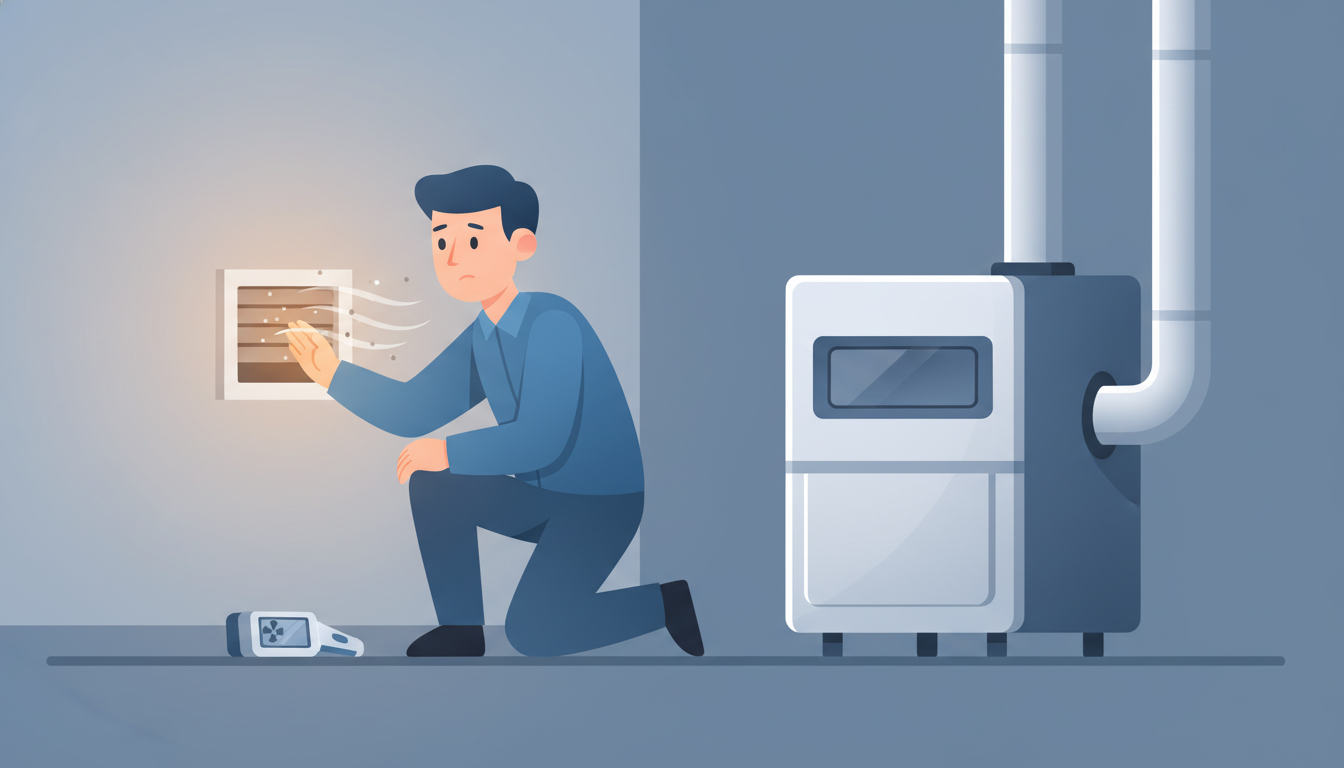
What Causes Weak Airflow From Heating Vents?
What Causes Weak Airflow From Heating Vents?
Is your heating system running, but barely any air is coming out of your vents? You're not alone. Weak airflow from heating vents is one of the most common complaints homeowners face during winter months, and it can leave you shivering in a cold house even when your furnace is working overtime. The good news? Most airflow problems have straightforward solutions once you identify the root cause.
In this guide, we'll walk you through the top causes of weak airflow from heating vents, help you understand what's happening inside your HVAC system, and show you which problems you can fix yourself versus when to call a professional.
How to Tell If You Have Weak Airflow from Your Heating Vents
Before we dive into causes, let's make sure you're actually dealing with an airflow issue. Here are the telltale signs:
- Barely perceptible air movement when you hold your hand near a vent
- Some rooms feel cold while others are warm
- Your furnace runs constantly but never reaches the thermostat setting
- Longer heating cycles than normal
- Higher energy bills without increased usage
If you're experiencing one or more of these symptoms, you likely have a heating system airflow problem that needs attention.
Top 10 Causes of Weak Airflow From Heating Vents
1. Dirty or Clogged Air Filter
This is the #1 culprit behind poor airflow from HVAC systems, and it's also the easiest to fix. Your air filter traps dust, pet dander, and other particles to protect your furnace and improve indoor air quality. When it gets clogged, it creates a barrier that restricts air movement.
How to fix it: Check your air filter monthly and replace it every 1-3 months, depending on usage. If you have pets or allergies, you may need to replace it more frequently. Standard 1-inch filters should be changed monthly, while thicker 4-inch filters can last up to 3 months.
DIY or Pro? This is a simple DIY fix that takes less than 5 minutes.
2. Blocked or Obstructed Vents
Sometimes the solution is right in front of you—literally. Furniture, curtains, rugs, or storage boxes placed too close to supply or return vents can severely restrict airflow. Even partially blocked vents can reduce heating efficiency by 25% or more.
What to check:
- Floor vents covered by rugs or furniture
- Wall vents blocked by curtains or wall hangings
- Ceiling vents obstructed by ceiling fans or light fixtures
- Return vents covered by furniture or decorations
How to fix it: Move any obstructions at least 12 inches away from all vents. For return vents, maintain at least 6 inches of clearance on all sides for optimal airflow.
DIY or Pro? Definitely DIY. Walk through your home and inspect every vent.
3. Leaky or Damaged Ductwork
According to the U.S. Department of Energy, the typical home loses 20-30% of conditioned air through duct leaks, holes, and poorly connected ducts. This means your furnace is working hard to heat air that never makes it to your living spaces.
Common ductwork problems include:
- Disconnected ducts at joints or connections
- Holes or tears in flexible ductwork
- Unsealed seams where duct sections meet
- Crushed or kinked ducts in crawl spaces or attics
You might notice weak airflow from specific vents while others work fine—this often indicates a leak in the ductwork serving that area. For more comprehensive information on addressing these issues, check out our complete HVAC repair guide.
How to fix it: Inspect accessible ductwork in your basement, attic, or crawl space for obvious damage. Small holes can be sealed with mastic sealant or metal-backed tape (never use standard duct tape, which deteriorates quickly). Larger issues require professional duct sealing or replacement.
DIY or Pro? Simple repairs are DIY-friendly, but extensive duct work needs a professional.
4. Closed or Partially Closed Dampers
Dampers are adjustable plates inside your ductwork that control airflow to different zones or rooms. They're typically installed during construction to balance your HVAC system. If dampers are accidentally closed or stuck, they'll restrict airflow just like a closed door blocks a hallway.
Dampers can be located:
- Inside the main trunk line of your ductwork
- At individual branch lines serving specific rooms
- Near the furnace where ducts connect to the plenum
How to fix it: Locate your duct dampers (look for small levers or handles on the ductwork) and ensure they're in the open position. The lever should be parallel to the duct when open, perpendicular when closed.
DIY or Pro? Opening dampers is DIY, but if they're stuck or you can't find them, call a pro.
5. Malfunctioning Blower Motor or Fan
Your furnace's blower motor is responsible for pushing heated air through your ductwork and out your vents. When the blower motor fails or the fan blades get dirty, airflow drops significantly. You might hear the furnace running but feel minimal air movement from your vents.
Common blower issues include:
- Dirty blower wheel caked with dust and debris
- Worn motor bearings causing the fan to slow down
- Failed capacitor preventing the motor from reaching full speed
- Wrong blower speed setting on your furnace control board
How to fix it: Turn off your furnace and visually inspect the blower wheel through the access panel. If it's covered in dust and grime, it needs professional cleaning. A dirty blower wheel can reduce airflow by up to 50%.
DIY or Pro? Cleaning a blower wheel requires technical knowledge and proper tools—this is a job for HVAC professionals.
6. Insufficient Return Air Vents
Your HVAC system needs to pull in air (through return vents) just as much as it needs to push out air (through supply vents). If you don't have enough return air vents, your system can't draw in sufficient air to circulate through your home, creating negative pressure that restricts overall airflow.
Signs of insufficient return air:
- You have many supply vents but only one or two return vents
- Doors get stuck or are hard to close when the furnace runs
- You hear a whistling sound near closed doors
- Weak airflow despite no other obvious problems
This is particularly common in older homes or rooms added during renovations without proper HVAC planning. Understanding the relationship between supply and return airflow is essential—you can read more about weak airflow causes in HVAC systems for detailed information.
How to fix it: Adding return air vents requires cutting into walls and running new ductwork—definitely a job for licensed HVAC contractors.
DIY or Pro? Professional installation required.
7. Dirty Evaporator Coil
While this issue is more common in air conditioning systems, homes with heat pumps can experience weak airflow from dirty evaporator coils year-round. The evaporator coil sits inside your air handler and can accumulate dust, dirt, and debris over time, restricting airflow through the system.
A severely dirty coil creates a blockage similar to a clogged air filter but much harder to remedy. You'll notice progressively weaker airflow over months or years as buildup accumulates.
How to fix it: Evaporator coil cleaning requires removing panels, accessing the coil assembly, and using specialized cleaning solutions. This isn't a DIY job unless you have HVAC experience.
DIY or Pro? Always hire a professional for coil cleaning.
8. Thermostat Issues
Sometimes weak airflow isn't a furnace problem at all—it's a thermostat problem. If your thermostat is malfunctioning or improperly configured, it might be running your blower at a lower speed than necessary or cycling the system on and off too frequently.
Common thermostat-related airflow issues:
- Fan set to "Auto" instead of "On" (this is normal, but switching to "On" will provide constant airflow)
- Batteries dying in battery-powered thermostats
- Incorrect calibration causing the system to underperform
- Poor placement (near drafts, windows, or heat sources) giving false readings
How to fix it: Replace thermostat batteries, verify settings, and ensure your thermostat is level and away from heat sources or drafts. If problems persist, the thermostat may need replacement.
DIY or Pro? Checking settings and replacing batteries is DIY; installing a new thermostat can be DIY for tech-savvy homeowners, but wiring errors can damage your system.
9. Undersized or Oversized Ductwork
Poor initial system design leads to chronic airflow problems that no amount of maintenance can fix. If your ductwork is too small, it creates excessive resistance that your blower can't overcome. If it's too large, air velocity drops and heating efficiency plummets.
Professional HVAC installers use Manual D calculations to size ductwork correctly, but shortcuts during installation or DIY duct work often result in improper sizing.
How to identify it: If you've ruled out all other causes and multiple vents throughout your home have consistently weak airflow, ductwork sizing might be the culprit.
How to fix it: Unfortunately, fixing improperly sized ductwork means replacing sections or the entire duct system—a major renovation requiring professional design and installation.
DIY or Pro? This is strictly professional territory.
10. Failing Furnace Circuit Board
Modern furnaces use electronic control boards to manage blower speeds, ignition sequences, and safety features. When the circuit board malfunctions, it can send incorrect signals to the blower motor, causing it to run at reduced speed or cycle improperly.
This is one of the less common causes of weak airflow but worth mentioning because it's often misdiagnosed. Symptoms can mimic other problems like a bad blower motor or thermostat.
How to fix it: Circuit board diagnosis requires specialized testing equipment and knowledge of furnace electronics. Replacement boards cost $200-$600 plus labor.
DIY or Pro? Always hire a professional for circuit board issues.
When Weak Airflow Affects Only One Vent
If you're experiencing weak airflow from just one vent while others work fine, the problem is localized to that specific duct branch. Common causes include:
- Disconnected duct serving that vent
- Closed damper in that branch line
- Crushed or kinked flexible duct
- Obstruction inside the duct (construction debris, pest nests, etc.)
Start by checking if the damper for that zone is open. If that doesn't help, you may need to access the ductwork serving that room to look for damage or disconnections. For AC-specific airflow issues that can also apply to heating systems, our guide on causes of weak airflow from AC vents provides additional troubleshooting steps.
How to Prevent Weak Airflow From Heating Vents
Prevention is always better (and cheaper) than repairs. Follow these maintenance tips to keep your heating system flowing freely:
Monthly Tasks:
- Check and replace air filters
- Inspect vents for obstructions
- Listen for unusual noises from your furnace
Seasonal Tasks:
- Schedule professional HVAC maintenance before heating season
- Inspect accessible ductwork for damage
- Test airflow from all vents
- Clean or replace return vent grilles
Annual Professional Maintenance Should Include:
- Blower motor inspection and cleaning
- Blower wheel cleaning
- Ductwork inspection
- Airflow measurement and balancing
- Safety control testing
- Combustion analysis (for gas furnaces)
Regular maintenance costs $80-$150 per visit but can prevent expensive repairs and extend your furnace's lifespan by years.
When to Call a Professional vs. DIY Fixes
DIY-Friendly Fixes:
- Replacing air filters
- Clearing blocked vents
- Opening closed dampers
- Checking thermostat settings and batteries
- Basic visual duct inspections
Call a Professional For:
- Blower motor repairs or replacement
- Ductwork modifications or sealing
- Evaporator coil cleaning
- Circuit board diagnosis and replacement
- Adding return air vents
- System design and sizing issues
- Refrigerant-related problems
If you've tried the DIY solutions and still have weak airflow, it's time to call a licensed HVAC technician. Don't wait too long—running a furnace with restricted airflow can cause overheating, safety lockouts, and premature component failure.
Understanding the Cost of Repairs
Knowing what to expect financially helps you plan for repairs:
- Air filter replacement: $15-$50 (DIY)
- Thermostat replacement: $150-$400
- Duct sealing: $300-$1,000
- Blower motor replacement: $400-$800
- Complete duct replacement: $2,000-$6,000
- Circuit board replacement: $200-$800
Many airflow problems have simple, inexpensive solutions, but complex issues like duct redesign can require significant investment. Always get multiple quotes for major work.
Frequently Asked Questions
Why is the air from my heating vents warm but weak?
This indicates your furnace is heating air properly, but something is restricting airflow. The most common causes are a dirty air filter, blocked vents, or ductwork leaks. Start by checking your air filter—if it's dirty, replace it and see if airflow improves within a few minutes.
Can a dirty filter cause no airflow?
Yes. A severely clogged filter can reduce airflow to nearly zero. In extreme cases, restricted airflow can trigger safety switches that shut down your furnace entirely. This is why monthly filter checks are so important, especially during peak heating season.
How much does it cost to fix weak airflow from heating vents?
It depends on the cause. Simple fixes like replacing an air filter cost $15-$50, while moderate repairs like duct sealing run $300-$1,000. Complex issues like blower motor replacement or duct redesign can cost $400-$6,000. A professional diagnostic visit typically costs $80-$150 and will identify the specific problem.
Should I close vents in unused rooms to increase airflow elsewhere?
No. Closing vents disrupts your HVAC system's designed airflow balance, increases pressure in your ductwork, and can actually decrease overall efficiency. It may also cause your furnace to overheat or cycle improperly. Keep all vents open for optimal performance.
How often should I have my HVAC system professionally serviced?
At minimum, schedule professional maintenance once per year before heating season begins. If you have a heat pump that provides both heating and cooling, consider twice-yearly maintenance (spring and fall). Regular maintenance prevents most airflow problems before they start.
Get Your Heating System Flowing Freely Again
Weak airflow from heating vents can turn a cold winter day into an uncomfortable ordeal, but now you know the most common causes and solutions. Start with the simple fixes—check your air filter, clear blocked vents, and inspect accessible ductwork. If those don't solve the problem, it's time to call in a professional HVAC technician.
Don't ignore weak airflow. Beyond the discomfort, restricted airflow forces your furnace to work harder, increases energy costs, and can lead to expensive component failures. The sooner you address the problem, the less it will cost to fix.
Need professional help with your heating system? Contact a licensed HVAC contractor in your area for a thorough diagnostic and repair estimate. Your comfort and safety are worth the investment.