What Causes Whistling Air Vents and Loud Airflow Noise?
What Causes Whistling Air Vents and Loud Airflow Noise?
If you've noticed whistling air vents or loud airflow noise coming from your HVAC system, you're not alone. These sounds are more than just annoying—they're your heating and cooling system's way of telling you something needs attention. The good news? Many causes of whistling air vents are simple to fix, while others require professional help to protect your system from costly damage.
In this guide, you'll discover exactly what causes that high-pitched whistling noise from your vents, how to identify the problem, and when to call in an expert.
Understanding Why Whistling Air Vents Happen
Whistling air vents typically signal one core issue: restricted airflow. When your HVAC system can't pull in enough air through the return vents, it has to work harder. This creates high-pressure, high-velocity air that squeezes through narrow openings, producing that distinctive whistling sound.
Think of it like blowing air through pursed lips versus an open mouth. The tighter the opening, the louder and higher-pitched the noise.
Your HVAC system is designed to move air at specific speeds through ducts of certain sizes. When something disrupts this balance—whether it's a blockage, leak, or design flaw—you'll hear it.
Top 8 Causes of Whistling Air Vents and Loud Airflow Noise
1. Dirty or Clogged Air Filters
The most common culprit. When your air filter becomes packed with dust, pet hair, and debris, it blocks airflow into your system. Your blower motor keeps running at full power, but the air has nowhere to go except through tiny gaps—creating that whistling sound.
How to fix it: Check your air filter monthly and replace it every 1-3 months depending on use. If you have pets or allergies, change it more frequently. A clean filter not only stops the noise but also improves your HVAC system's efficiency.
Cost: $10-$30 for a quality filter
2. Blocked or Closed Air Vents
Many homeowners close vents in unused rooms thinking they'll save energy. Unfortunately, this creates pressure imbalances that force air through other vents at higher velocities, causing whistling and loud airflow noise.
Furniture, curtains, rugs, or storage boxes can also accidentally block vents, restricting airflow just like a closed filter.
How to fix it:
- Keep at least 80% of your vents open throughout your home
- Move furniture at least 6-12 inches away from supply and return vents
- Remove any objects blocking vent openings
- Vacuum vent covers to remove dust buildup
If you've noticed weak airflow from certain vents, blockages might be the issue.
3. Closed or Partially Closed Dampers
Dampers are adjustable plates inside your ductwork that control airflow to different zones of your home. If too many dampers are closed—or if they're stuck in the wrong position—air pressure builds up, forcing air through at high speeds.
How to fix it: Locate your damper handles (usually on main duct lines in your basement or attic). The handle should be parallel to the duct when open, perpendicular when closed. Open at least 80% of dampers to maintain proper air balance.
4. Too Many Closed Interior Doors
This is an often-overlooked cause of whistling air vents. When you close multiple interior doors, supply air can't easily reach return vents. Your blower motor has to pull harder, creating negative pressure that causes air to whistle as it squeezes under door gaps.
How to fix it:
- Keep bedroom and interior doors open when the HVAC system is running
- Install door undercuts (1-inch gap under doors) to allow air circulation
- Consider installing jump ducts or transfer grilles between rooms and hallways
5. Leaky or Damaged Ductwork
Cracks, gaps, or disconnected sections in your ductwork allow air to escape at high pressure. As air rushes through these openings, it creates whistling, whooshing, or hissing sounds. According to Energy Star, the average home loses 20-30% of conditioned air through duct leaks.
Common problem areas:
- Duct connections and seams
- Areas where ducts bend or change direction
- Connections between ducts and vents
- Older flex duct with tears or holes
Professional fix required: A certified HVAC technician will use specialized equipment to locate and seal leaks with mastic sealant or metal tape (never regular duct tape, which deteriorates quickly).
Cost: $300-$1,500 depending on extent of repairs
6. Undersized or Poorly Designed Ductwork
If your ductwork is too narrow for the volume of air your HVAC system produces, air velocity increases dramatically—like trying to force water through a straw instead of a pipe. This high air velocity creates loud whooshing and whistling noises.
Common scenarios:
- Ducts weren't properly sized during installation
- An HVAC system was upgraded without updating ductwork
- Return vents are too small for the system capacity
How to identify it: If the whistling started immediately after a new HVAC system was installed, or if ALL vents whistle rather than just one or two, undersized ducts are likely the problem.
Professional assessment needed: An HVAC contractor will perform a Manual D calculation to determine if your ductwork meets your system's airflow requirements.
Cost: $1,000-$5,000 for ductwork modifications
7. Malfunctioning Blower Motor or Fan Speed Issues
Your blower motor pushes air through your ductwork. If it's running at the wrong speed—either too fast or with worn bearings—it can create excessive air pressure and velocity that causes whistling.
Warning signs:
- Whistling that gets louder as the system runs longer
- Intermittent high-pitched sounds
- Humming or grinding noises along with whistling
Professional diagnosis required: A technician will test motor speed, check capacitors, and inspect fan blades for damage.
Cost: $450-$800 for motor replacement
8. Debris or Obstructions Inside Ductwork
Dust buildup, construction debris, or even small objects that fell through vent covers can partially block ducts. As air flows past these obstructions, it creates turbulence and whistling sounds.
How to check: Remove a few vent covers and shine a flashlight into the duct. Look for visible dust accumulation, loose insulation, or foreign objects.
Professional cleaning recommended: If you see significant buildup, schedule duct cleaning. A professional service removes debris and improves airflow. Learn more about when you might experience no airflow from one specific vent.
Cost: $300-$500 for whole-home duct cleaning
How to Diagnose Where the Whistling Is Coming From
Identifying the exact source of your whistling air vents helps you fix the problem faster:
Step 1: Listen carefully. Walk through your home while the HVAC system runs. Is the whistling:
- Coming from one specific vent? (Likely a blockage or duct leak near that vent)
- Coming from multiple vents? (Suggests system-wide pressure issues or dirty filter)
- Coming from the air handler itself? (Points to blower motor or filter issues)
Step 2: Check your supply vs. return vents.
- Supply vents blow conditioned air into rooms (typically on walls or ceilings)
- Return vents pull air back to the system (usually larger, on walls or in hallways)
Whistling from return vents usually means insufficient return airflow. Whistling from supply vents often indicates high pressure or velocity issues.
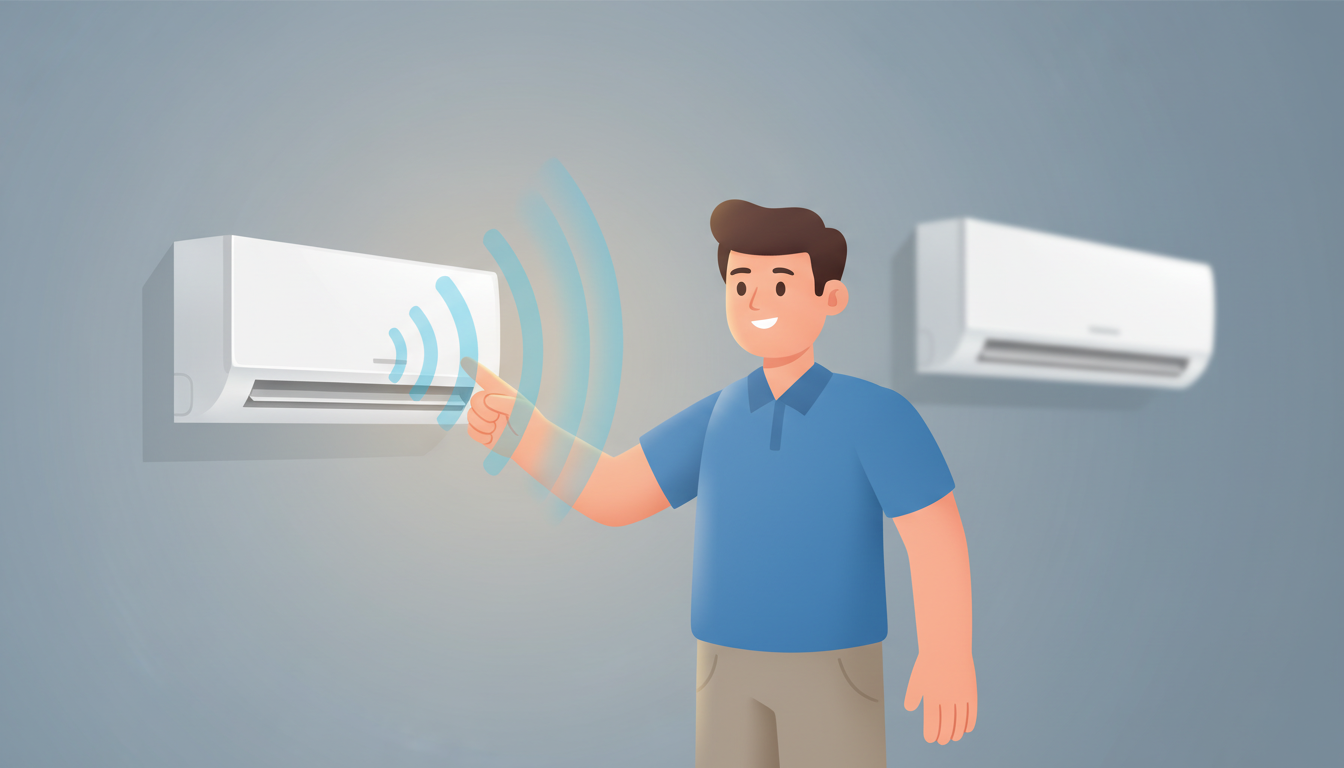
Step 3: Perform the "tissue test." Hold a tissue near the whistling vent. Excessive suction or blow indicates airflow restriction or pressure imbalance.
Step 4: Inspect accessible ductwork. In your basement, attic, or crawl space, look for:
- Visible gaps or separated connections
- Loose or damaged duct sections
- Kinked or crushed flex ducts
DIY Fixes You Can Try Right Now
Before calling a professional, try these quick solutions:
Replace Your Air Filter
Takes 5 minutes and costs under $30. This fixes whistling air vents in 40% of cases.
Open All Vents and Dampers
Ensure at least 80% of your vents are fully open and check that dampers aren't stuck closed.
Clear Obstructions
Move furniture, vacuum vent covers, and remove anything blocking airflow.
Open Interior Doors
Allow air to circulate freely between rooms, especially when the system is running.
Check for Visible Duct Damage
If you spot obvious gaps or disconnected ducts in accessible areas, consider temporary sealing until a pro can properly repair it.
When to Call a Professional HVAC Technician
Some causes of whistling air vents require expert diagnosis and repair:
Call a professional if:
- You've tried DIY fixes and the whistling persists
- The noise gets progressively louder over time
- You smell musty odors along with the whistling (possible mold in ducts)
- Your energy bills have increased significantly
- Some rooms are much warmer or cooler than others
- The whistling is accompanied by other unusual sounds (grinding, banging, squealing)
A qualified HVAC technician will:
- Perform a complete system inspection
- Measure static pressure and airflow
- Check for duct leaks using specialized equipment
- Test blower motor performance
- Verify proper duct sizing and design
- Provide a detailed repair estimate
The Hidden Costs of Ignoring Whistling Air Vents
That annoying whistle isn't just a noise problem—it signals inefficiencies that cost you money:
Higher Energy Bills: Restricted airflow forces your system to run longer to reach desired temperatures, increasing energy consumption by 15-30%.
Shortened Equipment Lifespan: When your blower motor works harder to overcome airflow restrictions, it wears out faster. A $150 filter change can prevent a $1,200 motor replacement.
Uneven Heating and Cooling: Pressure imbalances cause hot and cold spots throughout your home, reducing comfort.
Poor Indoor Air Quality: Restricted airflow means less air filtration, allowing more dust, allergens, and pollutants to circulate.
Prevention Tips to Stop Whistling Before It Starts
Monthly:
- Check and replace air filters as needed
- Ensure all vents remain unblocked
Quarterly:
- Vacuum vent covers and returns
- Inspect accessible ductwork for damage
- Test that dampers move freely
Annually:
- Schedule professional HVAC maintenance
- Have a technician check system airflow and static pressure
- Consider duct inspection every 3-5 years
When Renovating:
- Never close off or remove return vents
- Consult an HVAC professional before making changes to ductwork
- Ensure new additions include proper duct extensions
Frequently Asked Questions About Whistling Air Vents
Why do my air vents whistle only when the heat is on?
Whistling during heating often occurs because furnaces create higher static pressure than air conditioners. If your ductwork is slightly undersized or has minor restrictions, you'll notice it more during heating season. Check your filter first—it clogs faster in winter due to increased system runtime.
Is whistling from air vents dangerous?
The whistling itself isn't dangerous, but it indicates problems that can damage your HVAC system. Restricted airflow can cause your heat exchanger to crack (creating carbon monoxide risks) or your compressor to fail. Address the issue promptly to avoid safety hazards and expensive repairs.
Can I just close the whistling vent?
No—closing a whistling vent will worsen the problem by creating additional pressure imbalances. The air has to go somewhere, and closing vents forces it through other openings at even higher velocities, potentially causing whistling in other locations.
How much does it cost to fix whistling air vents?
DIY fixes: $10-$50 (air filter, vent cleaning) Minor professional repairs: $150-$500 (duct sealing, damper adjustment) Major repairs: $1,000-$5,000 (ductwork replacement, system rebalancing)
Most cases fall into the first two categories and are relatively inexpensive to fix.
Why does the whistling stop after the system runs for a while?
This suggests temperature-related duct expansion. Metal ducts expand as they heat up, slightly changing airflow patterns. While this may seem harmless, it indicates your ductwork isn't properly secured or sized. Have a technician inspect for loose connections.
Take Action on Your Whistling Air Vents Today
Whistling air vents and loud airflow noise are fixable problems, and addressing them quickly saves you money while extending your HVAC system's life. Start with the simple solutions—replace your filter, open vents and dampers, and clear obstructions. If the whistling continues, it's time to bring in a professional.
Don't let that annoying whistle turn into an expensive repair. The sooner you address airflow restrictions and pressure issues, the sooner you'll enjoy a quieter, more efficient home comfort system.
Need expert help diagnosing your whistling air vents? Contact a licensed HVAC professional for a comprehensive system inspection and get back to peaceful, efficient heating and cooling.