How Coil Cleaning Prevents Expensive HVAC Repairs
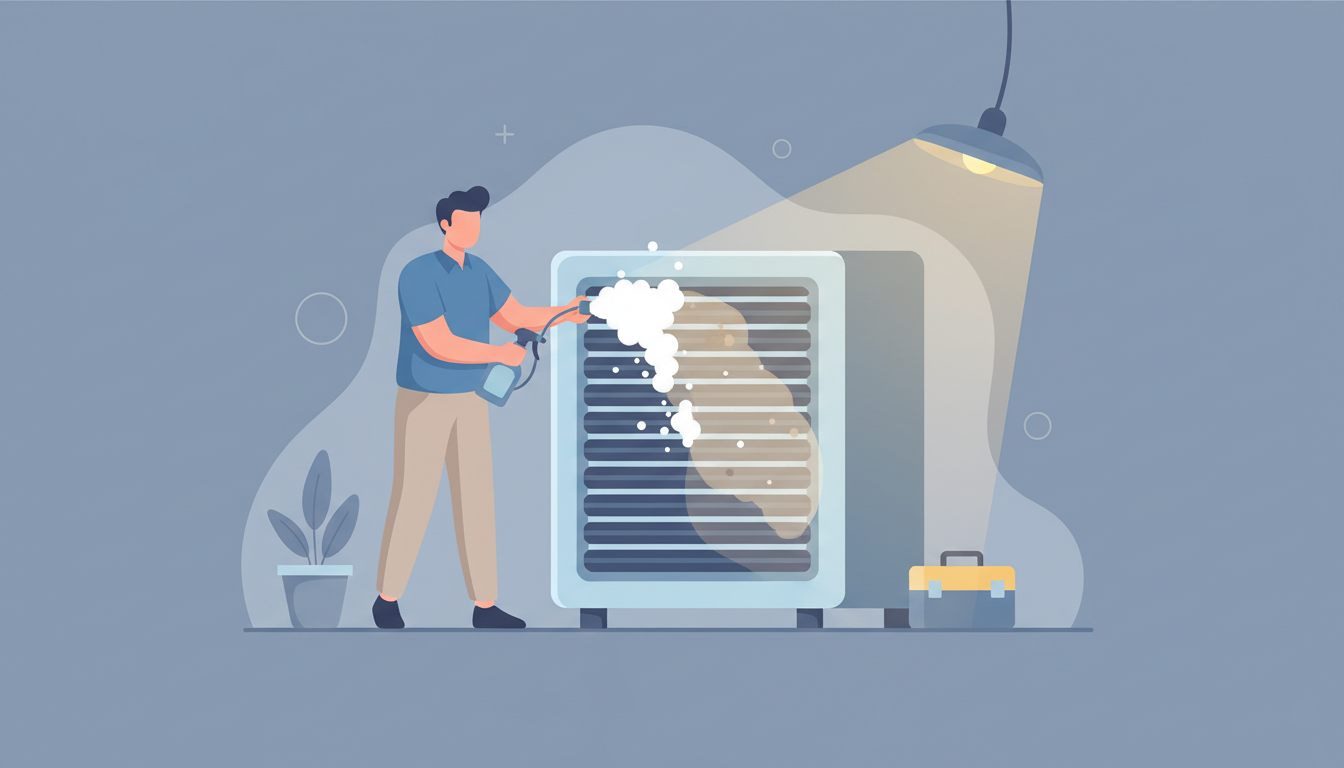
How Coil Cleaning Prevents Expensive HVAC Repairs
Your air conditioner is working overtime to keep your home cool, but there's a hidden problem that could be costing you thousands in repairs. Dirty coils are silently sabotaging your HVAC system, and most homeowners don't realize the damage until it's too late.
The good news? Regular coil cleaning prevents expensive HVAC repairs and can save you from emergency breakdowns when you need your system most. Let's explore exactly how this simple maintenance task protects your wallet and your comfort.
What Are HVAC Coils and Why Do They Matter?
Your HVAC system relies on two critical components to keep your home comfortable: the evaporator coil and the condenser coil. These coils are responsible for heat transfer—the fundamental process that makes air conditioning possible.
The evaporator coil sits inside your home, typically in the air handler or furnace. It absorbs heat from your indoor air, creating the cool air that flows through your vents. Meanwhile, the condenser coil is located in your outdoor unit and releases that absorbed heat outside.
Both coils contain delicate aluminum or copper fins that maximize surface area for heat exchange. When these fins get coated with dirt, dust, pollen, and debris, their ability to transfer heat diminishes rapidly. This is where your problems—and expenses—begin.
The Hidden Costs of Dirty HVAC Coils
When your coils are dirty, your entire HVAC system pays the price. The U.S. Department of Energy reports that a dirty condenser coil can increase compressor energy consumption by 30%. That's not just higher utility bills—it's excessive strain on every component in your system.
Compressor Failure: The $3,500 Nightmare
Your compressor is the heart of your air conditioning system, and it's also the most expensive component to replace. Compressor replacement typically costs between $1,500 and $3,500, depending on your system size and type.
Dirty coils force your compressor to work harder and run longer to achieve the same cooling effect. The increased operating temperatures and extended run times cause premature compressor failure. According to HVAC technicians, many compressor failures could have been prevented with regular coil cleaning and maintenance.
Frozen Coils and Refrigerant Leaks
When airflow restriction becomes severe due to dirty evaporator coils, the cold refrigerant passing through causes condensation to freeze. Ice buildup on coils doesn't just block cooling—it can crack the coil fins and damage the refrigerant lines.
A frozen evaporator coil repair typically costs $200 to $500 for the service call and defrosting. However, if the ice causes refrigerant leaks, you're looking at repair costs between $200 and $1,500, plus the cost of recharging your system with refrigerant at $100 to $600.
Professional coil cleaning costs between $100 and $400 annually—a fraction of these emergency repair bills.
Warning Signs Your AC Coils Need Cleaning Now
Don't wait for a complete system breakdown. Watch for these symptoms that indicate your coils need professional attention:
- Weak airflow from your vents, even when the system runs constantly
- Longer cooling cycles where your AC runs but struggles to reach the set temperature
- Higher energy bills without corresponding increases in usage
- Ice formation on the refrigerant lines or around the indoor unit
- Warm air blowing from vents despite the thermostat setting
- Strange odors when the system runs, indicating mold or mildew growth
- Visible dirt and debris on the outdoor condenser unit
If you notice any of these weak airflow or cooling issues, it's time to schedule coil cleaning before minor problems escalate into expensive repairs.
How Dirty Coils Damage Your HVAC System
Understanding the chain reaction that dirty coils trigger helps you appreciate why coil cleaning prevents HVAC repairs across multiple components.
Reduced Heat Transfer Efficiency
Clean coils allow refrigerant to absorb and release heat efficiently. When dirt accumulates on the coil surface, it acts as insulation, blocking heat transfer. Your system must run longer to achieve the same cooling effect, dramatically increasing wear on all moving parts.
Increased System Pressure
Poor heat transfer causes refrigerant pressure to rise beyond normal operating ranges. High pressure strains the compressor, potentially damaging internal components. It also puts stress on refrigerant lines, increasing the risk of leaks at connection points.
Capacitor and Fan Motor Failure
Extended run times don't just affect your compressor—they also shorten the lifespan of your capacitor (which helps start the compressor and fan motors) and the fan motors themselves.
Capacitor replacement costs $150 to $400, while fan motor replacement runs $200 to $650. These failures often occur in clusters when dirty coils force your system to overwork during peak cooling season.
Complete System Breakdown
When multiple stressed components fail simultaneously, you face a decision: repair or replace? Many homeowners end up replacing entire systems because cumulative repair costs approach 50% of replacement cost. A $15,000 system replacement is devastating when annual coil cleaning could have prevented it.
The Financial Benefits of Regular Coil Cleaning
Let's look at the return on investment for professional coil cleaning:
Annual coil cleaning cost: $100 - $400 Prevented repairs:
- Compressor replacement: $1,500 - $3,500
- Refrigerant leak repair: $200 - $1,500
- Capacitor replacement: $150 - $400
- Fan motor replacement: $200 - $650
- Frozen coil emergency service: $200 - $500
Even if coil cleaning prevents just one major repair, you've saved 5-10 times your maintenance investment. Over your system's 15-20 year lifespan, regular maintenance can save you $10,000 or more in avoided repairs and premature replacement.
Energy Savings Add Up Quickly
Beyond repair prevention, clean coils improve efficiency and reduce your monthly utility bills. Studies by the American Society of Heating, Refrigerating, and Air-Conditioning Engineers (ASHRAE) indicate that dirty coils consume 20% to 50% more energy than clean ones.
For an average household spending $200 monthly on cooling during summer months, that's $40 to $100 per month wasted—$240 to $600 per cooling season. Clean coils pay for themselves through energy savings alone.
How Often Should HVAC Coils Be Cleaned?
The ideal cleaning frequency depends on your environment and system usage:
- Annual cleaning is sufficient for most residential systems in mild climates
- Twice yearly (spring and fall) is recommended for homes in dusty areas, near construction, or with heavy landscaping
- Quarterly cleaning may be necessary for systems running 24/7 or in industrial environments
- After major events like storms, wildfires, or nearby construction that introduces excessive debris
Spring cleaning before cooling season begins is particularly important. It ensures your system operates efficiently when you need it most and prevents breakdowns during summer heat waves when HVAC repair services are most expensive and hardest to schedule.
Professional Coil Cleaning vs. DIY: What You Need to Know
While homeowners can perform basic exterior condenser cleaning (hosing off visible debris), professional coil cleaning offers significant advantages:
What Professionals Do Differently
HVAC technicians use specialized tools and techniques that protect your system while delivering thorough cleaning:
- Proper chemical cleaners formulated for aluminum and copper coils that won't cause corrosion
- Correct pressure for rinsing without bending delicate coil fins
- Access to both sides of coils for complete cleaning
- Evaporator coil cleaning inside the air handler, which most DIYers can't safely access
- Straightening bent fins that reduce airflow and efficiency
- Complete system inspection to identify potential problems before they cause failures
The Risks of DIY Coil Cleaning
Improper cleaning techniques cause more harm than good:
- Pressure washers bend coil fins, permanently reducing capacity
- Wrong chemicals corrode coil materials or leave residue that attracts more dirt
- Incomplete cleaning addresses visible dirt but misses the interior surfaces where buildup matters most
- Refrigerant line damage occurs when untrained individuals access the evaporator coil
- Voided warranties if manufacturer guidelines aren't followed
For most homeowners, the $100-$400 cost of professional cleaning is worthwhile given the complexity and risks of DIY attempts.
How Coil Cleaning Fits Into Complete HVAC Maintenance
Coil cleaning doesn't exist in isolation—it's part of comprehensive preventative maintenance that maximizes your system's lifespan and performance.
A complete maintenance visit should include:
- Evaporator and condenser coil cleaning
- Air filter replacement or cleaning
- Refrigerant level check and adjustment
- Electrical connection inspection and tightening
- Thermostat calibration
- Drain line clearing
- Belt inspection (for older systems)
- Lubrication of moving parts
- Overall system performance testing
Understanding the difference between HVAC maintenance and repair helps you make informed decisions about system care. Regular maintenance addresses issues before they become repairs, while repairs fix problems that maintenance would have prevented.
Indoor Air Quality Benefits of Clean Coils
While preventing expensive HVAC repairs is the primary financial benefit, clean coils also protect your family's health. Dirty evaporator coils create the perfect environment for mold, mildew, and bacteria growth.
Every time your system runs, air passes over these coils before entering your home. Contaminants on dirty coils become airborne, circulating through your ductwork and into the air you breathe.
This contributes to:
- Allergic reactions and respiratory irritation
- Musty odors throughout your home
- Increased dust and particulate matter
- Aggravation of asthma and other respiratory conditions
Regular coil cleaning combined with proper air filtration maintains healthy indoor air quality while protecting your HVAC investment.
Protecting Your Warranty Through Proper Maintenance
Many homeowners don't realize that neglecting maintenance—including coil cleaning—can void their HVAC warranty. Manufacturers require proof of regular professional maintenance to honor warranty claims on major components.
If your compressor fails at year 8 of a 10-year warranty, but you can't document annual maintenance, you might pay full replacement cost instead of receiving warranty coverage. That's $3,500 out of pocket that maintenance documentation would have saved.
Keep all service records, including dates, work performed, and technician information. This documentation protects your warranty and provides valuable history if you sell your home.
Seasonal Timing: When to Schedule Coil Cleaning
Strategic timing maximizes the benefits of coil cleaning:
Spring (March-May): Schedule cleaning before cooling season begins. This ensures optimal efficiency during expensive summer months and prevents breakdowns when demand for HVAC services peaks. You'll also get better availability and pricing before the rush.
Fall (September-November): For year-round system users or those in warm climates, fall cleaning prepares your heating system and removes summer debris accumulation. This timing also offers off-season rates and easy scheduling.
After Major Events: Schedule additional cleaning after hurricanes, dust storms, wildfires, or nearby construction that exposes your outdoor unit to excessive debris. Don't wait until your next scheduled maintenance if your condenser coil is visibly clogged.
The Bottom Line: Prevention Pays
The question isn't whether you can afford professional coil cleaning—it's whether you can afford not to clean your coils. The math is simple:
Annual coil cleaning: $100 - $400 Average repair prevented: $1,000 - $3,500 Energy savings per season: $240 - $600 Extended system lifespan: 5 - 10 years
Over your system's life, regular coil cleaning saves thousands in repairs, reduces monthly utility bills, maintains home comfort, and delays the massive expense of system replacement.
Don't wait until you're facing an emergency repair bill in the middle of summer. Schedule your coil cleaning during the spring, maintain a regular maintenance schedule, and protect your HVAC investment for years to come.
Frequently Asked Questions About Coil Cleaning and HVAC Repairs
How often should I have my HVAC coils professionally cleaned?
Most residential systems need annual coil cleaning, typically performed in spring before cooling season. If you live in a dusty environment, near construction, or run your system heavily, schedule cleaning twice yearly (spring and fall) for optimal protection and efficiency.
What are the signs that my AC coils are dirty and need cleaning?
Watch for weak airflow from vents, longer cooling cycles where your AC struggles to reach the set temperature, unexpectedly higher energy bills, ice formation on refrigerant lines, warm air from vents, or musty odors when the system runs. Any of these symptoms suggests dirty coils that need immediate attention.
Can I clean my own HVAC coils or should I hire a professional?
While you can rinse visible debris from your outdoor condenser unit with a garden hose, professional cleaning is recommended for thorough results. HVAC technicians safely access interior evaporator coils, use proper chemicals that won't damage coil materials, apply correct pressure to avoid bending fins, and inspect for potential problems during the cleaning process.
How much does professional coil cleaning cost compared to repairs?
Professional coil cleaning typically costs $100 to $400 annually, depending on your system size and accessibility. Compare this to compressor replacement ($1,500-$3,500), refrigerant leak repair ($200-$1,500), capacitor replacement ($150-$400), or frozen coil emergency service ($200-$500). Coil cleaning prevents these expensive repairs and pays for itself many times over.
What repairs can dirty coils cause if I don't clean them?
Neglected coils cause a cascade of problems: compressor failure from overheating and extended run times, frozen evaporator coils that can crack and leak refrigerant, capacitor burnout from excessive cycling, fan motor failure from constant operation, and ultimately complete system breakdown requiring replacement rather than repair. Regular cleaning prevents this entire chain of failures.