Common Electrical Problems Behind HVAC No-Cool Calls
Common Electrical Problems Behind HVAC No-Cool Calls
When your air conditioner stops cooling on a sweltering summer day, there's a good chance an electrical problem is to blame. In fact, electrical issues account for nearly 85% of all "no-cool" service calls that HVAC technicians handle. Understanding these common electrical problems can help you identify warning signs early, prevent costly breakdowns, and know when it's time to call a professional. Let's explore the most frequent electrical culprits behind your AC's failure to cool and what you can do about them.
Why Electrical Problems Cause No-Cool Situations
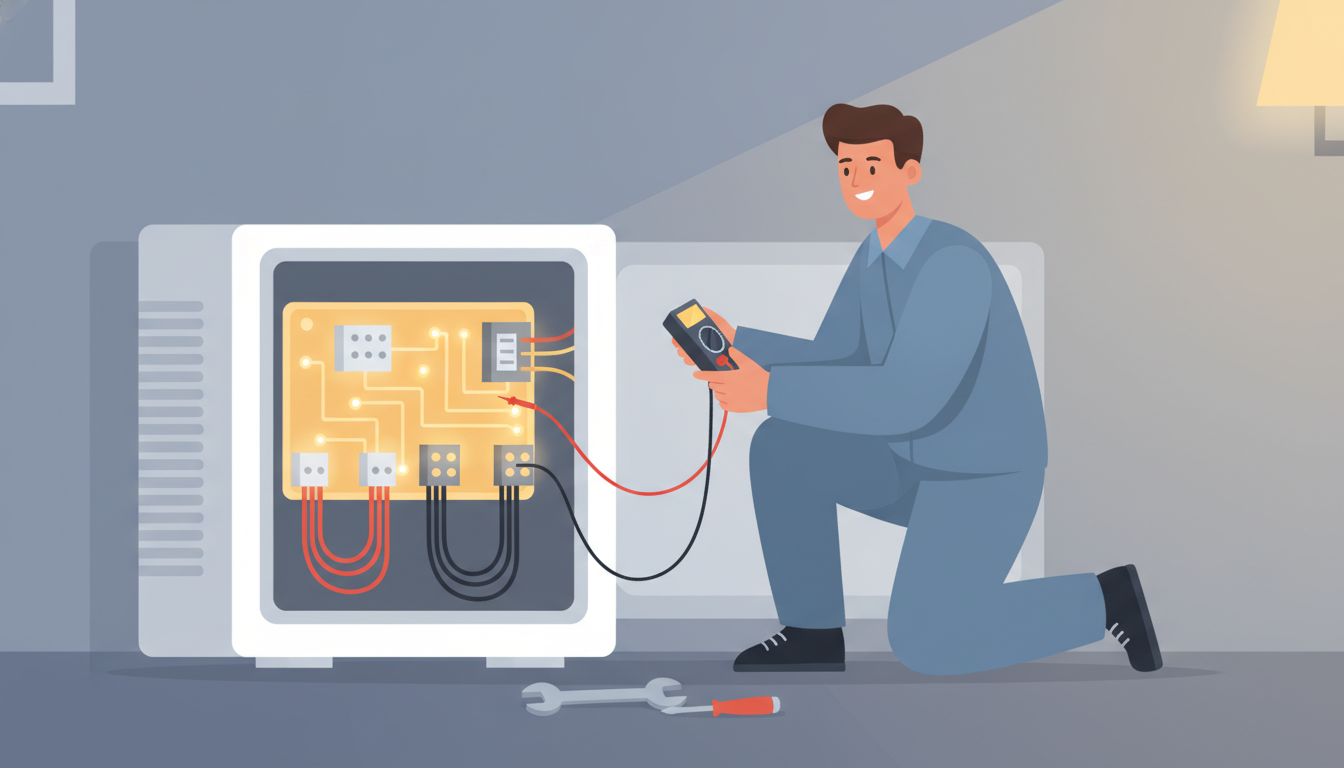
Your HVAC system relies on a complex network of electrical components working in perfect harmony. The compressor, condenser fan motor, blower motor, and control board all need consistent electrical power to keep your home cool. When even one electrical component fails, your entire cooling system can shut down or operate inefficiently.
Electrical problems don't just appear out of nowhere. They develop over time due to wear and tear, power surges, extreme weather conditions, and lack of maintenance. The key is catching these issues before they leave you sweating in a hot house.
Tripped Circuit Breakers: The Most Common Culprit
Why Your AC Breaker Keeps Tripping
A tripped circuit breaker is often the first sign of an electrical problem with your HVAC system. Your air conditioner draws a significant amount of power, especially during startup. When the system pulls more current than the circuit can safely handle, the breaker trips to protect your home from electrical fires.
Common causes include:
- Dirty air filters forcing the blower motor to work harder
- Failing compressor drawing excessive amperage
- Short circuits in the wiring
- Loose electrical connections creating resistance
- Capacitor failure causing hard starts
What You Can Do
If your breaker trips once, reset it and monitor the system. If it trips repeatedly, turn off your AC immediately and call a professional. Running a system with electrical problems can cause serious damage to expensive components like the compressor.
Before calling for service, check your air filter. A clogged filter is one of the easiest problems to fix yourself and might be all that's needed to solve your tripping breaker issue. Learn more about basic maintenance in our HVAC repair guide.
Capacitor Failure: The Silent System Killer
Understanding HVAC Capacitors
Capacitors are small cylindrical components that store and release electrical energy to help motors start and run efficiently. Your air conditioner has two types: start capacitors (which give motors an initial boost) and run capacitors (which keep motors running smoothly). When capacitors fail, your AC simply won't cool properly.
Symptoms of Bad HVAC Capacitors
A failing capacitor rarely dies without warning. Watch for these telltale signs:
- Humming sound from the outdoor unit without the fan spinning
- AC takes several tries to start
- System shuts off randomly
- Higher than normal energy bills
- Clicking sounds when trying to start
- Burning smell near the outdoor unit
Capacitor failure is one of the most common electrical problems, especially during peak summer months when your system works hardest. A capacitor typically costs between $150-300 to replace, making it a relatively affordable repair compared to compressor replacement.
Why Capacitors Fail
Several factors contribute to capacitor degradation:
- Heat exposure: Capacitors located in outdoor units endure extreme temperatures
- Voltage surges: Power fluctuations gradually weaken capacitors
- Age: Most capacitors last 10-20 years but can fail earlier under stress
- Poor ventilation: Debris around your outdoor unit traps heat
Contactor Problems: When Your AC Won't Turn On
What Contactors Do
The contactor is essentially a heavy-duty relay that controls the flow of electricity to your compressor and condenser fan motor. When your thermostat calls for cooling, it sends a low-voltage signal to the contactor, which then closes to allow high-voltage power to flow to these components.
Signs of Contactor Failure
A bad contactor prevents your AC from turning on or causes it to shut off unexpectedly. Look for:
- Outdoor unit won't start even though thermostat is calling for cooling
- Chattering or buzzing sound from the outdoor unit
- Visible pitting or burning on contactor contacts
- Welded contacts that won't open (system runs continuously)
Contactors can fail due to normal wear, electrical arcing, dirt and debris, or power surges. Replacement typically costs $150-400 depending on your system.
Thermostat Wiring Problems: The Hidden Troublemaker
How Thermostat Wiring Affects Cooling
Your thermostat is the command center for your HVAC system. It uses low-voltage wiring (typically 24 volts) to communicate with your air conditioner. Even minor wiring issues can prevent your system from cooling.
Common Thermostat Electrical Issues
- Loose wire connections: Vibrations over time can loosen terminal screws
- Corroded wires: Humidity causes oxidation on wire connections
- Damaged wires: Rodents, renovations, or age can break wires
- Wrong wire placement: Incorrect installation causes system malfunctions
- Dead batteries: Many thermostats need batteries for backup power
Before assuming you have a major problem, check if your thermostat display is working. Dead batteries or a tripped breaker to the furnace can make it seem like your AC has failed when the fix is actually simple. For more detailed troubleshooting, check our central AC repair guide.
Blown Fuses: Protection That Causes Problems
The Role of Fuses in Your HVAC System
HVAC systems use fuses to protect sensitive components from power surges and electrical overloads. Your system likely has fuses in the disconnect box near the outdoor unit and possibly in the indoor air handler or furnace.
Diagnosing Blown Fuses
A blown fuse will prevent your AC from operating. Signs include:
- Complete system failure with no sound or activity
- Indoor blower works but outdoor unit doesn't run
- System worked fine then suddenly stopped
Fuses don't blow without reason. Common causes include:
- Power surges from lightning or utility issues
- Short circuits in wiring
- Failing compressor drawing too much current
- Moisture in electrical connections
- Age and normal wear
Simply replacing a fuse without identifying the root cause will result in repeated failures. A qualified technician should diagnose why the fuse blew to prevent ongoing problems.
Compressor Electrical Problems: The Expensive Failure
Why Compressor Issues Cause No-Cool Calls
The compressor is the heart of your air conditioning system, and it's also one of the most power-hungry components. Compressor electrical problems can range from minor issues with start components to complete motor failure.
Common Compressor Electrical Failures
Hard Start Issues: When capacitors weaken, compressors struggle to start. You might hear clicking or humming without the compressor actually running. A hard start kit (adding extra capacitance during startup) can sometimes extend the life of an aging compressor.
Grounded Compressor: If the compressor's electrical windings touch the metal housing, it creates a dangerous short circuit that will trip breakers immediately. This usually means compressor replacement is necessary.
Shorted Windings: Internal electrical windings can short together, preventing the compressor from running. This typically requires complete compressor or system replacement.
Burned Out Motor: Years of hard work, especially in extreme climates, can burn out compressor motors. Signs include a burning smell, tripped breakers, and complete failure to start.
Compressor replacement is one of the most expensive HVAC repairs, often costing $1,500-3,000. At this price point, many homeowners consider full system replacement instead.
Wiring Issues: The Safety Hazard
Dangers of Faulty HVAC Wiring
Damaged or deteriorating wiring doesn't just affect performance—it creates serious safety hazards. Faulty wiring can cause electrical fires, shock hazards, and equipment damage.
Common Wiring Problems
- Rodent damage: Mice and rats chew through wire insulation
- Moisture damage: Water infiltration corrodes connections
- Age-related deterioration: Insulation breaks down over decades
- Loose connections: Vibration loosens wire nuts and terminals
- Improper repairs: DIY fixes that don't meet electrical codes
Warning signs of wiring problems include:
- Burning smell near HVAC equipment
- Visible frayed or damaged wires
- Scorch marks on wiring or components
- System works intermittently
- Sparks or arcing sounds
Important safety note: Electrical work on HVAC systems should only be performed by licensed professionals. Working with high-voltage components without proper training can be deadly. Learn more about why DIY electrical HVAC repairs are risky.
Control Board Failures: The Computer Problems
Understanding HVAC Control Boards
Modern air conditioners use electronic control boards (also called circuit boards or PCBs) to manage system operations. These boards control everything from timing sequences to safety shutoffs.
Signs Your Control Board Has Failed
- LED error codes flashing on the board
- System won't respond to thermostat commands
- Random shutdowns without apparent cause
- Certain components won't activate
- Complete system failure
Control board problems can stem from:
- Power surges damaging sensitive electronics
- Moisture causing corrosion
- Manufacturing defects
- Age-related component failure
- Overheating from poor ventilation
Control board replacement typically costs $300-800 depending on the model. Sometimes individual components can be repaired rather than replacing the entire board.
Condensate Pump Electrical Issues: The Overlooked Problem
Why Condensate Pumps Matter
Your air conditioner produces condensation that must be removed from your home. When gravity drainage isn't possible, a condensate pump does this job. If the pump fails electrically, your AC's safety switch will shut down the entire system to prevent water damage.
Condensate Pump Electrical Problems
- Float switch failure: The switch that activates the pump can stick or fail
- Burned out pump motor: Years of use can wear out the small motor
- Wiring corrosion: Constant moisture exposure damages connections
- Clogged pump: While not electrical, clogs can burn out the motor
Since condensate pump problems are less obvious than other electrical issues, they're often overlooked during troubleshooting. A technician should check the pump and its electrical connections during routine maintenance.
Sensor and Switch Failures: The Detection Problems
Critical Safety Switches
Your HVAC system has multiple safety switches that cut power when problems arise:
- Pressure switches: Monitor refrigerant pressure
- Float switches: Detect condensate overflow
- Limit switches: Prevent overheating
- High-pressure cutouts: Protect against refrigerant issues
When these switches fail electrically or become stuck, they can prevent your system from cooling even when nothing else is wrong.
Thermostat Sensor Issues
The sensor near the evaporator coil tells your thermostat when to cycle on and off. If this sensor becomes misaligned, corroded, or fails, your AC might:
- Cycle too frequently (short cycling)
- Run continuously without reaching temperature
- Not turn on at all
- Shut off prematurely
Prevention: Stopping Electrical Problems Before They Start
Essential Maintenance for Electrical Components
Regular maintenance significantly reduces the likelihood of electrical failures:
Annual Professional Inspections: A qualified technician should:
- Test capacitors for proper capacitance
- Inspect all electrical connections for tightness
- Check contactors for pitting or burning
- Measure voltage and amperage draw
- Clean electrical components
- Look for signs of moisture or corrosion
Homeowner Responsibilities:
- Change air filters monthly during cooling season
- Keep outdoor unit clear of debris and vegetation
- Install surge protectors for whole-home protection
- Listen for unusual sounds like humming or buzzing
- Monitor energy bills for unexpected increases
- Schedule maintenance before cooling season begins
Surge Protection for HVAC Systems
Power surges are a leading cause of electrical component failure. Consider installing:
- Whole-home surge protector: Protects all appliances
- HVAC-specific surge protector: Installed at the disconnect box
- UPS for thermostat: Prevents control issues during brief outages
Surge protection costs $200-500 but can prevent thousands in repair costs.
When to Call a Professional vs. DIY
Safe DIY Troubleshooting
Homeowners can safely:
- Reset tripped breakers
- Replace thermostat batteries
- Change air filters
- Clean debris from around outdoor unit
- Check for visible damage (without touching electrical components)
When Professional Help Is Required
Call a licensed HVAC technician for:
- Any work involving electrical connections
- Capacitor testing or replacement
- Contactor issues
- Wiring repairs
- Component replacement
- Refrigerant-related problems
- Compressor issues
Attempting electrical repairs without proper training and tools is dangerous and can void warranties. Professional diagnosis typically costs $75-150 but ensures safe, accurate repairs.
Frequently Asked Questions
Why does my AC breaker trip when it first starts up?
Your air conditioner draws significant current during startup, especially if the compressor is working against high pressure. A tripping breaker during startup usually indicates a failing capacitor, compressor issues, or a breaker that's too small for your system. If this happens repeatedly, call a technician to diagnose the problem before the compressor fails completely.
How long do HVAC capacitors typically last?
Most capacitors last 10-20 years, but extreme heat, power surges, and heavy use can shorten their lifespan. Capacitors in outdoor units exposed to direct sunlight often fail sooner than those in shaded locations. Signs of capacitor failure usually appear gradually, giving you time to address the problem before complete system failure.
Can I replace an HVAC capacitor myself?
While physically possible, capacitor replacement involves working with high-voltage electricity and requires proper discharge procedures. Capacitors store electrical charge even when power is off, creating serious shock hazards. Additionally, installing the wrong capacitor can damage your compressor. Professional replacement is strongly recommended.
What's the difference between a contactor and a relay?
Both control electrical flow, but contactors handle high-voltage, high-current circuits (like your compressor and condenser fan), while relays typically handle low-voltage control circuits. Contactors are larger, more robust components designed for frequent switching under heavy loads. Your HVAC system likely has both types of components.
How can I tell if my AC's electrical problem is serious?
Warning signs of serious electrical problems include burning smells, visible sparks or smoke, repeated breaker trips, scorch marks on components, and complete system failure. If you notice any of these, shut off power to your AC immediately and call a professional. Less urgent signs like declining efficiency, unusual sounds, or intermittent operation still require professional diagnosis but don't pose immediate safety risks.
Conclusion: Stay Cool with Proper Electrical Maintenance
Electrical problems are the leading cause of HVAC no-cool calls, but many are preventable with regular maintenance and early intervention. By understanding common electrical issues like capacitor failure, tripped breakers, contactor problems, and wiring issues, you can recognize warning signs before they become expensive emergencies.
Remember that electrical work on HVAC systems requires specialized knowledge and tools. While checking filters and resetting breakers are safe DIY tasks, leave diagnosis and repair of electrical components to licensed professionals. The cost of professional service is minimal compared to the expense of replacing equipment damaged by improper repairs—or the tragic consequences of electrical accidents.
Schedule your annual HVAC maintenance before summer heat arrives. A qualified technician can identify worn capacitors, loose connections, and other electrical issues before they leave you without cooling. Investing in preventive maintenance and prompt repairs keeps your system running efficiently and extends its lifespan, saving you money while keeping your home comfortable year-round.
Don't wait for complete system failure to address electrical problems. If you notice any warning signs discussed in this article, contact a professional HVAC technician today. Your comfort and safety depend on it.