The Most Common Motor Repairs in Residential HVAC Systems
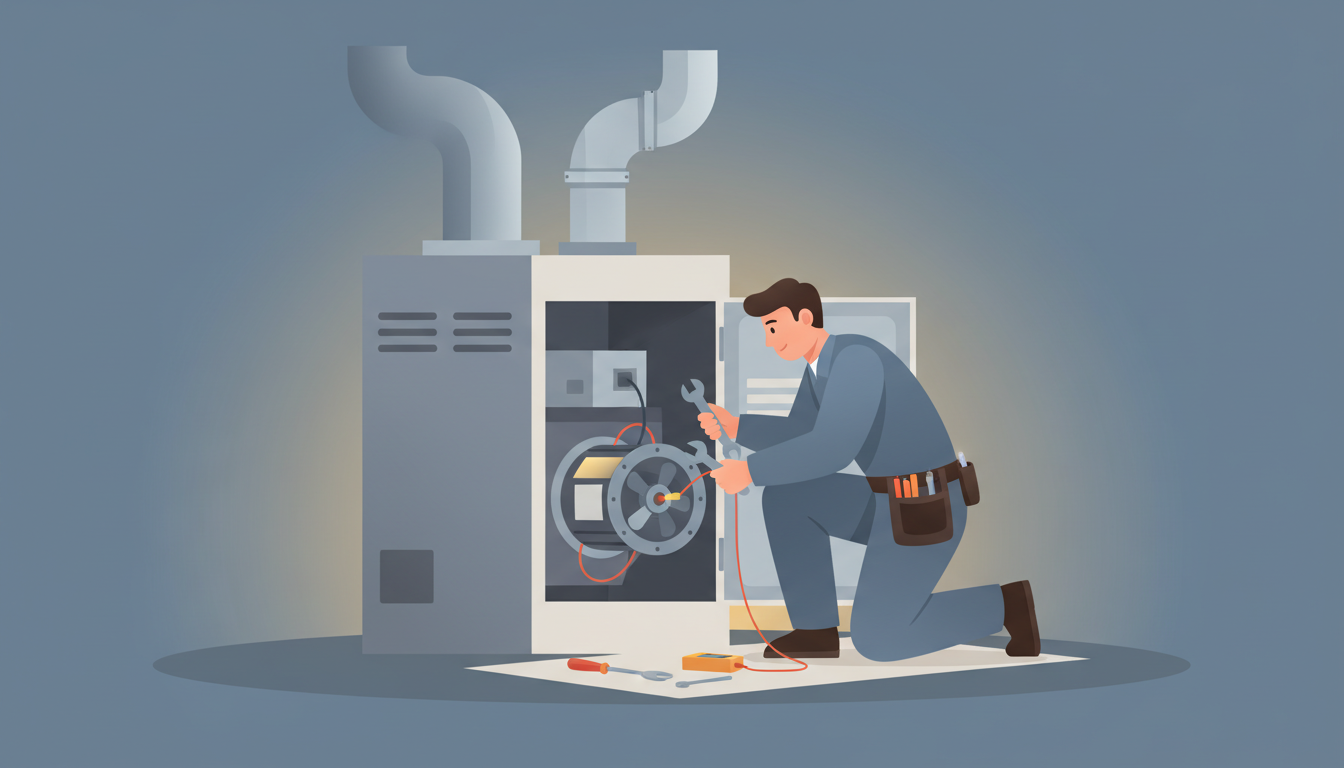
The Most Common Motor Repairs in Residential HVAC Systems
Is your HVAC system making strange noises, blowing weak air, or refusing to start? Motor problems are the leading cause of HVAC failures in homes, and knowing what repairs you might face can save you time, money, and frustration. From capacitor replacements to complete motor failures, understanding these common motor repairs helps you make informed decisions about your heating and cooling system.
Understanding HVAC Motors and Why They Fail
Your residential HVAC system relies on several motors to keep your home comfortable. The blower motor circulates air through your ductwork, the condenser fan motor cools the refrigerant, and if you have a gas furnace, the combustion fan motor expels exhaust gases. Each motor plays a critical role, and when one fails, your entire system can shut down.
Motor failures typically occur due to age, lack of maintenance, electrical issues, or mechanical wear. Most HVAC motors last between 10 to 20 years with proper care, but certain components may need attention long before the motor itself needs replacement.
Capacitor Failures: The Most Common Motor Repair
What Capacitors Do
Capacitors are small cylindrical components that provide the electrical boost motors need to start and run efficiently. Your HVAC system typically has start capacitors and run capacitors. Start capacitors give motors the initial jolt of power they need, while run capacitors help maintain consistent operation.
Signs of Capacitor Failure
When a capacitor fails, you'll notice specific symptoms:
- Your motor hums but won't spin
- The system takes multiple attempts to start
- You hear clicking sounds but no startup
- The unit shuts off randomly during operation
- Higher than normal energy bills
Why Capacitors Are Easy and Affordable to Replace
Capacitor replacement is one of the most straightforward HVAC motor repairs. Most technicians can diagnose and replace a failed capacitor in under an hour, with parts typically costing between $10 and $50. This makes it one of the most cost-effective repairs you'll encounter.
If you're comfortable working with electrical components and understand proper safety procedures, capacitor replacement can even be a DIY project. However, capacitors store electrical charges that can deliver dangerous shocks even when power is disconnected, so many homeowners prefer professional service. For more comprehensive guidance on HVAC maintenance and repairs, check out our complete HVAC repair guide.
Blower Motor Bearing Wear and Failure
How Bearings Support Motor Function
Blower motors contain bearings that allow the motor shaft to spin smoothly with minimal friction. These bearings are constantly under stress from rotation, vibration, and temperature changes.
Symptoms of Worn Bearings
Bearing problems announce themselves clearly:
- Squealing or grinding noises during operation
- Motor runs louder than usual
- Inconsistent airflow from vents
- Motor feels excessively hot to touch
- Burning smell from vents
When bearings start to fail, they create friction that forces your motor to work harder. This extra strain increases energy consumption and can lead to complete motor failure if left unaddressed. Understanding how worn bearings affect HVAC motors helps you recognize problems early.
Repair vs. Replacement for Bearing Issues
While some older motor designs allowed bearing replacement, most modern residential HVAC motors use sealed bearings that can't be serviced separately. If your bearings are worn out, you're typically looking at complete motor replacement rather than just bearing repair.
The good news? Catching bearing wear early can prevent more expensive damage to other motor components. If you notice the warning signs, call a technician before the motor completely fails.
Motor Winding Failures
What Motor Windings Are
Inside every HVAC motor, copper wire coils called windings create the magnetic fields that produce rotation. These windings must maintain precise electrical resistance and insulation to function correctly.
Types of Winding Failures
Motor windings fail in two ways:
Open Circuit Failure: The copper wire breaks or separates, preventing electrical current from flowing through the winding. The motor won't start or run at all.
Short Circuit Failure: The insulation between wire coils breaks down, allowing current to take an unintended path. This causes the motor to draw excessive current, trip breakers, and generate dangerous heat.
Diagnosing Winding Problems
HVAC technicians use multimeters to test winding resistance. If readings show infinite resistance (open circuit) or near-zero resistance (short circuit), the motor windings have failed. Unlike capacitors or bearings, failed windings cannot be repaired—the entire motor needs replacement.
Why Windings Fail
Several factors contribute to winding failure:
- Overheating from poor ventilation or dirty filters
- Moisture infiltration from condensation
- Age-related insulation breakdown
- Voltage spikes or electrical surges
- Running the motor with failed capacitors
Regular maintenance significantly reduces the risk of premature winding failure.
Blower Motor Not Working: Complete Motor Replacement
When Complete Replacement Is Necessary
Sometimes motor problems go beyond individual components. When your blower motor stops working entirely, multiple failures might have occurred simultaneously, or the motor may have reached the end of its service life.
Complete motor replacement becomes necessary when:
- Motor windings have failed (open or short circuit)
- Internal components have seized from lack of lubrication
- The motor shaft has become damaged or bent
- Repair costs approach or exceed replacement costs
- The motor is obsolete with no available parts
Understanding Motor Types for Replacement
PSC Motors (Permanent Split Capacitor)
PSC motors are the traditional workhorses of residential HVAC systems. They're affordable, simple, and reliable. These single-speed motors run at full capacity whenever they're on, making them less energy-efficient than newer alternatives.
Replacement Cost: $200 - $600 installed
ECM Motors (Electronically Commutated Motors)
ECM motors are variable-speed motors found in high-efficiency HVAC systems. They use sophisticated electronics to adjust speed based on heating and cooling demands, reducing energy consumption by up to 75% compared to PSC motors.
Replacement Cost: $800 - $1,500 installed
The higher upfront cost of ECM motors is offset by significant energy savings over their lifespan. If you have a high-SEER system, you'll need an ECM motor replacement to maintain efficiency ratings.
How Long Motor Replacement Takes
Professional motor replacement typically takes 2 to 4 hours, depending on system accessibility and motor type. ECM motors require additional programming and calibration, which can add time to the service call.
Condenser Fan Motor Repairs
What Condenser Fan Motors Do
Your outdoor HVAC unit contains the condenser fan motor, which pulls air across the condenser coils to dissipate heat. This cooling process is essential for proper refrigerant cycle operation.
Common Condenser Fan Motor Problems
Condenser fan motors face unique challenges:
- Exposure to weather elements (rain, snow, debris)
- Temperature extremes in outdoor environments
- Debris accumulation in fan blades
- Capacitor failures (same issues as blower motors)
- Blade damage from impacts or wear
Signs Your Condenser Fan Motor Needs Repair
Watch for these warning signs:
- Outdoor unit runs but fan doesn't spin
- Fan blades rotate slowly or inconsistently
- Loud grinding or rattling from outdoor unit
- System cycles on and off rapidly (short cycling)
- Ice buildup on outdoor coils
Like blower motors, condenser fan motors often fail due to capacitor issues first. Always check and replace the capacitor before assuming the motor itself has failed.
Combustion Fan Motor Issues in Gas Furnaces
The Role of Combustion Fan Motors
If you have a gas furnace, the combustion fan motor (also called an inducer motor) creates a draft that pulls combustion gases through the heat exchanger and out the exhaust vent. This motor must run properly for safe furnace operation.
Diagnosing Combustion Fan Motor Failure
Testing a combustion fan motor requires checking voltage delivery. If the motor receives its full 115 volts but won't run, the motor has burned out and needs replacement.
Safety switches prevent your furnace from lighting if the combustion fan motor fails, so you'll typically notice:
- Furnace won't ignite or produce heat
- You hear the motor attempting to start but it won't spin
- Error codes on digital thermostats
- Furnace cycles off shortly after startup
Replacement Considerations
Combustion fan motors are furnace-specific components. Replacement requires matching the exact model and specifications. Expect to pay $300 to $700 for professional combustion fan motor replacement.
DIY vs. Professional Motor Repairs
When You Can Handle Repairs Yourself
Some motor-related repairs are within the capabilities of handy homeowners:
- Cleaning debris from condenser fan blades
- Replacing air filters to prevent motor strain
- Checking circuit breakers and resetting if tripped
- Lubricating motors with oil ports (older models only)
When to Call a Professional
Leave these repairs to licensed HVAC technicians:
- Capacitor replacement (due to shock hazards)
- Any work requiring refrigerant handling
- Motor replacement of any type
- Electrical diagnostics and wiring
- Work inside gas furnaces (carbon monoxide risks)
Professional repairs ensure safety, proper diagnosis, and warranty coverage on parts and labor.
Preventing Common Motor Repairs
Regular Maintenance Is Your Best Protection
Most motor repairs can be delayed or prevented entirely with consistent maintenance:
Change Air Filters Monthly: Dirty filters force motors to work harder, leading to overheating and premature failure.
Schedule Annual Professional Service: Technicians clean components, test capacitors, check electrical connections, and catch small problems before they become expensive repairs.
Keep Outdoor Units Clear: Remove leaves, grass clippings, and debris from around your condenser unit to ensure proper airflow.
Don't Delay Small Repairs: A failing capacitor that costs $50 to replace today can destroy a $500 motor if ignored.
Seasonal Considerations
Motors face different stresses in summer versus winter:
Summer Motor Stress: Condenser fan motors work overtime during heat waves. Ensure adequate clearance around outdoor units and clean debris regularly.
Winter Motor Stress: Blower motors run continuously in heating mode. Furnace filters clog faster in winter from increased run time.
Understanding Motor Repair Costs
Cost Breakdown for Common Repairs
Here's what you can expect to pay for typical motor repairs:
- Capacitor Replacement: $150 - $300 (service call + part)
- PSC Blower Motor Replacement: $400 - $800
- ECM Blower Motor Replacement: $900 - $1,500
- Condenser Fan Motor Replacement: $300 - $700
- Combustion Fan Motor Replacement: $350 - $750
- Motor Bearings (if serviceable): $200 - $400
Labor rates, system accessibility, and regional pricing affect these estimates. Always get multiple quotes for expensive repairs.
Repair vs. Replace Decision
If your HVAC system is more than 15 years old and needs a motor replacement costing $1,000 or more, consider replacing the entire system instead. Modern systems offer:
- Higher energy efficiency (lower monthly bills)
- Better humidity control
- Quieter operation
- Improved indoor air quality
- Longer warranty coverage
Calculate the age of your system multiplied by the repair cost. If that number exceeds $5,000, replacement usually makes more financial sense than repair.
Warning Signs You Shouldn't Ignore
Early Detection Saves Money
Catching motor problems early prevents secondary damage and emergency service calls. Contact an HVAC professional immediately if you notice:
- Unusual Noises: Grinding, squealing, rattling, or clicking sounds
- Weak Airflow: Reduced air volume from supply vents
- Frequent Cycling: System turns on and off repeatedly
- Burning Odors: Electrical burning smell from vents
- High Energy Bills: Sudden increases without usage changes
- Visible Sparks or Smoke: Immediate shutdown required
- System Won't Start: No response from thermostat commands
Don't wait for complete failure. Early intervention often means the difference between a $200 capacitor replacement and a $1,200 motor replacement.
Frequently Asked Questions About HVAC Motor Repairs
How long does an HVAC motor typically last?
With proper maintenance, blower motors and condenser fan motors last 10 to 20 years. ECM motors often last longer than PSC motors due to fewer mechanical stresses. Factors affecting lifespan include maintenance frequency, system run time, and environmental conditions.
Can I replace an HVAC motor myself?
While mechanically possible, motor replacement requires electrical knowledge, proper tools, and understanding of HVAC systems. Most jurisdictions require licensed technicians to perform this work. Improper installation can create safety hazards, void warranties, and cause additional damage.
How do I know if my motor needs repair or replacement?
If your motor hums but won't spin, you likely need a capacitor replacement. If the motor is completely silent when power is applied, won't run even with a new capacitor, or shows signs of burning, you need motor replacement. A technician can test motor windings and components to determine the best solution.
Are motor repairs covered by home warranty?
Most home warranties cover HVAC motor failures if you've maintained your system according to manufacturer recommendations. Review your warranty terms and keep maintenance records. Some warranties have deductibles or coverage limits.
What causes motors to fail prematurely?
The most common causes of premature motor failure include dirty air filters, lack of professional maintenance, capacitor failures that go unaddressed, electrical surges, and running systems with blocked airflow. Regular filter changes and annual professional service prevent most early failures.
Conclusion: Protecting Your Investment
Understanding common motor repairs in residential HVAC systems empowers you to recognize problems early, make informed repair decisions, and maintain your system properly. While motors are durable components designed for years of reliable service, they require attention and maintenance to reach their full lifespan.
Whether you're facing a simple capacitor replacement or considering complete motor replacement, working with qualified HVAC professionals ensures safe, effective repairs that restore your comfort quickly. Don't wait until a minor motor problem becomes a major failure—schedule regular maintenance and address warning signs promptly.
Ready to tackle your HVAC motor issues? Contact a licensed HVAC technician today for a comprehensive system evaluation. Catching problems early saves money and prevents uncomfortable breakdowns when you need your system most.