
Condenser Fan Motor Not Spinning? Here's What It Could Mean
Condenser Fan Motor Not Spinning? Here's What It Could Mean
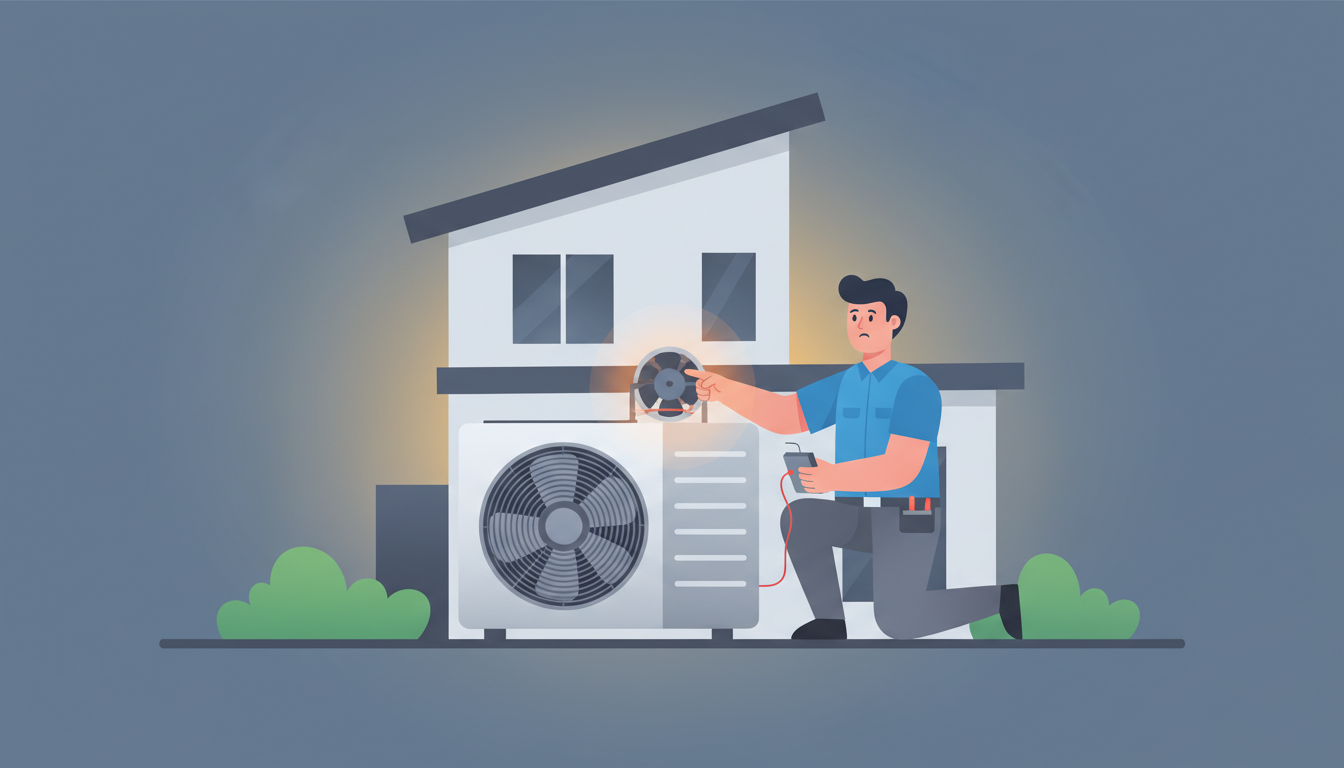
It's a sweltering summer day, and you notice your air conditioner isn't keeping your home cool. When you step outside to check your outdoor AC unit, you discover the problem: your condenser fan motor is not spinning while the rest of the system seems to be running. This common HVAC issue can leave you sweating and stressed, but understanding what's causing it can help you take the right steps to get your cooling system back on track.
What Does Your Condenser Fan Motor Actually Do?
Before we dive into troubleshooting, let's quickly cover what this component does. Your condenser fan motor powers the large fan blades in your outdoor AC unit. This fan has one critical job: pulling air across the condenser coils to release the heat your air conditioner removes from inside your home.
When the condenser fan motor stops spinning, heat can't escape from your system. Your compressor might still be running, but without that fan moving air, your AC loses its ability to cool your home effectively. Even worse, continuing to run your system with a non-spinning fan can cause serious damage to your compressor—one of the most expensive components to replace.
Why Your Condenser Fan Motor Not Spinning Is Urgent
Many homeowners wonder if they can keep running their AC when the outdoor fan isn't working. The short answer is: you shouldn't. Here's why this problem demands immediate attention:
Compressor Damage Risk: Without the fan dissipating heat, your compressor can overheat and fail. A new compressor can cost $1,500-$2,500 or more, while fixing a fan motor issue typically runs $150-$500.
Complete System Failure: An overheated system will eventually shut down completely, leaving you without cooling when you need it most.
Energy Waste: Your system will run continuously without actually cooling your home, skyrocketing your energy bills.
If you discover your condenser fan motor is not spinning, turn off your AC immediately and start troubleshooting.
8 Common Reasons Your Condenser Fan Motor Not Spinning
1. Faulty Capacitor (The #1 Culprit)
The capacitor is the most common reason for a condenser fan motor not spinning. This small cylindrical component stores and releases electrical energy to start the motor and keep it running. There are two types:
Start Capacitor: Gives the motor the initial jolt of energy to begin spinning Run Capacitor: Provides continuous power to keep the motor operating smoothly
When you hear your outdoor unit humming but the fan won't spin, you're probably dealing with a bad capacitor. Other signs include:
- Visible bulging or swelling on the capacitor
- Oil or fluid leaking from the component
- A burning smell near the outdoor unit
- The fan spins slowly or intermittently
What You Can Try: Some homeowners manually spin the fan blades with a stick through the grille. If the fan starts running after you give it a push, that confirms capacitor failure.
The Fix: Capacitor replacement is a job for HVAC professionals. Capacitors store dangerous electrical charges even when power is off. A technician can safely test and replace the capacitor in about 30-60 minutes, typically costing $150-$350.
2. Burned Out Motor
If your condenser fan motor is truly dead, no amount of troubleshooting will bring it back to life. Motors typically last 10-15 years, but several factors can cause premature failure:
- Lack of lubrication on motor bearings
- Electrical surges or power spikes
- Overheating from debris or blocked airflow
- Normal wear and tear from continuous operation
Signs Your Motor Is Toast:
- No humming sound at all when the AC is running
- Visible burn marks or melting on the motor
- A strong burning smell
- The motor feels extremely hot to the touch (after powering down safely)
The Fix: Motor replacement takes 1-2 hours and costs $200-$600 depending on your unit's size and model. Some older or specialized units may cost more. If your AC is over 15 years old, your technician might recommend replacing the entire outdoor unit instead of just the motor.
3. Tripped Circuit Breaker or Blown Fuse
Sometimes the simplest explanation is the right one. Your outdoor AC unit might have lost power entirely due to:
- Electrical overload from the system working too hard
- Power surges during storms
- Faulty wiring connections
- Age-related electrical issues
What You Can Try: Check your home's electrical panel for tripped breakers. The breaker for your AC should be in the "on" position, lined up with all the other breakers. If it's tripped, it will be in a middle position or switched to "off."
Try flipping it completely off, waiting 30 seconds, then turning it back on. If it trips again immediately, you have a more serious electrical problem that requires professional diagnosis.
Some outdoor units also have a disconnect box near the condenser with fuses. If one is blown, you'll need to replace it.
The Fix: If the breaker keeps tripping or you find blown fuses, don't keep resetting them. This indicates an underlying problem that needs professional attention. An HVAC technician can diagnose electrical issues for $100-$200, with repairs varying based on the problem.
4. Defective Contactor
The contactor is an electrical relay that controls power flow to your compressor and condenser fan motor. When you hear your AC click on, that's the contactor engaging. These components face thousands of on/off cycles and eventually wear out.
Signs of Contactor Problems:
- Pitted or burned electrical contacts
- Contacts that don't close completely when energized
- Visible melting or damage on the contactor
- Chattering or buzzing sounds when the AC tries to start
The Fix: A technician can visually inspect and test the contactor quickly. Replacement costs $100-$250 and takes about 30 minutes. This is a relatively simple repair that can restore your cooling immediately.
5. Debris and Physical Obstructions
Your outdoor condenser unit sits outside year-round, exposed to leaves, grass clippings, twigs, dirt, and all sorts of debris. Sometimes the problem with a condenser fan motor not spinning is purely mechanical:
- Sticks or leaves lodged in the fan blades
- Mud dauber nests built around the motor
- Grass clippings packed around the fan shroud
- Small animals or insects creating obstructions
What You Can Try:
- Turn off power to your AC at both the thermostat and the breaker
- Remove the top grille or fan guard from your outdoor unit
- Carefully inspect the fan blades and motor area
- Remove any visible debris by hand
- Use a garden hose (low pressure) to rinse away dirt and buildup
- Let everything dry completely before restoring power
The Fix: If clearing debris doesn't solve the problem, the obstruction may have damaged the fan motor or bent the blades. A technician can assess damage and make repairs, typically $100-$300 depending on what needs replacing.
6. Loose or Broken Fan Belt (Older Units)
Most modern AC systems use direct-drive motors, but if you have an older unit (15+ years), it might use a belt-driven fan. These belts can:
- Stretch and become loose over time
- Crack and break from age and weather exposure
- Slip off the pulleys
Signs of Belt Problems:
- Squealing sounds when the AC runs
- Visible cracks or fraying on the belt
- The belt feels loose when you press on it
- One pulley spins but the fan doesn't move
The Fix: Belt replacement is straightforward and inexpensive, usually $75-$150 including labor. However, finding the right belt for older units can sometimes be challenging.
7. Frozen Evaporator Coil (Indoor Issue Affecting Outdoor)
This might surprise you, but sometimes the reason your condenser fan motor is not spinning relates to a problem inside your home. When your indoor evaporator coil freezes, many systems have a safety switch that shuts down the outdoor fan to prevent further damage.
Causes of Frozen Coils:
- Severely clogged air filter restricting airflow
- Low refrigerant levels
- Blocked return air vents
- Dirty evaporator coils
- Blower motor problems
What You Can Try:
- Check and replace your air filter if it's dirty
- Ensure all vents are open and unblocked
- Turn off your AC and let the ice melt (4-8 hours)
- Turn the system back on and see if normal operation resumes
The Fix: If the coil keeps freezing, you likely have a refrigerant leak or airflow issue. Professional diagnosis costs $100-$200, with repairs ranging from $150 for a filter and cleaning to $1,500+ for refrigerant leak repair.
8. Faulty Wiring or Loose Connections
Electrical connections can corrode, loosen, or fail over time due to:
- Weather exposure and moisture
- Vibration from normal system operation
- Rodents chewing on wires
- Poor initial installation
Signs of Wiring Problems:
- Intermittent fan operation (works sometimes, not others)
- Burning smell near electrical connections
- Visible corrosion on wire terminals
- Loose wire nuts or disconnected wires
The Fix: Never attempt electrical repairs yourself on your AC system. A licensed HVAC technician can safely diagnose and repair wiring issues, typically costing $150-$400 depending on the extent of the problem.
How to Test If Your Condenser Fan Motor Is Bad
If you're handy and want to do some basic diagnostics before calling a pro, here's a safe testing procedure:
The Manual Spin Test:
- Turn off all power to your AC (breaker and disconnect)
- Remove the top grille to access the fan
- Manually spin the fan blades—they should rotate freely
- If the blades are hard to move or make grinding sounds, the motor bearings are likely seized
The Stick Test (Capacitor Check):
- Turn on your AC from the thermostat
- Listen for humming from the outdoor unit
- Use a long stick to gently push the fan blades through the grille
- If the fan starts spinning and continues after you remove the stick, the capacitor is bad
- Turn off your AC immediately and call a technician
What NOT to Do:
- Never stick your hand through the grille while power is on
- Don't force blades that won't move—you could damage them further
- Avoid testing with a multimeter unless you're trained in electrical work
- Don't keep trying to run your AC once you've confirmed the fan won't spin
DIY vs. Professional Repair: What You Need to Know
Some aspects of condenser fan motor troubleshooting are safe for homeowners, while others absolutely require professional expertise.
Safe DIY Tasks:
- Checking and resetting tripped breakers
- Cleaning debris from around the outdoor unit
- Replacing air filters
- Visual inspection of the fan and motor
Always Hire a Professional For:
- Capacitor testing and replacement
- Motor replacement or repair
- Electrical wiring repairs
- Refrigerant work
- Contactor replacement
- Anything requiring tools to open electrical components
Working with AC electrical components is genuinely dangerous. Capacitors can hold lethal charges even with power off. One wrong move can result in serious injury or death. The $100-$200 service call is worth your safety and peace of mind.
How Much Does Condenser Fan Motor Repair Cost?
Cost is a major concern when your AC breaks down. Here's what you can expect:
Diagnostic Visit: $75-$200 (often waived if you proceed with repairs)
Capacitor Replacement: $150-$350
Contactor Replacement: $100-$250
Fan Motor Replacement: $200-$600
Fan Blade Replacement: $75-$200
Wiring Repairs: $150-$400
Full Outdoor Unit Replacement: $1,500-$4,000+
Keep in mind that emergency service calls (evenings, weekends, holidays) typically cost 50-100% more than regular service. If your system fails on a Saturday night in July, expect premium pricing.
When to Repair vs. Replace Your AC Unit
If your condenser fan motor is not spinning and you're facing an expensive repair, you might wonder whether fixing it makes sense or if you should replace the whole system.
Consider Repair If:
- Your AC is less than 10 years old
- The repair costs less than 30% of replacement cost
- The rest of your system is in good condition
- Your unit has been well-maintained
Consider Replacement If:
- Your AC is 15+ years old
- You need frequent repairs (more than 2 per year)
- Your energy bills keep climbing
- The repair costs more than 50% of replacement cost
- Your system uses R-22 refrigerant (being phased out)
The "5,000 rule" can help: Multiply the repair cost by your unit's age. If the result exceeds $5,000, replacement often makes more financial sense. For example, a $400 repair on a 15-year-old unit equals $6,000—suggesting replacement is the better investment.
Preventing Condenser Fan Motor Problems
While some failures are unavoidable, regular maintenance can significantly extend your condenser fan motor's lifespan:
Annual Professional Maintenance: Have an HVAC technician inspect your system every spring before cooling season. They'll:
- Test the capacitor and contactor
- Lubricate motor bearings if applicable
- Clean the condenser coils
- Check electrical connections
- Test refrigerant levels
Monthly Homeowner Tasks:
- Replace or clean your air filter
- Clear debris from around your outdoor unit
- Listen for unusual sounds when your AC runs
- Keep plants and grass trimmed back at least 2 feet from the condenser
Seasonal Deep Cleaning: Twice a year, carefully clean your outdoor unit:
- Turn off all power
- Remove the top grille
- Gently vacuum out debris from inside
- Rinse the coils from inside-out with a garden hose
- Straighten bent coil fins with a fin comb
These simple maintenance steps can prevent many common causes of a condenser fan motor not spinning and save you hundreds in repairs.
What Happens If You Keep Running Your AC with a Non-Spinning Fan?
Some homeowners keep their thermostat on, hoping the problem will fix itself. This is a costly mistake. Here's what happens when you run your AC with the condenser fan motor not spinning:
Within 30 Minutes: Your outdoor unit begins overheating. The compressor is working hard but can't dissipate heat properly. System efficiency drops dramatically.
Within 1-2 Hours: Internal temperatures reach dangerous levels. Safety switches may trip, or the compressor oil begins breaking down from excessive heat.
Within 3-4 Hours: You risk serious compressor damage. The compressor is designed to run with active cooling from the fan. Without it, internal components can warp or seize.
Long-Term Consequences: Compressor replacement costs $1,500-$2,500. In many cases, replacing the compressor on an older unit doesn't make economic sense—you'll need a whole new AC system for $3,000-$7,000+.
The bottom line: As soon as you notice your condenser fan motor is not spinning, turn off your AC and call for service. The few hours of discomfort while waiting for a technician is far better than the thousands of dollars you'll spend on preventable compressor damage.
Frequently Asked Questions
Can I manually spin my condenser fan to get temporary cooling?
While you can use the "stick test" to diagnose a capacitor problem, you shouldn't rely on manually starting your fan as a cooling solution. The underlying problem won't fix itself, and repeatedly running a compromised system increases the risk of more extensive damage. Use this test only for diagnosis, then call a professional.
How long does a condenser fan motor typically last?
A well-maintained condenser fan motor should last 10-15 years. However, motors in harsh climates (extreme heat or cold), units that run frequently, or systems without regular maintenance may fail sooner. If your AC is approaching 10 years old and the motor fails, expect that other components may start failing soon too.
Is it the capacitor or the motor causing my problem?
If your outdoor unit hums but the fan won't start—or if the fan starts when you manually spin it—the capacitor is almost certainly the culprit. If there's no sound at all, no humming, and the fan won't budge even when you try to spin it manually, the motor itself has likely failed. A technician can test both components definitively.
Will homeowner's insurance cover condenser fan motor repair?
Standard homeowners insurance typically doesn't cover repair or replacement due to normal wear and tear or lack of maintenance. However, if the failure resulted from a covered peril (like lightning strike, storm damage, or vandalism), your policy might cover it. Check with your insurance agent and review your policy details.
How can I find a reliable HVAC technician for emergency repairs?
Look for technicians who are licensed and insured in your state, have solid online reviews, and offer transparent pricing. Avoid companies that pressure you to replace equipment without explaining repair options. When time permits, get quotes from 2-3 reputable companies. For emergency repairs, ask about their diagnostic fee and whether it's waived if you proceed with repairs.
Take Action on Your Condenser Fan Motor Issue
Discovering your condenser fan motor is not spinning doesn't have to mean days without air conditioning or thousands in surprise repair bills. By understanding the common causes—from failed capacitors to debris obstruction—you can communicate effectively with HVAC professionals and make informed decisions about repairs.
Remember these key points:
- Turn off your AC immediately when you notice the fan isn't spinning
- Try simple fixes like checking breakers and clearing debris
- Never attempt electrical repairs yourself
- Get professional diagnosis before the problem causes more extensive damage
- Consider your unit's age when deciding between repair and replacement
Whether you need guidance on HVAC repair strategies or specific help with central AC issues, taking quick action prevents a minor problem from becoming a major expense. And if you've noticed your outdoor unit fan running slowly before it stopped completely, that's often an early warning sign of the same issues discussed here.
The sooner you address a non-spinning condenser fan motor, the less it will cost and the faster you'll be back to comfortable temperatures in your home. Don't let a hot summer day turn into a costly AC disaster—take action today and get your cooling system back on track.