Why Your Condenser Unit Hums but Won't Start (And How to Fix It)
Why Your Condenser Unit Hums but Won't Start (And How to Fix It)
When your air conditioner's outdoor condenser unit hums but won't start, you're facing one of the most common HVAC problems homeowners encounter during the cooling season. That humming or buzzing sound indicates your system is trying to work, but something is preventing it from completing its cooling cycle. The good news? This issue is usually fixable, and understanding the cause can help you decide whether it's a DIY fix or time to call a professional.
In this guide, we'll walk you through exactly why your condenser unit hums but doesn't turn on, the most common causes, how to troubleshoot the problem safely, and what to expect in terms of repair costs.
What Does It Mean When Your Condenser Unit Hums?
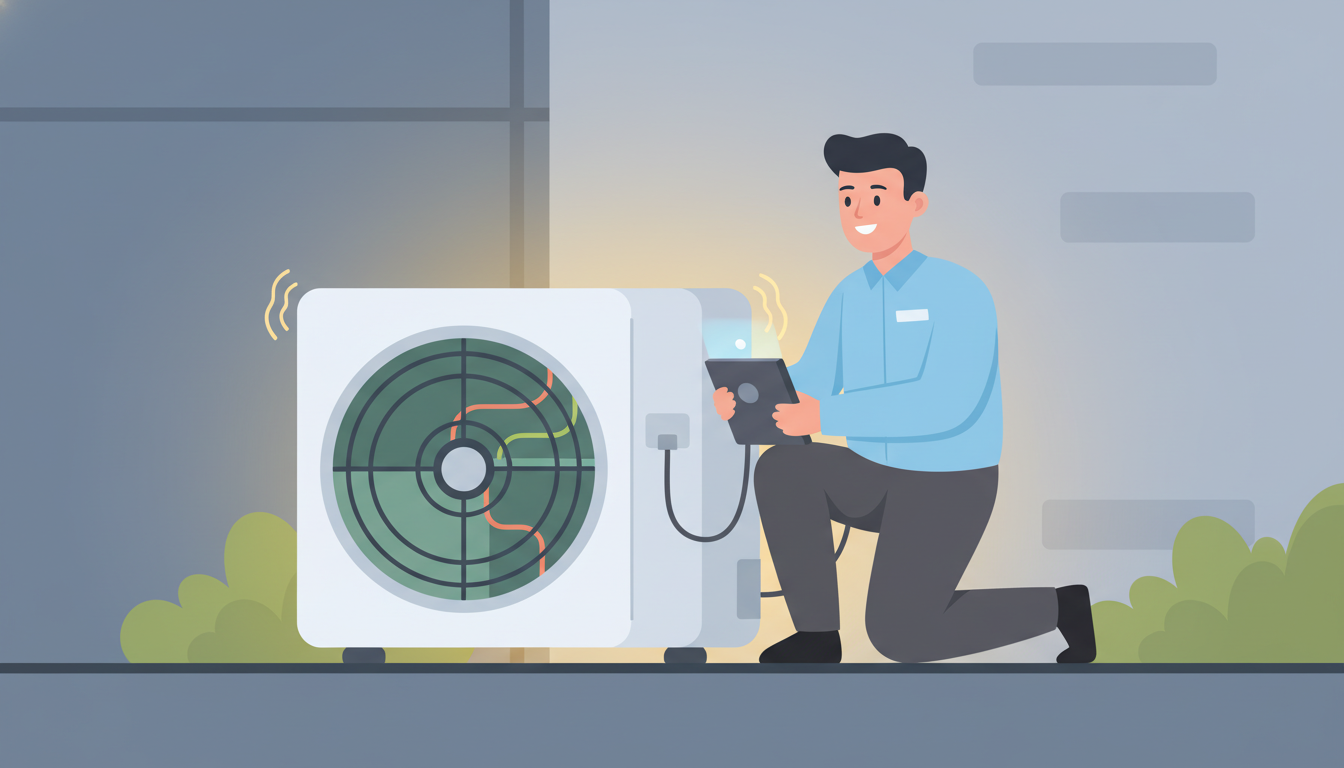
When you hear your outdoor AC unit humming but the fan won't spin and no cool air flows into your home, it means electrical power is reaching the unit but the motor can't start properly. This humming sound is the motor attempting to run but failing to overcome the resistance needed to begin its rotation.
Your condenser unit contains two main motors: the compressor motor (which pumps refrigerant through the system) and the condenser fan motor (which spins the fan blades to dissipate heat). When either of these motors receives power but can't start, you'll hear that characteristic humming or buzzing noise.
This is not a sound you should ignore. A motor that hums without starting is drawing electrical current without doing any work, which generates excessive heat and can lead to permanent motor damage if left unaddressed.
The #1 Cause: Failed Capacitor
In approximately 80% of cases where a condenser unit hums but won't start, the culprit is a failed capacitor. Your AC system uses two types of capacitors—start capacitors and run capacitors—to help electric motors begin their rotation and maintain consistent operation.
What Does an AC Capacitor Do?
Think of a capacitor as a small battery that stores electrical energy. When your thermostat signals your AC to turn on, the capacitor releases a powerful jolt of electricity to "kick-start" the compressor and fan motors. Without this initial boost, the motors simply can't overcome their internal resistance to begin spinning.
Most modern air conditioners use a dual capacitor that serves both the compressor and the fan motor. If this capacitor fails, neither component can start properly, leaving you with a humming condenser unit and no cooling.
Signs Your AC Capacitor Has Failed
Capacitors are one of the most common failure points in HVAC systems because they work hard every time your AC cycles on and off. Here are the telltale signs of a bad capacitor:
Visual indicators:
- Swollen or bulging top (looks like a mushroom or dome instead of flat)
- Rust or corrosion on the metal casing
- Oily residue or fluid leaking from the capacitor
- Burn marks or discoloration
Performance symptoms:
- AC hums for a few seconds then stops
- Outdoor unit won't turn on but hums
- Takes multiple attempts for the AC to start
- AC works intermittently or shuts off randomly
- Electric bills increase due to inefficient operation
If you're comfortable removing your condenser unit's access panel, you can visually inspect the capacitor. However, never touch the capacitor terminals—they can hold a dangerous electrical charge even when the power is off. If you need professional help with your HVAC system, check out our comprehensive HVAC repair guide for more troubleshooting tips.
How Long Do AC Capacitors Last?
Most AC capacitors last between 10 to 20 years, but this lifespan can be significantly shortened by:
- Extreme heat exposure (capacitors mounted in direct sunlight)
- Frequent on/off cycling (oversized AC units or aggressive thermostat settings)
- Power surges and voltage fluctuations
- Manufacturing defects
- General wear and tear
If your AC is more than 10 years old and you're experiencing starting problems, a worn-out capacitor is the most likely diagnosis.
Other Common Causes of a Humming Condenser Unit
While a failed capacitor is the primary suspect, several other issues can cause your condenser unit to hum without starting:
Compressor Motor Problems
If the capacitor is fine but your AC still hums without starting, the compressor itself may have failed. The compressor is the heart of your air conditioning system, pumping refrigerant between the indoor and outdoor coils.
Signs of compressor failure:
- Loud humming that continues without the fan spinning
- Compressor feels extremely hot to the touch
- Circuit breaker trips repeatedly when the AC tries to start
- Unit hums for a few seconds then goes silent
A seized or locked compressor motor will try to start, draw excessive current, and hum loudly before the safety systems shut it down. Unfortunately, compressor replacement is one of the most expensive AC repairs, often costing $1,200 to $2,500 or more.
Condenser Fan Motor Failure
Sometimes the compressor works fine, but the condenser fan motor has failed. You might notice the compressor humming while the fan blades remain completely still. Fan motors can fail due to:
- Worn bearings causing internal friction
- Overheating from lack of lubrication
- Electrical winding damage
- Age-related wear (typical lifespan: 10-15 years)
Fan motor replacement typically costs between $200 and $600, making it a more affordable repair than compressor replacement.
Contactor Issues
The contactor is an electrical relay that controls the flow of electricity to your compressor and fan motor. When it malfunctions, power may reach the unit inconsistently, causing humming without proper startup. You can usually hear a clicking sound when a contactor engages. If you hear humming but no click, the contactor may be stuck or damaged.
Tripped Circuit Breaker or Electrical Problems
Before assuming the worst, always check your electrical panel. A tripped circuit breaker will prevent your condenser unit from receiving full power, which can cause humming without startup.
Also check for:
- Blown fuses in the outdoor disconnect box
- Loose electrical connections
- Corroded wiring
- Low voltage from the power company
If you've ruled out electrical issues and your central AC still won't start properly, the problem likely lies within the unit itself.
Debris or Obstruction in the Fan
Sometimes the solution is surprisingly simple. Leaves, twigs, or other debris can jam the condenser fan blades, preventing them from spinning. With the power completely off, carefully inspect the fan area and remove any visible obstructions.
Refrigerant Issues
While less common as a direct cause of humming, extremely low refrigerant levels can prevent the compressor from starting properly. Low refrigerant is usually accompanied by other symptoms like ice buildup on the indoor coil or warm air from your vents.
Can You Fix a Humming AC Unit Yourself?
The answer depends on the cause and your comfort level with electrical components.
The Temporary DIY Fix (For Capacitor Issues)
If you suspect a failing capacitor and need a temporary solution to get through a hot day, there's a simple trick that sometimes works:
- Turn off the AC at the thermostat
- Locate your outdoor condenser unit
- Turn off power at the outdoor disconnect box
- Remove the top access panel or fan grille
- Turn power back on
- Set your thermostat to cooling mode
- Use a long wooden stick or screwdriver (while standing to the side) to gently push the fan blades
- If the capacitor still has some charge, the fan should start spinning on its own once you give it that initial push
WARNING: This is only a temporary fix to get cooling while you wait for professional repair. The capacitor will continue to degrade and eventually fail completely. Never put your hands near the fan blades while power is on, and keep fingers away from all electrical components.
When to Call a Professional
You should contact an HVAC technician for:
- Capacitor replacement (requires proper discharge and sizing)
- Compressor diagnosis and replacement
- Fan motor replacement
- Electrical troubleshooting
- Refrigerant leak repair
- Any time you're uncomfortable working with electrical components
Working with AC electrical components can be dangerous. Capacitors store high voltage even when the unit is off, and improper handling can result in serious shock or electrocution. Most homeowners should leave these repairs to licensed professionals.
If you're experiencing issues with your AC struggling to start or turn on, you might also find our guide on AC units that start hard and struggle to turn on helpful for related troubleshooting.
How Much Does It Cost to Fix a Humming AC Unit?
Repair costs vary depending on the specific problem:
Capacitor Replacement:
- Parts: $10-$50
- Labor: $100-$250
- Total: $150-$300
Condenser Fan Motor Replacement:
- Parts: $100-$300
- Labor: $150-$300
- Total: $250-$600
Compressor Replacement:
- Parts: $800-$1,500
- Labor: $400-$1,000
- Total: $1,200-$2,500
Contactor Replacement:
- Parts: $15-$40
- Labor: $100-$200
- Total: $115-$240
Service Call/Diagnostic Fee:
- $75-$150 (often credited toward repair cost)
Keep in mind these are general estimates. Actual costs vary by region, AC size, brand, and contractor rates. Emergency or after-hours service will typically cost 1.5 to 2 times the standard rate.
How to Prevent Capacitor Failure and Starting Problems
While some AC failures are inevitable with age, you can extend the life of your capacitor and other components with proper maintenance:
Regular Professional Maintenance
Schedule annual HVAC maintenance before cooling season begins. A technician will:
- Test capacitor voltage and microfarad ratings
- Inspect electrical connections for corrosion
- Lubricate motor bearings
- Clean condenser coils for better heat dissipation
- Check refrigerant levels
- Tighten electrical terminals
Regular maintenance can catch failing components before they leave you without cooling on the hottest day of summer.
Shade Your Condenser Unit
Capacitors fail faster when exposed to extreme heat. If your outdoor unit sits in direct sunlight, consider:
- Planting shrubs or trees to provide afternoon shade (keep at least 2 feet of clearance around the unit)
- Installing a protective cover or canopy designed for AC units
- Ensuring proper airflow isn't blocked while protecting from sun
Avoid Frequent Cycling
Every time your AC turns on and off, the capacitor releases its stored energy to start the motors. Excessive cycling wears out capacitors faster. To minimize cycling:
- Don't constantly adjust your thermostat
- Ensure your AC is properly sized for your home (oversized units cycle frequently)
- Replace air filters monthly during heavy use
- Keep vents and returns unobstructed
Install a Surge Protector
Power surges from lightning strikes or grid fluctuations can damage capacitors and other electrical components. A whole-home surge protector or dedicated HVAC surge protection device adds a layer of defense against electrical damage.
Keep the Unit Clean
Dirty condenser coils force your AC to work harder, which stresses the capacitor and motors. Gently spray down the outdoor coils with a garden hose a few times per season to remove dust, pollen, and debris.
Frequently Asked Questions
Is it safe to run my AC if it's humming but not starting?
No. A motor that hums without starting is drawing current and generating excessive heat, which can damage the motor windings and potentially cause electrical fires. Turn off your AC at the thermostat and contact a professional for diagnosis and repair.
How urgent is a humming AC repair?
While not immediately dangerous if you turn the system off, this repair should be completed within a few days. Running a humming AC can cause additional damage to motors and electrical components, turning a simple capacitor replacement into a much more expensive motor replacement.
Can I replace an AC capacitor myself?
While capacitors are inexpensive parts, they're dangerous to work with and require proper sizing. Capacitors store high voltage even when power is off and must be safely discharged before removal. Additionally, installing the wrong size capacitor can damage your motors. Unless you have electrical training, this job is best left to professionals.
Why does my AC hum for a few seconds then stop?
This behavior typically indicates a failing capacitor or a compressor with internal problems. The safety overload switch detects that the motor is drawing too much current without starting, and shuts the system down to prevent damage. This requires professional diagnosis.
Will a bad capacitor damage my AC compressor?
Yes, potentially. If a capacitor is weak but not completely dead, your compressor may struggle to start, running in a "hard start" condition that generates excessive heat and wears out the compressor faster. This is why quick capacitor replacement is important—it's a cheap fix that prevents expensive motor damage.
How can I tell if it's the capacitor or the compressor?
Without proper testing equipment, it's difficult to diagnose definitively. However, if your AC is less than 10 years old and this is the first major problem, a capacitor is more likely. If the unit is older, makes unusual noises (grinding, squealing), or has had refrigerant leaks, compressor failure is more likely. A technician can test both components with a multimeter and amp clamp.
What to Expect When You Call for Service
When you contact an HVAC professional about a humming condenser unit, here's what typically happens:
-
Diagnostic Visit: The technician will test the capacitor with a multimeter, check for proper voltage, and inspect the compressor and fan motor.
-
Diagnosis: Most techs can identify the problem within 15-30 minutes.
-
Repair Quote: You'll receive a clear breakdown of parts and labor costs before any work begins.
-
Same-Day Repair: For common issues like capacitor replacement, most technicians carry the parts on their truck and can complete repairs the same day.
-
System Testing: After repair, the tech will run the system through several cycles to ensure it's starting and running properly.
-
Maintenance Recommendations: You may receive suggestions for preventing future problems or addressing other concerns found during the inspection.
When to Replace vs. Repair Your AC
If your condenser unit hums but won't start and the diagnosis is a failed compressor, you face a decision: repair or replace the entire system?
Consider replacement if:
- Your AC is more than 12-15 years old
- Repair costs exceed 50% of replacement cost
- You've had multiple expensive repairs in recent years
- Your energy bills have increased significantly
- Your home comfort has declined (uneven cooling, humidity issues)
Repair makes sense if:
- The unit is less than 10 years old
- The repair is relatively minor (capacitor, fan motor, contactor)
- The system has been well-maintained
- Your budget doesn't allow for replacement right now
An honest HVAC contractor will help you weigh these factors and make the best decision for your situation.
Don't Ignore That Humming Sound
A condenser unit that hums but won't start is trying to tell you something needs attention. While it's frustrating to lose cooling on a hot day, the good news is that most causes—especially the most common one, a failed capacitor—are relatively affordable and quick to fix.
The key is acting quickly. The longer you let the problem persist, the greater the risk of turning a simple repair into a major motor replacement. At the first sign of humming, clicking, or struggling to start, contact a qualified HVAC technician for diagnosis.
With proper maintenance and quick attention to warning signs, your air conditioning system can provide many years of reliable cooling comfort. And remember, that humming sound isn't your AC trying to entertain you—it's calling for help.
Need immediate help with your air conditioning system? Contact a licensed HVAC professional in your area for fast, reliable diagnosis and repair. Most HVAC companies offer same-day emergency service during the cooling season, so you don't have to suffer through the heat while waiting for repairs.