
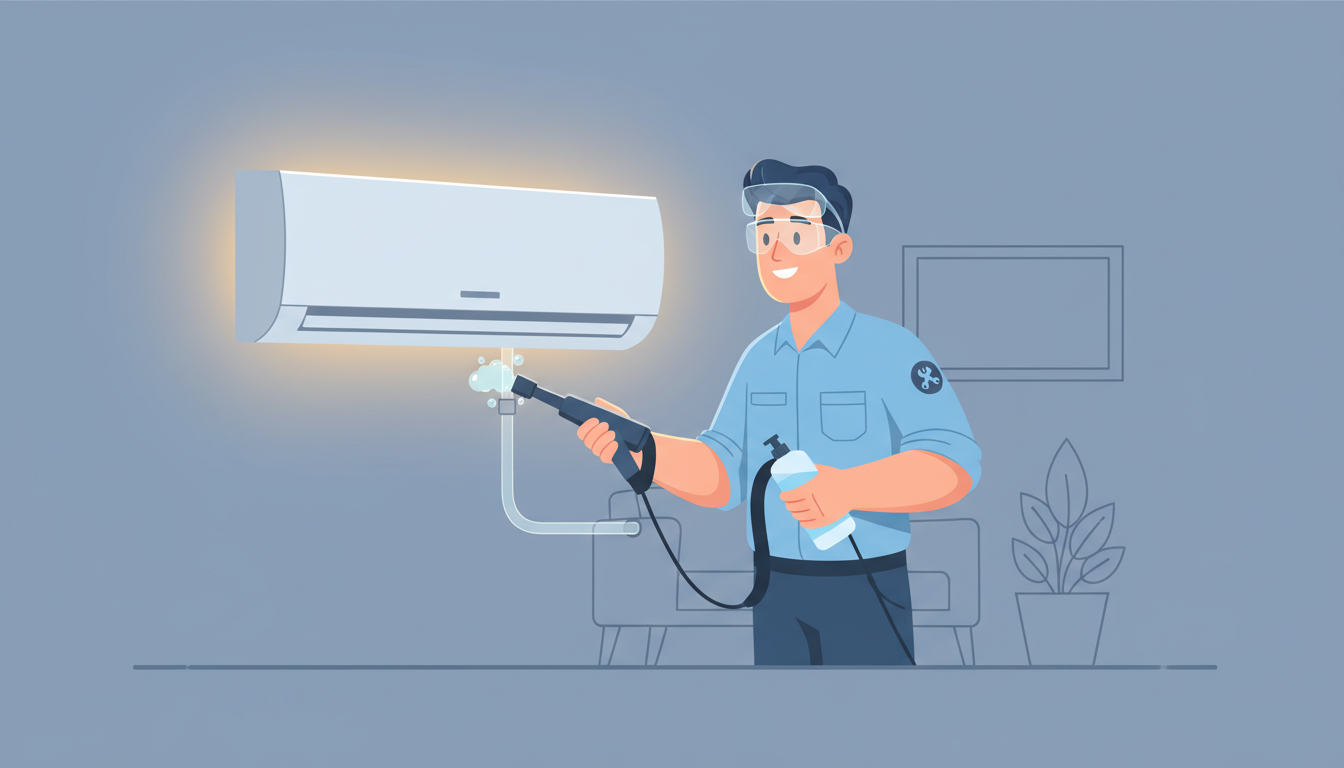
How Drain Line Cleaning Helps Prevent Emergency HVAC Repairs
How Drain Line Cleaning Helps Prevent Emergency HVAC Repairs
You're relaxing at home on a scorching summer afternoon when your air conditioner suddenly stops working. Water pools around your indoor unit, and you're facing an emergency HVAC repair bill that could easily top $1,500—all because of a clogged drain line that costs less than $150 to maintain annually. This scenario plays out in thousands of homes every cooling season, but it's almost entirely preventable with proper drain line maintenance.
What Is Your AC Drain Line and Why Does It Matter?
Your air conditioning system does more than cool your home—it also removes humidity from the air. As warm air passes over the cold evaporator coil, moisture condenses just like water droplets form on a cold glass on a hot day. This condensation has to go somewhere, and that's where your drain line comes in.
The condensate drain line is a PVC pipe that carries water away from your air handler to the outside of your home or into a drain. In a typical cooling season, your AC system can produce 5-20 gallons of water per day depending on humidity levels and system size. When this drain line gets clogged, that water has nowhere to go except into your home—triggering a cascade of problems that often require emergency HVAC service.
The True Cost of Emergency HVAC Repairs vs. Prevention
Let's talk numbers. Regular drain line maintenance typically costs $100-$150 as part of an annual HVAC tune-up, or you can do basic cleaning yourself for under $10 in supplies. Emergency HVAC repairs, on the other hand, tell a very different story:
- Emergency service call fees: $150-$300 (double or triple on weekends and holidays)
- Water damage repairs: $500-$2,500 depending on affected areas
- Mold remediation: $500-$6,000 for professional removal
- Damaged HVAC components: $300-$1,200 for drain pan, condensate pump, or circuit board replacement
- Property damage: Flooring, drywall, and furniture replacement can add thousands more
Most homeowners who face emergency repairs spend $1,200-$3,000 total when you factor in all the cascading damage from a clogged drain line. Compare that to spending $150 once a year on preventive maintenance, and the return on investment becomes crystal clear.
Emergency calls also come with the stress of finding available service during peak season, living without air conditioning during a heat wave, and dealing with insurance claims if water damage is extensive. For a comprehensive guide on avoiding these scenarios, check out our complete HVAC repair guide.
How a Small Clog Becomes a Big Emergency
Understanding the timeline of drain line failure helps you catch problems before they escalate. Here's how a minor issue becomes an emergency:
Week 1-2: Silent Buildup Phase
Algae, mold, and debris begin accumulating inside your drain line. You won't notice anything wrong yet—the line is narrowing but water still flows. Your system operates normally.
Week 3-4: Early Warning Signs
Water flow slows significantly. You might notice:
- Musty or moldy odors when the AC runs
- Slightly reduced cooling efficiency
- Occasional gurgling sounds from the drain line
- Higher humidity levels indoors despite the AC running
Most homeowners miss these subtle signs or attribute them to other issues.
Week 5-6: Critical Stage
The drain line is now significantly blocked. Warning signs become obvious:
- Standing water in the drain pan
- Water stains or moisture around the air handler
- AC cycles on and off more frequently
- Visible mold growth near the indoor unit
At this stage, you're one heavy cooling day away from disaster. The drain pan is working overtime to hold water that can't drain properly.
The Emergency: Complete Blockage
The drain line is fully clogged. During a hot, humid day when your AC is working hardest, water overflows from the drain pan. Modern systems have a float switch that shuts down the AC to prevent damage, but many older systems don't. The result:
- Water flooding into your home through the air handler
- Ceiling damage if the unit is in an attic
- System shutdown during the hottest time of year
- Potential electrical hazards from water near HVAC components
- Mold spores spreading through your ductwork
When you discover water around your HVAC equipment, it's often already an emergency situation requiring immediate professional help. Learn more about when water around HVAC equipment becomes an emergency.
What Causes Drain Line Clogs?
Knowing what clogs your drain line helps you prevent problems before they start.
Algae and Mold Growth
This is the number one culprit. Your drain line stays dark, damp, and warm—the perfect environment for algae and mold to thrive. These organisms form a slimy biofilm that gradually restricts water flow until the line is completely blocked.
Dust and Debris
Your air filter catches most airborne particles, but some make it past and stick to the wet evaporator coil. When condensation washes these particles into the drain line, they combine with algae to create stubborn clogs.
Installation Issues
Improper drain line installation can cause problems from day one. If the line doesn't slope correctly (the standard is 1/4 inch drop per foot), water pools instead of draining. Low spots in the line create standing water where algae thrives.
Lack of a Trap
Without a proper condensate trap, air can flow backward up the drain line, evaporating water before it drains and concentrating debris. Some systems also need traps to maintain proper air pressure for efficient operation.
Warning Signs Your Drain Line Needs Immediate Attention
Recognizing warning signs early is your best defense against emergency repairs. Some symptoms require immediate professional help, while others give you time for DIY solutions.
Call a Professional Immediately If:
- Active water leaking from your air handler or ceiling
- Complete AC shutdown with standing water in the drain pan
- Electrical issues like tripped breakers combined with water presence
- Frozen evaporator coil along with drainage problems
- Strong mold odor that persists when the AC runs
These situations indicate problems beyond a simple clog and risk causing extensive damage if you delay.
You Can Try DIY Solutions If:
- Water moves slowly but still drains
- You catch musty odors early
- You notice slightly reduced cooling efficiency
- It's been more than 3-6 months since your last drain line cleaning
- You see the beginning of algae buildup but no overflow
Even with DIY-friendly symptoms, if your attempts don't resolve the issue within a day, call a professional rather than risking a full blockage.
How to Clean Your AC Drain Line (DIY Method)
For non-emergency situations, you can often clean your drain line yourself. Here's the proper procedure:
What You'll Need:
- Distilled white vinegar (1 cup)
- Wet/dry vacuum
- Funnel
- Flashlight
- Rags or towels
- Safety gloves
Step-by-Step Cleaning Process:
Step 1: Turn Off Your HVAC System
Use your thermostat to turn off the system completely. This prevents the AC from running during cleaning and ensures your safety.
Step 2: Locate the Drain Line Access Point
Find the PVC pipe near your indoor air handler. Look for a T-shaped vent with a removable cap or plug—this is your cleanout access point. The drain line typically exits your home near the outdoor unit or into a floor drain.
Step 3: Inspect the Drain Pan
Check the pan under your evaporator coil for standing water. A small amount is normal, but if the pan is full or overflowing, you have a significant clog. Remove standing water with rags or the wet/dry vacuum before proceeding.
Step 4: Clear the Line with Vinegar
Remove the cap from the drain line access point. Pour one cup of distilled white vinegar into the line using a funnel. Vinegar is acidic enough to kill algae and mold but won't damage PVC pipes. Let it sit for 30-45 minutes.
Step 5: Vacuum Out the Clog
Find where your drain line exits outside your home. Remove any end cap and attach your wet/dry vacuum to create a tight seal. Run the vacuum for 2-3 minutes to suck out loosened debris, algae, and standing water.
Step 6: Flush with Water
Pour 1-2 cups of clean water into the drain line access point. Go outside and verify water flows freely from the exit point. Strong, steady flow means you've successfully cleared the clog.
Step 7: Replace Caps and Test
Replace all access caps and turn your system back on. Monitor for proper operation and check the drain pan after 30 minutes—it should be mostly dry with only a small amount of fresh condensation.
Professional Drain Line Maintenance: When to Call the Experts
While DIY cleaning works for routine maintenance, professional service provides benefits that go beyond what you can do yourself.
What Professional Maintenance Includes:
- High-pressure line flushing that removes stubborn buildup DIY methods miss
- Full system inspection to identify potential problems before they cause emergencies
- Drain pan cleaning and treatment with commercial-grade solutions
- Float switch testing to ensure emergency shutoff works properly
- Condensate pump inspection if your system uses one
- Line slope verification to catch installation issues
- UV light installation that continuously kills algae and mold
Professional maintenance is especially valuable if you've experienced repeated clogs, your system is older, you live in a high-humidity climate, or your drain line has multiple bends and fittings where clogs commonly form.
Preventive Maintenance Schedule to Avoid Emergencies
Consistent maintenance is the key to preventing emergency HVAC repairs. Follow this schedule:
Monthly (During Cooling Season):
- Visually inspect the drain pan for standing water
- Check for musty odors when the AC runs
- Verify water drips from the outdoor drain line exit during operation
Every 3 Months:
- Pour 1 cup of vinegar down the drain line
- Check and replace your air filter (dirty filters contribute to drain line clogs)
- Inspect visible portions of the drain line for damage or disconnections
Every 6 Months:
- Perform a full DIY drain line cleaning with vinegar and vacuum
- Clean the area around your indoor unit to minimize dust
- Test your float switch if your system has one
Annually:
- Schedule professional HVAC maintenance before cooling season starts
- Have your technician perform comprehensive drain line service
- Request drain pan treatment and inspection of all HVAC components
This schedule catches problems early when they're easy and inexpensive to fix, long before they become emergencies.
How Drain Line Problems Affect Your Entire HVAC System
A clogged drain line doesn't just cause water damage—it creates a ripple effect that stresses your entire HVAC system.
Reduced Cooling Efficiency
When your drain pan fills with standing water, it can interfere with airflow around the evaporator coil. Your system works harder to cool your home, driving up energy bills while delivering weaker performance. If you've noticed weak airflow from your vents, a drain line issue might be part of the problem.
Compressor Strain
If your AC shuts down repeatedly due to a full drain pan, your compressor experiences more start-stop cycles than normal. This short-cycling reduces the compressor's lifespan and increases the risk of costly compressor failure—one of the most expensive HVAC repairs.
Frozen Evaporator Coil
Poor drainage can contribute to ice formation on your evaporator coil. Standing water in the pan increases humidity around the coil, and restricted airflow from the standing water causes temperature imbalances. A frozen coil forces your system to shut down and can damage the compressor if not addressed quickly.
Indoor Air Quality Degradation
Mold and algae growing in your drain line and pan release spores into your home's air. Your HVAC system circulates these contaminants throughout every room, triggering allergies, respiratory issues, and unpleasant odors. For households with children, elderly family members, or anyone with respiratory conditions, this becomes a serious health concern.
Electrical Component Damage
Water overflow can reach electrical components in your air handler, including the control board, blower motor, and wiring. Water and electricity don't mix—one overflow event can destroy components costing hundreds of dollars to replace.
Regional and Seasonal Considerations
Your climate and the time of year significantly impact drain line maintenance needs.
High-Humidity Climates
If you live in humid regions, your AC produces more condensation, meaning your drain line works harder. Homes in coastal areas, the Southeast, or anywhere with humid summers should:
- Clean drain lines every 2-3 months instead of quarterly
- Consider professional UV light installation to continuously fight algae
- Monitor drain performance more closely during peak humidity months
Cooling Season Intensity
Your drain line stays mostly dormant during winter (unless you have a heat pump). When cooling season starts, dormant algae and mold suddenly get the moisture they need to grow rapidly. This is why:
- Spring is the most common time for drain line emergencies
- Pre-season maintenance in March or April is crucial
- The first hot week of summer often triggers clogs that built up during winter
Climate-Specific Tips
Hot, dry climates: You'll have fewer drain line issues due to low humidity, but when problems occur, they're often due to dust buildup. Focus on air filter maintenance and annual professional cleaning.
Humid climates: Algae prevention is your top priority. Monthly vinegar treatments during cooling season and professional service twice a year (spring and mid-summer) provide the best protection.
Moderate climates: Standard quarterly maintenance usually suffices, but don't skip annual professional service before your cooling season begins.
FAQ: Drain Line Cleaning and Emergency Prevention
How much does emergency drain line repair typically cost?
Emergency drain line repairs cost $200-$500 for the HVAC work alone, but total costs often reach $1,200-$3,000 when you include water damage repairs, after-hours service fees, and any damaged components. Preventive maintenance costs $100-$150 annually—a fraction of emergency repair expenses.
Can a clogged drain line permanently damage my HVAC system?
Yes. Water overflow can destroy electrical components, rust metal parts, and promote corrosion throughout your system. Repeated overflow events can damage your compressor, circuit board, and blower motor—repairs that often cost more than buying a new system. Catching clogs early prevents permanent damage.
How quickly does a clogged drain line become an emergency?
The timeline varies, but once you notice standing water in the drain pan, you're typically 1-7 days from overflow depending on how hard your AC is working. During extreme heat with high humidity, a partially clogged line can fail within 24 hours. This is why addressing warning signs immediately is critical.
Should I use bleach or vinegar to clean my drain line?
Vinegar is the safer choice for regular maintenance. It effectively kills algae and mold without damaging PVC pipes or creating harmful fumes. While bleach works, it can corrode metal components over time and produces dangerous fumes if mixed with other chemicals. Save bleach for heavy-duty cleaning with proper ventilation, and stick with vinegar for routine maintenance.
Will my homeowner's insurance cover water damage from a clogged drain line?
Coverage varies by policy, but many insurance companies consider drain line clogs to be preventable maintenance issues—meaning they may deny claims for resulting water damage. Even if covered, you'll pay your deductible and potentially face increased premiums. Prevention is always better than filing a claim.
How do I know if I need professional help or can do it myself?
DIY cleaning works if you catch problems early—musty odors, slow drainage, or it's simply been a few months since the last cleaning. Call a professional immediately if you see active water leaking, your AC won't run due to a full drain pan, you smell strong mold, or your DIY attempts don't resolve the issue within 24 hours.
Take Action Before Emergency Strikes
Drain line cleaning isn't just routine maintenance—it's emergency prevention that protects your comfort, your HVAC investment, and your home. The difference between a $150 annual tune-up and a $2,500 emergency repair comes down to taking action before problems escalate.
If it's been more than three months since you last cleaned your drain line, schedule that maintenance today. If you're already seeing warning signs like musty odors, standing water, or reduced cooling performance, don't wait until tomorrow. The sooner you address drain line issues, the more money you save and the less stress you experience.
Your HVAC system works hard to keep you comfortable. Give it the simple maintenance it needs to avoid becoming another emergency repair statistic. A few minutes of preventive care today can save you thousands in emergency repairs tomorrow.