How Drain Line Cleaning Prevents Water Damage and Breakdowns
How Drain Line Cleaning Prevents Water Damage and Breakdowns
Your air conditioner works hard to keep your home comfortable, but there's a hidden component that could be silently threatening your entire HVAC system—and your home itself. The condensate drain line might seem like a minor detail, but when it fails, you're looking at thousands of dollars in water damage, mold growth, and complete system breakdowns. Here's everything you need to know about how drain line cleaning prevents water damage and keeps your HVAC system running smoothly.
What Is Your HVAC Drain Line and Why Does It Matter?
Your air conditioning system doesn't just cool the air—it also removes humidity. As warm air passes over the cold evaporator coil, moisture condenses into water droplets, similar to how a cold glass "sweats" on a hot day. This condensation has to go somewhere, and that's where your drain line comes in.
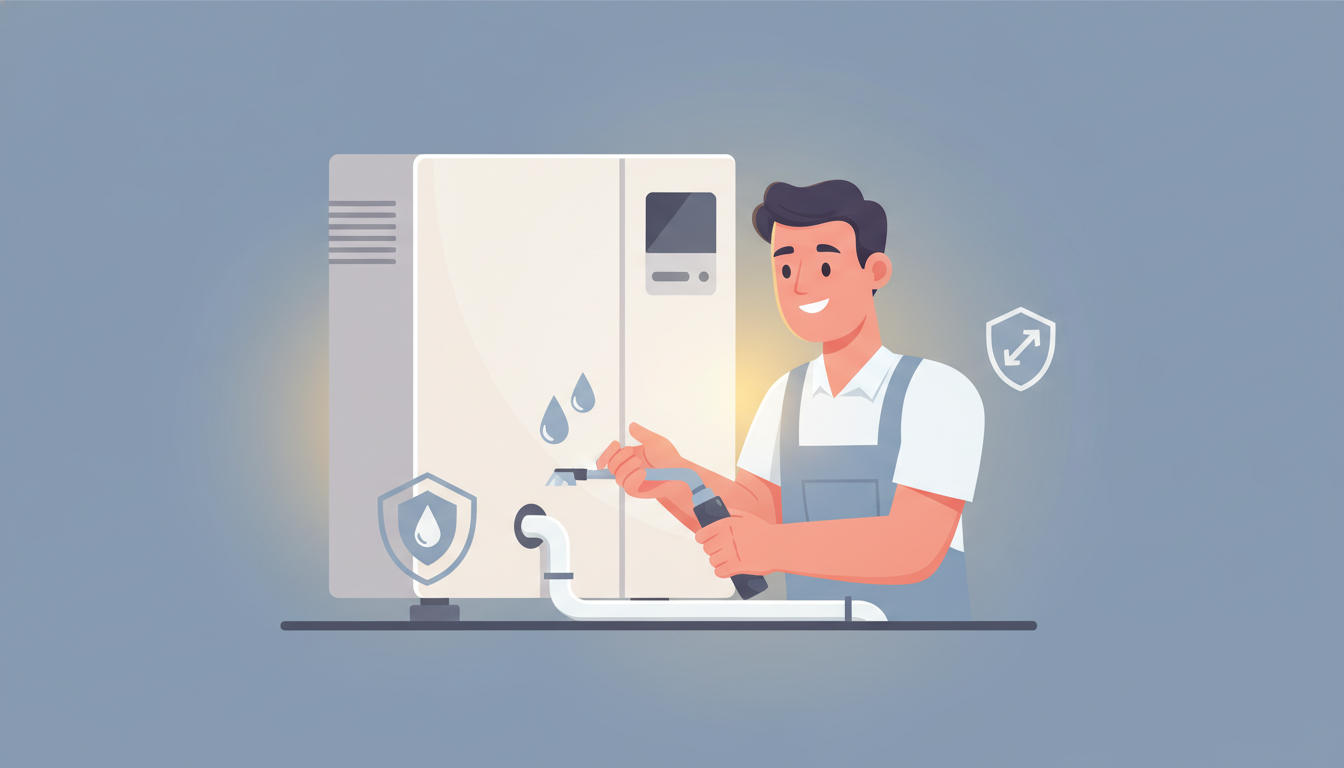
The condensate drain line is typically a PVC pipe that carries this moisture away from your indoor air handler to the outside of your home or into a floor drain. In optimal conditions, a residential AC system can produce anywhere from 5 to 20 gallons of condensate per day, depending on humidity levels and how often your system runs.
When this drain line gets clogged, all that water has nowhere to go. The result? Overflowing drain pans, water damage to walls and ceilings, and an AC system that shuts down completely to prevent further damage.
The Real Cost of Neglecting Drain Line Maintenance
Water damage from a clogged AC drain line isn't just an inconvenience—it's a financial disaster waiting to happen. Homeowners who ignore drain line maintenance often face repair bills ranging from $500 to $5,000 or more, depending on the extent of the damage.
Here's what can happen when you skip regular drain line cleaning:
- Ceiling and wall damage: Water seeping through drywall causes staining, warping, and structural damage
- Flooring destruction: Pooling water ruins hardwood, laminate, and carpet
- Mold remediation costs: Professional mold removal can cost $1,500 to $3,000 or more
- HVAC component replacement: Water damage to electrical components and motors means expensive repairs
- Complete system replacement: Severe cases may require replacing your entire air handler unit
Compare these costs to the minimal expense of preventive maintenance, and the choice becomes clear. Regular drain line cleaning is one of the most cost-effective ways to protect your home and HVAC investment.
How Clogged Drain Lines Cause System Breakdowns
Beyond water damage, a clogged condensate drain line directly impacts your HVAC system's ability to function. Modern air conditioners are equipped with safety switches that detect water overflow in the drain pan. When triggered, these switches shut down your entire system to prevent damage.
This means you could wake up on the hottest day of summer with no air conditioning—all because of a preventable drain line clog. But the problems don't stop there.
Reduced System Efficiency
When moisture can't drain properly, your evaporator coil struggles to remove humidity from the air. This forces your system to run longer cycles to reach your desired temperature, driving up your energy bills by 15-20% or more.
You're paying more for less comfort, and your system is working harder than it should, which accelerates wear and tear on critical components.
Frozen Evaporator Coils
Restricted drainage can contribute to airflow issues that cause your evaporator coil to freeze. Ice buildup prevents proper heat exchange, making it impossible for your AC to cool your home. If you notice weak airflow from your vents, it could be related to drainage problems affecting overall system performance. Learn more about weak airflow issues and their causes.
Compressor Damage
Your compressor is the heart of your AC system and also the most expensive component to replace. When drainage issues cause system imbalances, your compressor has to work overtime, shortening its lifespan and increasing the risk of catastrophic failure.
A new compressor can cost $1,200 to $2,500 or more, not including labor—all preventable with proper drain line maintenance.
What Causes Drain Line Clogs?
Understanding what causes clogs helps you prevent them. Your condensate drain line accumulates several types of debris:
Algae and Mold: The dark, moist environment inside your drain line is perfect for algae and mold growth. These organisms form slimy biofilms that slowly narrow the pipe until water can't pass through.
Dust and Dirt: Your air filter catches most airborne particles, but some make it past and get carried by condensate into the drain line. Over time, this sediment builds up and creates blockages.
Rust and Debris: Older drain pans can corrode, sending rust particles into the line. Construction debris, insulation fibers, and other materials can also find their way into the drainage system.
Improper Installation: Drain lines need proper slope to allow gravity to do its work. Lines installed without adequate pitch or with too many turns create opportunities for standing water and debris accumulation.
Warning Signs Your Drain Line Is Already Clogged
Don't wait for a complete system failure to address drain line issues. Watch for these warning signs:
- Standing water around your indoor unit: Check the area near your air handler regularly
- Musty or moldy odors: If your vents smell like mildew, you likely have moisture problems
- Water stains on ceilings or walls: Brownish discoloration near your AC indicates overflow
- AC won't turn on: Your safety float switch may have triggered due to drain pan overflow
- Visible mold growth: Black or green spots near your air handler mean moisture is escaping
- Increased indoor humidity: If your home feels muggy even with the AC running, drainage issues may be affecting dehumidification
- Unusual sounds: Gurgling or bubbling noises from your drain line suggest partial blockage
If you notice any of these signs, it's time to clean your drain line immediately—or call a professional if the problem has progressed.
How to Clean Your AC Drain Line: Step-by-Step
Regular drain line cleaning is something most homeowners can handle themselves with basic tools and supplies. For more comprehensive HVAC maintenance, check out our complete HVAC repair guide.
What You'll Need:
- Distilled white vinegar (1 cup)
- Wet/dry vacuum
- Funnel (optional)
- Gloves
- Flashlight
The Cleaning Process:
Step 1: Turn Off Your AC System Safety first—always shut off your air conditioner at the thermostat and the breaker before performing any maintenance.
Step 2: Locate Your Drain Line Find the PVC pipe near your indoor air handler. There should be a T-shaped vent or access point in the line. This is typically located in your attic, basement, or utility closet.
Step 3: Inspect the Drain Pan Remove the access panel on your air handler and check the drain pan for standing water. If water is present when the system hasn't been running, you have a clog.
Step 4: Use a Wet/Dry Vacuum Locate where your drain line exits outside your home. Attach your wet/dry vacuum to the end of the drain line and run it for 2-3 minutes. This creates powerful suction that pulls out clogs from the line.
Step 5: Flush with Vinegar Pour one cup of distilled white vinegar into the drain line access point. Vinegar is acidic enough to kill algae and mold but won't damage your PVC pipes like bleach can. Let it sit for 30 minutes.
Step 6: Flush with Water After 30 minutes, flush the line with clean water to rinse away debris and ensure proper drainage.
Step 7: Test Your System Turn your AC back on and verify that water is draining properly. Check the outdoor exit point after 15-20 minutes of operation to confirm water is flowing freely.
Professional Drain Line Maintenance: What to Expect
While DIY cleaning works for routine maintenance, professional HVAC technicians have specialized tools and techniques that provide deeper cleaning:
- High-pressure air or water jetting: Powerful equipment that thoroughly clears stubborn clogs
- Camera inspections: Video technology that identifies damage or installation issues
- Biological treatments: Commercial-grade products that prevent algae and mold growth
- Drain pan treatment: Tablets or strips that continuously release cleaning agents
- Complete system evaluation: Checking drain pan condition, proper slope, and secondary overflow systems
Professional drain line service typically costs $75 to $150 as part of a routine maintenance visit—a small investment that can save you thousands in water damage repairs.
Prevention Strategies: Keep Your Drain Line Clear Year-Round
The best defense against drain line clogs is a proactive maintenance schedule. Here's how to keep your drainage system functioning properly:
Regular Cleaning Schedule
- Every 3 months: Flush your drain line with vinegar in high-humidity climates or if you run your AC constantly
- Every 6 months: Standard maintenance for moderate climates
- Annually: Minimum cleaning frequency, preferably before cooling season begins
Install Preventive Devices
Float switches: These safety devices shut off your AC if water rises too high in the drain pan, preventing overflow damage. If you don't have one, installation costs $150-$300 and provides invaluable protection.
Drain pan tablets: Slow-dissolving tablets placed in your drain pan release cleaning agents that prevent algae and slime buildup. They typically last 3-6 months and cost just a few dollars.
Secondary drain lines: Many systems include an emergency overflow line that routes water to a visible location if the primary line clogs. Make sure yours is properly installed and not blocked.
Change Air Filters Regularly
Your air filter is your first line of defense against dust and debris entering your system. Replace disposable filters every 1-3 months, or clean reusable filters monthly. Clean filters mean less debris reaching your drain line.
Dirty filters also restrict airflow, which can lead to the kind of comfort problems discussed in our article on how duct leaks cause comfort problems and higher bills.
Schedule Annual Professional Maintenance
Professional HVAC maintenance catches problems before they become emergencies. During a maintenance visit, technicians clean your drain line, inspect your drain pan, verify proper slope, and check all components for signs of wear or damage.
Annual maintenance contracts typically cost $100-$200 and include drain line service as part of a comprehensive system checkup.
The Hidden Health Hazards of Neglected Drain Lines
Beyond property damage and system failures, clogged drain lines pose serious health risks to your family. When water backs up and moisture accumulates, you're creating the perfect environment for biological growth.
Mold and Mildew: These fungi release spores into your indoor air, triggering allergies, asthma attacks, and respiratory problems. Some mold species produce mycotoxins that can cause serious health issues with prolonged exposure.
Bacteria: Standing water in drain pans becomes a breeding ground for harmful bacteria that circulate through your home via your HVAC system.
Indoor Air Quality: Musty odors from biological growth make your home uncomfortable and can aggravate breathing problems, especially in children, elderly family members, and those with compromised immune systems.
Protecting your drain line isn't just about protecting your home—it's about protecting your family's health.
Special Considerations for Different Climates
Your drain line maintenance needs vary depending on where you live:
High-Humidity Regions
If you live in coastal areas or humid climates like the Southeast, your AC produces more condensate and your drain line faces higher biological growth rates. Clean your drain line every 3 months and consider monthly vinegar flushes during peak cooling season.
Moderate Climates
Temperate regions with balanced humidity can typically follow a twice-yearly cleaning schedule—once before cooling season and once mid-summer.
Dry Climates
Even in arid regions, your AC still produces condensate that needs drainage. Annual cleaning before cooling season usually suffices, but don't skip this maintenance just because you have low humidity.
When to Call a Professional
Some drain line problems require professional expertise:
- Persistent clogs after multiple cleaning attempts: You may have severe blockage or damaged pipes
- Water damage already present: Professionals can assess structural damage and recommend repairs
- Frozen evaporator coils: This indicates a more complex problem requiring professional diagnosis
- Rust or deterioration in drain pan: Drain pans eventually corrode and need replacement
- Improper drain line slope: Fixing installation issues requires HVAC expertise
- Mold growth inside air handler: Professional cleaning and treatment are necessary
Don't hesitate to call for help if you're uncomfortable with DIY maintenance or if simple cleaning doesn't solve the problem. Small issues caught early cost far less than major repairs after system damage occurs.
FAQ: Your Drain Line Questions Answered
How often should I clean my AC drain line?
Clean your drain line at least once per year, preferably before cooling season. In high-humidity climates or if you run your AC constantly, increase frequency to every 3-6 months. Regular cleaning prevents clogs before they cause damage.
Can I use bleach to clean my AC drain line?
While bleach kills mold and algae, it can also corrode PVC pipes and damage metal components over time. Distilled white vinegar is safer, equally effective, and won't harm your system. Use a 1:1 vinegar-water solution for gentler cleaning if desired.
What does it mean if my drain line is blowing bubbles?
Bubbles in your drain line indicate a clog is forming or air is entering the system improperly. The clog restricts water flow, causing air to push back through the line. Address this immediately before it develops into a complete blockage.
Why is my drain line clogged if I just had it cleaned?
Rapid re-clogging suggests underlying issues: improper drain line slope allowing standing water, severe algae growth requiring stronger treatment, damaged or deteriorating drain pan, or debris entering from damaged ductwork. Professional inspection can identify the root cause.
Can a clogged drain line cause my AC to freeze up?
Yes, indirectly. When drainage problems affect system pressure and airflow, your evaporator coil can freeze. Restricted drainage reduces system efficiency, creating conditions that lead to ice buildup. Combined with low refrigerant or airflow problems, this can cause complete coil freezing.
Protect Your Home and HVAC System Today
Drain line cleaning prevents water damage and system breakdowns—it's that simple. For less than an hour of work and minimal cost, you can protect yourself from thousands of dollars in repairs and avoid the stress of emergency breakdowns.
Make drain line maintenance part of your home care routine. Mark your calendar for quarterly or semi-annual cleaning, keep vinegar on hand for regular flushes, and schedule annual professional maintenance to catch problems early.
Your HVAC system is one of your home's most valuable assets. Protect it with proper drain line maintenance, and it will provide reliable comfort for years to come.
Ready to take action? Start with a simple drain line inspection today. Look for standing water, check for proper drainage, and flush your line with vinegar. If you notice any warning signs or your system isn't draining properly, don't wait—address the problem now before it becomes an expensive emergency.
Regular drain line cleaning is the easiest, most cost-effective way to prevent water damage and keep your HVAC system running at peak performance. Make it a priority, and you'll enjoy peace of mind knowing your home is protected.