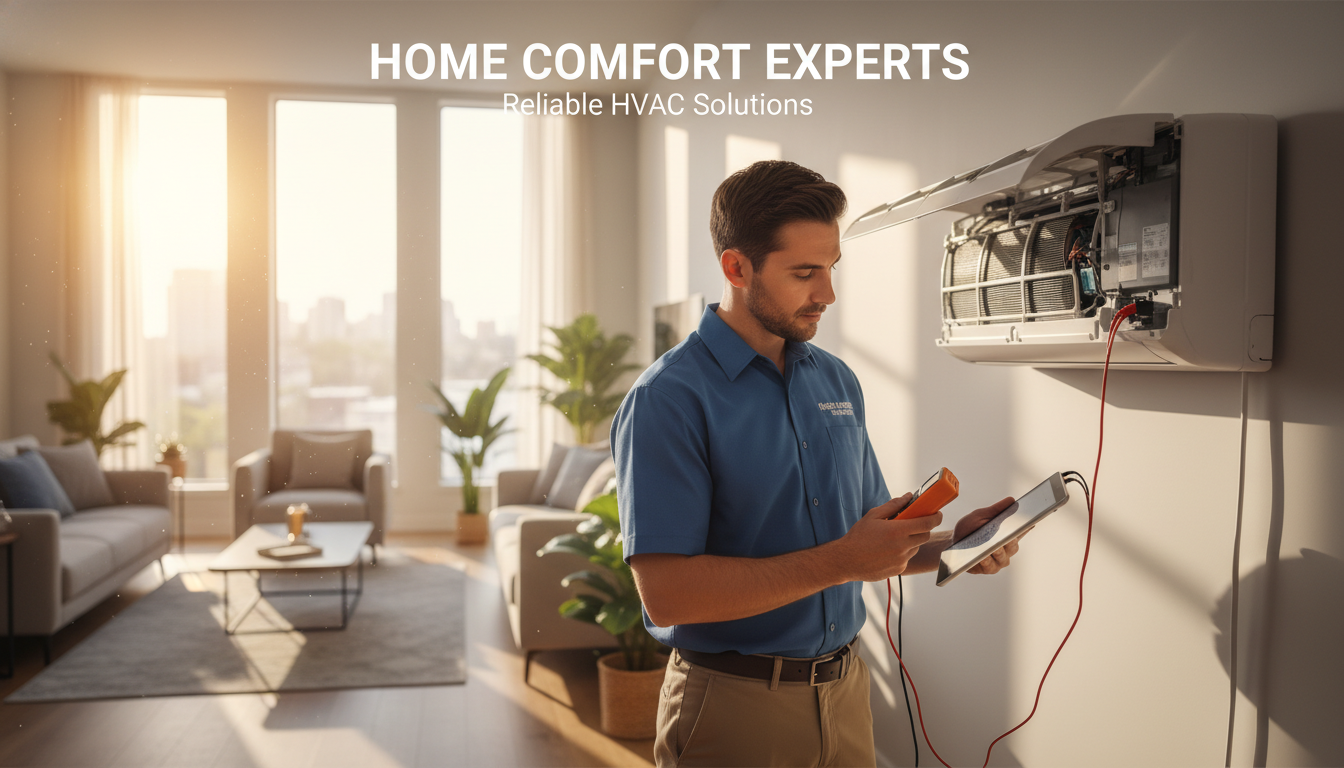
Emergency HVAC Repair: Your Complete Homeowner's Guide (2026)
When your heating or cooling system fails at the worst possible moment, knowing how to respond can save you money, protect your family's safety, and prevent serious property damage. This complete guide to emergency HVAC repair walks you through everything you need to know—from recognizing true emergencies to choosing the right technician and preventing future breakdowns.
What Is Considered an HVAC Emergency?
Not every HVAC problem requires immediate attention, but certain situations demand urgent professional help. An emergency HVAC repair is necessary when your system failure creates an immediate safety risk, causes severe discomfort that threatens health, or has the potential for significant property damage.
True HVAC emergencies include:
- Complete heating failure during freezing temperatures (below 32°F) that puts pipes and residents at risk
- Total air conditioning breakdown during extreme heat (above 95°F), especially for vulnerable individuals
- Gas leaks from your furnace or heating system
- Burning smells or smoke coming from your HVAC equipment
- Unusual electrical issues like sparking, buzzing, or repeated circuit breaker trips
- Refrigerant leaks that could harm your family or damage the environment
- Water leaks or flooding from your HVAC system that threatens structural damage
- Carbon monoxide detector alarms when the heating system is running
- Complete system shutdown with no response to troubleshooting
If your system is simply running inefficiently or making minor noises, you can typically schedule a standard service call during business hours and save on emergency service fees.
Immediate Steps When Your HVAC System Fails
Safety First: What to Do Right Now
Before you panic or reach for the phone, take these critical safety steps:
-
For gas smells: Turn off your gas supply immediately, evacuate your home, and call your gas company and 911 from outside. Do not flip light switches or create any potential ignition source.
-
For burning smells or smoke: Shut down your HVAC system at the thermostat and circuit breaker. Evacuate if smoke is heavy and call emergency services.
-
For electrical sparking: Turn off power to the HVAC unit at your main electrical panel. Never touch the equipment if you see active sparking.
-
For carbon monoxide alarms: Evacuate everyone immediately, call 911, and do not re-enter until authorities clear your home.
-
For water leaks: Turn off your HVAC system and locate the main water shutoff if the leak is severe. Place towels and buckets to minimize damage.
Quick Troubleshooting Before Calling Emergency Service
Before spending $150-300 on an emergency service call, check these common culprits that you can fix yourself:
Check your thermostat:
- Verify it's set to the correct mode (heat/cool)
- Ensure the temperature setting is appropriate
- Replace batteries if it's battery-powered
- Make sure it's not in vacation or hold mode
Inspect your circuit breaker:
- Look for tripped breakers in your electrical panel
- Reset any tripped HVAC breakers (if they trip again immediately, call for emergency service)
- Check the emergency shutoff switch near your furnace or air handler
Examine your air filter:
- A completely clogged filter can cause system shutdown
- If you can see through it, it's okay for emergency purposes
- Replace it as soon as possible after resolving the emergency
Look at your outdoor unit:
- Clear any debris, leaves, or snow blocking the unit
- Check that the condensate drain isn't frozen or clogged
- Ensure the unit isn't buried in snow (common winter issue)
If these simple checks don't restore function and you're dealing with a true emergency, it's time to call for professional help.
Temporary Comfort Measures While Waiting
Emergency HVAC technicians typically arrive within 2-4 hours, but response times vary based on demand and weather conditions. Here's how to stay safe while waiting:
During heating emergencies in winter:
- Close off unused rooms to concentrate heat in living areas
- Use space heaters (safely, following manufacturer guidelines)
- Keep cabinet doors under sinks open to prevent pipe freezing
- Let faucets drip slightly to prevent frozen pipes
- Dress in layers and use extra blankets
- Never use your oven or stovetop for heating (carbon monoxide risk)
During cooling emergencies in summer:
- Close blinds and curtains to block sunlight
- Use fans to circulate air
- Stay hydrated with cool water
- Take cool showers or baths
- Limit physical activity
- Consider relocating vulnerable family members to air-conditioned spaces (library, mall, cooling centers)
How to Find a Reliable Emergency HVAC Service
Vetting a 24/7 HVAC Company
When you're in crisis mode, it's tempting to call the first company you find online. However, taking a few extra minutes to verify credentials can save you from scams and shoddy work.
Look for these qualifications:
- Proper licensing: Verify state and local HVAC contractor licenses
- Insurance coverage: Confirm liability insurance and worker's compensation
- NATE certification: North American Technician Excellence certification indicates advanced training
- Established reputation: Check Google reviews, Better Business Bureau ratings, and local references
- Transparent pricing: Reputable companies provide clear information about emergency rates
- 24/7 availability: Confirm they actually have technicians on call, not just an answering service
Red flags to avoid:
- Requests for full payment upfront
- Prices significantly lower than competitors (too good to be true)
- No physical business address
- Pressure to make immediate decisions about expensive replacements
- Lack of proper identification or branded vehicles
- Unwillingness to provide written estimates
Essential Questions to Ask Before Hiring
When you call for emergency HVAC repair, ask these questions before agreeing to service:
-
"What's your emergency service call fee?" This covers the technician's arrival and diagnostic time, typically $150-300 in 2026.
-
"What are your after-hours rates?" Emergency rates are usually 1.5x to 2x regular rates, plus potential holiday surcharges.
-
"How soon can a technician arrive?" Response times help you plan your temporary comfort measures.
-
"What payment methods do you accept?" Know your options before the technician arrives.
-
"Will repair costs apply toward the service call fee?" Many companies credit the diagnostic fee toward repairs.
-
"Do you provide written estimates before starting work?" Protect yourself from surprise charges.
-
"What warranties do you offer on emergency repairs?" Standard warranties range from 30 days to one year on labor.
The Real Cost of Emergency HVAC Repair in 2026
Emergency HVAC repair costs significantly more than scheduled service due to after-hours labor rates and immediate availability.
Typical 2026 pricing:
- Emergency service call/diagnostic: $150-300 (vs. $75-150 during business hours)
- After-hours labor rate: $100-200 per hour (vs. $75-125 regular hours)
- Weekend surcharge: Additional $50-100
- Holiday surcharge: Additional $100-200
- Common emergency repairs:
- Thermostat replacement: $200-400
- Capacitor replacement: $150-400
- Blower motor repair: $400-600
- Refrigerant leak repair and recharge: $500-1,500
- Ignitor replacement (furnace): $300-500
- Compressor replacement: $1,500-3,000
What's included in your emergency service call:
Most emergency visits include diagnostic time (30-60 minutes), identification of the problem, and a written repair estimate. The service call fee typically covers this diagnostic work regardless of whether you proceed with repairs.
Emergency Repair vs. System Replacement: Making the Decision
During an emergency, you might face the difficult question: repair or replace?
Repair makes sense when:
- Your system is less than 10 years old
- The repair cost is less than 50% of replacement cost
- The problem is isolated to one component
- Your system has been well-maintained
- You have time to research replacement options later
Replacement makes more sense when:
- Your system is 15+ years old
- Repair costs exceed $2,000
- You've had multiple repairs in the past two years
- Your energy bills have increased significantly
- The system uses outdated refrigerant (R-22)
- Efficiency improvements would provide substantial savings
Emergency replacement options: Some HVAC companies offer emergency replacement service with systems in stock. While this solves your immediate problem, you'll likely pay premium prices. If possible, get a temporary repair to restore basic function, then research replacement options carefully.
Understanding Insurance and Warranty Coverage
Will Homeowner's Insurance Cover Emergency HVAC Repairs?
Standard homeowner's insurance typically does not cover HVAC repairs due to normal wear and tear, lack of maintenance, or age-related failure. However, coverage may apply in specific situations:
Situations where insurance might cover repairs:
- Damage from covered perils (lightning strike, fire, vandalism, fallen tree)
- Sudden and accidental water damage from HVAC leaks
- Power surge damage (if you have equipment breakdown coverage)
- Storm damage to outdoor units
What insurance won't cover:
- Normal mechanical breakdown
- Gradual deterioration
- Freezing damage if you maintained heat below recommended levels
- Lack of routine maintenance
How to file a claim for covered damage:
- Document the damage with photos and videos
- Get emergency repairs done to prevent further damage (keep receipts)
- Contact your insurance agent within 24-48 hours
- Obtain written estimates from licensed contractors
- Keep all documentation of temporary measures and additional expenses
Home Warranty vs. Homeowner's Insurance
Home warranties work differently from homeowner's insurance and may cover HVAC emergencies:
Home warranty coverage typically includes:
- Mechanical breakdown of covered systems
- Normal wear and tear on HVAC components
- Fixed service call fees ($75-125 regardless of time)
- Covered repairs or replacement if repair isn't economical
Home warranty limitations:
- Pre-existing conditions usually excluded
- May require regular maintenance documentation
- Contractor choice may be limited to network providers
- Service might not be truly "24/7" despite marketing claims
- Caps on coverage amounts per occurrence
Review your warranty carefully to understand what's actually covered during an emergency and what documentation you need.
Preventing HVAC Emergencies: Your Preparedness Plan
The Emergency Preparedness Checklist
Don't wait for disaster to strike. Prepare now with these steps:
Information to gather and keep accessible:
- Your HVAC system make, model, and serial numbers
- Age and installation date of your equipment
- Warranty information and coverage details
- Previous service records and receipts
- Insurance policy information
- Pre-vetted emergency HVAC company contact information
- Photos of your system (inside and outside components)
Emergency fund planning:
Financial experts recommend setting aside $1,500-3,000 for potential HVAC emergencies. If this isn't feasible, research:
- HVAC company financing options
- Credit cards with 0% introductory APR for emergencies
- Home equity line of credit (HELOC) availability
- Local utility company emergency repair assistance programs
Physical preparations:
- Keep a flashlight near your HVAC equipment
- Know the location of all shutoffs (gas, water, electrical)
- Maintain clear access to your HVAC equipment
- Stock extra air filters in common sizes
- Keep basic tools accessible (screwdrivers, flashlight)
Preventive Maintenance: Your Best Defense
The most effective way to avoid emergency HVAC repair is consistent preventive maintenance. Regular servicing reduces emergency breakdowns by up to 95% according to industry data.
Annual maintenance schedule:
Spring (before cooling season):
- Clean or replace air filters
- Clean condenser coils on outdoor unit
- Check refrigerant levels
- Test thermostat accuracy
- Inspect electrical connections
- Lubricate moving parts
- Clear condensate drain lines
- Test safety controls
Fall (before heating season):
- Inspect heat exchanger for cracks
- Test ignition system
- Check gas connections for leaks
- Inspect flue system and venting
- Test carbon monoxide detectors
- Clean or replace air filters
- Check blower motor and belts
- Verify thermostat operation
Cost vs. benefit: Professional maintenance visits cost $100-200 per visit, but typically pay for themselves through improved efficiency, extended equipment life, and avoided emergency repairs.
Many HVAC companies offer maintenance plans ($200-400 annually) that include:
- Two annual tune-ups
- Priority emergency service
- Discounted repair rates
- Extended warranties
- No overtime charges for emergencies
Smart Technology for Early Problem Detection
Modern smart home technology can alert you to HVAC problems before they become emergencies.
Smart thermostats (Nest, Ecobee, Honeywell) provide:
- Alerts for unusual run times or cycling
- Filter change reminders based on actual runtime
- Temperature anomaly notifications
- System performance monitoring
- Energy usage tracking to spot efficiency drops
Additional monitoring systems:
- Water leak detectors near HVAC equipment
- Air quality monitors that detect system issues
- Smart electrical panels that identify HVAC circuit problems
- Whole-home energy monitors showing unusual consumption patterns
Investing $200-400 in smart monitoring can help you catch small problems before they escalate into expensive emergencies.
Special Situations and Considerations
Seasonal Emergency Specifics
Winter heating emergencies:
Cold weather creates unique challenges and higher stakes for heating system failures:
- Frozen pipes risk: Without heat, pipes can freeze and burst within 6-8 hours at temperatures below 20°F
- Higher demand: HVAC companies face peak call volumes during cold snaps, extending response times
- Outdoor unit issues: Heat pumps can freeze over or struggle in extreme cold
- Furnace stress: Heating systems work harder in extreme cold, increasing failure risk
Preparation: Keep space heaters available, know how to shut off water, maintain higher thermostat settings during extreme cold.
Summer cooling emergencies:
Extreme heat creates different but equally serious concerns:
- Health risks: Heat exhaustion and heat stroke risk, especially for elderly, young children, and those with health conditions
- Peak demand: AC failures spike during heat waves, creating longer wait times
- Compressor failures: Extreme heat stresses outdoor units and compressors
- Power grid issues: Brownouts and blackouts during peak cooling demand
Preparation: Identify cooling centers in your area, maintain good hydration, have battery-operated fans available.
Rental Property Responsibilities
If you're a tenant experiencing an HVAC emergency, understanding responsibilities is crucial:
Landlord obligations (in most jurisdictions):
- Provide functioning heating system in winter (legal requirement in most states)
- Maintain HVAC equipment in safe working condition
- Respond to emergency heating/cooling failures within reasonable timeframes
- Cover repair costs for equipment failure (not tenant damage)
Tenant responsibilities:
- Report problems promptly
- Perform basic maintenance (filter changes if specified in lease)
- Avoid causing damage through misuse or negligence
- Allow reasonable access for repairs
For heating emergencies in winter: Most jurisdictions consider lack of heat an emergency requiring immediate response. Contact your landlord immediately, document the communication, and know your local tenant rights. In some areas, you may be able to arrange emergency repairs and deduct from rent if the landlord doesn't respond appropriately.
Climate Zone Considerations
HVAC emergencies vary by region:
Hot, humid climates (Southeast, Gulf Coast):
- AC failures more critical to health and safety
- Humidity control failures can cause rapid mold growth
- Dehumidification system emergencies
- Hurricane preparation for HVAC protection
Cold climates (Northern states):
- Heating failures potentially life-threatening
- Frozen equipment issues
- Snow and ice blocking outdoor units
- Furnace maintenance more critical
Dry climates (Southwest):
- Cooling failures during extreme heat
- Dust and debris affecting systems
- Evaporative cooling system specific issues
High-altitude areas:
- Equipment operates differently in thin air
- Specialized equipment may be required
- Longer parts delivery times
Understand your region's specific risks and prepare accordingly. For instance, proper HVAC duct maintenance can prevent many emergency situations - learn more about how to clean HVAC ducts at home to maintain optimal system performance.
2026 Regulatory Updates Affecting Emergency Repairs
New Refrigerant Regulations
In 2026, important refrigerant regulations affect emergency repair decisions:
R-410A phasedown: The EPA has begun phasing down R-410A refrigerant (used in most modern AC systems since 2010) in favor of more environmentally friendly alternatives like R-32 and R-454B.
What this means for emergency repairs:
- R-410A remains available but costs are rising
- Refrigerant leak repairs may be more expensive
- If your system needs substantial refrigerant, replacement might make more financial sense
- Technicians need new certification for newer refrigerants
R-22 (Freon) completely phased out: If you have an older system using R-22, refrigerant costs are prohibitively expensive ($100-150 per pound vs. $10-20 for modern refrigerants). Emergency repairs on R-22 systems almost always justify replacement instead.
Updated Energy Efficiency Standards
New 2026 SEER2 (Seasonal Energy Efficiency Ratio) ratings require minimum 14 SEER2 in southern states and 13 SEER2 in northern states for new installations. When facing replacement during an emergency, you'll benefit from more efficient options than ever before, potentially saving 30-40% on cooling costs compared to older systems.
After the Emergency: Next Steps
Follow-Up After Emergency Repairs
Once your emergency is resolved, don't just return to normal life:
-
Get a complete written invoice detailing all work performed, parts replaced, and warranties provided
-
Ask about root causes: Understanding why the failure happened helps prevent recurrence
-
Schedule a comprehensive inspection within 1-2 weeks to assess overall system health
-
Review preventive maintenance needs identified during the emergency repair
-
Update your records with repair documentation for future reference and warranty claims
-
Consider a maintenance plan to prevent future emergencies
When to Consider Full System Replacement
Sometimes an emergency repair reveals that replacement is the smarter long-term choice:
Strong indicators for replacement:
- System is 15+ years old
- Multiple components failing
- Energy bills increasing despite repairs
- Repairs approaching 50% of replacement cost
- Frequent breakdowns (3+ per year)
- Obsolete refrigerant type
- Poor comfort and temperature control
Take time to research options: Don't let emergency pressure force a hasty replacement decision. Get temporary repairs if possible, then:
- Obtain 3-5 replacement quotes
- Research equipment brands and models
- Explore financing options
- Consider energy efficiency rebates and tax credits
- Size your system properly (many homes have oversized units)
- Plan installation during moderate weather
Frequently Asked Questions
How do I know if I really need emergency service or can wait until morning?
Ask yourself three questions: (1) Is there a safety hazard like gas smell, smoke, or carbon monoxide? (2) Are outdoor temperatures extreme enough to threaten health or property? (3) Is there active water leakage causing damage? If yes to any of these, call for emergency service. If your system simply isn't working efficiently or you're mildly uncomfortable, schedule regular service for the next business day and use temporary comfort measures.
What should I expect to pay for emergency HVAC service in 2026?
Emergency service calls typically cost $150-300 just for the technician to arrive and diagnose the problem. After-hours labor runs $100-200 per hour (1.5-2x regular rates), plus parts. Weekend service adds $50-100, and holiday service adds $100-200 more. Common emergency repairs range from $200 (simple thermostat) to $3,000 (compressor replacement). Always get a written estimate before authorizing work beyond the diagnostic.
Can I troubleshoot my HVAC system myself during an emergency?
Yes, but only for simple, safe checks. You can safely: check your thermostat settings, inspect air filters, reset tripped circuit breakers, clear debris from outdoor units, and verify power switches are on. Never attempt to: open gas lines, handle refrigerant, work with electrical components beyond breakers, or access the heat exchanger. If basic troubleshooting doesn't work, call a professional.
Will my homeowner's insurance cover emergency HVAC repairs?
Usually not. Standard policies exclude normal wear and tear, mechanical breakdown, and age-related failures. Insurance may cover HVAC damage from covered perils like lightning, fire, storms, or vandalism. If your system failed due to a covered event, document everything with photos, keep all repair receipts, and file a claim promptly. Consider a home warranty for mechanical breakdown coverage.
How can I prevent HVAC emergencies from happening?
The most effective prevention is bi-annual professional maintenance (spring and fall), which catches small problems before they become emergencies. Additionally: change filters every 1-3 months, keep outdoor units clear of debris, maintain consistent thermostat settings (avoid huge swings), listen for unusual noises, monitor energy bills for spikes, upgrade to a smart thermostat for early alerts, and address minor issues promptly rather than delaying repairs.
Take Action Now to Protect Your Home
HVAC emergencies are stressful, expensive, and often occur at the worst possible times. But with the knowledge you've gained from this guide, you're prepared to respond effectively, make smart decisions, and protect your family and property.
Your action steps today:
- Save contact information for a vetted 24/7 emergency HVAC service before you need it
- Document your system details (make, model, age, location of shutoffs)
- Schedule preventive maintenance if you haven't had service in the past six months
- Set aside emergency funds or research financing options
- Test your carbon monoxide detectors and replace batteries if needed
- Review your insurance and warranty coverage to understand what's protected
Don't wait for a midnight furnace failure in January or an AC breakdown during a July heat wave to think about emergency HVAC repair. Prepare now, maintain regularly, and respond wisely when problems occur.
Remember: the best emergency repair is the one you never need. Invest in prevention, stay informed, and know when to call for professional help. Your comfort, safety, and wallet will thank you.