What a Failed Reversing Valve Sounds Like in a Heat Pump
What a Failed Reversing Valve Sounds Like in a Heat Pump
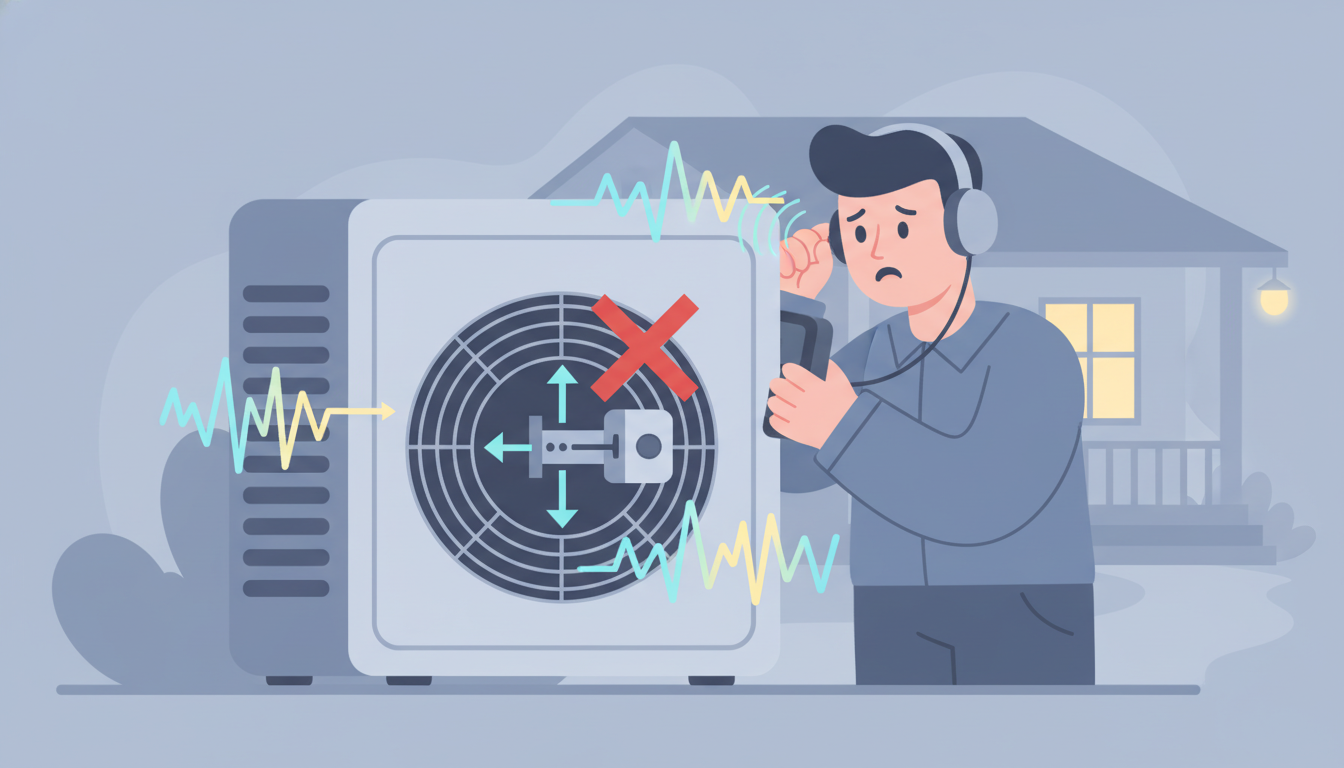
Is your heat pump making strange noises when you switch between heating and cooling? Those unusual sounds coming from your outdoor unit could be telling you something important about your reversing valve. Understanding what a failed reversing valve sounds like can help you catch problems early and avoid costly emergency repairs.
Understanding Your Heat Pump's Reversing Valve
Your heat pump's reversing valve is the component that allows your system to switch between heating and cooling modes. When you adjust your thermostat, this valve redirects the flow of refrigerant to either heat or cool your home. It's controlled by a solenoid—a small electromagnetic coil that physically moves the valve into position.
When this valve works properly, you might hear a brief, subtle click as it engages. That's normal. But when the reversing valve starts to fail, it produces distinctly different sounds that signal trouble.
The Most Common Failed Reversing Valve Sounds
Loud Hissing or Whooshing Noises
A loud hissing sound coming from your outdoor unit is one of the most telltale signs of reversing valve failure. This hissing occurs when refrigerant leaks from a failing valve or when the valve struggles to maintain proper pressure.
What it means: The hissing sound typically indicates one of two problems:
- Refrigerant escaping through a damaged valve seal
- The valve stuck in a partially open position, causing turbulent refrigerant flow
This heat pump hissing sound outdoor unit is usually continuous or occurs specifically when your system tries to switch modes. If you hear this sound, you should contact a professional quickly, as refrigerant leaks require immediate attention.
Repeated Clicking or Chattering
While a single click during mode switching is normal, repeated clicking or chattering is not. This heat pump clicking noise when switching modes sounds like rapid-fire clicks—almost like a playing card stuck in bicycle spokes.
What it means: This clicking or chattering typically indicates:
- The solenoid is trying but failing to move the valve
- Electrical issues preventing the valve from fully engaging
- Internal valve components that are worn or stuck
The solenoid clicking sound heat pump makes when struggling usually happens right when you change your thermostat setting. If the clicking continues for more than a few seconds, your reversing valve likely needs professional attention.
Buzzing or Humming from the Solenoid
A persistent buzzing or humming noise coming from your outdoor unit often points to the solenoid coil. This sound is electrical in nature—you'll hear it as a steady buzz or hum that wasn't there before.
What it means: Buzzing from the solenoid usually indicates:
- The solenoid is receiving power but can't move the valve
- Electrical resistance or a failing solenoid coil
- The valve is mechanically stuck, preventing solenoid operation
This buzzing may be continuous or only occur during attempted mode changes. Either way, it signals that your solenoid or valve needs inspection.
Gurgling or Bubbling Sounds
Gurgling or bubbling noises suggest refrigerant flow problems. While some gurgling can be normal in heat pumps, excessive or new gurgling sounds during mode switching often indicate reversing valve issues.
What it means: These sounds typically result from:
- Disrupted refrigerant flow caused by a stuck or failing valve
- Air or moisture contamination in the refrigerant lines
- The valve stuck partially open, creating turbulence
If you notice gurgling specifically when your heat pump makes noise when changing from heat to cool, the reversing valve is likely the culprit.
How to Diagnose Reversing Valve Problems by Sound
Step 1: Listen During Mode Switching
The best time to identify failed reversing valve sounds is when your system switches between heating and cooling. Here's how to conduct a listening test:
- Set your thermostat to cooling mode and let it run for 10 minutes
- Switch to heating mode and listen carefully to your outdoor unit
- Note any unusual sounds during the first 30 seconds after switching
- Repeat the process from heating to cooling
What you should hear: A single, brief click (1-2 seconds) is normal. Anything beyond that—prolonged clicking, hissing, buzzing, or gurgling—indicates a problem.
Step 2: Identify the Sound Source
Walk around your outdoor unit and try to pinpoint where the sound originates. Failed reversing valve sounds typically come from:
- The side or top of the outdoor unit (where the valve is mounted)
- Near the refrigerant lines entering the unit
- The area around the reversing valve solenoid
Knowing the location helps confirm whether you're dealing with a valve issue or a different component problem.
Step 3: Check System Performance
Sound alone doesn't tell the whole story. Combine your audio diagnosis with performance checks:
- Is your system stuck in one mode? A stuck valve often produces clicking sounds while failing to switch modes
- Are temperatures inconsistent? Partial valve failure may cause weak heating or cooling alongside unusual sounds
- Does the outdoor unit run constantly? This could indicate the compressor is working but the valve isn't directing refrigerant properly
If you're experiencing both abnormal sounds and performance issues, your reversing valve is likely the problem. For a deeper look at performance-related symptoms, check out our guide on causes of heat pump reversing valve problems.
Normal vs. Abnormal Heat Pump Sounds
Understanding the difference between normal and failed reversing valve sounds helps you avoid unnecessary service calls while catching real problems early.
Normal Sounds You Might Hear
Your heat pump will make some noise during regular operation:
- Single brief click (1-2 seconds) when switching modes—this is the reversing valve engaging
- Soft whoosh of air from the outdoor fan
- Low hum from the compressor during operation
- Occasional slight hissing when the system first starts up (refrigerant beginning to flow)
These sounds are part of normal operation and don't indicate reversing valve failure.
Abnormal Sounds Requiring Attention
Watch out for these problematic sounds:
- Prolonged clicking (more than 5 seconds) or repeated clicking
- Loud hissing that continues after startup or occurs during mode switching
- Buzzing or humming that persists for more than 30 seconds
- Grinding or screeching sounds (may indicate other component failures)
- Excessive gurgling during or after mode changes
When you hear any of these abnormal sounds, it's time to investigate further or call a professional.
Other Symptoms That Accompany Sound Problems
Failed reversing valve sounds rarely occur in isolation. Watch for these accompanying symptoms:
Your System Stuck in One Mode
If your heat pump is making unusual noises AND won't switch from heating to cooling (or vice versa), the reversing valve has likely failed mechanically. The sounds you hear are the solenoid trying unsuccessfully to move a stuck valve.
Temperature Fluctuations
A partially failed valve may still switch modes but do so inefficiently. You might notice your home doesn't heat or cool as effectively as before, accompanied by intermittent clicking or hissing sounds.
Higher Energy Bills
When your reversing valve struggles, your heat pump works harder to maintain temperature. This increased workload shows up as higher energy consumption—often alongside the unusual sounds of a failing valve.
Frequent Short Cycling
If your system turns on and off more frequently than normal while making clicking or hissing noises, the reversing valve may be causing pressure imbalances that trigger safety shutoffs.
For comprehensive guidance on addressing these issues, explore our complete heat pump repair guide.
What Causes These Reversing Valve Noises?
Understanding why your reversing valve makes unusual sounds helps you grasp the urgency of repairs.
Wear and Tear Over Time
Heat pump reversing valves typically last 10-15 years. As they age, internal seals wear down, causing the hissing sounds associated with refrigerant leaks. Moving parts inside the valve can also wear, leading to clicking or chattering as the valve struggles to shift position.
Electrical Problems
The solenoid that controls your reversing valve operates on 24-volt power from your system. Electrical issues—loose connections, failing solenoid coils, or thermostat problems—can cause the buzzing or humming sounds you might hear. The solenoid may receive power but lack sufficient current to move the valve, resulting in that characteristic buzzing.
Refrigerant Contamination
Moisture or contaminants in your refrigerant system can cause valve components to corrode or stick. This contamination often produces gurgling sounds as refrigerant struggles to flow properly through the compromised valve.
Physical Damage or Debris
In some cases, physical damage to the valve from impacts, extreme weather, or debris can cause mechanical failures. These typically produce clicking sounds as the damaged valve tries (and fails) to operate normally.
Manufacturing Defects
While less common, some reversing valves have manufacturing defects that cause premature failure. These defects often manifest as unusual sounds within the first few years of operation rather than after a decade of use.
When to Call a Professional
Some homeowners wonder if they can fix reversing valve problems themselves. Here's the truth: reversing valve repair requires specialized HVAC knowledge and tools, including EPA certification to handle refrigerants legally.
Call Immediately If You Hear:
- Loud, continuous hissing (potential refrigerant leak—this is an emergency)
- Grinding or screeching (indicates severe component damage)
- Any sound accompanied by burning smells (electrical hazard)
Schedule Service Soon If You Hear:
- Repeated clicking or chattering during mode switching
- Persistent buzzing from the solenoid
- Excessive gurgling that's new or worsening
What the Technician Will Do
When you call for service, an HVAC technician will:
- Listen to the sounds you've described and replicate the problem
- Check electrical connections to the solenoid and thermostat
- Measure refrigerant pressures to identify leaks or flow problems
- Test the reversing valve mechanically and electrically
- Recommend repair or replacement based on the findings
For broader HVAC issues beyond just the reversing valve, our HVAC repair guide covers common problems and solutions across your entire system.
Reversing Valve Replacement Costs and Timeline
If your technician recommends reversing valve replacement, here's what to expect:
Typical Costs
- Parts: $150-$400 for the reversing valve and solenoid
- Labor: $200-$500 depending on your location and system accessibility
- Total: $400-$800 for complete replacement
Some systems require more extensive work if refrigerant lines need modification, which can increase costs.
Repair Timeline
Most reversing valve replacements take 2-4 hours. The process involves:
- Recovering existing refrigerant (EPA requirement)
- Removing the old valve
- Installing and securing the new valve
- Recharging the system with refrigerant
- Testing both heating and cooling modes
Repair vs. Replace Decision
If your heat pump is over 10 years old and the reversing valve has failed, discuss with your technician whether full system replacement makes more financial sense. A new heat pump typically costs $4,000-$8,000 installed, but comes with improved efficiency and a full warranty.
For systems under 10 years old with no other major issues, reversing valve replacement is usually the right choice.
Preventing Reversing Valve Problems
While reversing valves will eventually wear out, you can extend their lifespan and catch problems early:
Schedule Regular Maintenance
Annual HVAC maintenance includes checking your reversing valve operation. Technicians can identify early warning signs—like weak solenoid response or slight pressure irregularities—before they become noisy failures.
Switch Modes Seasonally
Even if you don't need both heating and cooling, switch your system between modes once per season. This keeps the valve from seizing up due to long periods of non-use.
Keep Your Outdoor Unit Clear
Ensure your outdoor unit has adequate clearance (at least 2 feet on all sides). Restricted airflow causes your entire system to work harder, including the reversing valve, accelerating wear.
Address Strange Sounds Promptly
When you first notice unusual sounds, don't wait. Early intervention often means simpler, less expensive repairs. A small refrigerant leak caught early might require just a valve repair, while ignoring it could lead to complete valve replacement and potential compressor damage.
Monitor System Performance
Pay attention to how quickly your home reaches desired temperatures. Gradual performance decline often precedes obvious symptoms like loud noises, giving you a chance to schedule service before a complete failure.
Recording Sounds for Your Technician
When you call for service, describing sounds can be challenging. Consider recording the noises with your smartphone:
- Get close to the outdoor unit (but stay safe—don't touch moving parts)
- Record for 30-60 seconds during normal operation
- Trigger the problem by switching modes on your thermostat
- Continue recording for at least 30 seconds after the mode change
- Share the recording with your HVAC technician when scheduling service
This audio evidence helps technicians understand the problem before they arrive, potentially speeding up diagnosis and ensuring they bring the right parts.
FAQ: Failed Reversing Valve Sounds
What does a bad reversing valve sound like?
A bad reversing valve typically makes loud hissing sounds (from refrigerant leaks), repeated clicking or chattering noises (from a struggling solenoid), or persistent buzzing (from electrical problems). These sounds are most noticeable when your heat pump tries to switch between heating and cooling modes.
Can I still use my heat pump if the reversing valve is making noise?
You can continue using your heat pump in the mode it's currently stuck in while waiting for repairs. However, if you hear loud hissing (potential refrigerant leak) or smell anything unusual, turn off the system and call for emergency service. Continued operation with a failing valve can cause additional damage to your compressor.
Is a clicking sound normal when my heat pump switches modes?
A single, brief click lasting 1-2 seconds is completely normal—that's your reversing valve engaging. However, repeated clicking, prolonged clicking (more than 5 seconds), or clicking without successful mode switching indicates a problem requiring professional attention.
How much does it cost to fix a noisy reversing valve?
Reversing valve replacement typically costs $400-$800 including parts and labor. The exact cost depends on your system type, local labor rates, and accessibility of the valve. Some minor issues like solenoid replacement alone may cost less ($200-$400).
Why does my heat pump make a loud hissing noise when switching from heat to cool?
A loud hissing noise during mode switching usually indicates either a refrigerant leak from the reversing valve or the valve stuck in a partially open position creating turbulent refrigerant flow. Both conditions require professional diagnosis and repair to prevent further system damage and refrigerant loss.
Conclusion: Listen to Your Heat Pump
Your heat pump communicates problems through sound, and failed reversing valve sounds are among the most distinctive warnings your system can give you. Whether it's hissing, clicking, buzzing, or gurgling, these sounds tell you that your reversing valve needs attention.
Don't ignore unusual noises from your outdoor unit. Early detection of reversing valve problems saves you money, prevents secondary damage to your compressor, and ensures your home stays comfortable year-round. When in doubt, record the sounds and contact a qualified HVAC technician for a proper diagnosis.
Your heat pump is a significant investment in your home's comfort. By understanding what a failed reversing valve sounds like, you're taking an important step toward protecting that investment and maintaining a reliable, efficient heating and cooling system for years to come.