Why Is My Furnace Draft Inducer Motor So Noisy?
Why Is My Furnace Draft Inducer Motor So Noisy?
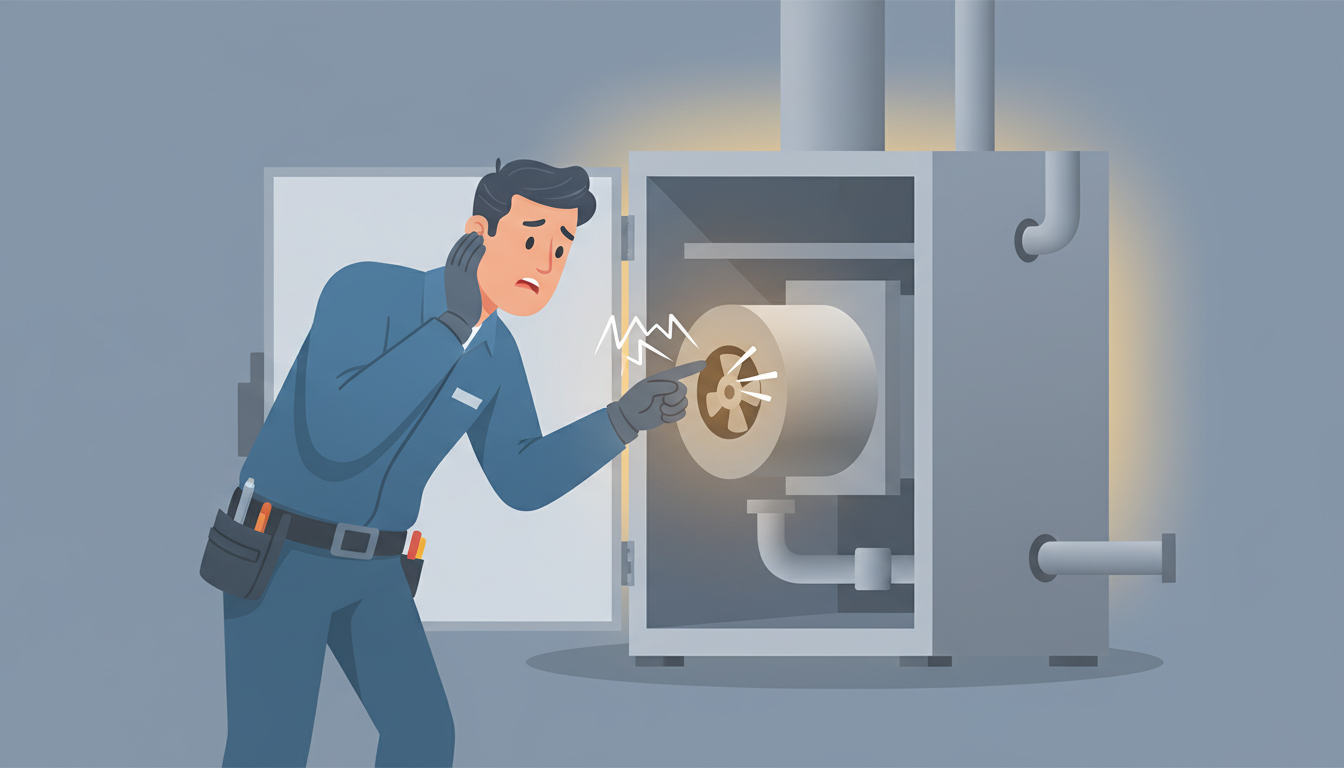
Is your furnace making strange sounds that wake you up at night? If you hear grinding, humming, or tapping noises shortly after your thermostat kicks on, you're likely dealing with a noisy draft inducer motor. This critical component works behind the scenes to keep your home safe and warm, but when it starts making noise, it's sending you an urgent warning signal. In this guide, you'll learn exactly what causes furnace draft inducer motor noise, how to identify the specific problem, and what steps you should take to fix it before a minor issue becomes a costly furnace breakdown.
What Is a Furnace Draft Inducer Motor?
Before we dive into troubleshooting noise issues, let's understand what this component actually does. Your furnace's draft inducer motor is essentially a specialized fan that activates before your burners ignite. It sits near the top of your furnace and connects to your vent pipe.
The inducer motor has two critical safety functions:
- Removes harmful exhaust gases: It pulls combustion gases (including carbon monoxide) out of the heat exchanger and vents them safely outside your home.
- Creates proper draft pressure: It establishes the correct negative pressure so your pressure switch can verify safe conditions before allowing the burners to ignite.
When you hear your furnace starting up, that initial humming or whooshing sound is usually your draft inducer motor spinning up to prepare the system for safe combustion. This happens in the first 30-60 seconds of your furnace's startup sequence, before you ever see flames.
Common Types of Inducer Motor Noise (And What They Mean)
Not all furnace noises are created equal. The specific sound your inducer motor makes can tell you a lot about what's going wrong. Here's what different noises typically indicate:
Grinding or Scraping Noise
A grinding sound coming from your draft inducer motor almost always points to bearing failure. The motor uses ball bearings to keep the shaft spinning smoothly. Over time, these bearings wear out, lose their lubrication, and start making a grinding or scraping noise.
This is one of the most serious noise issues because worn bearings can seize completely, causing your motor to fail without warning. If you're hearing a grinding noise, your inducer motor is near the end of its usable life.
Humming or Buzzing Noise
A loud humming noise when your thermostat calls for heat usually means one of two things:
- The motor is struggling to start: Worn bearings or debris on the wheel assembly can prevent smooth startup, causing the motor to hum without spinning properly.
- Electrical issues: A failing capacitor or winding problems inside the motor can cause humming without proper rotation.
Some humming is normal when the motor first starts, but if it's noticeably louder than usual or continues for more than a few seconds, you have a problem that needs attention.
Tapping or Clicking Noise
Tapping noises typically result from debris or soot buildup around the fan shaft or wheel assembly. As the wheel spins, accumulated dirt causes an unbalanced rotation that creates a repetitive tapping sound.
This noise can also occur when the motor bearings are starting to wear but haven't completely failed yet. The bearings develop "play" and click together as the wheel rotates.
Squealing or Screeching Noise
A high-pitched squealing noise usually indicates dry or failing bearings that need lubrication. Some older inducer motors have sealed bearings that can't be lubricated, which means replacement is your only option.
In rarer cases, squealing can come from belt-driven inducer motors (though most modern furnaces use direct-drive motors without belts).
Rattling or Vibrating Noise
Excessive vibration or rattling can have several causes:
- Loose mounting screws: The inducer motor assembly may have come loose from its mounting bracket.
- Unbalanced wheel: Debris stuck to the inducer wheel creates an imbalance, similar to an unbalanced car tire.
- Deteriorating motor mounts: Rubber isolators that reduce vibration can crack and fail over time.
What Causes a Furnace Draft Inducer Motor to Become Noisy?
Now that you can identify the noise, let's explore the root causes behind why your furnace inducer motor starts making these sounds.
Worn or Failing Bearings
This is far and away the most common reason for a noisy furnace inducer motor. Every inducer motor uses bearings to support the rotating shaft. These bearings endure thousands of heating cycles, spinning at high speeds in a hot, dirty environment.
Over time, the lubricant inside sealed bearings breaks down, metal-on-metal contact increases, and the bearings begin to fail. You'll first notice slightly louder operation, then grinding noises, and eventually the motor may seize completely or refuse to start.
Typical bearing lifespan: 10-15 years, depending on furnace usage and maintenance
Debris and Soot Accumulation
Your furnace pulls air through the vent system, and that air carries dust, soot, and other particles. Over the years, this debris can accumulate on:
- The inducer wheel blades
- The motor shaft
- Inside the inducer housing
This buildup serves two purposes: it creates an imbalance that causes vibration and tapping noises, and it can physically obstruct the wheel's rotation, forcing the motor to work harder and making more noise.
In homes with pets, pet hair can also wrap around the motor shaft, creating additional friction and noise.
Age-Related Motor Degradation
Like any mechanical component, inducer motors have a finite lifespan. Most quality furnace inducer motors last 10-15 years before they need replacement. As the motor ages:
- Internal components wear out
- Windings can develop shorts or opens
- Capacitors (if equipped) lose capacitance
- Housing and mounting hardware deteriorate
If your furnace is more than 10 years old and the inducer motor is original equipment, noise issues are often the first sign that replacement is coming soon.
Vent System Obstructions
Sometimes the noise isn't from the motor itself, but from what the motor is working against. Blockages in your vent pipe force the inducer motor to work harder, which can create unusual noises or make existing problems worse.
Common vent obstructions include:
- Bird nests or rodent nests in the vent termination
- Ice buildup in cold climates (especially on high-efficiency furnaces with PVC venting)
- Crushed or kinked vent pipes
- Leaves and debris at the vent outlet
When your inducer motor encounters increased resistance, it may make louder operational noises or fail to reach proper speed, triggering a pressure switch error.
Pressure Switch Issues
While not directly causing motor noise, a malfunctioning pressure switch can make you more aware of inducer motor sounds. If the pressure switch isn't functioning correctly, your furnace may cycle repeatedly, causing the inducer motor to start and stop multiple times. This frequent cycling makes noise issues more noticeable and can accelerate bearing wear.
How to Identify Where the Noise Is Coming From
If you're comfortable doing some basic investigation, you can confirm whether your draft inducer motor is actually the source of the noise. Here's how to safely locate and observe the component:
Safety first: Turn off power to your furnace at the electrical disconnect or circuit breaker before opening any panels.
-
Remove the furnace access panel: Most furnaces have a panel held in place by screws or clips.
-
Locate the inducer motor: Look for a cylindrical motor assembly near the top of your furnace, usually with a round housing and a vent pipe connecting to it. It's typically smaller than your main blower motor.
-
Restore power and observe: Turn the power back on and set your thermostat to call for heat.
-
Listen carefully: The inducer motor should start within seconds of the thermostat call. Listen for where the noise is coming from.
If the noise clearly originates from the inducer motor assembly and matches one of the descriptions above, you've confirmed the problem.
Important: If you smell gas, see flames where they shouldn't be, or notice anything unusual, immediately turn off the furnace and call a professional HVAC technician.
Can You Fix a Noisy Inducer Motor Yourself?
This is the question most homeowners ask, and the answer depends on the cause and your comfort level with HVAC work.
What Homeowners Can Safely Do
Check for obvious obstructions: You can inspect the vent pipe termination outside your home for visible blockages like bird nests, ice, or debris. Clear these if you find them.
Clean accessible areas: If you see heavy dust or debris on the inducer housing exterior, you can carefully vacuum it away (with power off).
Tighten mounting hardware: If the motor seems loose, you can tighten the mounting screws to reduce vibration (again, with power off).
What Requires Professional Help
Bearing replacement: While technically possible, replacing inducer motor bearings requires disassembling the motor and finding compatible parts. Most HVAC technicians simply replace the entire motor assembly because it's more reliable and often only marginally more expensive than sourcing parts.
Internal cleaning: Properly cleaning the inducer wheel and housing requires removing the assembly, which means disconnecting gas lines, electrical connections, and vent pipes. This is not recommended for DIYers due to safety concerns.
Motor replacement: Installing a new inducer motor involves electrical work, proper mounting, and testing pressure switch operation. This should always be handled by a licensed HVAC professional.
Diagnosis of electrical issues: If the problem involves the control board, wiring, or capacitor, you need professional diagnostic equipment and expertise.
For more comprehensive guidance on furnace repairs, check out our HVAC repair guide for additional troubleshooting resources.
How Much Does Inducer Motor Replacement Cost?
One of the most common questions homeowners have is about replacement costs. While prices vary by region, furnace brand, and labor rates, here's what you can typically expect:
Inducer motor parts cost: $150-$450 Labor cost: $150-$300 Total typical cost: $300-$750
Premium or hard-to-find motors for older furnaces can cost more, sometimes reaching $1,000 for the complete repair.
Factors That Affect Cost
- Furnace brand: Proprietary motors for brands like Carrier, Trane, or Lennox may cost more than generic replacements.
- Accessibility: If your furnace is in a tight crawlspace or attic, labor costs increase.
- Emergency service: After-hours or weekend service calls typically carry premium pricing.
- Additional repairs: If your technician finds related issues (faulty pressure switch, condensate drain problems), costs will be higher.
Most HVAC companies charge a diagnostic fee ($75-$150) that's often applied toward the repair if you proceed with the work.
Should You Repair or Replace Your Furnace?
If your furnace is relatively new (under 10 years old) and this is the first major repair, replacing the inducer motor makes perfect sense. However, if your furnace is approaching 15-20 years old, you need to consider whether repair is the right choice.
When Repair Makes Sense
- Your furnace is less than 12 years old
- This is the first major component failure
- The rest of the furnace is in good working order
- The repair cost is under $500
- Your furnace has been well-maintained
When Replacement Makes More Sense
- Your furnace is 15+ years old
- You've had multiple repairs in recent years
- Your energy bills have been climbing
- The repair cost exceeds $1,000
- Your furnace is oversized or undersized for your home
A good rule of thumb: If the repair cost exceeds 50% of a new furnace installation and your furnace is over 15 years old, replacement is usually the smarter financial decision.
For specific guidance on furnace repairs, our detailed furnace repair guide can help you make an informed decision.
Preventing Inducer Motor Problems: Maintenance Tips
While you can't prevent bearing wear entirely, you can significantly extend your inducer motor's lifespan with proper maintenance:
Annual Professional Maintenance
Have a qualified HVAC technician perform annual furnace maintenance that includes:
- Inspecting the inducer motor for early signs of wear
- Cleaning the inducer wheel and housing
- Checking vent pipes for obstructions
- Testing pressure switch operation
- Examining electrical connections
Best timing: Schedule this service in early fall before heating season begins.
Regular Filter Changes
This might seem unrelated, but clean air filters reduce the overall dust and debris circulating through your furnace. Less debris means less accumulation on your inducer wheel.
Recommendation: Change filters every 1-3 months depending on usage and filter type.
Keep Vent Terminations Clear
Several times per year, especially after storms:
- Check your outdoor vent termination for blockages
- Clear away leaves, snow, or debris
- Ensure the vent cap is intact and properly secured
- Look for signs of pest activity
Listen for Changes
Pay attention to how your furnace sounds during normal operation. If you notice the startup noise getting gradually louder over time, mention it to your technician during annual service. Early detection can prevent unexpected failures.
Understanding why your furnace blower might be running continuously can also help you identify related issues—learn more in our article on causes of furnace blower staying on.
Warning Signs You Need Immediate Professional Help
While some inducer motor noise can wait for a scheduled service appointment, certain symptoms require immediate attention:
Urgent Warning Signs
Furnace won't start and inducer motor hums continuously: This indicates complete motor failure or a seized bearing. Running a motor that won't turn can damage your control board.
Smell of burning or electrical odor: This suggests overheating or electrical problems that pose a fire risk.
Frequent furnace lockouts: If your furnace attempts to start but shuts down repeatedly, your inducer motor may not be creating proper draft, which is a carbon monoxide safety concern.
Visible smoke or sparks: Immediately turn off power to your furnace and call for emergency service.
Gas smell combined with motor noise: Shut down your furnace, ventilate your home, and call your gas company and HVAC professional immediately.
Carbon Monoxide Concerns
Your draft inducer motor's primary job is removing dangerous combustion gases, including carbon monoxide. A failing inducer motor compromises this safety function.
Every home with a gas furnace should have working carbon monoxide detectors installed according to local codes. If your CO detector alarms and you're experiencing inducer motor problems, evacuate your home and call for help.
Understanding Inducer Motor Types
Not all inducer motors are the same. Understanding the type in your furnace can help you set realistic expectations for repair costs and availability.
PSC (Permanent Split Capacitor) Motors
These are the most common type in older and mid-efficiency furnaces:
- Less expensive to replace ($150-$300 for parts)
- Simpler design with fewer electronic components
- Fixed-speed operation
- Typically louder than ECM motors
ECM (Electronically Commutated Motor) Motors
Found in high-efficiency furnaces (90%+ AFUE):
- More expensive to replace ($300-$500+ for parts)
- Variable speed operation
- Quieter and more efficient
- Require specialized control board integration
If you have a high-efficiency furnace with an ECM inducer motor, expect higher replacement costs but better long-term efficiency and quieter operation.
Frequently Asked Questions
How long do furnace draft inducer motors last?
Most furnace draft inducer motors last 10-15 years with proper maintenance. Factors that affect lifespan include how many heating cycles your furnace runs per year, air quality in your home, and whether you keep up with regular maintenance. Furnaces in colder climates that run more frequently may see shorter inducer motor lifespans.
Can a noisy inducer motor cause other furnace problems?
Yes, absolutely. A failing inducer motor can trigger several cascading issues. If the motor doesn't create proper draft pressure, your pressure switch won't close, preventing your furnace from igniting. A motor that's drawing too much current due to bearing failure can damage your control board. Additionally, inadequate draft can allow combustion gases to spill into your home instead of being properly vented.
Is it normal for an inducer motor to make some noise?
Yes, a certain amount of noise is completely normal. You should expect to hear a gentle whooshing or humming sound when the inducer motor starts up. This is the sound of the fan wheel spinning and air moving through the vent system. What's NOT normal is grinding, loud squealing, excessive vibration, or noise that's significantly louder than what you've heard in previous years.
Why does my inducer motor only make noise when it's cold?
Metal components expand and contract with temperature changes. If your bearings have developed slight wear, they may make noise when cold because clearances are tighter, then quiet down as things warm up and expand slightly. This is actually a warning sign that bearing failure is progressing—the problem will get worse over time as wear increases.
Can I lubricate my furnace inducer motor to stop the noise?
Most modern inducer motors use sealed bearings that can't be lubricated. Attempting to add oil to sealed bearings won't help and might actually introduce contaminants. Some very old motors (typically 20+ years) had oil ports, but these are rare. If your motor is making noise due to bearing wear, lubrication won't fix the underlying problem—you need a replacement.
Take Action Before Your Inducer Motor Fails Completely
A noisy furnace draft inducer motor isn't just annoying—it's an early warning system telling you that a critical safety component is wearing out. Whether you're hearing grinding from failing bearings, tapping from debris buildup, or humming from a motor struggling to start, these sounds all point to the same conclusion: your inducer motor needs attention soon.
The good news is that catching these problems early gives you time to schedule repair on your terms, rather than dealing with an emergency breakdown on the coldest night of the year. If you're hearing unusual noises from your furnace, don't wait for complete failure. Contact a qualified HVAC technician to inspect your inducer motor and determine whether cleaning, minor repairs, or replacement is the right solution for your situation.
Remember, your draft inducer motor plays a critical role in keeping your home safe from carbon monoxide and other combustion gases. When this component starts signaling problems through noise, it's time to listen and take action.