Why Does My Furnace Keep Short Cycling? (And How to Fix It Fast)
Why Does My Furnace Keep Short Cycling? (And How to Fix It Fast)
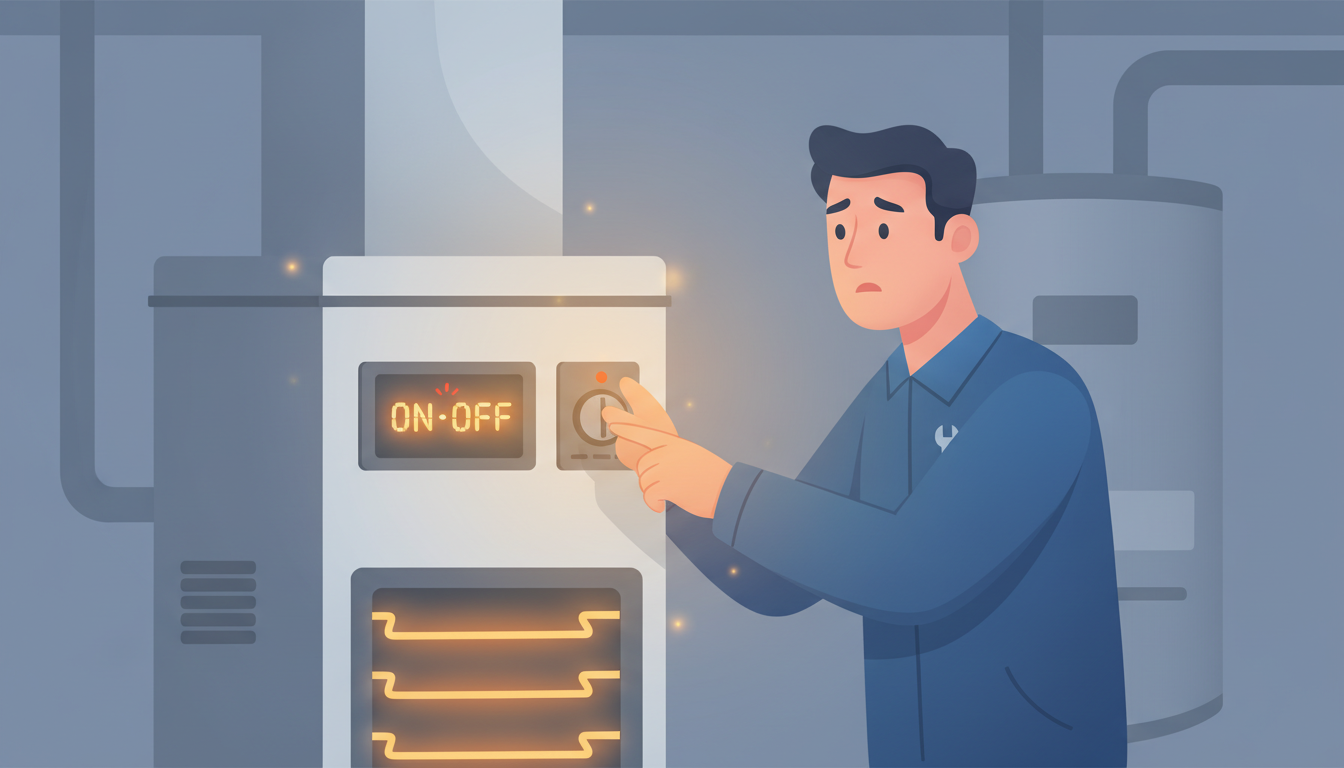
Is your furnace turning on and off every few minutes? You're not imagining things, and you're definitely not alone. Furnace short cycling is one of the most common heating problems homeowners face, and it's costing you money with every cycle. The good news? Most causes are fixable, and some you can handle yourself. Let's dive into why your furnace keeps short cycling and what you can do about it.
What Is Furnace Short Cycling?
Furnace short cycling happens when your heating system turns on, runs for a brief period (usually just a few minutes), then shuts off before completing a full heating cycle. Instead of running for the normal 10-15 minutes to properly warm your home, a short cycling furnace might run for only 3-5 minutes before shutting down.
This isn't just annoying—it's a sign something's wrong with your HVAC system. A healthy furnace should cycle 3-8 times per hour during cold weather, with each cycle lasting at least 7-15 minutes. If your furnace is cycling more frequently than that, it's time to investigate.
How to Tell If Your Furnace Is Short Cycling
Watch for these warning signs:
- Your furnace starts and stops more than 8-10 times per hour
- Each heating cycle lasts less than 5 minutes
- You hear constant clicking or rumbling as the system turns on and off
- Your home never reaches the temperature set on your thermostat
- Your energy bills are higher than normal
- Some rooms feel warm while others stay cold
If you're experiencing these symptoms, your furnace is likely short cycling and needs attention.
Why Furnace Short Cycling Is a Problem
You might wonder, "Does it really matter if my furnace cycles a bit more often?" Unfortunately, yes—it matters a lot. Here's why furnace short cycling is more than just a minor annoyance:
Higher Energy Bills: Every time your furnace starts up, it uses a surge of energy. Short cycling means constant startups, which can increase your heating costs by 15-30%.
Reduced Comfort: When your furnace keeps shutting off after a few minutes, it never runs long enough to evenly distribute warm air throughout your home. You'll notice cold spots and temperature fluctuations.
Premature Wear and Tear: Your furnace's ignition system, blower motor, and heat exchanger all experience the most stress during startup. More cycles mean more wear, which can reduce your furnace's lifespan by several years.
Potential Safety Hazards: Some causes of short cycling, like a cracked heat exchanger, can create dangerous situations including carbon monoxide leaks.
Now that you understand the stakes, let's look at what causes furnace short cycling.
Top 7 Causes of Furnace Short Cycling
1. Dirty or Clogged Air Filter
This is the number one culprit behind furnace short cycling—and the easiest to fix. Your air filter's job is to trap dust, pet dander, and other particles before they enter your HVAC system. Over time, these particles build up and restrict airflow.
When airflow is restricted, heat builds up inside the furnace faster than it should. This triggers the high-limit switch, a safety device that shuts down the furnace to prevent overheating. Once the furnace cools down, it tries to start again, creating the short cycling pattern.
How to Fix It: Check your air filter right now. If it looks gray, brown, or clogged with debris, replace it immediately. Standard 1-inch filters should be replaced every 1-3 months, while thicker 4-inch filters can last 6-12 months. Set a reminder on your phone so you never forget.
2. Your Furnace Is Oversized for Your Home
Here's a counterintuitive problem: a furnace that's too powerful for your home will actually perform worse than a properly sized unit. An oversized furnace heats your space too quickly, causing the thermostat to signal a shutdown before the heating cycle completes.
This is one of the most common causes of short cycling, especially in newer homes or after furnace replacement. Many HVAC contractors make the mistake of installing a larger furnace "just to be safe," but this creates more problems than it solves.
Signs Your Furnace Is Oversized:
- Your home heats up very quickly (within minutes)
- The furnace shuts off before the blower fully distributes warm air
- You experience wide temperature swings
- Short cycling has been an issue since installation
How to Fix It: Unfortunately, you can't shrink your furnace. If oversizing is the problem, you'll need a professional to either add zones to your heating system or replace the furnace with a properly sized unit based on a Manual J load calculation. While this isn't cheap (typically $3,000-$6,000), it's better than years of high energy bills and premature equipment failure.
For detailed guidance on when replacement makes sense, check out our complete HVAC repair guide.
3. Thermostat Problems
Your thermostat is the brain of your heating system, so when it malfunctions, short cycling often follows. Several thermostat issues can cause this problem:
Incorrect Placement: If your thermostat is installed near a heat source (fireplace, sunny window, kitchen, or heat register), it will sense heat and tell your furnace to shut off even though the rest of your home is still cold.
Faulty Wiring: Loose or corroded wires can send incorrect signals to your furnace, causing erratic cycling.
Outdated Technology: Older mechanical thermostats can lose calibration over time, making them less accurate at reading your home's temperature.
Wrong Settings: If your thermostat is set to "ON" instead of "AUTO" for the fan setting, the blower will run continuously, which can confuse the temperature readings.
How to Fix It: First, check your thermostat settings and make sure the fan is set to "AUTO" and your temperature setting is reasonable (68-72°F in winter). Clean any dust from around the device. If you have a battery-powered thermostat, replace the batteries.
If problems persist, you may need to relocate the thermostat to an interior wall away from heat sources, or upgrade to a programmable or smart thermostat that maintains better accuracy.
4. Dirty or Malfunctioning Flame Sensor
Gas furnaces use a flame sensor as a critical safety device. This small metal rod sits in the flame when your furnace is running and verifies that gas is actually burning. If the sensor doesn't detect a flame, it shuts off the gas valve to prevent dangerous gas buildup.
Over time, the flame sensor can become coated with carbon deposits, soot, or corrosion. When this happens, it can't properly detect the flame even when one is present, causing the furnace to shut off after just a few seconds or minutes.
How to Fix It: You can clean a flame sensor yourself if you're comfortable with basic furnace maintenance:
- Turn off power to your furnace at the breaker
- Remove the furnace access panel
- Locate the flame sensor (a thin metal rod near the burner assembly)
- Carefully remove it by unscrewing the mounting bracket
- Gently clean it with fine-grit sandpaper or steel wool
- Reinstall everything and restore power
If you're not comfortable doing this, or if cleaning doesn't solve the problem, call an HVAC technician. A replacement flame sensor costs $150-$250 installed.
5. Faulty Limit Switch
The limit switch is another safety device that monitors the temperature inside your furnace's heat exchanger. If temperatures get too high, it shuts the system down to prevent damage or fire.
A malfunctioning limit switch might trigger even when temperatures are normal, causing your furnace to shut off prematurely. Alternatively, the limit switch might be working correctly but shutting down the furnace because other problems (like restricted airflow) are causing genuine overheating.
How to Fix It: Limit switch problems require professional diagnosis. An HVAC technician can test the switch with specialized equipment and determine whether it needs adjustment or replacement. The switch itself costs $50-$150, but you'll need to address any underlying cause of overheating as well.
6. Cracked or Damaged Heat Exchanger
This is the most serious cause of furnace short cycling. Your heat exchanger is a metal chamber where combustion gases heat the air that circulates through your home. Over years of heating and cooling cycles, metal fatigue can cause cracks to develop.
A cracked heat exchanger is dangerous because it can leak carbon monoxide into your home. Your furnace may shut down frequently as a safety measure, or you might notice other warning signs.
Warning Signs of a Cracked Heat Exchanger:
- Strange odors (like formaldehyde or a strong chemical smell)
- Visible soot or corrosion inside the furnace
- Yellow or flickering burner flame instead of steady blue
- Water pooling around the furnace
- Carbon monoxide detector alarms
How to Fix It: This requires immediate professional attention. A cracked heat exchanger usually means your furnace needs replacement, as heat exchanger replacement can cost $1,500-$3,500—often more than the furnace is worth. Most heat exchangers are covered by lengthy warranties (10-20 years), so check your documentation before paying for repairs.
For more information about when to repair versus replace, visit our furnace repair guide.
7. Restricted Airflow from Blocked Vents or Ductwork Issues
Your furnace needs proper airflow to operate efficiently. When air can't circulate freely, heat builds up inside the unit, triggering safety shutoffs. Several airflow restrictions can cause short cycling:
Closed or Blocked Supply Vents: Furniture, curtains, or intentionally closed vents in unused rooms restrict airflow and create pressure imbalances.
Undersized Return Air Ducts: Your return air ducts bring air back to the furnace to be reheated. If they're too small for your furnace's capacity, the system can't breathe properly.
Leaky Ductwork: Gaps and holes in your ducts (especially in attics or crawl spaces) reduce system efficiency and can contribute to cycling problems.
Dirty Ducts: Years of dust accumulation inside your ductwork can gradually restrict airflow.
How to Fix It: Walk through your home and make sure all supply vents are open and unobstructed. Check that your return air vents aren't blocked by furniture or decor. Consider having your ducts professionally inspected and sealed if your home is more than 15 years old or if you've noticed declining furnace performance.
How to Fix Furnace Short Cycling: Step-by-Step Troubleshooting
Before calling a professional, try these DIY troubleshooting steps:
Step 1: Replace the Air Filter This solves the problem 40% of the time and takes only 2 minutes. Always try this first.
Step 2: Check All Vents Walk through your home and open any closed supply vents. Make sure furniture, curtains, or storage items aren't blocking vents or returns.
Step 3: Inspect Your Thermostat Verify the settings are correct (set to "heat," fan on "auto," and a reasonable temperature). Replace batteries if needed. Make sure nothing is heating the area around your thermostat.
Step 4: Listen to Your Furnace Stand near your furnace during a cycle. Note any unusual sounds, smells, or how long it runs before shutting off. This information helps diagnose the problem.
Step 5: Check the Flame Sensor (Gas Furnaces) If you're comfortable opening your furnace, visually inspect the flame sensor for obvious dirt or corrosion. Clean it if needed.
Step 6: Call a Professional If none of these steps solve the problem, or if you suspect a serious issue like a cracked heat exchanger or faulty limit switch, contact an HVAC technician. Some problems require specialized tools and expertise.
For more detailed troubleshooting advice, read our article on why your furnace starts then shuts off.
Furnace Short Cycling in Cold Weather: Is It Different?
You might notice short cycling happens more often during extremely cold weather. This isn't your imagination—frigid temperatures can contribute to cycling problems in several ways:
Increased Demand: When outdoor temperatures drop below 20°F, your furnace works harder and runs more frequently, which can reveal existing problems that weren't noticeable during milder weather.
Frozen Components: In extreme cold, condensate drain lines can freeze, causing water backup that triggers safety shutoffs.
Thermostat Accuracy: Large temperature differences between indoors and outdoors can affect how quickly your thermostat responds to temperature changes.
Draft Issues: Extreme cold can create stronger drafts through small leaks, causing temperature fluctuations that confuse your thermostat.
If your furnace only short cycles during very cold weather but runs normally otherwise, focus on weatherproofing (sealing air leaks around windows and doors) and ensuring your thermostat is properly positioned away from drafts.
How Much Does It Cost to Fix a Short Cycling Furnace?
Repair costs vary dramatically depending on the cause:
- Air filter replacement: $15-$40 (DIY)
- Thermostat recalibration or replacement: $100-$300
- Flame sensor cleaning: $80-$200
- Limit switch replacement: $150-$350
- Blower motor repair: $400-$600
- Heat exchanger replacement: $1,500-$3,500
- Furnace replacement (if oversized): $3,000-$6,000
Most short cycling issues fall into the $100-$400 range for professional repairs. If you're facing a repair bill over $1,000 and your furnace is more than 15 years old, replacement might be the smarter long-term investment.
Preventing Furnace Short Cycling: Maintenance Tips
An ounce of prevention is worth a pound of cure. Follow these maintenance practices to avoid short cycling problems:
Monthly:
- Inspect your air filter and replace if dirty
- Listen for unusual furnace sounds during operation
- Check that all vents remain open and unobstructed
Seasonally (Before Winter):
- Schedule professional furnace maintenance
- Test your thermostat accuracy with a separate thermometer
- Inspect and clean flame sensor if accessible
- Change batteries in thermostat and carbon monoxide detectors
Annually:
- Have a complete HVAC system inspection
- Clean or replace thermostat if showing signs of age
- Inspect ductwork for leaks and have sealed if needed
- Verify proper furnace sizing if you've made home renovations
Regular maintenance extends your furnace's lifespan by 5-10 years and reduces your risk of unexpected breakdowns by 95%.
Frequently Asked Questions About Furnace Short Cycling
How long should a furnace run before shutting off?
A properly functioning furnace should run for 10-15 minutes per cycle during normal weather conditions. In extremely cold weather, cycles may last 15-20 minutes as your system works harder to maintain temperature. If your furnace runs for less than 7 minutes per cycle, it's short cycling and needs attention.
Can a dirty filter cause short cycling?
Absolutely. A clogged air filter is the most common cause of furnace short cycling. When the filter becomes too dirty, it restricts airflow, causing heat to build up inside the furnace. This triggers the safety limit switch, shutting down the system to prevent overheating. Replacing your filter often solves the problem immediately.
How much does it cost to fix a short cycling furnace?
The cost depends entirely on the cause. Simple fixes like replacing an air filter cost $15-$40, while thermostat issues run $100-$300. More complex repairs like flame sensor replacement cost $150-$250, and serious problems like a cracked heat exchanger may require furnace replacement at $3,000-$6,000. Most common short cycling repairs fall in the $100-$400 range.
Is it safe to run a furnace that's short cycling?
It depends on the cause. If short cycling is due to a dirty filter or thermostat problem, the furnace is safe to run (though inefficient) until you fix it. However, if short cycling is caused by a cracked heat exchanger, continuing to run the furnace could expose your family to carbon monoxide. If you smell unusual odors, see soot, or your CO detector alarms, shut off your furnace immediately and call a professional.
Can I fix furnace short cycling myself?
Some causes of furnace short cycling are definitely DIY-friendly. You can replace air filters, check thermostat settings, open blocked vents, and even clean flame sensors if you're comfortable with basic maintenance. However, issues like faulty limit switches, cracked heat exchangers, oversized furnaces, and complex electrical problems require professional expertise and specialized tools.
When to Call a Professional HVAC Technician
While some short cycling causes are DIY-friendly, certain situations require immediate professional help:
- Your furnace cycles more than 10 times per hour
- You smell gas, burning odors, or chemical smells
- Your carbon monoxide detector sounds an alarm
- Basic troubleshooting (filter replacement, vent checking) doesn't solve the problem
- You hear loud banging, grinding, or screeching sounds
- Your furnace is more than 15 years old and short cycling is a new problem
- You see visible cracks, rust, or soot inside your furnace
A qualified HVAC technician can perform comprehensive diagnostics, test components with specialized equipment, and safely repair or replace faulty parts. Most service calls cost $75-$150 for diagnosis, with repair costs varying based on findings.
Take Action Before Short Cycling Damages Your Furnace
Furnace short cycling won't fix itself—it only gets worse over time. Every day you wait, your system experiences additional wear and tear, your energy bills climb higher, and you risk more expensive repairs down the line.
Start with the simple fixes: replace your air filter, check your thermostat settings, and open any closed vents. These three steps solve short cycling issues for many homeowners and cost almost nothing.
If your furnace continues short cycling after addressing these basics, don't delay professional service. A small $150-$300 repair today can prevent a $3,000-$6,000 furnace replacement tomorrow.
Your comfort and safety are too important to ignore. Take action today, and your furnace will reward you with years of reliable, efficient heating.