Furnace Not Igniting? 7 Common Causes and How to Fix Them
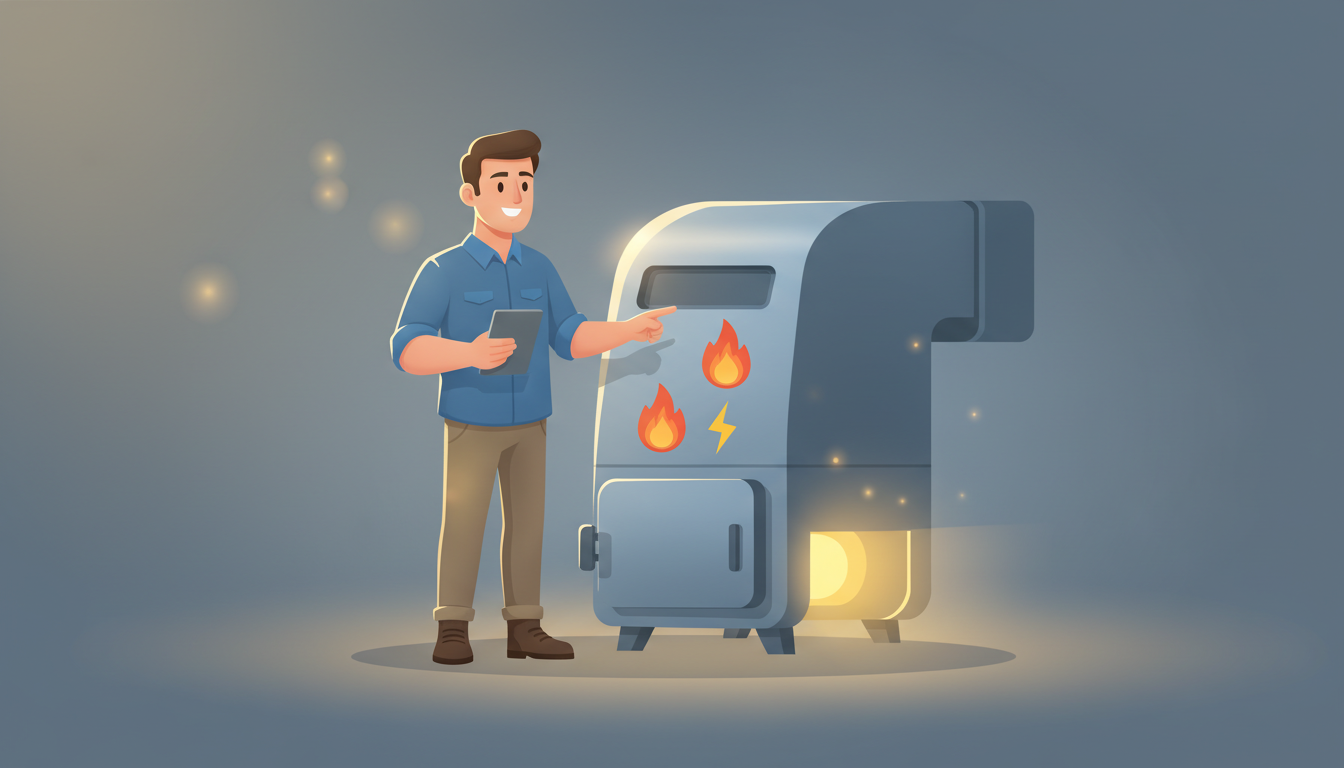
Furnace Not Igniting? 7 Common Causes and How to Fix Them
When you turn up the thermostat on a cold morning and your furnace refuses to ignite, it's more than just inconvenient—it can leave your family shivering and scrambling for space heaters. Understanding why your furnace won't ignite is the first step toward getting your home warm again, and in many cases, you might be able to fix the problem yourself without waiting for a technician.
In this guide, we'll walk you through the most common reasons why furnaces fail to ignite, explain what you can safely check on your own, and help you recognize when it's time to call a professional. Whether you're dealing with a gas furnace that clicks but won't light or an ignitor that refuses to glow, we've got you covered.
Understanding Your Furnace Ignition Sequence
Before diving into troubleshooting, it helps to understand how your furnace is supposed to work. Modern gas furnaces follow a specific ignition sequence that takes only seconds when everything functions properly:
- Thermostat calls for heat - Your thermostat signals the furnace control board that your home needs warmth
- Draft inducer motor starts - This fan expels any residual gases and creates proper airflow
- Pressure switch closes - Confirms adequate airflow before allowing gas to flow
- Ignitor heats up - The hot surface ignitor glows orange-red (or the pilot light ignites in older systems)
- Gas valve opens - Natural gas or propane flows to the burners
- Burners ignite - The gas lights, creating the flame that heats your home
- Flame sensor confirms ignition - A safety device verifies the burners are lit
- Blower motor starts - After a brief delay, the blower circulates warm air through your home
When any step in this sequence fails, your furnace won't ignite. The good news is that identifying which step is failing can point you directly to the problem.
7 Common Reasons Your Furnace Won't Ignite
1. Faulty or Worn-Out Ignitor
The Problem: The ignitor is the most common culprit when a furnace won't light. This small component heats up to extremely high temperatures (over 2,500°F) to ignite the gas. After years of heating and cooling cycles, igniters become brittle and eventually crack or fail completely.
Signs You Have This Problem:
- You hear the furnace cycle through its startup sequence, but no flame appears
- The ignitor doesn't glow at all, or glows weakly (orange instead of bright white)
- You hear clicking sounds but no ignition
- The furnace worked fine yesterday but won't light today
What You Can Do: Turn off power to your furnace and visually inspect the ignitor. If you see cracks or breaks, it needs replacement. Hot surface igniters typically last 3-7 years. While DIYers can replace them, be extremely careful—these components are fragile even when new.
Professional Help Needed: If you're uncomfortable working near gas components or inside your furnace, call an HVAC technician. Ignitor replacement typically costs $150-$300 including parts and labor.
2. Dirty or Corroded Flame Sensor
The Problem: Your flame sensor is a thin metal rod positioned near the burners. It's designed to detect whether gas has actually ignited. If the sensor gets coated with carbon buildup, soot, or corrosion, it can't properly detect the flame—even when burners are clearly lit. As a safety measure, your furnace will shut off the gas valve within seconds.
Signs You Have This Problem:
- Burners ignite but shut off after 3-5 seconds
- The furnace goes through multiple ignition attempts
- The problem started gradually rather than suddenly
- You've skipped annual maintenance for several years
What You Can Do: The flame sensor is usually easy to access and clean. Turn off power and gas to your furnace, locate the sensor (a thin metallic rod near the burners), and gently clean it with fine-grit sandpaper or steel wool. Wipe it clean with a cloth and reinstall. This simple maintenance often solves the problem immediately.
Professional Help Needed: If cleaning doesn't work, the sensor may need replacement ($150-$250).
3. Clogged or Dirty Air Filter
The Problem: Your air filter protects your furnace from dust, pet dander, and debris. When it becomes clogged, airflow restriction can trigger safety switches that prevent ignition. A severely clogged filter can also cause the limit switch to trip, shutting down the furnace before it even attempts to light.
Signs You Have This Problem:
- You can't remember the last time you changed the filter
- Airflow from your vents seems weak even when the furnace runs
- Your furnace worked fine until recently, then stopped igniting
- The blower motor runs but no heat comes out
What You Can Do: Check your filter immediately. If you can't see light through it, it's too dirty. Replace disposable filters or clean reusable ones. Standard 1-inch filters should be replaced every 1-3 months depending on usage, pets, and allergies. This is the easiest and least expensive fix on this list.
For more detailed guidance on maintaining your HVAC system, check out our comprehensive HVAC repair guide.
Professional Help Needed: None for filter replacement. However, if a clogged filter caused your limit switch to fail, you'll need professional repair.
4. Gas Supply Issues
The Problem: No gas means no ignition, no matter how perfectly everything else works. Gas supply problems can range from a closed valve to issues with your gas line or meter.
Signs You Have This Problem:
- Other gas appliances (stove, water heater) also aren't working
- You recently had gas service interrupted or meter work done
- You smell no gas near the furnace when it tries to ignite
- The gas bill shows unusually low usage
What You Can Do: First, check that the gas valve leading to your furnace is fully open—the handle should be parallel to the gas pipe. If you have a propane tank, check the level. Beyond these basic checks, gas issues require professional help.
Professional Help Needed: Never attempt gas line repairs yourself. If you suspect a gas leak (you smell rotten eggs or sulfur), evacuate immediately and call your gas company's emergency line. For non-emergency gas supply issues, contact a licensed HVAC or plumbing professional.
5. Malfunctioning Thermostat
The Problem: Your thermostat is the communication center between you and your furnace. If it can't send the proper signal to ignite, your furnace will sit idle even on the coldest days.
Signs You Have This Problem:
- The thermostat display is blank or showing error codes
- You've replaced batteries recently (in battery-powered models)
- The thermostat shows a different temperature than a separate thermometer
- Switching from heat to cool or adjusting settings produces no response
What You Can Do: Try these simple fixes first:
- Replace thermostat batteries if applicable
- Check that the thermostat is set to "Heat" mode (not "Cool" or "Off")
- Raise the temperature setting at least 5 degrees above current room temperature
- Ensure no furniture or curtains are blocking the thermostat
- Check your circuit breaker panel for tripped breakers
Professional Help Needed: If basic troubleshooting doesn't work, wiring issues or a failed thermostat may require professional diagnosis ($75-$150 for service call). Thermostat replacement costs $100-$500 depending on the model.
6. Pressure Switch Problems
The Problem: The pressure switch is a critical safety component that verifies proper airflow before allowing your furnace to ignite. If the draft inducer motor isn't creating enough suction, or if condensate drains are clogged, the pressure switch won't close, and ignition won't occur.
Signs You Have This Problem:
- You hear the draft inducer motor running, but ignition never starts
- Error codes on your furnace display indicate pressure switch failure
- You notice water pooled around the base of your furnace
- The problem occurs more often in cold, windy weather
What You Can Do: Check for obvious blockages in your furnace's intake and exhaust vents (especially after storms or heavy snow). Ensure condensate drain lines aren't frozen or clogged. Beyond visual inspection, pressure switch diagnosis requires tools and expertise.
For a deeper dive into pressure switch issues, we've written a detailed guide on the causes of pressure switch problems in furnaces.
Professional Help Needed: Pressure switch testing and replacement ($150-$400) should be done by a technician with proper diagnostic equipment.
7. Dirty or Clogged Burners
The Problem: Gas burners can accumulate dust, rust, and debris over time, especially in furnaces that aren't regularly maintained. When burners are dirty, gas can't flow properly, preventing ignition or causing uneven flames that trigger safety shutoffs.
Signs You Have This Problem:
- Burners ignite but flames are yellow or orange instead of blue
- You hear hissing or popping sounds during ignition attempts
- Only some burners light while others remain dark
- The furnace is more than 10 years old and hasn't had professional cleaning
What You Can Do: Visual inspection can reveal severely dirty burners, but cleaning them properly requires removing and carefully brushing away debris without damaging components. This is generally best left to professionals during annual maintenance.
Professional Help Needed: Burner cleaning is typically included in annual tune-ups ($80-$150) or can be done as a standalone service.
Step-by-Step Troubleshooting: Where to Start
When your furnace won't ignite, follow this diagnostic sequence to identify the problem efficiently:
Step 1: Check the Obvious
- Is the thermostat set correctly (on "Heat," above room temperature)?
- Are batteries fresh (if applicable)?
- Is the furnace power switch turned on?
- Is the circuit breaker in the "on" position?
- Is the air filter clean?
Step 2: Listen and Observe
- Do you hear the draft inducer motor start?
- Does the ignitor glow (visible through the burner inspection window)?
- Do you hear the gas valve click open?
- Do burners attempt to light but fail, or is there no ignition attempt at all?
Step 3: Safety Checks
- Do you smell gas? If yes, evacuate and call your gas company immediately
- Is there water pooling around the furnace?
- Are any error codes displayed?
Step 4: Basic Maintenance
- Replace the air filter if dirty
- Clean the flame sensor if you're comfortable doing so
- Check for blocked vents or intakes
Step 5: Call a Professional If you've gone through these steps and your furnace still won't ignite, it's time for professional diagnosis.
DIY Fixes vs. Professional Repair: Know the Difference
Safe DIY Tasks:
- Replacing air filters
- Changing thermostat batteries
- Cleaning flame sensors
- Checking circuit breakers
- Verifying gas valve position
- Clearing snow or debris from exterior vents
Leave to Professionals:
- Gas line work of any kind
- Ignitor replacement (unless you have HVAC experience)
- Pressure switch testing and replacement
- Control board diagnosis and repair
- Burner cleaning and adjustment
- Any work requiring specialized tools or testing equipment
For comprehensive guidance on furnace repair and maintenance, explore our furnace repair guide with detailed step-by-step instructions.
When to Replace Rather Than Repair
Sometimes the most cost-effective solution is replacing your furnace rather than continuing to repair an aging system. Consider replacement if:
- Your furnace is 15-20 years old - Even with repairs, efficiency and reliability decline significantly
- Repair costs exceed 50% of replacement cost - A $1,000 repair on a furnace worth $2,000 doesn't make financial sense
- You've had multiple repairs in recent years - Frequent breakdowns indicate systemic failure
- Your energy bills keep increasing - Older furnaces lose efficiency, costing you more to heat your home
- The ignitor has failed multiple times - Repeated ignitor failure may indicate control board or electrical problems
Modern high-efficiency furnaces can reduce heating costs by 20-40% compared to systems from the 1990s, often paying for themselves through energy savings over their lifespan.
Preventing Future Ignition Problems
The best fix is prevention. These maintenance habits will keep your furnace igniting reliably for years:
Monthly:
- Check and replace air filters as needed
- Listen for unusual sounds during startup
- Verify consistent heating throughout your home
Annually (before heating season):
- Schedule professional maintenance
- Have your flame sensor cleaned or replaced
- Get burners inspected and cleaned
- Verify proper draft motor operation
- Test safety switches and controls
Every 3-5 Years:
- Consider ignitor replacement as preventive maintenance (they're inexpensive and failure-prone)
- Have ductwork inspected and cleaned if needed
- Verify proper system sizing and airflow
Professional annual maintenance typically costs $80-$150 but can prevent emergency repairs that cost $300-$800 or more. It's an investment that pays for itself many times over.
Seasonal Considerations: Why Fall Startups Fail
Many furnace ignition problems appear right when you need heat for the first time in months. Here's why:
Dust and Debris: Months of inactivity allow dust to settle on sensors, igniters, and burners. The first ignition attempt burns off this debris, sometimes causing failure.
Moisture and Corrosion: Summer humidity can cause corrosion on electrical connections and flame sensors, particularly in unconditioned spaces like attics or crawlspaces.
Forgotten Maintenance: Homeowners often delay scheduling tune-ups until cold weather arrives, only to discover problems when temperatures drop.
Pro Tip: Run a test cycle in early fall before you actually need heat. Turn your thermostat to heat mode and raise the temperature to trigger ignition. This lets you discover and fix problems before that first cold snap.
Frequently Asked Questions
Why does my furnace ignite then shut off immediately?
This classic symptom almost always points to a dirty or faulty flame sensor. The burners light, but the sensor can't detect the flame (due to buildup or corrosion), so the control board shuts off the gas valve as a safety precaution. Try cleaning the flame sensor with fine sandpaper—this solves the problem about 80% of the time.
Can I replace a furnace ignitor myself?
Technically yes, but proceed with caution. Hot surface igniters are extremely fragile and break easily, even when new. You must also turn off gas and power, work carefully near gas connections, and follow the exact ignition sequence when testing. If you're not confident working with gas appliances, the $150-$200 professional service call is worth the peace of mind.
How much does it cost to fix a furnace that won't ignite?
Costs vary widely depending on the cause:
- Air filter replacement: $15-$40 (DIY)
- Flame sensor cleaning: $0 (DIY) or $80-$150 (professional)
- Ignitor replacement: $150-$300
- Pressure switch replacement: $150-$400
- Thermostat replacement: $100-$500
- Control board replacement: $300-$600
- Gas valve replacement: $300-$750
Diagnostic service calls typically cost $75-$150, which is often waived if you proceed with repairs.
Why won't my furnace ignite when it's windy outside?
Strong winds can affect furnace operation in several ways. Wind can create backdrafts that prevent proper draft motor operation, cause pressure switch problems, or even blow out pilot lights in older furnaces. Modern high-efficiency furnaces are particularly sensitive to external air pressure changes. If this is a recurring problem, your exhaust venting may need modification or protection from prevailing winds.
Is it dangerous if my furnace won't ignite?
A furnace that won't ignite isn't immediately dangerous—it simply won't heat your home. However, if you smell gas (a sulfur or rotten egg odor) while your furnace is attempting to ignite, this IS dangerous. Gas could be leaking without igniting, creating an explosion or carbon monoxide risk. If you smell gas, immediately:
- Don't flip light switches or create any sparks
- Evacuate everyone from your home
- Call your gas company's emergency line from outside
- Don't return until professionals declare it safe
How long should a furnace ignitor last?
Hot surface igniters typically last 3-7 years, though some fail sooner and others last longer. Factors affecting lifespan include:
- Frequency of heating cycles (more cycles = shorter life)
- Manufacturing quality
- Power surges or electrical issues
- Vibration and physical stress
Consider replacing your ignitor proactively around the 5-year mark, especially if you've already experienced one failure. At $150-$300 installed, it's cheaper than an emergency service call on the coldest night of the year.
Can a thermostat cause a furnace not to ignite?
Absolutely. Your thermostat sends the signal to your furnace control board to begin the ignition sequence. If the thermostat has dead batteries, loose wiring, incorrect settings, or internal failure, that signal never reaches the furnace. Start troubleshooting with your thermostat—it's the easiest and least expensive component to check and replace if needed.
Conclusion: Get Your Heat Back Safely
A furnace that won't ignite doesn't have to mean days without heat or a massive repair bill. By understanding the common causes—from simple fixes like dirty filters and flame sensors to more complex issues like faulty igniters and pressure switches—you can often identify the problem quickly.
Start with the simple checks: thermostat settings, air filters, circuit breakers, and visual inspections. These DIY steps solve the problem more often than you'd think. For everything else, calling a qualified HVAC technician ensures safe, effective repairs that get your home warm again.
Remember, annual professional maintenance is the best defense against ignition problems and unexpected breakdowns. A small investment in prevention saves hundreds or thousands in emergency repairs and extends your furnace's lifespan by years.
If you're currently dealing with a furnace that won't ignite and need immediate help, don't wait until temperatures drop further. Contact a licensed HVAC professional today to diagnose and resolve the issue before it becomes an emergency.
Need expert help with your furnace? Quick HVAC Fix specializes in fast, reliable furnace repairs and maintenance. Our experienced technicians diagnose ignition problems quickly and get your heating system running safely and efficiently.