Why Do Furnace Repair Problems Spike at the Start of Winter?
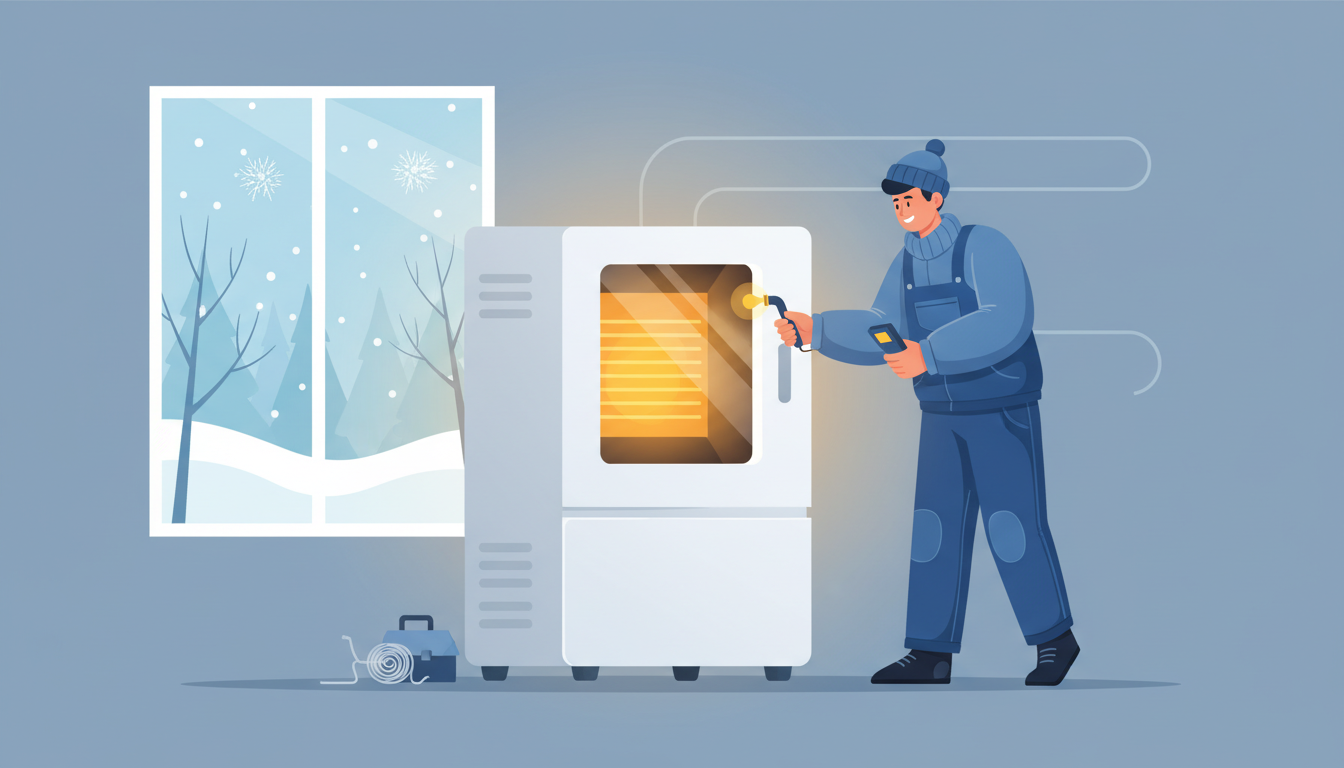
Why Do Furnace Repair Problems Spike at the Start of Winter?
It's the first truly cold night of the season. You turn up the thermostat, expecting your home to warm up quickly—but instead, your furnace makes strange noises, blows cold air, or won't turn on at all. Sound familiar? You're not alone. Furnace repair problems spike dramatically at the start of winter, leaving countless homeowners scrambling for emergency HVAC service just when technicians are busiest and temperatures drop the lowest.
Understanding why this seasonal surge happens can help you avoid becoming another statistic. More importantly, knowing what causes furnace problems at the start of winter can save you hundreds of dollars in emergency repair costs and keep your family comfortable when you need heat the most.
The Perfect Storm: Why Furnaces Fail When Winter Begins
Your Furnace Has Been Sitting Idle for Months
Think about what happens when you leave your car parked for several months without starting it. The battery might die, fluids settle, and parts that need lubrication can stick or corrode. Your furnace experiences similar issues after sitting dormant through spring and summer.
During those warm months:
- Dust and debris accumulate on critical components
- Lubricants in motors and bearings can thicken or dry out
- Electrical connections may corrode from humidity
- Pilot lights or igniters may malfunction from disuse
- Air filters collect months of dust, restricting airflow
When you fire up your heating system on that first cold day, all these dormant issues suddenly matter. Components that worked fine last winter may have degraded during the idle period, leading to immediate failure when put under stress.
The First Cold Snap Creates Maximum Stress
That first cold night is usually the culprit for furnace breakdown at the start of winter. After sitting unused, your furnace suddenly needs to work at full capacity to bring your home from 60-65°F up to a comfortable 68-72°F.
This creates several stress factors:
- Longer run times: Your furnace runs continuously for hours instead of cycling on and off
- Higher temperature differentials: Heating cold air requires more energy than maintaining warm air
- Component strain: Motors, igniters, and heat exchangers face maximum workload
- Electrical load: Circuits and connections handle peak amperage they haven't seen in months
Components with minor wear or damage often survive light usage but fail under this heavy initial demand. It's like asking an out-of-shape athlete to run a marathon—the stress reveals every weakness.
Hidden Problems Become Obvious Under Load
Many furnace issues develop gradually over time but don't affect performance noticeably until your system works harder. When freezing temperatures arrive and your heating system kicks into high gear, these hidden problems suddenly become impossible to ignore:
- Cracked heat exchangers that leak carbon monoxide only when the furnace runs hot
- Weak blower motors that can't maintain airflow during extended cycles
- Failing thermostats that misread temperatures and cycle improperly
- Dirty burners that struggle to maintain consistent flame
- Worn belts that slip or break under continuous operation
During mild weather, these issues might cause minor inefficiencies. But when your furnace needs to run continuously on a 20°F night, they escalate into complete system failures.
The 7 Most Common Furnace Problems at Winter's Start
Understanding specific issues that plague furnaces at the beginning of winter helps you recognize warning signs early. Here are the problems HVAC technicians see most often during the first cold snap.
1. Dirty or Completely Clogged Air Filters
Air filters are the number one cause of furnace problems in winter, yet they're the easiest to prevent. After months of accumulating dust, pet dander, and airborne particles, your filter becomes a dense barrier that:
- Restricts airflow through your heating system
- Forces your blower motor to work harder
- Causes overheating and automatic shutdowns
- Reduces heating efficiency by up to 15%
- Shortens the lifespan of expensive components
Many homeowners forget to change filters during the cooling season, meaning their furnace starts winter with a filter that's been neglected for 6-8 months. Check your air filter before the first freeze and replace it if it looks dirty or clogged.
For optimal performance, replace standard 1-inch filters every 30-45 days during heating season. Thicker 4-5 inch filters can last 6-12 months but still need pre-winter inspection.
2. Pilot Light and Ignition System Failures
Modern furnaces use electronic igniters, while older systems rely on standing pilot lights. Both can fail after months of inactivity, and these failures typically occur during the first heating attempt.
Common ignition problems include:
- Dirty flame sensors that prevent the burner from staying lit
- Failed igniter elements that no longer produce enough heat
- Gas supply issues from closed valves or pressure problems
- Thermocouple failures in older pilot light systems
- Control board malfunctions that prevent ignition sequences
If your furnace won't ignite, you might hear the blower running but get no heat. You might see repeated clicking sounds as the system tries unsuccessfully to light. Or the pilot light might ignite briefly, then shut off within seconds.
These issues require professional diagnosis. Never attempt to bypass safety controls or force ignition—modern furnaces have these protections for good reason.
3. Thermostat Malfunctions and Communication Errors
Your thermostat is the brain of your heating system. After months without use, thermostats can develop problems that prevent proper furnace operation:
- Dead batteries in wireless or programmable models
- Dust buildup on temperature sensors causing inaccurate readings
- Loose wiring from thermal expansion and contraction
- Software glitches in smart thermostats requiring resets
- Incorrect calibration causing temperature mismatches
You might notice your furnace short cycling (turning on and off rapidly), not reaching the set temperature, or not turning on at all. Smart thermostats often display error codes that help diagnose communication problems between the thermostat and furnace.
Before calling for furnace repair, try these quick fixes:
- Replace thermostat batteries
- Clean the thermostat face with a soft cloth
- Verify the thermostat is set to "Heat" mode
- Check that your temperature setting is above current room temperature
- Restart smart thermostats by removing them from the wall plate for 30 seconds
If these steps don't resolve the issue, your thermostat may need professional recalibration or replacement. You can learn more about troubleshooting furnace start and shut-off issues to identify whether your thermostat or furnace is the culprit.
4. Blower Motor and Fan Problems
The blower motor circulates heated air throughout your home. After sitting idle, blower motors often struggle to start or run efficiently, especially on that first cold day when your furnace runs continuously.
Warning signs of blower motor problems:
- Furnace produces heat but doesn't blow air
- Weak airflow from vents
- Loud squealing, grinding, or rattling noises
- Burning smell from overheating motor
- Frequent system shutdowns
Blower motor bearings can seize after months without use. Capacitors that help motors start can weaken or fail. Belts connecting the motor to the fan can crack, fray, or break. Electrical connections can corrode.
When your furnace demands continuous operation during early winter cold, these weakened components fail rapidly. Motors that could barely start during pre-season testing completely fail during the first major heating demand.
5. Cracked or Damaged Heat Exchangers
This is the most serious furnace problem that appears at winter's start—and potentially the most dangerous. The heat exchanger separates combustion gases from the air circulating through your home. When it cracks or develops holes:
- Carbon monoxide can leak into your living space
- Heating efficiency drops significantly
- You may smell unusual odors when the furnace runs
- Visible soot may appear around vents or registers
Heat exchangers crack from:
- Thermal stress from repeated heating and cooling cycles
- Age-related metal fatigue (most common in 15+ year old furnaces)
- Corrosion from moisture or combustion byproducts
- Overheating caused by restricted airflow from dirty filters
Cracks often appear or worsen during that first intensive use of winter when the heat exchanger expands and contracts under maximum temperature differentials. Tiny cracks that existed but didn't leak during occasional use in late fall become dangerous gaps during continuous winter operation.
If you smell exhaust fumes, see soot, or your carbon monoxide detector alerts, shut off your furnace immediately and call for emergency service. Heat exchanger cracks typically require complete furnace replacement, as the heat exchanger is often the most expensive component.
6. Frozen or Blocked Outdoor Vents and Exhaust Pipes
High-efficiency furnaces vent combustion gases through PVC pipes that exit through exterior walls. During early winter, these vents can become blocked by:
- Leaves and debris from fall accumulation
- Ice buildup from condensation
- Snow covering the vent opening
- Bird nests or insect activity during warm months
- Ice dams from roof runoff
Blocked vents trigger safety shutdowns to prevent dangerous exhaust gases from backing up into your home. Your furnace might start normally but shut down within minutes. You might hear unusual whooshing sounds or see excessive condensation around the vent pipes.
Check all exterior vents before the first freeze. Clear away any debris, vegetation, or obstructions within 12 inches of vent openings. After heavy snow, make sure vents aren't buried or blocked by drifts.
For detailed guidance on maintaining all aspects of your heating system, check out our comprehensive furnace repair guide.
7. Ductwork Leaks and Insulation Problems
Your ductwork may have developed leaks, separations, or insulation damage during the off-season. These problems don't affect cooling as noticeably but become obvious when heating:
- Warm air escapes into attics, crawl spaces, or wall cavities
- Uneven heating between rooms
- Significantly higher energy bills
- Excessive dust throughout your home
- Furnace runs constantly but can't reach set temperature
Temperature differentials between heated air (120-140°F) and winter outdoor temperatures create more noticeable energy loss through duct leaks than summer cooling. Poor insulation in unconditioned spaces means your furnace works overtime to compensate for lost heat.
Studies show that typical duct systems lose 20-40% of heated air through leaks and poor connections. That means your furnace might need to produce 40% more heat just to overcome these losses—leading to excessive wear and earlier-than-expected failure.
Why HVAC Technicians Are Overwhelmed in Early Winter
Beyond the mechanical reasons furnaces fail at winter's start, there's a practical problem that makes everything worse: Everyone needs HVAC service at exactly the same time.
When the first hard freeze hits, service calls spike dramatically:
- Wait times for non-emergency service can stretch to 3-5 days
- Emergency service costs 50-100% more than scheduled maintenance
- Parts may be on backorder due to sudden demand
- Less experienced technicians may handle complex repairs
- Diagnostic time increases as techs rush between calls
This creates a costly cycle. Homeowners who skip pre-winter maintenance end up paying premium emergency rates when their furnace fails during the coldest weather. Meanwhile, those who scheduled fall tune-ups have their systems running smoothly while others wait for help.
Our detailed HVAC repair guide explains how preventive maintenance helps you avoid this expensive emergency service trap.
The Real Cost of Emergency Winter Furnace Repairs
Understanding the financial impact of winter furnace failure helps motivate preventive action:
Average emergency furnace repair costs (during peak winter demand):
- After-hours service call: $150-$300
- Weekend/holiday premium: Additional $100-$200
- Common repairs (igniter, flame sensor, blower motor): $200-$800
- Major repairs (heat exchanger, control board): $800-$2,500
- Complete system replacement: $3,500-$7,500
Compare that to preventive maintenance:
- Pre-season furnace tune-up: $80-$150
- Air filter replacement: $10-$30
- Thermostat batteries: $5-$10
A $100 maintenance appointment before winter can prevent a $500+ emergency repair during the coldest week of the year. Plus, you avoid the discomfort of waiting days for service while your family bundles up indoors.
Many HVAC companies offer maintenance plans that include priority service, discounted repairs, and guaranteed response times—benefits that prove invaluable when winter problems strike.
Age Matters: Why Older Furnaces Are More Vulnerable
Furnaces older than 15 years are significantly more likely to fail at the start of winter. As heating systems age:
- Metal components develop stress fractures
- Electrical connections corrode
- Efficiency drops by 20-30%
- Replacement parts become harder to find
- Safety features may not meet current codes
If your furnace is approaching or past its expected 15-20 year lifespan, that first cold snap may be its last. The stress of sudden, intensive use after months of dormancy often pushes aged systems past their breaking point.
Warning signs your aging furnace might not survive another winter:
- Repair costs in the past 2 years exceed $500
- Your furnace is more than 15 years old
- Energy bills have increased despite similar usage
- Uneven heating or frequent cycling
- Visible rust, corrosion, or damage to cabinet
- Yellow or flickering pilot light (should be blue)
- Excessive dust or indoor air quality problems
If you're experiencing multiple warning signs, consider replacing your furnace before winter rather than risking mid-season failure. Installing a new system in fall typically costs less than emergency installation during peak winter demand.
How to Prevent Furnace Failure at the Start of Winter
The good news? Most early winter furnace failures are completely preventable. Here's your action plan for avoiding problems before the first freeze:
Schedule Professional Maintenance in Early Fall
Book your furnace tune-up in September or October, before technicians get overwhelmed with emergency calls. A complete maintenance visit should include:
- Complete system inspection and testing
- Air filter replacement
- Burner cleaning and adjustment
- Ignition system testing
- Blower motor lubrication
- Thermostat calibration
- Ductwork inspection
- Safety control testing
- Carbon monoxide detector check
- Efficiency testing and adjustment
Professional technicians catch minor issues before they become expensive failures. That squealing bearing gets lubricated instead of seizing completely. That slightly dirty flame sensor gets cleaned instead of causing ignition failure at midnight on the coldest night.
Test Your System Before You Need It
Don't wait for the first freeze to discover your furnace doesn't work. In mid-October (before heating season starts), set your thermostat to heat mode and raise the temperature 5 degrees above current room temperature.
Listen and watch for:
- System starts within 1-2 minutes
- No unusual noises (grinding, squealing, banging)
- All vents blow warm air within 5 minutes
- No strange odors (burning dust is normal on first use)
- Thermostat accurately reads room temperature
- System cycles off when reaching set temperature
If anything seems wrong, you have time to schedule non-emergency service before winter arrives.
Replace Your Air Filter
This simple $15 task prevents thousands of dollars in damage. Replace your air filter in October, then check it monthly throughout winter. Standard 1-inch filters should be replaced every 30-45 days during heating season.
Can't remember when you last changed it? If you can't see light through the filter when held up to a bright light, it's too dirty.
Clear Outdoor Vents and Intake Areas
Walk around your home and locate all HVAC vents, intakes, and exhaust pipes. Remove:
- Leaves, sticks, and debris within 2 feet
- Vegetation growing near vents
- Any obstructions blocking airflow
- Spider webs and insect nests
Mark vent locations so you can easily find and clear them after the first snowfall.
Check and Replace Thermostat Batteries
Even hardwired thermostats often have backup batteries. Weak batteries cause communication errors and erratic behavior. Replace batteries every fall as part of your winter preparation routine.
Install or Test Carbon Monoxide Detectors
Carbon monoxide detectors save lives. Install CO detectors on every level of your home, especially near bedrooms. Test them monthly and replace batteries twice yearly (when you change smoke detector batteries).
Replace CO detectors every 5-7 years, as sensors lose sensitivity over time. If your detector is more than 7 years old, replace it before winter.
What to Do When Your Furnace Fails in Winter
Despite your best efforts, furnaces sometimes fail. Here's how to respond:
Immediate Safety Steps
- If you smell gas or carbon monoxide detector alerts: Evacuate immediately, call 911, and contact your gas company
- If you smell burning electrical odors: Turn off your furnace at the circuit breaker
- If you see flames, sparks, or smoke: Shut off power and gas, evacuate, and call 911
Quick Troubleshooting Before Calling for Service
These simple checks might solve your problem:
- Verify thermostat is set to "Heat" and temperature is above current reading
- Replace thermostat batteries
- Check your circuit breaker panel for tripped breakers
- Verify your furnace power switch (looks like a light switch near the unit) is ON
- Replace your air filter if it's visibly dirty
- Check outdoor vents for blockages
When to Call for Emergency Service
Call immediately if:
- Your home temperature drops below 55°F (risk of frozen pipes)
- You have young children, elderly family members, or health conditions requiring heat
- You've tried basic troubleshooting without success
- You notice any safety concerns (gas smell, CO detector, unusual noises)
While Waiting for Repairs
- Close off unused rooms to conserve heat
- Use window coverings to reduce heat loss
- Run ceiling fans in reverse (clockwise) to push warm air down
- Seal gaps under doors with towels
- Use space heaters safely (never leave unattended, keep away from flammables)
- Let faucets drip slightly to prevent frozen pipes if temperature drops below freezing
Frequently Asked Questions About Winter Furnace Problems
Why does my furnace only break at the worst possible time?
It's not just bad luck—it's physics. Your furnace is most likely to fail when it's working hardest. That first sustained cold snap creates maximum stress on every component, revealing weaknesses that don't appear during mild weather or occasional use. Plus, everyone's furnace faces this stress simultaneously, creating the perception that failures always happen at the worst time.
Can I prevent all furnace problems with just a filter change?
Air filter replacement prevents many common problems but not all. While dirty filters cause 70% of HVAC service calls, other issues like ignition system failures, heat exchanger cracks, and electrical problems require professional maintenance to prevent. Think of filter changes as essential basic care, but not a substitute for comprehensive tune-ups.
How much does a pre-winter furnace inspection cost?
Most HVAC companies charge $80-$150 for a complete furnace tune-up and safety inspection. Many offer discounts if you schedule in early fall before the rush. Some companies provide annual maintenance plans ($150-$300) that include fall and spring service, priority scheduling, and repair discounts—often saving money if you need any repairs during the year.
Should I repair or replace an old furnace that fails in winter?
Use the 50% rule: If repair costs exceed 50% of replacement cost AND your furnace is more than 15 years old, replacement usually makes better financial sense. A $1,500 repair on a 17-year-old furnace means you might face another expensive repair next year—plus you're missing out on 20-30% energy savings from modern high-efficiency systems. Calculate the total 5-year cost of keeping versus replacing.
Do high-efficiency furnaces have fewer winter startup problems?
Modern high-efficiency furnaces (90%+ AFUE) typically have better reliability but aren't immune to early-winter failures. Their electronic controls and sensors are more sophisticated, which can mean more potential failure points. However, they usually include better diagnostics that help technicians identify problems faster. The key advantage is that most high-efficiency furnaces are relatively new, avoiding the age-related failures common in older systems.
Stay Warm and Prepared This Winter
Furnace repair problems spike at the start of winter because of a perfect storm of factors: months of inactivity, maximum stress from the first cold snap, hidden issues revealed under load, and simultaneous demand overwhelming HVAC services. But you don't have to become another statistic.
Take action before winter arrives:
- Schedule professional maintenance in early fall
- Replace your air filter
- Test your system before you need it
- Clear outdoor vents and check thermostat batteries
- Install carbon monoxide detectors
These simple steps can save you hundreds of dollars in emergency repairs and ensure your family stays warm and safe throughout the coldest months. Don't wait until the first freeze to discover your furnace won't work—by then, you'll be competing with thousands of other homeowners for limited service appointments.
Your furnace works hard to keep you comfortable. Give it the care it needs before winter begins, and it will reliably keep you warm when you need it most.
Need help preparing your furnace for winter or dealing with heating problems? Our team of experienced HVAC technicians provides fast, reliable service to keep your home comfortable year-round. Contact us today to schedule your pre-winter furnace tune-up.