Why Does My Gas Furnace Smell Like Gas? (And What You Should Do About It)
Why Does My Gas Furnace Smell Like Gas? (And What You Should Do About It)
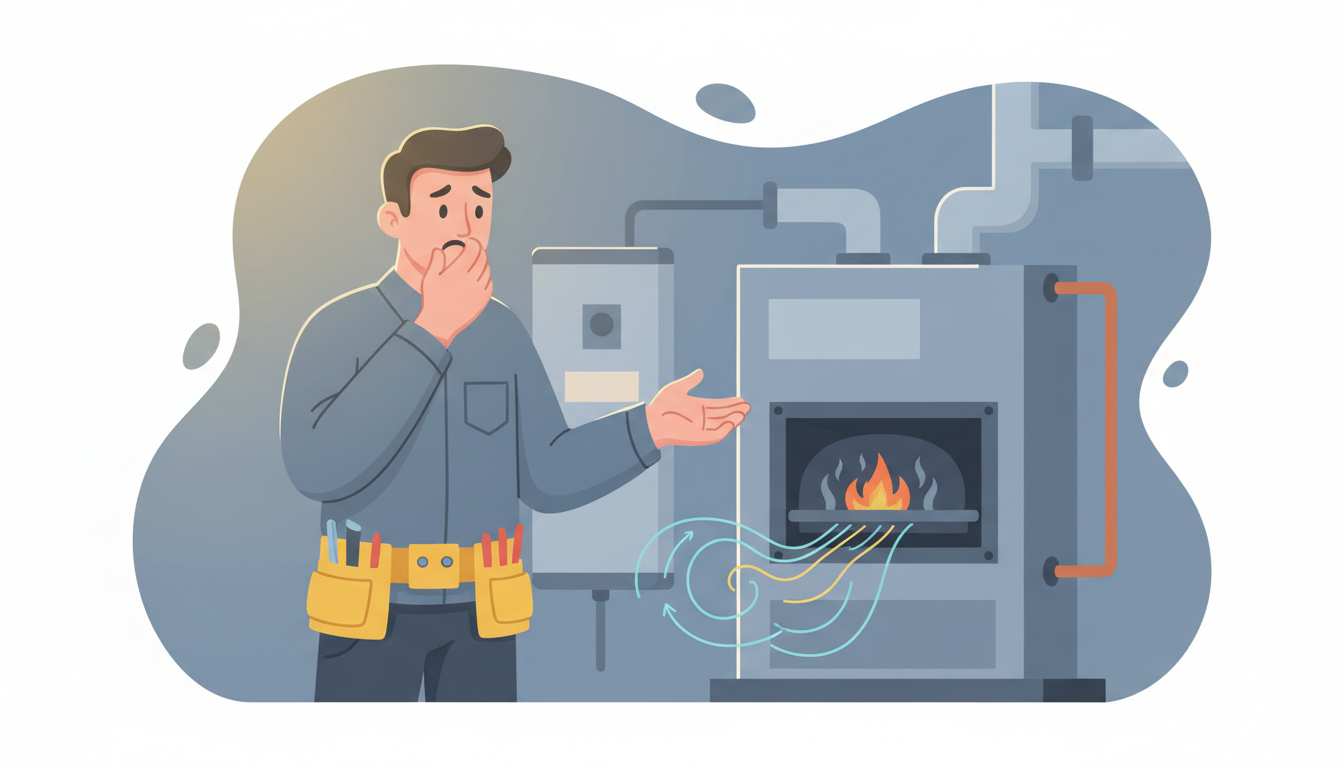
If you've noticed a gas smell from your furnace, you're right to be concerned. While some odors are completely normal, others can signal a serious safety hazard that requires immediate attention. In this guide, we'll walk you through everything you need to know about gas furnace smells—what's normal, what's dangerous, and exactly what steps to take to keep your family safe.
Understanding Gas Furnace Odors: When to Worry and When to Relax
Not all gas furnace smells are created equal. The key is knowing the difference between harmless odors and those that demand urgent action.
What Does Natural Gas Actually Smell Like?
Natural gas is naturally odorless, but utility companies add a chemical called mercaptan to give it that distinctive "rotten egg" or sulfur smell. This safety feature helps you detect gas leaks before they become dangerous. If you smell this strong, unpleasant odor near your furnace, take it seriously.
Is It Normal to Smell Gas When Your Furnace Starts?
Here's the short answer: a brief, faint gas smell when your furnace first kicks on can be normal—but only if it disappears within a few seconds. When the burners ignite, you might catch a whiff of gas that quickly dissipates. However, if the smell lingers for more than 30 seconds, gets stronger, or returns every time your furnace cycles on, you've got a problem that needs professional attention.
7 Common Reasons Your Gas Furnace Smells Like Gas
Let's break down the most common causes of gas odors from your furnace, from harmless to hazardous.
1. Dust Burning Off (Harmless)
If you're firing up your furnace for the first time after months of sitting idle, that burning smell probably isn't gas at all—it's dust. Over the summer, dust accumulates on the heat exchanger, burners, and throughout your ductwork. When your furnace heats up, this dust burns off, creating a distinctive odor.
What it smells like: Burning dust has a musty, slightly acrid smell—different from the sulfur odor of natural gas.
What to do: Open windows for ventilation and let your furnace run for 15-30 minutes. The smell should disappear. If it persists beyond an hour, call an HVAC technician.
2. Normal Start-Up Emissions
Gas furnaces release small amounts of combustion gases when they first ignite. If you're standing right next to your furnace when it kicks on, you might detect a brief gas odor.
What it smells like: A faint, fleeting gas smell that disappears in seconds.
What to do: This is normal. As long as the smell doesn't linger or intensify, you're fine. However, if you notice this smell in your living spaces (not just in the furnace room), that's a red flag.
3. Delayed Ignition
When gas builds up in the combustion chamber before igniting, it causes a small "poof" when the burners finally light. This delayed ignition can release a burst of gas odor and indicates your furnace isn't operating efficiently.
What it smells like: A sudden gas smell accompanied by a louder-than-normal ignition sound.
What to do: Schedule a professional inspection. Delayed ignition can damage your furnace over time and poses a safety risk. A qualified HVAC repair technician can clean the burners and adjust the gas-air mixture.
4. Cracked or Damaged Heat Exchanger
This is one of the most serious problems you can have with your gas furnace. The heat exchanger separates combustion gases from the air that circulates through your home. When it cracks, those gases—including carbon monoxide—can leak into your living space.
What it smells like: A persistent gas odor, possibly accompanied by other warning signs like soot buildup, visible corrosion, or frequent pilot light outages.
What to do: If you suspect a cracked heat exchanger, turn off your furnace immediately and call a professional. Heat exchangers typically crack due to age (they last 15-20 years), poor maintenance, or oversized furnaces that cycle on and off too frequently. Replacement is usually necessary, which can cost $1,500-$3,500 depending on your furnace model.
5. Gas Line Leaks or Loose Connections
Leaks can occur anywhere along the gas supply line—from the main line to the furnace valve, at connection points, or within the furnace itself. Even a tiny leak can fill your home with gas fumes and create an explosion risk.
What it smells like: A strong, persistent rotten egg smell that doesn't go away. The odor may be strongest near the gas line or furnace.
What to do: This is an emergency. Follow the safety protocol outlined below under "What to Do If Your Furnace Smells Like Gas."
6. Back-Drafting from the Exhaust System
Your furnace's exhaust system should vent combustion gases outside your home. When back-drafting occurs, these gases flow back into your house instead. This happens when your exhaust vent is blocked, damaged, or improperly installed.
What it smells like: A persistent gas or exhaust odor, often worse on windy days or when other exhaust fans are running.
What to do: Back-drafting is dangerous because it can introduce carbon monoxide into your home. Check your exhaust vent for obstructions (bird nests, debris, ice buildup in winter). If you can't identify the problem, call an HVAC professional immediately.
7. Pilot Light or Ignition Problems
Older furnaces with standing pilot lights can develop issues where the pilot won't stay lit or burns improperly. Newer electronic ignition systems can also malfunction, causing incomplete combustion and gas odors.
What it smells like: A faint gas smell that comes and goes, possibly with a pilot light that keeps going out.
What to do: Check your pilot light. It should burn steady and blue. A yellow or flickering flame indicates a problem. You can try relighting it according to your furnace's instructions, but if it won't stay lit or continues to smell like gas, call a professional.
What to Do If Your Furnace Smells Like Gas: Step-by-Step Safety Protocol
When you detect a gas smell from your furnace, follow these steps immediately:
Step 1: Don't Panic, But Act Quickly
Stay calm and move efficiently. Your actions in the next few minutes matter.
Step 2: Shut Off Your Furnace
Locate your furnace's emergency shutoff switch (usually a red switch near the unit) and turn it off. If you can safely access your gas meter, turn off the gas supply at the main valve.
Step 3: Avoid Creating Sparks
Do NOT:
- Turn lights on or off
- Use your phone inside the house
- Light matches or lighters
- Operate any electrical switches or appliances
- Use your garage door opener
Any spark could ignite accumulated gas and cause an explosion.
Step 4: Open Windows and Doors
If you can do so safely without creating sparks, open windows and doors to ventilate your home.
Step 5: Evacuate Everyone
Get everyone—including pets—out of the house immediately. Don't wait to gather belongings.
Step 6: Call for Help from a Safe Location
Once you're outside and away from the house:
- Call your gas company's emergency line (the number is on your bill)
- Call 911 if you can't reach the gas company immediately
- Contact a licensed HVAC technician for inspection and repairs
Step 7: Don't Return Until It's Safe
Wait for the gas company or emergency responders to give you the all-clear before re-entering your home.
The Hidden Danger: Carbon Monoxide Poisoning
When your gas furnace malfunctions, the risk isn't just explosion—it's carbon monoxide (CO) poisoning. This odorless, colorless gas kills more than 400 Americans each year and sends thousands to emergency rooms.
Symptoms of Carbon Monoxide Exposure
Watch for these warning signs:
- Headaches
- Dizziness or lightheadedness
- Nausea and vomiting
- Confusion or difficulty concentrating
- Shortness of breath
- Chest pain
- Flu-like symptoms that improve when you leave the house
If you experience these symptoms when your furnace is running, get outside immediately and seek medical attention.
Install CO Detectors
Every home with a gas furnace needs carbon monoxide detectors on every floor, especially near bedrooms. Test them monthly and replace batteries twice a year. Replace the entire unit every 5-7 years as sensors lose effectiveness over time.
How to Prevent Gas Furnace Smells: Maintenance That Matters
Most gas furnace problems—and the scary smells that come with them—are completely preventable with proper maintenance.
Schedule Annual Professional Inspections
Before heating season starts (ideally in early fall), have a certified HVAC technician inspect your furnace. They'll:
- Clean burners and the combustion chamber
- Inspect the heat exchanger for cracks
- Check gas line connections for leaks
- Test the ignition system
- Examine the exhaust vent
- Verify proper airflow and combustion efficiency
- Test safety controls
This annual service typically costs $80-$150 and can prevent expensive repairs down the road.
Change Your Air Filter Regularly
A dirty air filter restricts airflow, forcing your furnace to work harder and potentially overheat. Check your filter monthly during heating season and replace it every 1-3 months depending on usage, pets, and allergies.
Keep Vents and Returns Clear
Don't block supply vents or return air grills with furniture, curtains, or storage items. Your furnace needs proper airflow to operate safely and efficiently.
Clean Around Your Furnace
Keep the area around your furnace clean and clutter-free. Dust accumulation can affect performance and create burning smells when your furnace runs.
Listen to Your Furnace
Strange noises—banging, rattling, screeching—often indicate problems before you smell anything wrong. Don't ignore unusual sounds. They're your furnace's way of calling for help.
When to Call a Professional vs. DIY Troubleshooting
Some furnace issues you can handle yourself, but gas-related problems should always involve a professional.
Safe to DIY:
- Changing air filters
- Checking thermostat settings
- Ensuring vents aren't blocked
- Relighting a pilot light (if you're comfortable and have done it before)
Always Call a Pro:
- Any persistent gas smell
- Suspected gas leaks
- Heat exchanger inspection or replacement
- Gas line repairs
- Complex ignition problems
- Back-drafting issues
- Carbon monoxide concerns
Attempting DIY repairs on gas systems isn't just dangerous—it can void warranties and violate local building codes.
How Much Does Furnace Repair Cost?
Understanding potential costs helps you make informed decisions:
- Annual maintenance: $80-$150
- Thermocouple replacement: $150-$250
- Gas valve replacement: $300-$600
- Burner cleaning/adjustment: $100-$300
- Heat exchanger replacement: $1,500-$3,500
- Full furnace replacement: $2,500-$7,500
If your furnace is over 15 years old and needs major repairs, replacement often makes more financial sense than expensive repairs.
Frequently Asked Questions
How long should a gas smell last when the furnace starts?
A faint gas smell should disappear within 30 seconds of your furnace starting. If it lingers longer, strengthens, or occurs every cycle, call an HVAC technician immediately.
Is it normal to smell gas near my furnace?
A very brief, faint odor during startup can be normal, but you should never smell gas continuously or in other parts of your house. Strong or persistent gas smells always indicate a problem.
Can a gas furnace explode?
While rare, gas furnace explosions can occur if gas accumulates and finds an ignition source. This is why immediate evacuation and professional help are critical when you smell gas.
Why does my furnace smell like gas when it's not running?
If you smell gas when your furnace is off, you likely have a gas leak—either in the supply line, at a connection point, or at the gas valve. This is an emergency requiring immediate professional attention.
Will a carbon monoxide detector detect a gas leak?
No. Carbon monoxide detectors only detect CO, not natural gas. For gas leak detection, you need a combustible gas detector or your nose (natural gas is treated to smell like rotten eggs).
Don't Take Chances With Gas Furnace Smells
When it comes to gas furnace odors, it's always better to be safe than sorry. While some smells are harmless, others can indicate life-threatening problems like gas leaks or carbon monoxide exposure.
If you ever doubt whether a smell is normal, trust your instincts and call a professional. The cost of an inspection is minimal compared to the risks of ignoring a serious problem.
Regular maintenance, working carbon monoxide detectors, and knowing how to respond to gas smells are your best defenses against furnace-related emergencies. Stay safe, and don't hesitate to reach out to a qualified HVAC technician whenever something doesn't smell right—literally.
Need immediate help with a gas furnace problem? Contact a licensed HVAC professional in your area today. Your safety is worth the call.