What a Good HVAC Diagnostic Process Looks Like: A Homeowner's Guide
What a Good HVAC Diagnostic Process Looks Like: A Homeowner's Guide
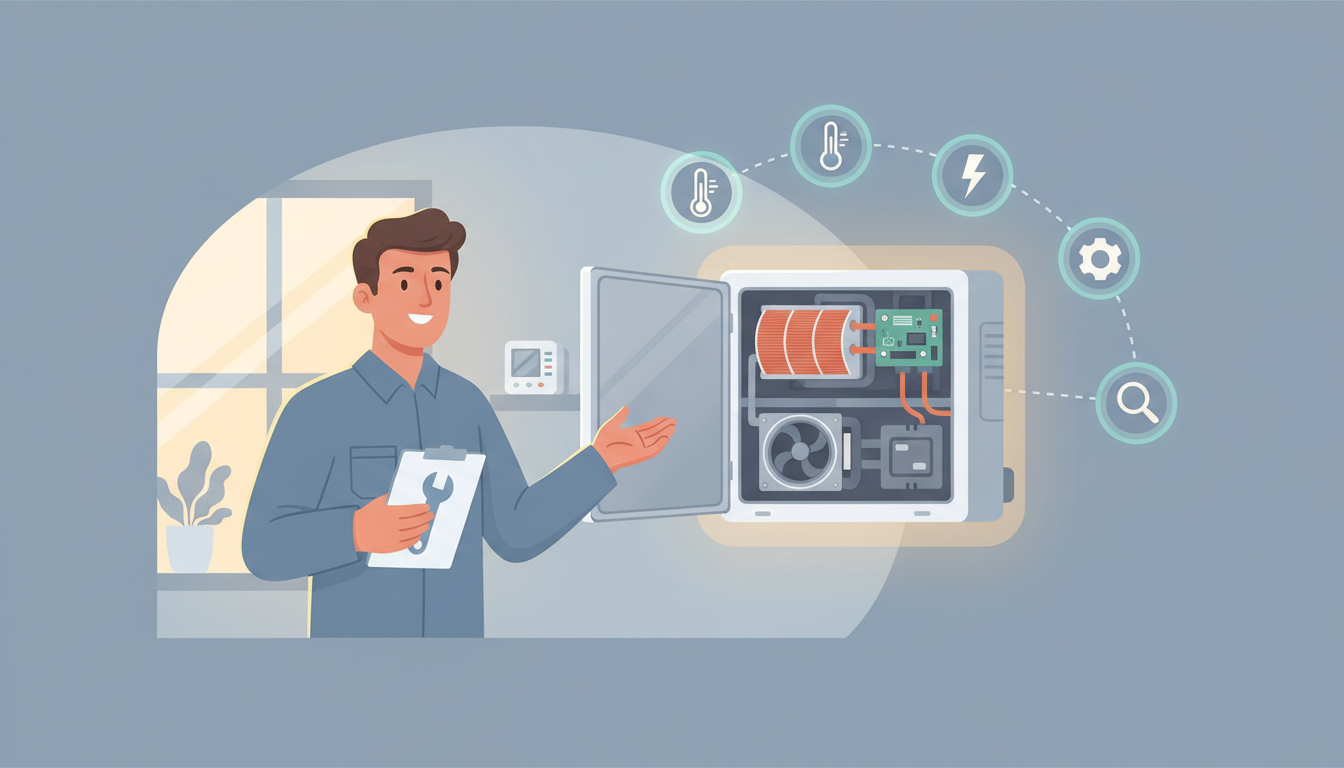
When your heating or cooling system isn't working right, you need answers fast. But before any reputable HVAC technician starts making repairs, they should perform a thorough diagnostic process. Understanding what a good HVAC diagnostic process looks like helps you recognize quality service and avoid rushed, incomplete assessments that lead to misdiagnosed problems and wasted money.
A professional HVAC diagnostic is far more than a quick glance at your system. It's a systematic evaluation that identifies the root cause of problems, not just the symptoms. Let's explore exactly what you should expect when a skilled technician diagnoses your heating and cooling system.
Why a Proper HVAC Diagnostic Process Matters
You wouldn't want a doctor to prescribe medication without examining you first, right? The same principle applies to your HVAC system. A comprehensive diagnostic process ensures technicians identify the actual problem rather than guessing or replacing parts until something works.
A rushed diagnostic often leads to:
- Unnecessary part replacements that don't fix the real issue
- Higher repair costs from trial-and-error approaches
- Recurring problems because the root cause wasn't addressed
- Shortened system lifespan from undetected underlying issues
When you understand the proper HVAC repair process, you can better evaluate whether your technician is providing thorough service or cutting corners.
The Initial Assessment: Where Good Diagnostics Begin
A quality HVAC diagnostic process starts before the technician even touches your equipment. Here's what should happen during the initial assessment:
Customer Interview and Problem Documentation
Your technician should ask detailed questions about:
- When you first noticed the problem
- What specific symptoms you're experiencing (strange noises, odors, temperature issues)
- Whether the problem is constant or intermittent
- Any recent changes to your home or system
- Your system's maintenance history
This conversation isn't small talk—it provides critical clues that guide the diagnostic process. A technician who jumps straight to your equipment without asking questions is likely skipping important context.
Visual Inspection: Reading the System's Story
Before pulling out diagnostic tools, experienced technicians conduct a thorough visual inspection of both indoor and outdoor components. They're looking for obvious issues that might explain your problem:
Indoor Unit Inspection:
- Air filter condition (a clogged filter causes numerous problems)
- Signs of water leaks or moisture damage
- Condition of the evaporator coil
- Blower assembly and motor condition
- Wiring and electrical connection appearance
- Thermostat functionality and settings
Outdoor Unit Inspection:
- Condenser coil cleanliness and damage
- Fan motor operation
- Compressor condition
- Refrigerant line insulation
- Electrical disconnect and wiring
- Unit levelness and mounting stability
- Debris or vegetation blocking airflow
This visual assessment typically takes 10-15 minutes and often reveals issues that testing equipment would miss.
The Core Diagnostic Tests: Getting to the Root Cause
After the initial assessment, a professional HVAC diagnostic process moves into detailed testing. Each test serves a specific purpose in understanding your system's performance.
Thermostat Testing and Calibration
Your thermostat is your HVAC system's command center. Technicians should verify:
- Accurate temperature reading (comparing to a reference thermometer)
- Proper communication with the HVAC system
- Correct wiring connections
- Battery condition (if applicable)
- Programming settings and schedules
A miscalibrated thermostat can make a perfectly good system seem broken, which is why this test comes early in the diagnostic process.
Electrical System Diagnostics
Most HVAC problems have electrical components. A thorough electrical diagnostic includes:
Voltage Testing:
- Incoming power supply verification
- Voltage at the compressor
- Voltage at the blower motor
- Control board voltage outputs
Amp Draw Measurements:
- Compressor amperage (compared to nameplate specifications)
- Condenser fan motor current
- Blower motor current
Capacitor Testing:
- Capacitance measurement in microfarads
- Comparison to rated capacitance
- Signs of bulging or leaking
Electrical issues cause approximately 85% of HVAC failures, making this testing crucial. When you choose an HVAC repair company you can trust, they'll have the proper equipment to conduct these electrical tests accurately.
Airflow Measurement and Static Pressure Testing
Your HVAC system can't heat or cool effectively without proper airflow. Professional diagnostics measure:
Static Pressure:
- Supply plenum pressure
- Return plenum pressure
- Total external static pressure
- Comparison to manufacturer specifications
CFM (Cubic Feet per Minute) Calculation:
- Actual airflow versus required airflow
- Airflow at each register
- Overall system air movement
High static pressure indicates restrictions in your ductwork, dirty coils, or incorrect fan speed. Low airflow causes reduced comfort and efficiency, regardless of other system components.
Refrigerant System Diagnostics
For air conditioning and heat pump systems, refrigerant diagnostics are essential. A complete refrigerant diagnostic includes:
Pressure Measurements:
- Suction line pressure (low side)
- Liquid line pressure (high side)
- Comparison to manufacturer's specifications for current conditions
Temperature Measurements:
- Superheat calculation (suction line temperature minus saturation temperature)
- Subcooling calculation (saturation temperature minus liquid line temperature)
- Supply and return air temperature difference
Leak Detection:
- Electronic leak detector scan of all connections
- Visual inspection for oil residue
- UV dye inspection (if previously added)
Proper superheat and subcooling measurements require accounting for outdoor temperature and humidity conditions. A technician using a simple pressure gauge without temperature measurements isn't conducting a thorough diagnostic.
Advanced Diagnostic Procedures
Beyond the core tests, comprehensive HVAC diagnostics may include additional assessments depending on your system and symptoms.
Ductwork Inspection and Testing
Your ductwork distributes conditioned air throughout your home. Quality diagnostics should evaluate:
- Visible duct sections for damage or disconnection
- Insulation condition and adequacy
- Signs of air leakage at joints and connections
- Proper duct sizing for your system capacity
- Register placement and damper settings
Duct leakage can waste 20-30% of your system's output, making this inspection valuable even if it's not the source of your current problem.
Condensate Drain System Check
Air conditioning systems produce condensation that must drain properly. Technicians should verify:
- Condensate pan condition (no cracks or rust)
- Drain line flow and cleanliness
- Proper drain line slope
- Float switch operation (if equipped)
- Signs of biological growth or blockages
A clogged condensate drain causes water damage and system shutdowns, but it's often overlooked in rushed diagnostics.
Control Sequence Verification
Modern HVAC systems have complex control sequences. A thorough diagnostic includes watching your system through complete cycles:
- Proper startup sequence timing
- Safety control operation
- Defrost cycle operation (heat pumps)
- Thermostat call response
- Shutdown sequence
Understanding what your technician checks when HVAC controls fail helps you appreciate this aspect of the diagnostic process.
Indoor Air Quality Assessment
While not always part of a basic diagnostic, quality technicians often include:
- Carbon monoxide testing (for fuel-burning equipment)
- Humidity level measurement
- Air filter efficiency evaluation
- Vent and flue inspection (furnaces)
These assessments protect your health and identify issues beyond just comfort.
The Diagnostic Report: Understanding Your System's Condition
After completing all tests, a professional technician should provide a clear diagnostic report. Here's what quality documentation includes:
Problem Identification
A specific description of the issue, not vague statements like "needs Freon" or "old system." You should receive:
- Exact component or system failure identified
- Root cause explanation (why it failed)
- How the problem affects your system's operation
- Urgency level (immediate need vs. can wait)
Supporting Test Data
Professional diagnostic reports include actual measurements:
- Voltage and amperage readings
- Refrigerant pressures and calculated superheat/subcooling
- Static pressure measurements
- Temperature differentials
- Any readings outside normal ranges
This data proves the diagnosis and allows other technicians to verify the findings if needed.
Repair Recommendations with Options
You should receive:
- Specific parts or services needed
- Estimated costs for recommended repairs
- Timeline for completing work
- Consequences of delaying repairs
- Alternative options when applicable (repair vs. replace discussions)
Beware of technicians who pressure you into immediate decisions or can't explain why specific repairs are necessary.
How Long Should a Good HVAC Diagnostic Take?
Time requirements vary based on system complexity and problem severity, but general guidelines include:
- Basic diagnostic: 60-90 minutes for straightforward issues
- Comprehensive diagnostic: 90-120 minutes for complex problems or complete system evaluations
- Multi-system diagnostics: 2-3 hours for homes with multiple units or zones
A technician who diagnoses your system in 15-20 minutes is likely taking shortcuts unless the problem is immediately obvious (like a tripped breaker or disconnected wire).
Red Flags: Signs of a Poor Diagnostic Process
Watch for these warning signs that indicate inadequate diagnostics:
Skipping Essential Steps
- Not asking about symptoms or system history
- Failing to check refrigerant pressures on an AC problem
- Not testing electrical components
- Ignoring airflow measurements
- Making recommendations without supporting data
Premature Conclusions
- Diagnosing by phone before seeing the system
- Recommending major repairs after a brief glance
- Suggesting system replacement without thorough testing
- "Knowing" the problem before completing any tests
Pressure Tactics
- Insisting you decide immediately
- Creating artificial urgency for non-emergency situations
- Offering "today only" discounts if you approve work now
- Dismissing your questions or concerns
Lack of Documentation
- No written diagnostic findings
- Verbal-only repair recommendations
- Refusing to provide test measurements
- Can't explain what they tested or found
What You Can Do to Prepare for a Diagnostic
Help your technician conduct a thorough HVAC diagnostic process by:
Before the Appointment:
- Document when problems occur and what you observe
- Note any unusual sounds, smells, or performance issues
- Locate your system's maintenance records
- Ensure access to all system components (indoor and outdoor units)
- Clear the area around equipment
During the Diagnostic:
- Share all relevant information about symptoms
- Ask questions about what the technician is testing and why
- Request explanations of findings in plain language
- Take notes on recommendations and measurements
- Don't rush the technician through their process
After the Diagnostic:
- Request a copy of the diagnostic report
- Verify you understand the problem and recommendations
- Get a detailed written estimate before approving repairs
- Ask about warranty coverage on recommended work
The Value of a Comprehensive Diagnostic
While diagnostic fees typically range from $75-$200, this investment saves money by ensuring accurate problem identification. Consider that:
- Replacing the wrong part wastes $200-$500+ on unnecessary repairs
- Misdiagnosed problems often recur, requiring multiple service calls
- Undetected secondary issues can cause new failures
- Complete system replacement recommendations should be verified by thorough diagnostics
Many HVAC companies apply the diagnostic fee toward repairs if you proceed with their recommendations, making the comprehensive evaluation essentially free when you complete the work.
Frequently Asked Questions About HVAC Diagnostics
How is an HVAC diagnostic different from routine maintenance?
A diagnostic targets specific problems and investigates why your system isn't working correctly. Routine maintenance prevents problems through cleaning, adjustments, and component checks on a functioning system. Diagnostics are reactive (fixing issues), while maintenance is proactive (preventing issues).
Should I get a second opinion on diagnostic findings?
For major repair recommendations (over $500) or system replacement suggestions, a second diagnostic from another qualified company provides peace of mind. Reputable technicians welcome customers getting second opinions on significant investments.
Can I perform any HVAC diagnostics myself?
Homeowners can safely check air filters, thermostat settings, circuit breakers, and outdoor unit cleanliness. However, refrigerant testing, electrical diagnostics, and internal component inspections require professional training and equipment. Never attempt repairs involving refrigerant or electrical components without proper qualifications.
What credentials should my HVAC diagnostic technician have?
Look for technicians with:
- EPA Section 608 certification (required for refrigerant work)
- NATE (North American Technician Excellence) certification
- State or local licensing (where required)
- Manufacturer-specific training for your equipment brand
- Several years of field experience
Do newer HVAC systems need diagnostics when problems occur?
Yes. While newer systems have diagnostic codes and digital displays, proper diagnostics still require technician expertise to interpret codes, verify readings, and identify root causes. Modern systems are more complex, making professional diagnostics even more valuable.
Conclusion: Investing in Quality HVAC Diagnostics
A good HVAC diagnostic process combines systematic testing, professional expertise, and clear communication to identify exactly what's wrong with your heating and cooling system. When you know what to expect—from the initial assessment through detailed testing to the final diagnostic report—you can confidently evaluate the service you receive.
Quality diagnostics prevent costly misdiagnoses, ensure efficient repairs, and extend your HVAC system's lifespan. Don't settle for rushed assessments or vague explanations when your comfort and budget depend on accurate problem identification.
The next time your HVAC system needs attention, use this guide to ensure you receive the thorough, professional diagnostic process your home deserves. Your comfort, your wallet, and your peace of mind will thank you.
Need professional HVAC diagnostic services? Contact a qualified HVAC technician who follows these comprehensive diagnostic procedures to get accurate answers about your heating and cooling system.