Why Is My Heat Pump Blowing Cold Air? 12 Common Causes & Solutions
Why Is My Heat Pump Blowing Cold Air? 12 Common Causes & Solutions
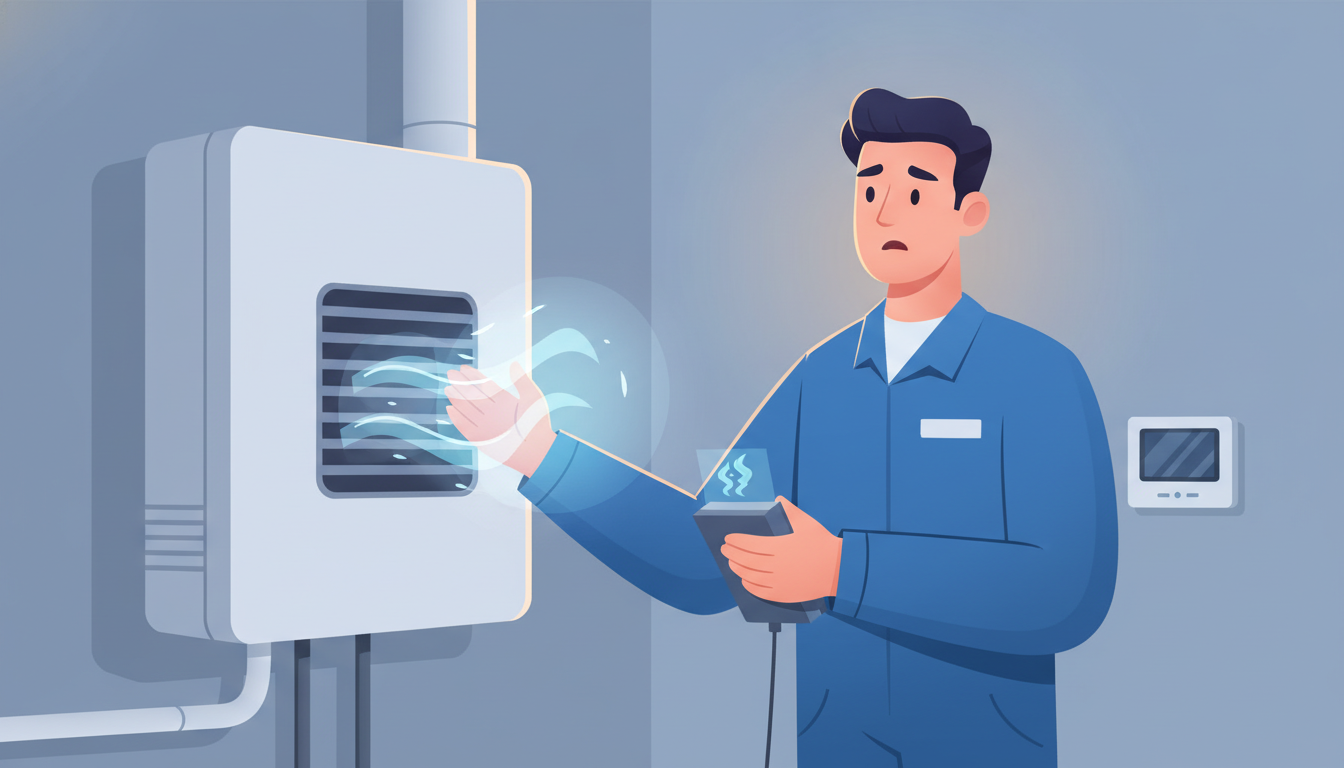
Nothing feels worse than cranking up the heat on a cold winter morning, only to feel cold air blowing from your vents. If your heat pump is blowing cold air when it should be warming your home, you're not alone—this is one of the most common HVAC problems homeowners face during heating season.
The good news? Many causes of a heat pump blowing cold air are simple to diagnose, and some you can even fix yourself. In this comprehensive guide, we'll walk you through the 12 most common reasons why your heat pump is blowing cool air when heating, plus practical solutions to get your system back on track.
Understanding How Your Heat Pump Works
Before we dive into troubleshooting, it helps to understand what your heat pump does differently than a traditional furnace.
Unlike a gas furnace that burns fuel to create heat, your heat pump works by transferring heat from outside air into your home—even when it's cold outside. During heating mode, the outdoor unit extracts heat energy from the air and moves it indoors through refrigerant lines.
Here's the key difference: a heat pump typically delivers air at 85-92°F, while a gas furnace blows air at 130-140°F. Since your body temperature is 98.6°F, that 85-92°F air can actually feel cool against your skin, especially when it's blowing directly on you. This is normal operation, not a malfunction.
But if the air feels truly cold or your home isn't reaching the set temperature, something's likely wrong. Let's explore the possibilities.
12 Reasons Your Heat Pump Is Blowing Cold Air
1. Your Heat Pump Is in Defrost Mode
The Problem: This is the most common reason for temporary cold air during winter operation.
When outdoor temperatures drop, frost and ice can accumulate on your outdoor unit's coils. To remove this ice, your heat pump automatically switches into defrost mode every 30-90 minutes. During defrost mode, your system temporarily reverses to cooling mode to melt the ice, which means cold air blows from your vents for 5-15 minutes.
The Solution: If cold air only lasts a few minutes and your system returns to heating normally, this is completely normal. You may notice steam rising from your outdoor unit—that's the ice melting. No action needed.
However, if your heat pump runs in defrost mode constantly or for extended periods, you may have a sensor issue that needs professional attention.
2. Thermostat Is Set to "Fan On" Instead of "Auto"
The Problem: Your thermostat has two fan settings—"On" and "Auto." When set to "On," your blower fan runs continuously, even when your heat pump isn't actively heating.
This means you'll feel air movement from vents between heating cycles, and since that air isn't being heated, it feels cold (or at least room temperature).
The Solution: Check your thermostat and switch the fan setting from "On" to "Auto." In Auto mode, the fan only runs when your system is actively heating, so you'll only feel warm air from the vents.
This simple fix solves the problem for many homeowners and can also save energy by reducing unnecessary fan operation.
3. Dirty or Clogged Air Filter
The Problem: Your air filter traps dust, pet dander, and debris to protect your HVAC system and maintain air quality. But when that filter gets too dirty, it restricts airflow through your system.
Reduced airflow means your heat pump can't effectively distribute warm air throughout your home. The air that does come through feels weak and cool, and your system has to work much harder to maintain temperature.
The Solution: Check your air filter monthly and replace it every 1-3 months, depending on usage, pets, and air quality. If your filter looks dark gray or clogged with debris, replace it immediately.
This is the easiest DIY fix and should be your first troubleshooting step. A clean filter can improve heating performance, energy efficiency, and indoor air quality all at once. For more guidance on maintaining your HVAC system, check out our HVAC repair guide.
4. Outdoor Unit Is Frozen or Snow-Covered
The Problem: Your outdoor unit needs adequate airflow to extract heat from outside air. When snow, ice, or debris blocks the unit, it can't function properly.
Heavy snow accumulation around the unit, ice blocking the coils, or even leaves and debris restricting airflow can all prevent your heat pump from heating effectively.
The Solution: Regularly check your outdoor unit during winter weather. Clear away snow within 2 feet of the unit on all sides, and gently remove any ice buildup on the coils (don't use sharp objects that could damage the fins).
Never pour hot water on the unit to melt ice—the temperature shock can damage components. Instead, let the defrost cycle handle it, or use cool water if absolutely necessary.
Trim back any vegetation and keep the area around your unit clear year-round to ensure proper airflow.
5. Malfunctioning Reversing Valve
The Problem: The reversing valve is the component that allows your heat pump to switch between heating and cooling modes. When this valve fails or gets stuck, your system may blow cold air even when set to heat.
If the reversing valve is stuck in cooling mode, your heat pump will continue extracting heat from your home and sending it outside—the exact opposite of what you want.
The Solution: A faulty reversing valve requires professional diagnosis and replacement. If you notice your heat pump consistently blowing cold air regardless of thermostat settings, or if you hear hissing or clicking sounds from the outdoor unit, the reversing valve may be the culprit.
Contact an HVAC technician for inspection and repair. This isn't a DIY fix, as it involves refrigerant lines and specialized tools.
6. Low Refrigerant Levels or Refrigerant Leak
The Problem: Refrigerant is the lifeblood of your heat pump—it's the substance that carries heat from outside into your home. When refrigerant levels drop due to a leak, your heat pump loses its ability to transfer heat effectively.
Low refrigerant means reduced heating capacity, longer run times, higher energy bills, and eventually, cold air from your vents.
The Solution: Signs of a refrigerant leak include ice buildup on indoor or outdoor coils, hissing sounds near refrigerant lines, and poor heating performance even when temperatures aren't extreme.
If you suspect a leak, call an HVAC professional immediately. They'll locate and repair the leak, then recharge your system with the correct amount of refrigerant. Don't just add more refrigerant without fixing the leak—it will leak out again and damage your compressor.
For specific heat pump issues, our heat pump repair guide offers additional troubleshooting steps.
7. Your Heat Pump Is Too Small for Your Home
The Problem: If your heat pump is undersized for your home's square footage or heating needs, it will struggle to keep up with demand, especially during the coldest days.
An undersized unit runs constantly trying to reach the set temperature but can't produce enough heat, resulting in lukewarm or cool air from vents.
The Solution: This is a sizing issue that typically happens during initial installation. If your heat pump has always struggled to heat your home adequately—not just during extreme cold—it may be undersized.
An HVAC professional can perform a load calculation to determine if your system is properly sized. If it's too small, you may need to upgrade to a larger unit or add supplemental heating like a furnace or electric heat strips.
8. Outdoor Temperature Is Below Your Heat Pump's Threshold
The Problem: Heat pumps are incredibly efficient in moderate climates, but they lose efficiency as outdoor temperatures drop. Most standard heat pumps struggle when temperatures fall below 25-30°F, and some models can't effectively extract heat below 40°F.
When outdoor temperatures drop too low, your heat pump simply can't pull enough heat from the frigid air to warm your home adequately.
The Solution: This is where auxiliary or emergency heat comes in. Most heat pump systems include backup electric heat strips that kick in when outdoor temperatures drop below a certain threshold.
Check that your auxiliary heat is working properly—you should see an indicator light on your thermostat when it activates. If you live in a region with frequent temperatures below 30°F, consider upgrading to a cold-climate heat pump designed to work efficiently in sub-zero conditions.
9. Faulty Compressor
The Problem: The compressor is the heart of your heat pump, circulating refrigerant through the system and maintaining the pressure needed for heat transfer.
When your compressor fails or operates inefficiently, your heat pump can't generate adequate heating, resulting in cool or lukewarm air output.
The Solution: Compressor issues typically produce specific symptoms: loud grinding or clicking noises, the outdoor unit not starting, or the system running but not producing any temperature change.
Compressor diagnosis and replacement require a professional HVAC technician. This is one of the more expensive heat pump repairs, typically ranging from $1,200 to $2,500, so you'll want to get multiple quotes and consider the age of your system before deciding whether to repair or replace.
10. Duct Leaks or Poor Insulation
The Problem: Even if your heat pump is producing warm air, that heat may not be reaching your living spaces if you have leaky or poorly insulated ductwork.
Gaps, cracks, or disconnected ducts in unconditioned spaces like attics, crawlspaces, or garages allow warm air to escape before it reaches your rooms. You may notice some rooms are colder than others or that air coming from vents feels cooler than expected.
The Solution: Inspect accessible ductwork for visible gaps, disconnections, or damaged insulation. You can seal small gaps with mastic sealant or metal tape (not regular duct tape, which deteriorates quickly).
For comprehensive duct inspection and sealing, hire an HVAC professional to perform a duct leakage test. Properly sealed and insulated ducts can improve heating efficiency by 20-30% and significantly reduce energy bills.
11. Electrical Issues or Tripped Breaker
The Problem: Your heat pump system has two circuit breakers—one for the indoor unit and one for the outdoor unit. If either breaker trips, part of your system loses power.
If only the indoor unit has power, your blower fan may run and circulate cool air without any heating. If only the outdoor unit is off, the system can't extract heat from outside.
The Solution: Check your electrical panel for tripped breakers. Look for breakers in the middle position between "on" and "off," or breakers that aren't aligned with others.
Reset any tripped breakers by switching them fully to "off," then back to "on." If a breaker trips repeatedly, don't keep resetting it—this indicates an electrical problem that needs professional diagnosis. Continuing to reset a tripping breaker can cause damage or create a fire hazard.
12. Lack of Regular Maintenance
The Problem: Heat pumps require regular maintenance to operate efficiently. Over time, dust accumulates on coils, refrigerant levels drift, electrical connections loosen, and components wear out.
A neglected heat pump loses efficiency gradually, so you may not notice problems until they become severe—like blowing cold air in the middle of winter.
The Solution: Schedule professional HVAC maintenance twice yearly—once before cooling season and once before heating season. During maintenance visits, your technician will:
- Clean indoor and outdoor coils
- Check refrigerant levels and pressures
- Inspect and tighten electrical connections
- Lubricate moving parts
- Test thermostat calibration
- Inspect ductwork for leaks
- Replace or clean filters
Regular maintenance extends your system's lifespan, prevents unexpected breakdowns, and keeps your heat pump running at peak efficiency. It's far less expensive than emergency repairs during the coldest week of winter.
If you're experiencing issues specifically when your heat pump runs in heating mode, you might find our article on heat pump blowing cool air in heat mode particularly helpful.
DIY Troubleshooting Steps: What You Can Check Yourself
Before calling a professional, try these simple troubleshooting steps:
1. Check your thermostat settings
- Ensure it's set to "Heat" mode, not "Cool" or "Off"
- Verify the fan is set to "Auto," not "On"
- Set the temperature 5°F above current room temperature to trigger heating
- Replace thermostat batteries if your model uses them
2. Inspect and replace your air filter
- Locate your return air grille (usually on a wall or ceiling)
- Remove and examine the filter
- Replace if dirty, gray, or clogged with debris
- Note the arrow on the filter frame showing airflow direction
3. Check circuit breakers
- Open your electrical panel
- Look for tripped breakers (middle position or misaligned)
- Reset any tripped breakers fully to "off," then "on"
- Note if any breakers trip repeatedly
4. Clear outdoor unit obstructions
- Remove snow, ice, leaves, and debris around the unit
- Ensure 2-3 feet of clearance on all sides
- Gently clear any ice from coils (don't use sharp objects)
- Trim back any overhanging vegetation
5. Look for ice buildup
- Check if your outdoor unit is covered in ice (a little frost is normal)
- If heavily iced, it may be stuck in defrost mode—wait an hour to see if it resolves
- Excessive ice may indicate a refrigerant or defrost sensor problem
If these steps don't resolve the issue, it's time to call a professional.
When to Call an HVAC Professional
Some heat pump problems require specialized knowledge, tools, and refrigerant handling licenses. Call a professional HVAC technician if you experience:
- Refrigerant leaks (hissing sounds, ice on refrigerant lines, poor heating despite normal operation)
- Reversing valve failure (system stuck in cooling mode when set to heat)
- Compressor problems (loud grinding noises, outdoor unit not starting)
- Electrical issues (repeatedly tripping breakers, burning smells, sparking)
- Frozen coils that don't resolve after defrost cycles
- Strange noises like grinding, squealing, or banging
- Complete system failure (unit won't turn on at all)
- Persistent problems after trying basic troubleshooting
A licensed HVAC technician can diagnose complex issues, safely handle refrigerant, perform electrical repairs, and ensure your system is operating safely and efficiently.
Preventing Future Cold Air Problems
Prevention is always easier and cheaper than emergency repairs. Here's how to keep your heat pump running smoothly:
Seasonal Maintenance Schedule:
- Fall (before heating season): Professional inspection and tune-up, clean outdoor coils, test defrost cycle, check refrigerant levels
- Spring (before cooling season): Professional inspection, clean indoor coils, test reversing valve, calibrate thermostat
- Monthly year-round: Check and replace air filters, clear debris from outdoor unit, test thermostat settings
Additional preventive measures:
- Install a programmable or smart thermostat to avoid temperature swings and reduce system strain
- Keep outdoor unit elevated above ground level to prevent snow and ice buildup
- Ensure proper drainage around outdoor unit to prevent water accumulation and freezing
- Trim vegetation and maintain clearance around outdoor unit
- Never cover your outdoor unit completely—it needs airflow even in winter
- Schedule professional maintenance before problems develop, not after
FAQ: Heat Pump Blowing Cold Air
Q: Is it normal for my heat pump to blow cool air sometimes?
A: Yes, during defrost mode (5-15 minutes every 30-90 minutes in cold weather), cool air is normal. Also, heat pump air (85-92°F) feels cooler than furnace air (130-140°F), which can feel "cool" against your 98.6°F skin even though it's warming your home.
Q: How long should my heat pump stay in defrost mode?
A: Defrost cycles typically last 5-15 minutes. If your heat pump stays in defrost mode longer or cycles constantly, you likely have a sensor malfunction or refrigerant issue that needs professional repair.
Q: Can I use my heat pump when it's below freezing outside?
A: Most standard heat pumps work down to 25-30°F, though efficiency drops as temperatures fall. Below this threshold, auxiliary heat should activate. Cold-climate heat pumps can work efficiently down to -15°F or lower.
Q: Why does my heat pump blow cold air in the morning?
A: This often happens due to overnight defrost cycles, thermostat setback recovery (your system is working to reach a higher morning temperature), or cold overnight temperatures that challenge your heat pump's capacity. If it continues beyond 30 minutes, check the troubleshooting steps above.
Q: Should I switch to emergency heat when my heat pump blows cold air?
A: Only use emergency heat mode if your heat pump has completely failed. Emergency heat bypasses the heat pump and uses only electric resistance heat, which is 2-3 times more expensive to operate. If your heat pump is still running, even if struggling, leave it in normal heat mode and call a technician.
Conclusion: Get Your Heat Pump Back on Track
A heat pump blowing cold air in heat mode is frustrating, but now you understand the most common causes and solutions. Many issues—like thermostat settings, dirty filters, and outdoor obstructions—are simple fixes you can handle yourself in minutes.
For more complex problems like refrigerant leaks, reversing valve failures, or compressor issues, don't hesitate to call a qualified HVAC professional. Trying to DIY these repairs can damage your system, void warranties, and create safety hazards.
Remember, regular maintenance is your best defense against unexpected cold air problems. A small investment in biannual professional tune-ups can prevent expensive emergency repairs and keep your heat pump running efficiently for 15-20 years or more.
If your heat pump continues blowing cold air after trying these troubleshooting steps, or if you're ready to schedule preventive maintenance, contact a licensed HVAC technician in your area today. Your warm, comfortable home is worth it.