
Why Is My Heat Pump Blowing Cool Air in Heat Mode?
Why Is My Heat Pump Blowing Cool Air in Heat Mode?
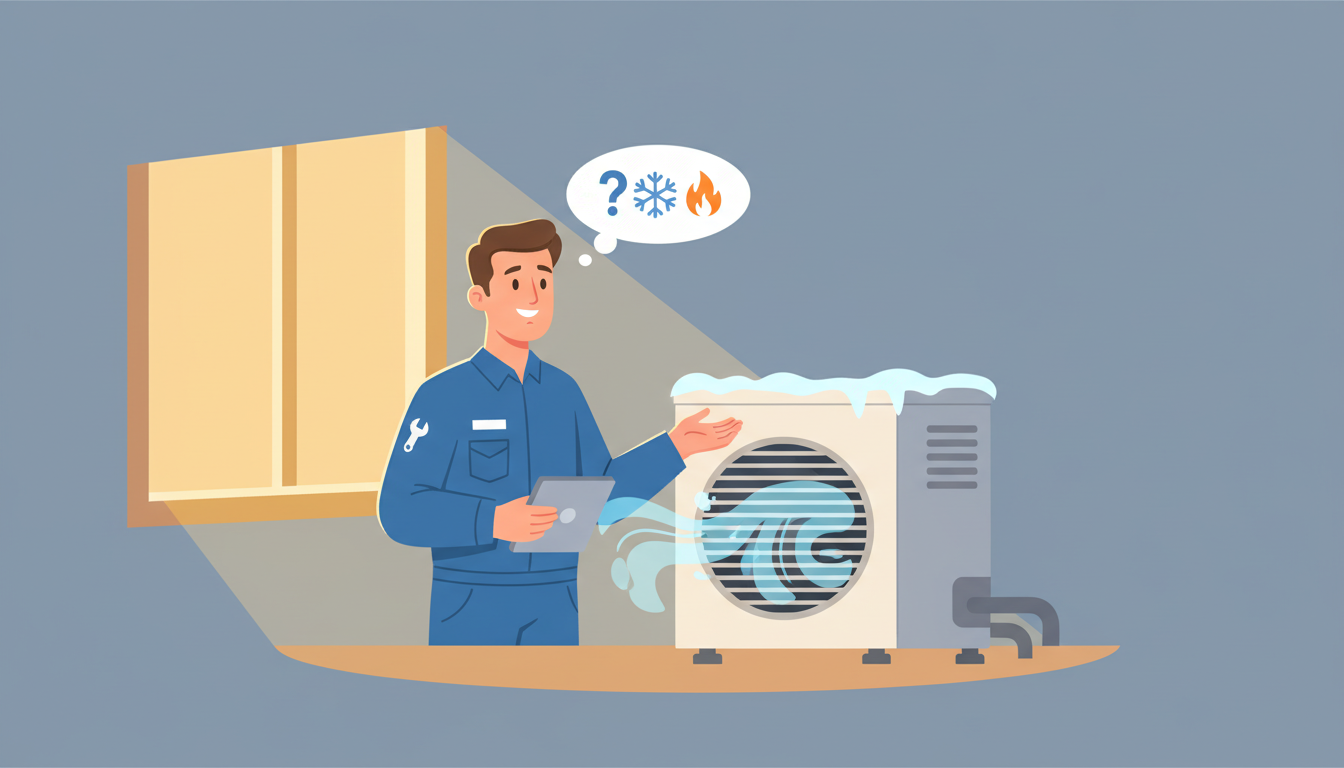
If you've turned on your heat pump expecting warm, cozy air only to feel a cool breeze instead, you're not alone. This is one of the most common complaints HVAC technicians hear from homeowners during winter months. The good news? Sometimes this is completely normal behavior. Other times, it signals a problem that needs attention. Let's explore why your heat pump might be blowing cool air in heat mode and what you can do about it.
Understanding How Your Heat Pump Works
Before diagnosing the issue, it's helpful to understand how heat pumps operate differently than traditional furnaces. Unlike gas or oil furnaces that generate heat by burning fuel, heat pumps transfer heat from outside to inside your home—even when it's cold outdoors. This unique process means the air coming from your vents will feel different than what you'd experience with a traditional heating system.
Heat pumps are incredibly efficient, but they work harder as outdoor temperatures drop. Understanding this basic principle will help you determine whether your system is functioning normally or needs professional attention.
Is the Air Actually Cold or Just Cooler Than Expected?
One of the most common "problems" isn't actually a problem at all—it's a matter of perception. Here's what you need to know about heat pump air temperature.
Normal Heat Pump Temperature Range
A properly functioning heat pump in heating mode typically blows air between 85°F and 95°F. While this is certainly warm enough to heat your home, it feels noticeably cooler than air from a gas furnace, which can reach 130°F to 140°F.
Since your body temperature is around 98.6°F, air blowing at 85°F to 90°F can actually feel cool to the touch, even though it's technically warm air. If you hold your hand up to a vent, you might perceive this as "cold" air when it's simply not as hot as you expected.
How to Test Your Heat Pump's Output
Want to know if your heat pump is truly blowing cold air or just cooler air? Use an infrared thermometer or standard thermometer to measure the temperature at your supply vents. If the air measures between 85°F and 95°F, your heat pump is working correctly—it just feels cooler compared to what you might remember from a furnace.
If the air temperature is below 85°F or at room temperature, you likely have a real issue that needs investigation.
Common Normal Reasons Your Heat Pump Blows Cool Air
Not every instance of cool air indicates a problem. Here are situations where cool air is expected and normal.
Defrost Mode Is Activated
This is the most common reason for temporary cold air and it's completely normal. During winter operation, moisture in the outdoor air can freeze on your heat pump's outdoor coil. When frost builds up, it reduces the system's efficiency and ability to transfer heat.
To combat this, heat pumps automatically enter defrost mode every 30 to 90 minutes when outdoor temperatures are near or below freezing. During a defrost cycle, your heat pump temporarily reverses to cooling mode to melt the ice on the outdoor coil. This process typically lasts 5 to 15 minutes.
During defrost mode, you'll notice:
- Cool or cold air blowing from your vents
- Steam rising from your outdoor unit
- The outdoor fan stops running
- A slight temperature drop in your home (usually 1-3 degrees)
Once the defrost cycle completes, your heat pump will return to normal heating operation. If defrost cycles seem to run excessively or last longer than 15 minutes, you may have a sensor or control board issue that needs professional diagnosis.
Your System Just Started Up
When your heat pump first kicks on after being off for a while, it may blow slightly cool air for the first minute or two as the system gets up to operating temperature. This is normal and the air should warm up quickly.
Auxiliary Heat Hasn't Kicked In Yet
Many heat pump systems have auxiliary or emergency heat strips that activate when outdoor temperatures drop very low or when the heat pump can't keep up with demand. There may be a brief period where the heat pump is working alone before the backup heat engages, resulting in temporarily cooler air.
Troubleshooting Problems: Why Your Heat Pump Is Blowing Cold Air
If you've ruled out the normal reasons above and your heat pump is genuinely blowing cold air, here are the most likely culprits.
Dirty or Clogged Air Filter
A dirty air filter is one of the simplest problems to fix but also one of the most common causes of heating issues. When your filter is clogged with dust, pet dander, and debris, it restricts airflow through your system. This reduced airflow can cause:
- Poor heat distribution
- Overheating of internal components
- Reduced heating capacity
- Cool air from vents
Solution: Turn off your system at the thermostat and check your air filter. If it's dirty or hasn't been changed in more than 3 months, replace it with a new one. This simple fix can immediately improve your system's performance. For optimal efficiency, check your filter monthly and replace it every 1-3 months depending on usage and household conditions.
Incorrect Thermostat Settings
Sometimes the issue is as simple as incorrect thermostat settings. Here's what to check:
Heat Mode: Ensure your thermostat is set to "Heat" and not "Cool" or "Auto." If it's stuck in cooling mode, you'll definitely get cold air.
Temperature Setting: Make sure the temperature setting is higher than your current room temperature. If your thermostat is set to 68°F but your home is already 70°F, the system won't run.
Fan Setting: This is crucial—check whether your fan is set to "Auto" or "On." When set to "On," the fan runs continuously even when the heat pump isn't actively heating. This means it will blow room-temperature or cool air between heating cycles. Setting it to "Auto" ensures the fan only runs when the system is actively heating or cooling.
Solution: Adjust your thermostat to Heat mode with the fan set to Auto, and set the temperature 3-5 degrees above your current room temperature.
Faulty or Stuck Reversing Valve
The reversing valve is the component that allows your heat pump to switch between heating and cooling modes. It's essentially what makes a heat pump different from a standard air conditioner. When this valve malfunctions or gets stuck, your system might be stuck in cooling mode even though your thermostat says "Heat."
Signs of a reversing valve problem:
- Heat pump blows cold air continuously in heat mode
- System makes unusual hissing or gurgling sounds
- Outdoor unit runs but no heating occurs
- The problem persists regardless of outdoor temperature
Solution: A faulty reversing valve requires professional repair. This isn't a DIY fix. Contact a qualified HVAC technician to diagnose and replace the valve if needed. The repair typically costs $300 to $600 including parts and labor.
Low Refrigerant Levels
Refrigerant is the lifeblood of your heat pump—it's the medium that transfers heat from outside to inside your home. If your system has a refrigerant leak, it won't be able to absorb and transfer enough heat to warm your home effectively.
Signs of low refrigerant:
- Lukewarm or cool air from vents
- Ice buildup on the indoor coil
- Hissing sounds from the refrigerant lines
- Higher energy bills without increased comfort
- System runs constantly but doesn't reach the set temperature
Solution: Low refrigerant always indicates a leak—refrigerant doesn't get "used up" like fuel. A professional HVAC technician needs to locate and repair the leak, then recharge the system with the proper amount of refrigerant. Depending on the location and severity of the leak, repairs can range from $200 to $1,500.
Never attempt to add refrigerant yourself. Proper refrigerant charging requires specialized equipment and expertise. Incorrect refrigerant levels can damage your compressor and reduce system efficiency.
Frozen Outdoor Unit
While defrost mode handles normal frost accumulation, sometimes your outdoor unit can become completely frozen over. This can happen when:
- Defrost mode isn't working properly
- There's poor drainage around the outdoor unit
- Heavy snow or ice blocks the unit
- Severe winter weather creates excessive ice buildup
When the outdoor coil is frozen solid, your heat pump can't extract heat from the outdoor air, resulting in little to no heating capacity.
Solution: Turn off your heat pump and allow the ice to melt naturally. Never chip away ice or pour hot water on the unit—this can damage the delicate fins on the coil. If freezing happens repeatedly, you likely have a defrost control issue that needs professional repair. Also, ensure your outdoor unit has proper drainage and isn't positioned where water can pool and freeze around it.
Tripped Circuit Breaker or Blown Fuse
Heat pumps have two separate electrical circuits—one for the indoor air handler and one for the outdoor unit. If the outdoor unit's breaker trips, your indoor fan may continue to blow air, but it will be room-temperature air since the heat pump isn't actually running.
Solution: Check your electrical panel for tripped breakers. If you find one, reset it and see if the system works. If the breaker trips again immediately, you have an electrical problem that requires professional diagnosis. Repeatedly resetting a tripping breaker can be dangerous and may indicate a serious electrical fault.
Leaking or Poorly Insulated Ductwork
Even if your heat pump is producing warm air, leaky or poorly insulated ducts can cool that air before it reaches your living spaces. The Department of Energy estimates that homes lose 20-30% of heated air through duct leaks and poor insulation.
Signs of duct problems:
- Some rooms are much colder than others
- Visible gaps or disconnected ducts in accessible areas
- Dusty home despite regular cleaning
- Higher energy bills
Solution: Inspect visible ductwork in your attic, basement, or crawl space for obvious leaks, holes, or disconnected sections. You can seal minor leaks with mastic sealant (not standard duct tape, which deteriorates). For comprehensive duct sealing and insulation, hire a professional. Properly sealed and insulated ductwork can improve heating efficiency by 20-40%.
Malfunctioning Auxiliary Heat Strips
Many heat pump systems have electric resistance heat strips (auxiliary heat) that provide backup heating when outdoor temperatures drop below the heat pump's effective operating range (typically below 25°F to 35°F depending on the unit).
If these heat strips aren't working, your heat pump alone may struggle to keep your home warm during very cold weather, resulting in lukewarm air from your vents.
Solution: This requires professional diagnosis and repair. A technician will test the heat strips, their electrical connections, and the control board that activates them.
Undersized Heat Pump for Your Home
If your heat pump was incorrectly sized during installation, it may not have sufficient capacity to heat your home, especially during very cold weather. An undersized unit will run constantly, struggle to maintain temperature, and blow air that feels cooler than it should.
This is particularly common in:
- Older homes with poor insulation
- Homes where additions were built without upgrading the HVAC system
- Installations where contractors cut corners to save costs
Solution: Unfortunately, the only real solution is replacing the unit with a properly sized system. A qualified HVAC contractor should perform a Manual J load calculation to determine the correct size for your home based on square footage, insulation, windows, climate, and other factors.
When to Call a Professional
While some issues like dirty filters and thermostat settings are easy DIY fixes, many heat pump problems require professional expertise. Call an HVAC technician when:
- Cool air persists after checking filters and thermostat settings
- Your heat pump runs constantly but never reaches the set temperature
- You hear unusual sounds (grinding, squealing, hissing)
- Ice builds up on the indoor or outdoor unit outside of normal defrost cycles
- Your energy bills spike unexpectedly
- The outdoor unit doesn't run at all
- You smell burning or electrical odors
Professional heat pump repair ensures your system is diagnosed correctly and fixed safely. Attempting complex repairs yourself can void warranties, damage your system, or create safety hazards.
Preventing Future Problems
Regular maintenance is your best defense against heat pump issues. Here's what you should do:
Homeowner Maintenance Tasks
- Monthly: Check and replace air filters
- Quarterly: Inspect outdoor unit for debris, leaves, or obstructions
- Seasonally: Clear area around outdoor unit; ensure at least 2 feet of clearance
- Before heating season: Test your system before the first cold snap
Professional Maintenance
Schedule professional maintenance twice a year—once before heating season and once before cooling season. A comprehensive tune-up includes:
- Refrigerant level check and adjustment
- Electrical connection inspection and tightening
- Thermostat calibration
- Reversing valve testing
- Defrost control testing
- Coil cleaning
- Blower motor lubrication
- Safety control verification
- Condensate drain cleaning
Regular professional maintenance can extend your heat pump's lifespan by 5-10 years and maintain peak efficiency, potentially saving you 10-25% on energy costs.
Understanding Heat Pump Limitations in Extreme Cold
It's important to understand that heat pumps become less efficient as outdoor temperatures drop. Most standard heat pumps struggle to operate effectively when outdoor temperatures fall below 25°F to 35°F. At these temperatures, the heat pump must work much harder to extract heat from the cold outdoor air, and auxiliary heat typically kicks in more frequently.
If you live in a region with harsh winters, you might notice your heat pump blowing cooler air during extreme cold snaps. This is why many homes in cold climates use dual-fuel systems that combine a heat pump with a gas furnace, automatically switching to the more efficient heating source based on outdoor temperature.
Newer cold-climate heat pumps can operate efficiently down to -15°F or lower, but they cost more upfront. If you frequently experience very cold weather and your current heat pump struggles, upgrading to a cold-climate model might be worth considering.
The Impact on Energy Bills
When your heat pump isn't heating properly, it has to run longer to maintain your desired temperature. This extended run time significantly increases your energy consumption and utility bills. If you notice your heat pump blowing cool air along with a spike in your electric bill, you're likely dealing with an efficiency issue that needs immediate attention.
Addressing the problem quickly can prevent:
- Wasted energy and higher bills
- Excessive wear on system components
- Complete system breakdown
- Uncomfortable living conditions
Frequently Asked Questions
What temperature should my heat pump blow in heat mode?
A properly functioning heat pump typically blows air between 85°F and 95°F in heating mode. This is significantly cooler than a gas furnace (130°F-140°F) but is still warm enough to heat your home efficiently. If you measure air temperature below 85°F at your vents, your system likely has a problem.
Is it normal for my heat pump to blow cold air during defrost mode?
Yes, this is completely normal. Heat pumps automatically enter defrost mode when frost builds up on the outdoor coil. During this 5-15 minute cycle, the system temporarily reverses to cooling mode to melt the ice, which causes cold air to blow from your vents. Once the defrost cycle completes, normal heating resumes.
Why does my heat pump blow cold air when it's very cold outside?
Heat pumps extract heat from outdoor air, so they become less efficient as temperatures drop. Most standard heat pumps struggle below 25°F-35°F. If your auxiliary heat isn't working or your system is undersized, you may experience cooler air during extreme cold. This is when backup heating should activate to supplement the heat pump.
How often should I change my heat pump's air filter?
Check your air filter monthly and replace it every 1-3 months depending on usage, pets, and air quality. Homes with pets, allergies, or high dust should replace filters monthly. A clogged filter is one of the most common causes of reduced heating performance and cool air from vents.
Can I fix a heat pump blowing cold air myself?
Some issues are DIY-friendly: replacing air filters, checking thermostat settings, clearing debris from the outdoor unit, and resetting tripped breakers. However, problems with refrigerant, reversing valves, electrical components, or defrost controls require professional repair. Attempting complex repairs yourself can void warranties and create safety hazards.
Conclusion: Get Your Heat Pump Working Right
A heat pump blowing cool air in heat mode can range from completely normal (defrost cycles, temperature perception) to indicating serious problems (faulty reversing valve, refrigerant leaks). Start with the simple checks—air filter, thermostat settings, and observing whether the issue is temporary or constant.
If basic troubleshooting doesn't resolve the problem, don't wait until you're freezing. Contact a qualified HVAC professional to diagnose and repair the issue. Regular maintenance prevents most problems before they start and keeps your system running efficiently for years to come.
Remember, your heat pump is designed to keep you comfortable year-round. When it's not doing its job, quick action saves money, prevents further damage, and restores your home's comfort. For more information on heat pump issues, check out our guide on heat pumps blowing cold air.
Stay warm and don't hesitate to seek professional help when needed!