
Heat Pump Repair vs Replacement: How to Decide
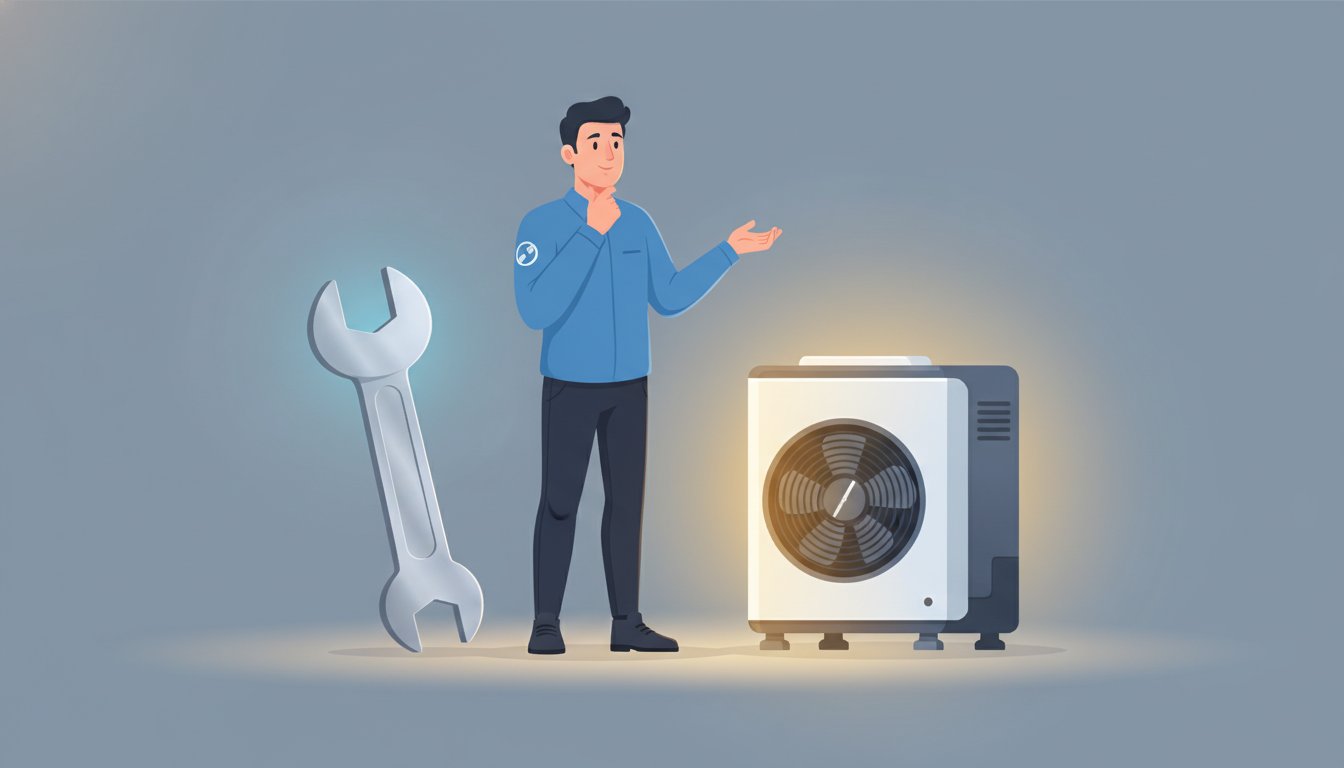
Heat Pump Repair vs Replacement: How to Decide
Your heat pump keeps your home comfortable year-round, but when it starts acting up, you face a tough decision: repair or replace? The wrong choice could cost you thousands of dollars and leave you with an unreliable system. Let's break down exactly how to make the smartest decision for your home and budget.
Understanding Your Heat Pump's Lifespan
Most heat pumps last between 10 and 15 years with proper maintenance. Some well-cared-for units can reach 20 years, but that's the exception rather than the rule. If your heat pump is approaching or past the 10-year mark, it's time to seriously consider replacement instead of repair.
Here's why age matters so much: as heat pumps get older, they lose efficiency even when they're still running. A 12-year-old heat pump might cool your home, but it's working much harder and costing you more money than a newer, efficient model would.
The age of your unit also affects parts availability and repair costs. Older models may require obsolete parts that are expensive or hard to find. If your HVAC technician has to hunt down specialized parts for a 15-year-old system, you're already looking at higher labor costs before the repair even begins.
The 50% Rule: Your Decision-Making Framework
The most reliable guideline for the repair vs replacement decision is the 50% rule. Here's how it works: if the cost of the repair exceeds 50% of what a new heat pump would cost, replacement is almost always the smarter investment.
Let's say a new heat pump would cost $5,000 installed. If your repair quote is $2,500 or more, you should strongly consider replacement instead. You're paying half the cost of a new system to fix an old one that will likely need more repairs soon.
Some HVAC experts recommend an even stricter threshold. If repair costs exceed 40% of replacement costs and your unit is over 10 years old, replacement delivers better long-term value. You're not just buying a repair—you're investing in years of reliable, efficient operation.
To apply this rule, get a repair estimate from a trusted HVAC technician and compare it to quotes for a new system. Make sure you're comparing installed costs, not just equipment prices. Installation labor can represent 30-40% of the total project cost.
Warning Signs Your Heat Pump Needs Replacement
Certain problems signal that your heat pump is on its last legs. Recognizing these red flags can save you from throwing good money after bad on repairs that won't last.
Frequent Repairs
If you're calling for HVAC repair more than once or twice a year, your heat pump is telling you it's time to retire. Each repair buys you a few more months at best. The costs add up quickly, and you're still stuck with an unreliable system.
Track your repair history over the past two to three years. If you've spent more than $1,000 annually on repairs, replacement will likely save you money going forward. You'll also gain peace of mind knowing your system won't fail during the next heat wave or cold snap.
Compressor Failure
The compressor is the heart of your heat pump. When it fails, you face one of the most expensive repairs possible—often $1,500 to $2,500 or more. Unless your unit is very new and under warranty, compressor replacement rarely makes financial sense.
A failing compressor typically announces itself with loud banging, clanking, or grinding noises. You might also notice the unit struggles to start or cycles on and off frequently. If your technician diagnoses compressor failure, get a replacement quote before authorizing the repair.
Refrigerant Issues and R-22 Phase-Out
If you have an older heat pump that uses R-22 refrigerant (also called Freon), you face a particularly expensive situation. R-22 production stopped in 2020, making it scarce and costly. A refrigerant recharge that once cost $300 might now run $1,000 or more.
Even worse, if you have a refrigerant leak, you can't just add more R-22 and hope for the best. Leaks need to be found and fixed, which adds to the repair bill. For R-22 systems with refrigerant leaks, replacement is almost always the right answer. Modern heat pumps use R-410A refrigerant, which is readily available and environmentally friendlier.
Rising Energy Bills
Have your utility bills crept up steadily even though your usage habits haven't changed? An aging, inefficient heat pump could be the culprit. As systems lose efficiency over time, they run longer to achieve the same temperature, burning through more electricity.
Compare your current bills to what you paid three or four years ago for the same months. If you see a 20-30% increase that can't be explained by rate changes or usage, your heat pump is likely the problem. A new, efficient system can pay for itself through lower operating costs over several years.
Uneven Heating and Cooling
Constant hot and cold spots throughout your home indicate your heat pump can't distribute air effectively anymore. This might stem from a failing blower motor, damaged ductwork, or a compressor that can't maintain proper pressure.
Before assuming you need a new heat pump, have a technician check your ductwork and air handler. Sometimes these problems have simpler fixes. But if the issue lies with the outdoor unit's major components, you're looking at replacement territory.
When Repair Makes More Sense
Replacement isn't always the answer. Several scenarios make repair the smarter choice.
If your heat pump is less than 8 years old and needs a relatively minor repair—a capacitor, contactor, or fan motor, for example—repairing makes perfect sense. These components cost $200-$600 to replace and can give you several more years of reliable service.
Units still under warranty should almost never be replaced unless they've had catastrophic damage. With warranty coverage, your out-of-pocket costs drop dramatically, making repair the obvious choice. Check both your parts warranty and labor warranty, as they often have different terms.
Single-component failures in newer systems don't justify replacement. A failed capacitor or reversing valve in a 5-year-old heat pump is just bad luck, not a sign of system-wide failure. Make the repair and move on.
The True Cost of Heat Pump Replacement
Understanding replacement costs helps you evaluate repair quotes more accurately. A complete heat pump replacement typically runs between $4,000 and $8,000 for most homes, though high-efficiency models and complex installations can push costs higher.
Several factors affect your final price:
System Size: Larger homes need bigger units. Heat pumps are sized in tons (a measure of cooling capacity, not weight). A 2-ton unit for a small home might cost $4,000 installed, while a 5-ton unit for a large house could hit $8,000 or more.
Efficiency Rating: Higher SEER (Seasonal Energy Efficiency Ratio) and HSPF (Heating Seasonal Performance Factor) ratings mean better efficiency but higher upfront costs. A 14 SEER unit costs less than a 20 SEER model, but the efficient unit saves money on utilities for years to come.
Installation Complexity: Replacing a unit in an easily accessible location costs less than one requiring significant ductwork modifications or electrical upgrades. Unusual mounting requirements, difficult terrain, or second-story installations add labor costs.
Brand and Warranty: Premium brands with longer warranties cost more upfront but offer better peace of mind. A 10-year parts warranty beats a 5-year warranty, especially if you plan to stay in your home long-term.
Don't forget about potential rebates and incentives. Many utility companies offer rebates for high-efficiency heat pump installations. Federal tax credits may also apply to qualifying systems. These incentives can reduce your net cost by $500 to $2,000 or more.
Common Heat Pump Repairs and Their Costs
Knowing typical heat pump repair costs helps you evaluate whether a specific repair makes sense. Here are the most common repairs and what they typically cost:
Capacitor Replacement: $150-$400. Capacitors help motors start and run. This is a simple, cost-effective repair that takes less than an hour.
Contactor Replacement: $150-$350. The contactor controls electrical flow to the compressor and fan. Another straightforward repair.
Reversing Valve: $400-$1,200. This valve switches your heat pump between heating and cooling modes. The part itself isn't terribly expensive, but labor can be significant.
Fan Motor: $300-$700. Both indoor and outdoor fan motors can fail. Replacement is fairly common and usually worth doing on units under 10 years old.
Refrigerant Leak Repair and Recharge: $500-$1,500+. Finding and fixing leaks takes time. Add the cost of refrigerant (especially expensive R-22), and this repair adds up quickly.
Compressor Replacement: $1,500-$2,500+. This major repair often costs half what a new system would. Unless your unit is very new, replacement usually makes more financial sense.
Defrost Control Board: $200-$600. This component prevents ice buildup on the outdoor coil. A relatively common repair that's usually worthwhile on newer systems.
Use these benchmarks when evaluating repair quotes. If multiple components need replacement, costs stack up quickly and often tip the scale toward full system replacement.
How to Get the Most Accurate Assessment
Don't make this decision alone. A qualified HVAC technician can diagnose your system's condition and provide honest guidance about repair versus replacement.
Look for these qualities in an HVAC professional:
- Licensed and insured in your state
- Willing to perform a thorough system inspection, not just look at the failed component
- Provides written estimates for both repair and replacement options
- Doesn't pressure you toward either choice
- Explains the pros and cons of each option clearly
Get at least two or three opinions for major repairs or replacement decisions. Different companies may quote different prices or recommend different solutions. Multiple perspectives help you make an informed choice.
Ask pointed questions: "How much longer will this system last if I make this repair?" "Will I need other repairs soon?" "How much would I save on energy bills with a new system?" A good technician will answer honestly, even if the truth doesn't benefit them.
The Benefits of Replacement Over Repair
Even when repair is technically possible, replacement often delivers advantages that make it worthwhile.
Energy Savings: Modern heat pumps are significantly more efficient than models from 10-15 years ago. A new high-efficiency unit can cut your heating and cooling costs by 20-40%. Over the system's lifetime, these savings can more than offset the higher upfront cost.
Reliability: A new system comes with a full warranty and no history of problems. You won't worry about breakdowns during extreme weather when you need your system most.
Better Comfort: Newer heat pumps offer improved temperature control, quieter operation, and better dehumidification. Many include variable-speed compressors that adjust output for consistent comfort instead of the on-off cycling of older models.
Smart Features: Today's heat pumps often include Wi-Fi connectivity, programmable thermostats, and remote monitoring. These features improve convenience and can further reduce energy costs through better scheduling and usage insights.
Environmental Impact: Modern refrigerants have lower global warming potential than older ones. High-efficiency operation also reduces your carbon footprint by consuming less electricity.
Maintenance: Extending Your Heat Pump's Life
Whether you repair or replace, proper maintenance maximizes your investment. Regular care can add years to your heat pump's lifespan and prevent many common failures.
Schedule professional maintenance twice a year—once before cooling season and once before heating season. A maintenance visit typically includes:
- Checking refrigerant levels and looking for leaks
- Cleaning or replacing air filters
- Inspecting electrical connections and tightening any loose terminals
- Lubricating motors and bearings
- Cleaning condenser and evaporator coils
- Testing thermostat calibration and operation
- Checking airflow and adjusting if needed
Between professional visits, change or clean your air filter monthly during heavy-use seasons. A clogged filter forces your system to work harder, reducing efficiency and shortening equipment life.
Keep the outdoor unit clear of debris, leaves, and vegetation. Maintain at least two feet of clearance around the unit for proper airflow. After storms, check for damage or debris that might block the fan.
If you notice anything unusual—strange noises, odd smells, reduced performance—call for service right away. Small problems become expensive repairs when ignored. Catching issues early often means simpler, cheaper fixes.
Seasonal Considerations for Replacement
Timing your heat pump replacement can save you money and stress. The best time to replace a heat pump is during mild weather in spring or fall when HVAC companies aren't swamped with emergency calls.
You'll get better prices and faster service during the shoulder seasons. In summer and winter, HVAC companies are busy with emergency repairs and can charge premium prices. Some companies offer off-season discounts specifically to encourage installations during slower periods.
If your system fails completely during extreme weather, you may have to accept whatever options are available immediately. Planning ahead and replacing before failure gives you time to compare options, shop for the best price, and schedule installation when it's convenient.
Don't wait for total failure. If your technician warns that your system is nearing the end of its life, start planning for replacement even if it's still limping along. This gives you control over timing and prevents a forced decision during a 95-degree heat wave or a winter freeze.
Making Your Final Decision
Here's a simple decision tree to guide you:
If your heat pump is under 8 years old AND the repair costs less than 40% of replacement, choose repair.
If your heat pump is over 12 years old AND needs any major repair, choose replacement.
If your heat pump is 8-12 years old, use the 50% rule. Repair if costs are under 50% of replacement. Replace if over 50%.
If you have an R-22 system with refrigerant issues at any age, strongly consider replacement.
If you've had multiple repairs in the past two years regardless of age, replacement will likely save you money.
Remember that the cheapest option today isn't always the smartest long-term choice. A $1,000 repair on a 13-year-old heat pump might seem better than a $5,000 replacement, but if you need another $800 repair six months later and then replace the unit a year after that, you've spent $6,800 total instead of just $5,000.
Frequently Asked Questions
How long should a heat pump last?
Most heat pumps last 10-15 years with regular maintenance. Some high-quality units with exceptional care can reach 20 years, but this is uncommon. If your heat pump is over 12 years old, start planning for eventual replacement even if it's still working.
Is it worth repairing a 15-year-old heat pump?
Rarely. A 15-year-old heat pump has exceeded its expected lifespan. Even if the current repair seems affordable, other components will likely fail soon. The system is also much less efficient than modern units, costing you extra on every utility bill. Replacement is almost always the better investment at this age.
Can I replace just the outdoor unit and keep my old air handler?
Sometimes, but it's not recommended. Heat pumps are designed as matched systems, with the outdoor unit and indoor air handler engineered to work together. Mixing old and new components can reduce efficiency, void warranties, and cause premature failure. If you're replacing the outdoor unit, plan to replace the air handler too for best results.
What's the most expensive heat pump repair?
Compressor replacement is typically the costliest repair, often running $1,500-$2,500 or more depending on the unit size and model. This repair frequently costs 40-50% of what a new system would cost, making it a common trigger point for replacement decisions.
How can I tell if my heat pump is low on refrigerant?
Signs of low refrigerant include reduced cooling or heating capacity, ice forming on the outdoor coil, hissing sounds near the refrigerant lines, and higher energy bills. However, low refrigerant always means there's a leak—heat pumps don't consume refrigerant. Simply adding more refrigerant without fixing the leak is a temporary solution that wastes money.
Take the Next Step
Deciding between heat pump repair and replacement doesn't have to be overwhelming. Armed with the right information and a trusted HVAC professional, you can make a choice that protects your comfort and your budget.
Start by scheduling an inspection with a qualified technician. Get a clear diagnosis of the problem, written estimates for both repair and replacement, and an honest assessment of your system's overall condition. With this information in hand, apply the 50% rule and consider your heat pump's age to guide your final decision.
Don't wait until your system fails completely during extreme weather. If your heat pump is showing signs of age or requiring frequent repairs, start exploring your options now. A proactive approach gives you control over the decision and often results in better outcomes and lower costs.
Your home's comfort depends on making the right choice. Whether you repair or replace, you'll know you made an informed decision based on facts, not panic or sales pressure.