The Homeowner's Checklist for Scheduling HVAC Repair
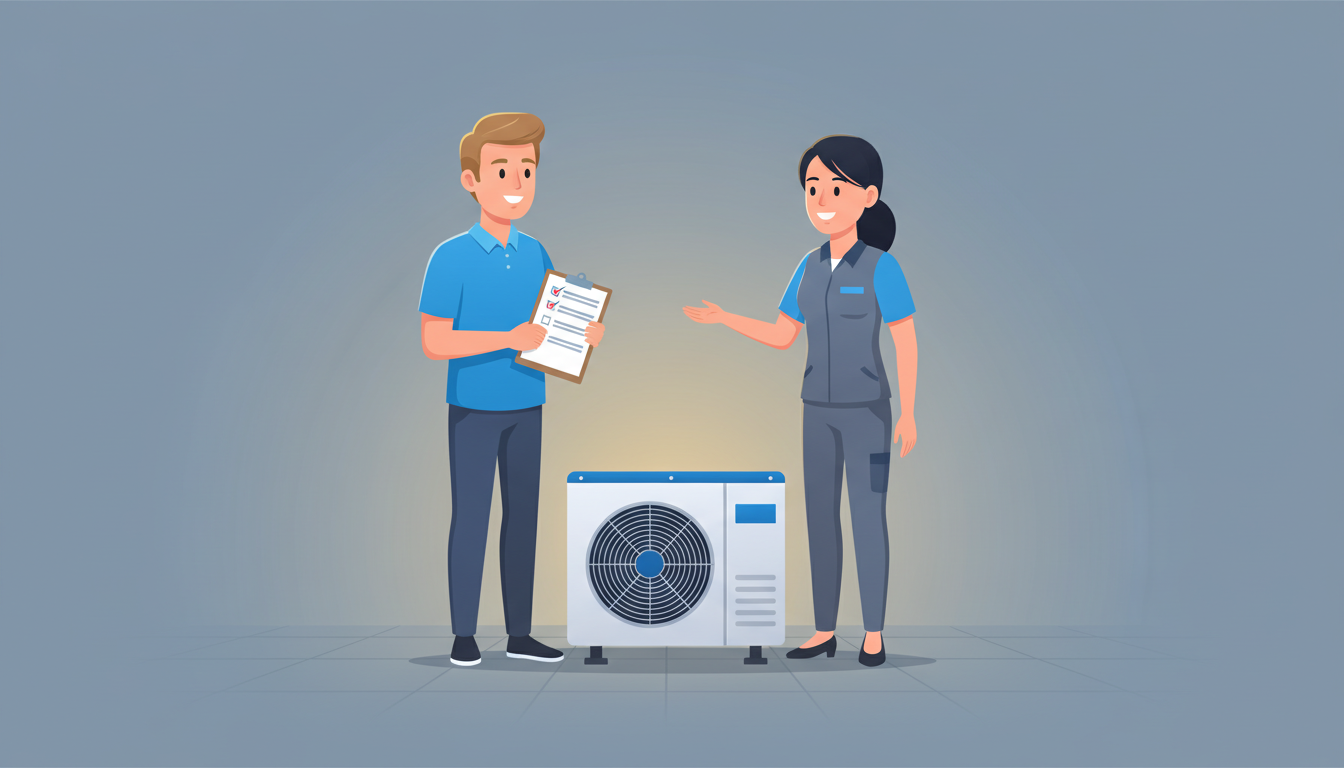
The Homeowner's Checklist for Scheduling HVAC Repair
When your heating or cooling system starts acting up, knowing how to schedule HVAC repair properly can save you time, money, and a lot of stress. Most homeowners wait until their system completely fails before calling a technician, but recognizing the warning signs early and preparing for your service appointment can prevent expensive emergency repairs and keep your home comfortable year-round.
This comprehensive checklist walks you through everything you need to know about scheduling HVAC repair—from identifying when you actually need professional help to what questions you should ask before booking an appointment.
Recognizing When You Need HVAC Repair vs. Maintenance
Before you schedule HVAC repair, it's important to understand the difference between routine maintenance and actual repair needs. Regular maintenance involves preventive care like changing filters, cleaning coils, and checking system performance. Repair, on the other hand, addresses specific problems that prevent your system from working properly.
You need to call an HVAC technician for repair when you notice unusual noises like grinding, squealing, or banging sounds coming from your unit. These aren't normal operating sounds and often indicate mechanical problems that need immediate attention. Strange odors—especially burning smells or musty odors—also signal that something's wrong with your system.
Temperature inconsistencies throughout your home are another red flag. If some rooms are freezing while others are sweltering, or if your system can't reach the temperature you've set on your thermostat, you're dealing with a repair issue rather than a maintenance need. Learn more about common HVAC problems that require professional attention.
Determining If Your Issue Is an Emergency
Not all HVAC problems require emergency service, but some situations demand immediate professional attention. Understanding when to call for emergency HVAC repair versus scheduling a regular appointment helps you avoid unnecessary emergency service fees while ensuring critical issues get addressed promptly.
Call for emergency repair if your system has completely stopped working during extreme weather conditions—a broken AC during a heat wave or a dead furnace in freezing temperatures poses health and safety risks. Gas leaks or strong burning smells also constitute emergencies, as these could indicate dangerous conditions like carbon monoxide leaks or electrical problems.
Water pooling around your HVAC unit might seem minor, but it can cause significant damage to your home and system if left unaddressed. Electrical issues like frequently tripping breakers or sparking also warrant immediate attention from a licensed technician.
For less urgent problems—like reduced efficiency, minor unusual sounds, or small temperature variations—you can typically schedule a regular service appointment within a few days. This approach saves you the premium cost of emergency service while still addressing the problem before it worsens.
Gathering Important Information Before You Call
Preparing the right information before you schedule your HVAC repair appointment helps technicians diagnose problems faster and potentially saves you money. Having these details ready makes your service call more efficient and ensures you get accurate estimates.
Start by locating your system's make, model, and age. This information is usually found on a metal plate attached to your outdoor unit or furnace. Write down the model number, serial number, and installation date if available. Knowing your system's age helps technicians determine if parts are still under warranty and whether repair or replacement makes more financial sense.
Document the specific symptoms you're experiencing. When did the problem start? Does it happen constantly or intermittently? What sounds, smells, or performance issues have you noticed? The more specific you can be, the better equipped your technician will be to diagnose the problem.
Check your warranty status before calling. Many HVAC systems come with manufacturer warranties that cover parts for 5-10 years, and some contractors offer additional labor warranties. If your system is still under warranty, certain repairs might be covered, significantly reducing your out-of-pocket costs.
Also note when your system last received professional maintenance. If it's been more than a year since your last tune-up, mention this to the technician—it might help explain certain problems and could factor into their diagnostic approach.
Questions to Ask When Scheduling Your HVAC Repair
The questions you ask when booking your appointment reveal a lot about an HVAC company's professionalism and can help you avoid unreliable contractors. Don't hesitate to ask these important questions before committing to a service call.
Ask about licensing and insurance first. A reputable HVAC contractor should be licensed to work in your area and carry both liability insurance and workers' compensation coverage. This protects you if something goes wrong during the repair. Find out what to check before calling an HVAC repair service.
Inquire about their diagnostic fee and whether it applies to the repair cost if you proceed with their service. Some companies charge a flat diagnostic fee of $75-$150, while others waive this fee if you hire them for the repair. Understanding these costs upfront prevents surprise charges on your bill.
Ask what their service call timeframe looks like. Will they arrive within a specific window, or do you need to be available all day? Reliable companies provide appointment windows of 2-4 hours rather than vague "sometime today" estimates that waste your time.
Find out if they guarantee their work. Reputable HVAC companies typically offer warranties on both parts and labor, usually ranging from 90 days to one year. Companies that don't stand behind their repairs should raise red flags.
Finally, ask if they provide free estimates for repair work. Most established HVAC companies will diagnose the problem and provide a written estimate before proceeding with repairs, giving you the opportunity to get second opinions on expensive repairs.
Preparing Your Home for the HVAC Technician Visit
Taking a few simple steps before your technician arrives makes the repair visit more efficient and ensures they can focus on fixing your system rather than navigating obstacles. This preparation shows respect for the technician's time and often results in faster service.
Clear access to your indoor and outdoor units. Move furniture, storage boxes, plants, or any other items blocking the technician's path to your furnace, air handler, or outdoor condenser unit. Technicians need at least 2-3 feet of clearance around all sides of your HVAC equipment to work safely and effectively.
Secure any pets in another room or outside (weather permitting). Even friendly dogs can be distracting or make technicians uncomfortable, slowing down the repair process. If you have pets, let the company know when you book the appointment so they can note any special considerations.
Make sure someone 18 or older will be home during the appointment. HVAC repairs often require homeowner approval for unexpected issues or additional work, and technicians need authorization to proceed with repairs. The person home should have the authority to make decisions about repair costs.
Locate your circuit breaker panel and make sure the technician can access it. Many HVAC repairs require shutting off power to the system, and knowing where your breaker box is located saves time. If it's in a locked area, make arrangements for access.
Write down the symptoms you've been experiencing and any questions you want to ask. It's easy to forget important details once the technician arrives, so having notes helps ensure you communicate everything relevant to the repair.
What to Expect During the Repair Visit
Understanding what happens during an HVAC repair visit helps you set realistic expectations and recognize when you're receiving quality service. A professional repair visit follows a predictable pattern that ensures thorough problem diagnosis and proper repairs.
The technician should start by asking about the symptoms you've noticed and reviewing your system's maintenance history. They'll want to know when problems started, what you've observed, and whether you've attempted any troubleshooting yourself. This conversation helps them narrow down potential causes before they start their inspection.
Next, they'll perform a thorough system inspection. This typically includes checking your thermostat settings, inspecting electrical connections, measuring voltage and amperage, examining condensate drainage, testing refrigerant levels (for AC problems), and listening for unusual sounds. They're looking for the root cause of your problem, not just the symptoms.
Once they've identified the issue, a reputable technician will explain the problem in terms you can understand and provide a written estimate for the repair. They should explain what caused the problem, what needs to be fixed, and what it will cost. Understanding common HVAC repair needs helps you evaluate whether the diagnosis makes sense.
Before approving expensive repairs, don't hesitate to ask for clarification or even get a second opinion. Good technicians won't pressure you into immediate repairs (except for safety issues) and will respect your decision to consider other options.
After you approve the repair, the technician should work efficiently while maintaining a clean workspace. They should use drop cloths to protect your floors, clean up any mess they create, and properly dispose of old parts. When finished, they should test the system to ensure it's working correctly and walk you through what they fixed.
Post-Repair Follow-Up and Documentation
Your responsibilities don't end when the technician leaves. Proper follow-up and documentation protect your investment and ensure you can hold the company accountable if problems resurface.
Get a detailed invoice that lists all work performed, parts replaced, labor charges, and any warranty information. This document is crucial if problems reoccur or if you need to file a warranty claim later. Keep this invoice with your other important home maintenance records.
Test your system thoroughly over the next 24-48 hours. Run it through several cycles and pay attention to how it performs. Make sure it reaches and maintains the desired temperature, operates without unusual noises, and doesn't exhibit the problems that prompted your repair call.
If problems persist or new issues develop shortly after the repair, contact the company immediately. Reputable contractors guarantee their work and will return to address problems covered under their warranty at no additional charge. Don't wait weeks to report issues—most warranties require prompt notification of problems.
Ask the technician if there are any maintenance tasks you should perform to prevent future problems. Many repairs result from neglected maintenance, and understanding how to care for your system can prevent repeat issues. Simple tasks like changing filters regularly or keeping your outdoor unit clear of debris can extend your system's life significantly.
Schedule your next preventive maintenance appointment before the technician leaves. Most HVAC problems can be caught early with regular maintenance, and many companies offer service agreements that provide discounts on repairs and priority scheduling.
Red Flags to Watch Out for When Hiring HVAC Contractors
Not all HVAC companies operate with your best interests in mind. Knowing the warning signs of unreliable contractors protects you from shoddy work, overcharges, and potential scams.
Be wary of contractors who pressure you to replace your entire system without thoroughly diagnosing the problem. While replacement sometimes makes sense for old, failing systems, many problems can be repaired at a fraction of the cost. A trustworthy technician will explain both repair and replacement options with honest cost-benefit analysis.
Avoid companies that provide verbal estimates only. Professional HVAC contractors put their estimates in writing, detailing labor costs, parts costs, and any additional fees. Verbal estimates lead to disputes over final costs and make it difficult to hold contractors accountable.
Question contractors who require full payment upfront. Standard practice involves paying a diagnostic fee initially, then paying the balance upon completion of satisfactory work. Contractors demanding full payment before starting work may not return to finish the job or address problems with their work.
Be suspicious of prices that seem too good to be true. While you shouldn't overpay for HVAC repairs, abnormally low prices often indicate cut corners, use of inferior parts, or technicians without proper training or licensing. Quality HVAC work costs what it costs—legitimate companies price their services competitively but can't drastically undercut market rates without sacrificing something.
Watch out for "bait and switch" tactics where the advertised price balloons once the technician arrives. While additional problems sometimes emerge during diagnosis, dramatic price increases from the initial estimate deserve scrutiny and explanation.
Creating Your Personal HVAC Repair Action Plan
Having a plan in place before problems arise helps you respond quickly and effectively when your HVAC system needs repair. This proactive approach minimizes discomfort and prevents minor issues from becoming major emergencies.
Research and identify 2-3 reputable HVAC companies in your area now, before you need emergency service. Read reviews, check their licensing status, and ask friends or neighbors for recommendations. Keep their contact information somewhere easily accessible—in your phone, on your refrigerator, or in your home maintenance binder.
Create a simple file or folder for HVAC documentation. Store your system's warranty information, manuals, maintenance records, and repair invoices here. Having this information organized saves time when you need to schedule repairs or file warranty claims.
Consider signing up for a preventive maintenance plan with a trusted local company. These plans typically cost $150-$300 per year and include 1-2 annual tune-ups plus benefits like priority scheduling, repair discounts, and extended warranties. Regular maintenance catches small problems before they require expensive repairs.
Set reminders to change your air filters every 1-3 months depending on your system and household conditions. This simple task prevents many common HVAC problems and improves your system's efficiency. Mark your calendar or set a recurring reminder on your phone to ensure you don't forget.
Know where your system's emergency shutoff switches are located and how to use them. Your outdoor AC unit should have a shutoff nearby, and your furnace will have one as well. In emergency situations like electrical sparking or gas smells, being able to quickly shut off your system can prevent dangerous situations.
Frequently Asked Questions About Scheduling HVAC Repair
How much does a typical HVAC repair cost?
HVAC repair costs vary widely depending on the problem, but most repairs range from $150 to $600. Simple fixes like replacing a capacitor or thermostat typically cost $100-$300, while more complex repairs involving compressors or heat exchangers can run $500-$1,500 or more. Diagnostic fees usually range from $75-$150 and may be waived if you proceed with the repair.
How quickly can I get an HVAC technician to my home?
For non-emergency repairs, most HVAC companies can schedule appointments within 2-5 business days. During peak seasons (summer and winter), wait times may be longer. Emergency services are typically available 24/7 for urgent situations, though you'll pay premium rates—often 1.5 to 2 times the regular service rate.
Should I repair or replace my HVAC system?
A general rule of thumb is the "5,000 rule"—multiply the repair cost by your system's age. If the result exceeds $5,000, replacement often makes more financial sense. For example, a $500 repair on a 12-year-old system equals $6,000, suggesting replacement might be the better investment. Also consider that most HVAC systems last 15-20 years, so systems approaching this age are often better replaced than repaired.
Can I do any HVAC repairs myself?
Homeowners can safely handle simple tasks like replacing air filters, cleaning exterior debris from outdoor units, checking thermostat batteries, and ensuring vents aren't blocked. However, repairs involving refrigerant, electrical components, gas lines, or internal mechanical parts should always be left to licensed professionals. DIY repairs on these systems can be dangerous, may void warranties, and often violate local building codes.
What should I do if my HVAC repair didn't fix the problem?
Contact the company immediately to report that the problem persists. Reputable HVAC contractors guarantee their work and will return to address ongoing issues covered under their warranty at no additional charge. If they're unresponsive or refuse to honor their warranty, consider filing a complaint with your local Better Business Bureau or consumer protection agency, and document everything in case you need to dispute charges.
Take Action Before Small Problems Become Big Repairs
Your HVAC system works hard to keep your home comfortable, but it can't maintain itself. By recognizing warning signs early, knowing how to schedule HVAC repair properly, and choosing qualified technicians, you protect your investment and avoid the discomfort and expense of major system failures.
Don't wait until your system completely breaks down to take action. Small problems like unusual noises, minor temperature inconsistencies, or reduced efficiency rarely resolve themselves—they typically worsen over time, leading to more expensive repairs or even premature system replacement.
Use this checklist the next time you notice something wrong with your heating or cooling system. Gather your system information, ask the right questions, prepare your home for the service visit, and work with reputable contractors who stand behind their work. These simple steps transform a stressful situation into a manageable home maintenance task.
Remember, the best HVAC repair is the one you prevent through regular maintenance. Schedule annual tune-ups, change your filters regularly, and address small problems promptly. Your future self—and your wallet—will thank you for the proactive approach.
Ready to schedule your HVAC repair? Contact a licensed, insured HVAC contractor today and use this checklist to ensure you get quality service at a fair price.