The Homeowner's Guide: Questions That Lead to Better HVAC Repair Outcomes
The Homeowner's Guide: Questions That Lead to Better HVAC Repair Outcomes
When your HVAC system breaks down, you're often stressed, uncomfortable, and eager for a quick fix. But rushing through the repair process without asking the right questions can cost you hundreds—or even thousands—of dollars in unnecessary work, repeated service calls, and premature system failure. The questions you ask your HVAC technician don't just satisfy curiosity; they directly impact the quality of service you receive, the longevity of your system, and your long-term comfort.
Research shows that homeowners who actively engage with their HVAC contractors through strategic questioning consistently report better repair outcomes, fewer follow-up issues, and greater satisfaction with service quality. This guide reveals exactly which questions to ask, when to ask them, and how the answers should shape your decisions.
Why Your Questions Matter More Than You Think
Most homeowners assume that professional HVAC technicians will automatically do thorough work and explain everything clearly. Unfortunately, communication breakdowns are the leading cause of dissatisfaction with HVAC repair services. When you ask informed questions, you accomplish several critical goals:
You establish accountability. Technicians know you're paying attention and expect detailed explanations, which naturally encourages more careful work.
You catch problems early. Many HVAC issues have interconnected causes. Your questions can reveal whether the technician is addressing symptoms or root causes.
You avoid unnecessary costs. Clear communication about what's included in quotes, what's truly necessary, and what can wait prevents surprise charges and budget overruns.
You make better decisions. Armed with complete information, you can confidently decide between repair and replacement, choose appropriate service levels, and plan for future maintenance.
Before the Technician Arrives: Setting Up Success
The best HVAC repair outcomes start before anyone enters your home. When you book your HVAC repair appointment, prepare these questions to establish clear expectations:
What Are Your Credentials and Insurance Coverage?
Never skip this fundamental question. Ask for the technician's license number, and verify it independently through your state's licensing board website. Request proof of both liability insurance and workers' compensation coverage.
A legitimate contractor will provide this information immediately and without hesitation. If you encounter pushback or vague responses, that's a red flag signaling you should look elsewhere.
What's Your Diagnostic Process?
Understanding how the technician plans to identify your problem sets expectations for the service call. A thorough diagnostic should include:
- Complete system inspection, not just the malfunctioning component
- Electrical testing and amperage readings
- Refrigerant pressure and temperature checks
- Airflow measurements
- Visual inspection of ductwork accessibility
- Thermostat calibration verification
Technicians who only inspect the obvious problem area frequently miss underlying issues that will cause your system to fail again within weeks or months.
What Does Your Service Call Fee Cover?
Clarify whether the initial service call fee includes the full diagnostic, just the trip charge, or applies toward repair costs if you proceed with the work. Understanding this upfront prevents confusion when you receive the final bill.
Many reputable companies apply the diagnostic fee toward repairs, while others charge separately. Neither approach is wrong, but you need clarity before the work begins.
During the Diagnosis: Questions That Reveal Quality
Once the technician begins evaluating your system, your questions become even more important. These inquiries help you understand the problem's scope and the proposed solution's thoroughness.
What Exactly Is Wrong With My System?
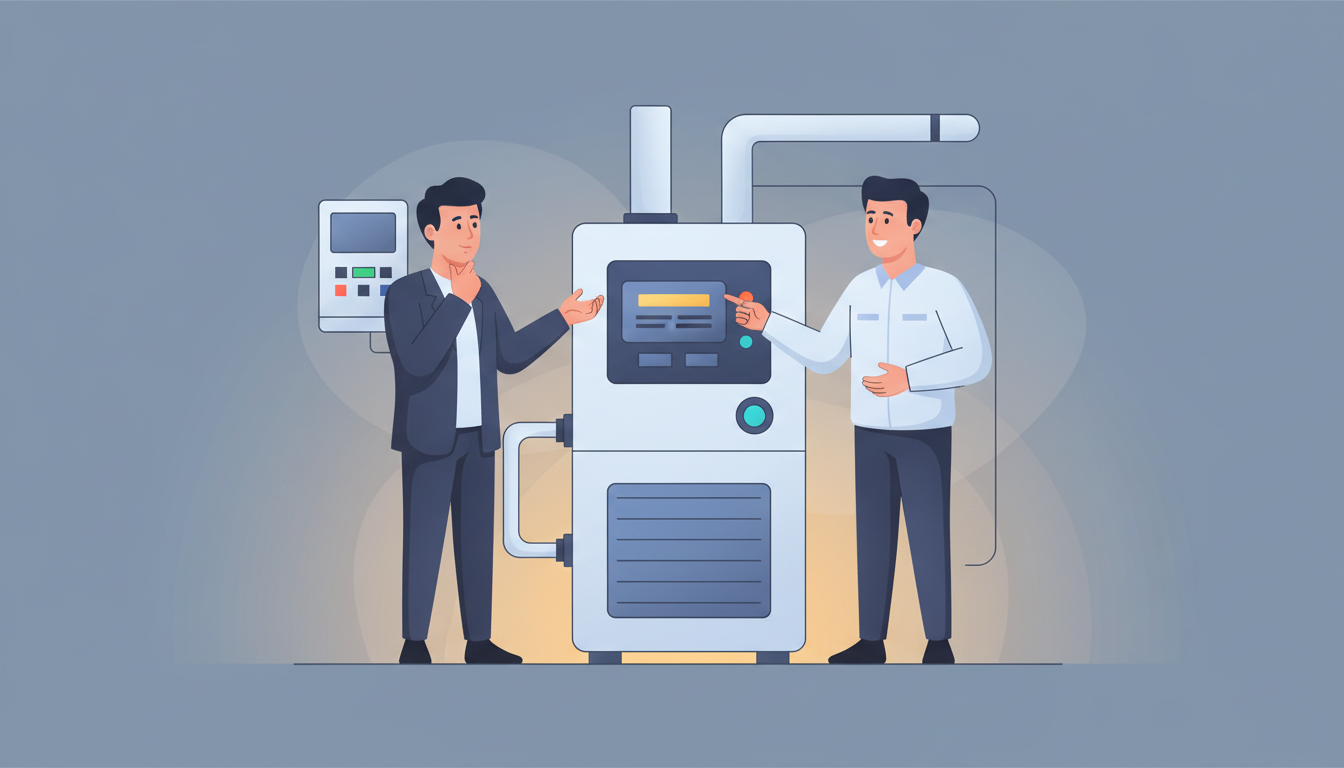
Don't settle for technical jargon or vague explanations. Ask the technician to explain the problem in simple terms, show you the failed component if possible, and explain what caused the failure.
Quality technicians welcome these questions and use them as teaching opportunities. They'll explain how different system components interact and what likely contributed to the current problem.
Did You Inspect the Entire System?
Many HVAC problems have multiple contributing factors. A refrigerant leak might indicate a failing compressor. Poor cooling could stem from ductwork issues rather than the air conditioner itself.
Ask specifically whether the technician examined:
- Electrical connections and capacitors - Loose connections cause premature equipment failure
- Condensate drain lines - Clogs can damage your system and your home
- Air filters and indoor coils - Restricted airflow stresses the entire system
- Outdoor unit condition - Debris and damage affect efficiency
- Ductwork for leaks - Even small leaks waste 20-30% of conditioned air
Comprehensive inspections identify problems before they become emergencies, giving you time to budget and plan repairs strategically.
What Are My Repair Options?
Rarely does only one solution exist for an HVAC problem. Quality technicians present multiple approaches with different price points and longevity expectations.
For example, if your compressor is failing, options might include:
- Temporary repairs to buy time
- Compressor replacement with the existing system
- Full system replacement if the unit is older
- Warranty-covered repairs if applicable
Each option has trade-offs regarding cost, reliability, and lifespan. Understanding all choices helps you make decisions aligned with your budget and long-term plans.
Understanding Costs: Questions That Prevent Surprises
Price transparency separates trustworthy contractors from those looking to maximize profit at your expense. These questions protect your wallet while ensuring quality work.
What Exactly Is Included in Your Quote?
A shocking number of homeowners receive final bills far exceeding initial estimates because they didn't clarify what the quote covered. Ask specifically about:
- Labor costs - Is this hourly or a flat rate for the job?
- Parts and materials - Are these itemized or bundled?
- Permits and inspections - Are these required and included?
- Disposal fees - Some companies charge separately for removing old equipment
- Warranty coverage - What's protected and for how long?
- Follow-up visits - Are these included if the problem persists?
Request an itemized written estimate before authorizing any work. This document becomes your protection if disputes arise.
Are You Using OEM or Aftermarket Parts?
Original Equipment Manufacturer (OEM) parts are designed specifically for your system and typically last longer. Aftermarket parts cost less but may not perform as reliably or last as long.
Neither choice is automatically wrong, but you should know which you're getting and how the decision affects your warranty coverage. Some manufacturer warranties become void if non-OEM parts are installed.
How Long Will This Repair Last?
This question forces the technician to assess the repair's durability honestly. A temporary fix that buys you six months is acceptable if that's your goal and the price reflects it. But paying for a "permanent" repair that fails within a year indicates either poor work or dishonest communication.
Understanding expected longevity also helps you plan future maintenance and budget for eventual replacement.
Do You Offer Financing or Payment Plans?
Major HVAC repairs can strain budgets. Many reputable companies offer financing options that make necessary repairs more manageable. Ask about interest rates, terms, and whether financing approval affects the timeline.
Some contractors partner with third-party financing companies, while others offer in-house payment plans. Understanding your options helps you proceed with necessary repairs rather than delaying them and risking more extensive damage.
Making the Repair vs. Replace Decision
When facing expensive repairs, this becomes the most critical question homeowners must answer. The right choice depends on multiple factors that your technician should help you evaluate.
How Do You Determine Whether I Should Repair or Replace?
Quality technicians use specific criteria to guide this recommendation:
- System age - Systems over 15 years old typically warrant replacement
- Repair cost relative to replacement cost - The 50% rule suggests replacing if repairs exceed half the replacement cost
- Efficiency ratings - Newer systems save 20-40% on energy costs
- Repair frequency - Multiple repairs within 12-24 months indicate declining reliability
- Refrigerant type - Older R-22 refrigerant is expensive and being phased out
Ask the technician to walk through their reasoning for each factor as it applies to your specific situation. This transparency builds trust and helps you understand the recommendation's basis.
What's My System's Remaining Lifespan?
Even if you choose to repair today, understanding your system's expected remaining lifespan helps you plan financially for eventual replacement. Most HVAC systems last 15-20 years with proper maintenance, but factors like climate, usage, and maintenance history affect individual systems.
Your technician can assess wear patterns, component condition, and manufacturer specifications to estimate remaining useful life reasonably accurately.
Will This Repair Affect My Energy Efficiency?
Some repairs restore full efficiency, while others simply get the system running again without addressing efficiency losses from aging components. Understanding this distinction helps you evaluate whether the repair makes financial sense or whether replacement's energy savings justify the higher upfront cost.
Questions About Execution and Timeline
Once you decide to proceed with repairs, these questions ensure the work meets your expectations and timeline.
How Long Will the Repair Take?
Understanding the timeline helps you plan around the disruption and set realistic expectations. If the technician says two hours but still isn't finished after five, that's important information about either the problem's complexity or the technician's initial assessment accuracy.
For multi-day repairs, ask about daily progress expectations and whether your system will be functional overnight.
What Could Go Wrong or Cause Delays?
Experienced technicians know that HVAC repairs sometimes reveal unexpected complications. Ask about potential issues that might extend the timeline or increase costs.
For example, a simple capacitor replacement might reveal corroded electrical connections requiring additional work. Knowing these possibilities in advance prevents frustration and helps you budget appropriately.
Will My Home Be Comfortable During the Repair?
For repairs requiring system shutdown, especially during extreme weather, ask how long you'll be without heating or cooling. If the timeline is extended, discuss alternative arrangements or temporary solutions.
Some contractors provide portable units for major repairs during peak summer or winter months. Others can prioritize getting partial functionality restored quickly.
What Happens If the Problem Persists?
Reputable contractors stand behind their work. Ask specifically about their callback policy if the problem returns or doesn't fully resolve.
Many companies offer 30-day guarantees on labor, though parts warranties vary. Understanding this coverage before work begins clarifies your recourse if issues arise.
After the Repair: Ensuring Long-Term Success
The repair itself is only part of achieving better HVAC outcomes. These follow-up questions maximize your investment and prevent future problems.
What Caused This Problem?
Understanding root causes helps you prevent recurrence. If poor maintenance caused the failure, you know to improve your maintenance schedule. If the issue stemmed from improper installation or undersized equipment, you can plan accordingly for future needs.
Ask whether anything in your system usage or home contributed to the problem, and whether changes could extend your system's life.
What Maintenance Does My System Need Now?
Many repairs create opportunities to address deferred maintenance or improve system performance. Ask about recommended maintenance tasks, their urgency, and realistic timelines for completion.
This might include air duct cleaning, filter upgrades, or programmable thermostat installation. Prioritizing these improvements based on impact helps you budget effectively.
How Often Should I Schedule Professional Maintenance?
Most HVAC systems benefit from annual professional maintenance, though twice-yearly service provides additional protection and can extend system life significantly. Ask your technician to recommend a schedule based on your specific system, usage patterns, and local climate.
Many companies offer maintenance plans that include scheduled tune-ups, priority service, and discounts on repairs. Evaluate whether these programs make financial sense for your situation.
What Warning Signs Should I Watch For?
Understanding early warning signs of problems helps you catch issues before they become emergencies. Ask your technician about specific indicators relevant to your system type and age.
Common warning signs include:
- Unusual noises or vibrations
- Inconsistent temperatures between rooms
- Longer run times or frequent cycling
- Unexpected increases in energy bills
- Musty odors or excess humidity
Catching these early often means simple, inexpensive fixes rather than major repairs.
Recognizing Red Flags in Responses
The answers you receive matter as much as the questions you ask. These warning signs suggest you should seek a second opinion:
Pressure tactics or urgency creation. Legitimate safety concerns warrant immediate action, but manufactured urgency often signals dishonest practices.
Reluctance to explain. Quality technicians enjoy educating homeowners. Those who become defensive or dismissive when questioned may lack confidence in their diagnosis or recommendations.
Vague cost estimates. "Somewhere between $500 and $2,000" doesn't give you useful planning information. Accurate estimates require thorough diagnosis, but ranges should be reasonably narrow.
Recommendations that don't match the problem. If your issue involves cooling but the technician recommends furnace replacement, question the logic unless they can explain the connection clearly.
Refusal to provide written documentation. All diagnoses, estimates, and warranties should be in writing. Verbal promises become meaningless if problems arise later.
Frequently Asked Questions
Should I be present during the repair?
You don't need to hover, but being available for questions and observing the work gives you confidence in the process. Most technicians appreciate engaged homeowners who want to understand their systems.
How many quotes should I get for major repairs?
For repairs exceeding $1,000, getting 2-3 quotes helps you understand whether pricing is reasonable and whether diagnoses align. However, avoid automatically choosing the lowest bid without understanding why prices differ.
What if I can't afford the recommended repair?
Discuss your budget constraints honestly. Many contractors can suggest temporary fixes, payment plans, or phased approaches that keep your system functional while you budget for complete repairs.
Can I do any HVAC work myself?
Some maintenance tasks like filter changes are homeowner-friendly, but repairs involving refrigerant, electrical work, or gas lines require professional licensing for both safety and legal reasons.
How do I verify a technician's recommendations?
For major expenses, seeking a second opinion is completely reasonable. You can also research typical costs for your repair type online, though prices vary by region and system type.
Taking Control of Your HVAC Repair Outcomes
The difference between a frustrating HVAC repair experience and a successful one often comes down to communication. Homeowners who ask strategic questions, understand the answers, and make informed decisions consistently achieve better outcomes.
Your questions serve multiple purposes: they educate you about your system, establish accountability with your contractor, prevent unnecessary costs, and help you make better decisions about repair versus replacement. They also help you identify trustworthy contractors who welcome transparency and build relationships with service providers who will serve your needs for years to come.
Don't let discomfort or urgency push you into hasty decisions. Take time to ask these questions, evaluate the answers critically, and choose contractors who demonstrate expertise, honesty, and respect for your needs. Your HVAC system represents a significant investment in your home's comfort and value—protecting that investment through strategic questioning makes solid financial sense.
Ready to find a trustworthy HVAC contractor who welcomes your questions and delivers quality results? Start by understanding what separates reliable service providers from the rest, and use these questions to guide every interaction from initial contact through final follow-up.