Why Is My HVAC Closet Wet? (Common Causes + Easy Fixes)
Why Is My HVAC Closet Wet? (Common Causes + Easy Fixes)
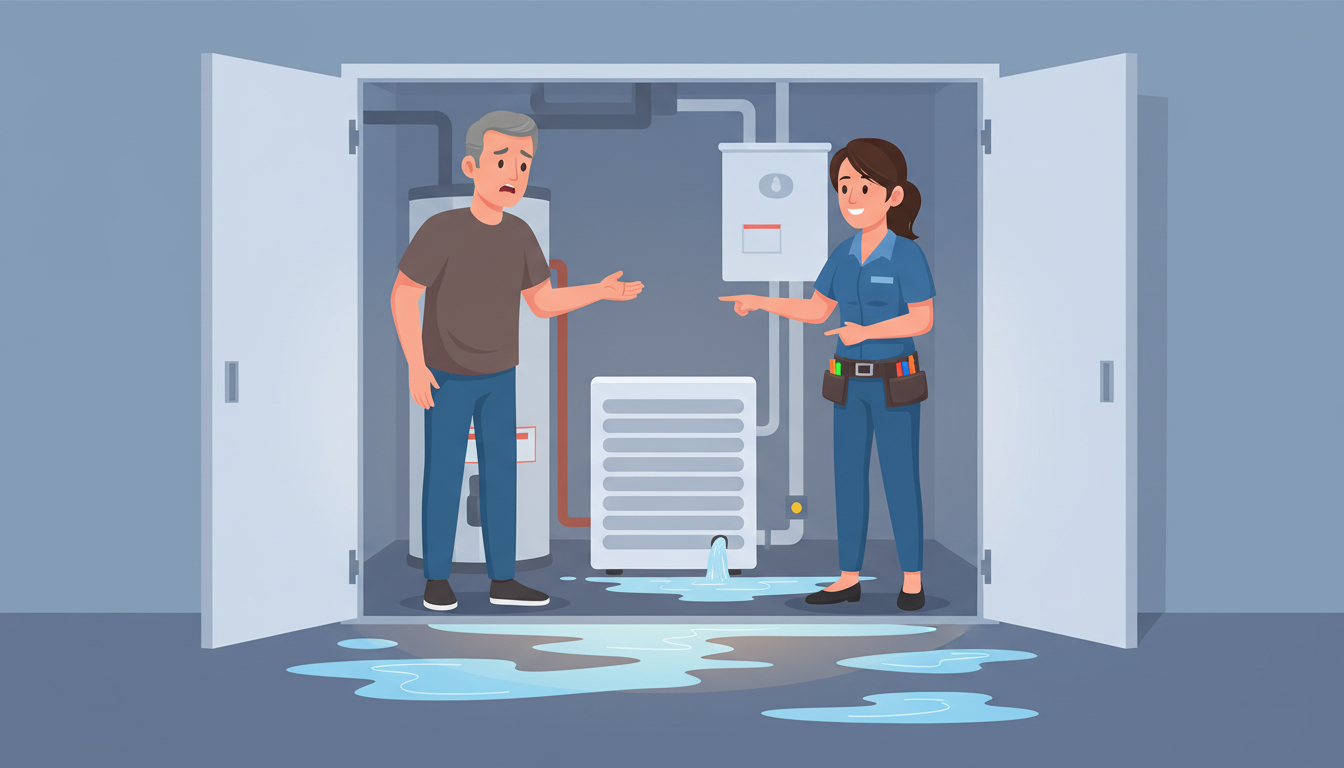
Finding water in your HVAC closet is never a good sign. Whether you've noticed puddles on the floor, damp walls, or a musty smell coming from your utility closet, moisture around your heating and cooling system can lead to serious problems like mold growth, water damage, and even equipment failure. The good news? Most HVAC closet moisture issues have straightforward causes and solutions you can address before they become expensive emergencies.
What Causes a Wet HVAC Closet?
When you discover moisture in your HVAC closet, it's usually coming from one of several common sources. Understanding what's causing the problem is the first step toward fixing it and preventing future water damage.
1. Clogged Condensate Drain Line
The most frequent culprit behind a wet HVAC closet is a clogged condensate drain line. Your air conditioning system naturally produces water as it cools the air in your home. This condensation should drain away through a dedicated pipe that leads outside or to a drain.
Over time, algae, mold, dirt, and debris can build up inside this drain line and create a blockage. When the drain line clogs, water backs up into the drain pan and eventually overflows onto your closet floor. You might see water pooling around the base of your air handler or dripping down the sides of the unit.
Signs of a clogged drain line:
- Water pooling around the air handler base
- Gurgling sounds from the drain line
- Visible standing water in the drain pan
- Musty odors in the HVAC closet
2. Damaged or Overflowing Drain Pan
Your HVAC system has a drain pan (also called a drip pan) that catches condensation from the evaporator coil. If this pan develops cracks, rust holes, or simply overflows due to drainage issues, water will leak into your closet.
Primary drain pans are located directly beneath the evaporator coil and are part of the air handler unit. Many systems also have a secondary overflow pan underneath as a backup. If you're seeing water, it often means both the primary drain and the overflow pan have failed to do their jobs.
Older HVAC systems are especially prone to rusted-through drain pans, particularly in humid climates where condensation is constant during cooling season.
3. Frozen Evaporator Coil
When your evaporator coil freezes and then thaws, it can produce more water than your drain system can handle. A frozen coil typically results from restricted airflow or low refrigerant levels.
Common causes of frozen coils:
- Dirty air filters blocking airflow
- Blocked return air vents
- Low refrigerant due to leaks
- Dirty evaporator coil fins
- Malfunctioning blower fan
When the ice melts, it creates a sudden rush of water that overwhelms the drain pan, leading to puddles in your HVAC closet. If you notice ice forming on the copper refrigerant lines or the coil itself, you're dealing with a freezing issue.
4. Air Handler Condensation (Sweating)
In hot, humid climates, the exterior of your air handler can develop condensation just like a cold glass of water on a summer day. This happens when warm, moisture-laden air in the closet comes into contact with the cold metal surfaces of the air handler cabinet.
This type of condensation is particularly common if:
- Your HVAC closet isn't well-sealed from outdoor air
- There's poor insulation on the air handler
- The closet has inadequate ventilation
- Humid outdoor air is entering through gaps in walls or ceilings
The condensation forms droplets that run down the outside of the unit and create puddles on the closet floor. Unlike drain line issues, this moisture forms on the outside of the equipment rather than inside it.
5. Refrigerant Leak
While less common, a refrigerant leak can cause your system to malfunction and produce excess moisture. Low refrigerant levels cause the evaporator coil to get too cold, leading to freezing, ice buildup, and eventually water overflow when the ice melts.
Warning signs of refrigerant leaks:
- Hissing or bubbling sounds from the refrigerant lines
- Ice formation on copper pipes or coils
- Reduced cooling performance
- Higher electric bills
- Sweet or chemical odor near the unit
Refrigerant leaks require professional attention and shouldn't be addressed as a DIY project. The refrigerant is under pressure and requires special equipment to handle safely.
6. Disconnected or Damaged Drain Line
Sometimes the drain line itself becomes disconnected, cracked, or develops holes. Even if the line isn't clogged, a physical break in the drainage system will allow water to leak into your closet instead of draining properly.
Check the entire length of visible drain line for:
- Loose connections or fittings
- Cracks or splits in PVC pipe
- Missing pipe sections
- Improper slope (drain lines need to slope downward)
How to Diagnose the Problem
Before you call an HVAC technician, you can perform a few simple checks to identify the source of moisture in your closet. Understanding what's wrong will help you communicate effectively with a professional or potentially fix simple issues yourself.
Step 1: Check for Active Leaks
Turn on your air conditioning and watch the air handler and surrounding pipes for 15-20 minutes. Look for:
- Dripping water from any connection points
- Condensation forming on the outside of the unit
- Water overflowing from the drain pan
- Ice formation on refrigerant lines or the coil
Step 2: Inspect the Drain Pan
Use a flashlight to look at the drain pan beneath your air handler. If your system has an access panel, remove it to check the primary pan. Look for:
- Standing water in the pan
- Rust or corrosion holes
- Cracks or visible damage
- Algae or slime buildup
Step 3: Test the Drain Line
Locate where your condensate drain line exits the air handler. Pour a cup of water into the drain pan (or access port if available). The water should drain away quickly. If it drains slowly or not at all, you have a clog.
You can also check where the drain line terminates (usually outside your home or at a floor drain). If water isn't coming out when your AC runs, the line is blocked somewhere.
Step 4: Check Your Air Filter
A dirty air filter is one of the most common causes of freezing coils. Remove your air filter and hold it up to a light. If you can't see light through it, it needs replacement. Dirty filters restrict airflow and cause the evaporator coil to freeze.
Quick Fixes You Can Try
Some HVAC closet moisture problems have simple solutions you can implement before calling a professional. These DIY fixes work for common issues and can save you money on service calls.
Clean a Clogged Drain Line
For minor clogs, you can often clear the drain line yourself:
- Turn off your HVAC system at the thermostat and breaker
- Locate the drain line access point (usually a T-shaped vent with a cap)
- Remove the cap and use a wet/dry vacuum to suction out the clog
- Flush with water - pour a cup of water mixed with vinegar down the line
- Wait 30 minutes, then flush with clean water
- Replace the cap and turn your system back on
Some homeowners use drain line cleaning tablets or bleach solutions monthly to prevent algae buildup, though vinegar is a safer, eco-friendly option.
Replace Your Air Filter
If you suspect frozen coil issues, start with the simplest fix:
- Turn off your HVAC system
- Locate and remove the air filter (usually in a return vent or at the air handler)
- Check the filter size printed on the frame edge
- Install a new filter with arrows pointing toward the air handler
- Set a reminder to check it monthly and replace every 1-3 months
Regular filter changes are the single most effective preventive maintenance you can perform.
Seal Air Leaks in the Closet
If condensation on the outside of your air handler is the problem, reducing humidity in the closet space can help:
- Seal gaps around pipes, wires, or ductwork entering the closet
- Weather-strip the closet door
- Ensure the closet isn't connected to a humid attic or crawl space
- Consider adding insulation wrap to the air handler cabinet
Clear the Drain Pan
If water is sitting in the drain pan but the drain line is clear:
- Turn off the system
- Use a wet/dry vacuum or towels to remove standing water
- Clean the pan with a mixture of water and vinegar
- Check that the pan is level and hasn't shifted
- Ensure the drain opening isn't blocked by debris
When to Call a Professional
While some moisture issues are DIY-friendly, certain situations require professional HVAC expertise. Call a licensed technician if you notice:
- Ice on the evaporator coil or refrigerant lines - This indicates refrigerant issues or airflow problems that need professional diagnosis
- Persistent clogs that return quickly - Professional equipment can clear stubborn blockages and sanitize the line
- Cracked or rusted drain pans - These need replacement, which involves accessing internal components
- Refrigerant leaks - Refrigerant handling requires EPA certification
- Electrical issues - Buzzing sounds, tripped breakers, or burnt smells need immediate professional attention
- Extensive mold growth - Professional remediation may be necessary
For guidance on when HVAC issues require emergency attention, check out this comprehensive HVAC repair guide.
The Real Cost of Ignoring a Wet HVAC Closet
A damp HVAC closet might seem like a minor annoyance, but ignoring moisture problems can lead to expensive consequences:
Mold and Mildew Growth: Within 24-48 hours of water exposure, mold can begin growing on walls, insulation, and surrounding materials. Mold remediation can cost thousands of dollars and poses health risks to your family.
Structural Damage: Persistent moisture weakens drywall, rots wood framing, and damages flooring. What starts as a small leak can compromise the structural integrity of your home.
Equipment Failure: Water damage to electrical components, circuit boards, and motors can destroy your HVAC system. Replacing an air handler or entire AC system costs $2,000-$8,000 or more.
Higher Energy Bills: A malfunctioning HVAC system works harder to cool your home, consuming more electricity and increasing your monthly costs.
If you're already seeing signs of water damage, learn more about how water damage gets worse from HVAC leaks.
Preventing Future HVAC Closet Moisture
Once you've solved your immediate moisture problem, take steps to prevent it from returning:
Schedule Regular HVAC Maintenance
Professional maintenance twice a year (spring and fall) catches small problems before they become expensive emergencies. During a maintenance visit, technicians will:
- Inspect and clean the evaporator coil
- Check refrigerant levels
- Clear the condensate drain line
- Inspect the drain pan for damage
- Test all safety switches and controls
- Replace worn components
Change Air Filters Consistently
Set calendar reminders to check your filter monthly. Homes with pets, allergies, or high dust levels may need monthly replacements, while others can go 2-3 months between changes.
Install Drain Line Safety Devices
Consider adding these protective devices:
- Float switch: Automatically shuts off your AC if the drain pan fills with water
- Drain line alarm: Alerts you to water backup before overflow occurs
- Secondary drain line: Provides backup drainage if the primary line clogs
Monitor Your HVAC Closet
Make it a habit to check your HVAC closet monthly:
- Look for puddles or damp spots
- Check for musty odors that indicate mold
- Listen for unusual sounds like dripping or gurgling
- Verify the drain line is dripping when AC runs (normal condensation)
Improve Closet Ventilation
If your HVAC closet feels humid or stuffy:
- Ensure the closet door has ventilation louvers if required by code
- Consider adding a small dehumidifier if the space is consistently damp
- Install insulation on cold water lines that may be contributing to condensation
For more detailed information about specific water leak scenarios, visit our guide on HVAC systems leaking water.
Understanding Your HVAC System's Normal Operation
It's important to know that some moisture around your HVAC system is completely normal. During cooling season, your air conditioner removes humidity from indoor air as part of the cooling process. This water should drain away through the condensate line.
Normal moisture indicators:
- A steady drip from the outdoor condensate drain line when AC runs
- Slight dampness in the primary drain pan during operation
- Cool (not frozen) refrigerant lines with minimal condensation
Abnormal moisture indicators:
- Puddles on the closet floor
- Standing water in the overflow pan
- No water dripping from the outdoor drain line when AC runs
- Ice formation anywhere on the system
- Excessive condensation dripping from the air handler cabinet
Frequently Asked Questions
How much does it cost to fix a wet HVAC closet?
Repair costs vary widely depending on the cause. Simple drain line cleaning costs $75-$150. Drain pan replacement runs $200-$600. Fixing frozen coils due to refrigerant leaks costs $200-$1,500. Severe mold remediation can exceed $3,000. Early detection and quick action keep costs minimal.
Can I run my AC if my HVAC closet is wet?
You should turn off your system immediately if you discover active leaking or standing water. Continuing to run the AC with a water problem can cause electrical damage, mold growth, and equipment failure. Identify and fix the source before resuming operation.
How often should I clean my AC drain line?
Most HVAC professionals recommend cleaning your condensate drain line once per year as part of routine maintenance. In humid climates or if you've had previous clogs, consider cleaning it every 3-6 months. Monthly vinegar flushes can prevent buildup.
Is condensation on my air handler normal?
Minor condensation on cold refrigerant lines is normal. However, significant moisture forming on the outside of your air handler cabinet indicates a problem—usually poor insulation or excessive humidity in the closet space. This isn't normal and should be addressed.
Will a clogged drain line cause my AC to stop working?
Many modern HVAC systems have float switches that automatically shut off the system if the drain pan fills with water. This is a safety feature to prevent water damage and electrical issues. If your AC suddenly stops working and you find water in the closet, a clogged drain line is likely the cause.
Take Action Before Small Leaks Become Big Problems
A wet HVAC closet won't fix itself, and moisture problems only get worse with time. Whether you're dealing with a clogged drain line, a frozen coil, or condensation issues, taking quick action protects your home and your HVAC investment.
Start with the simple diagnostic steps and DIY fixes outlined above. For anything beyond basic maintenance, don't hesitate to call a qualified HVAC technician. The cost of a professional repair is always less than the cost of water damage, mold remediation, or complete system replacement.
Your HVAC system works hard to keep your family comfortable year-round. A little preventive care and attention to moisture issues will ensure it continues running efficiently for many years to come.
Need professional help with your HVAC system? Contact a licensed technician in your area for a thorough inspection and repair estimate. Regular maintenance is your best defense against costly water damage and unexpected breakdowns.