
What HVAC Problems Can Wait Until Morning? Your Emergency Decision Guide
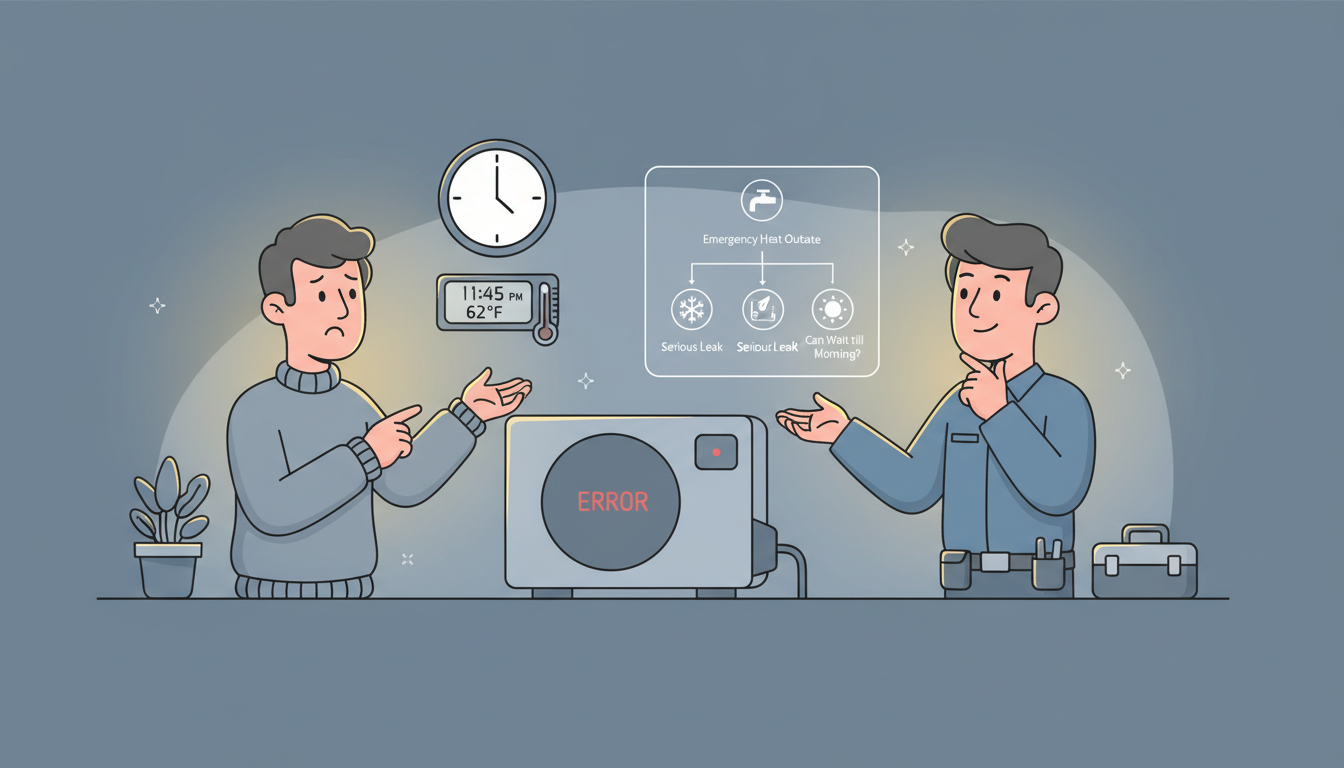
What HVAC Problems Can Wait Until Morning? Your Emergency Decision Guide
It's 2 AM, and you just woke up to an uncomfortably warm bedroom. Your air conditioner seems to be struggling, or maybe your furnace has stopped working altogether. You're lying there wondering: should I call an emergency HVAC technician right now, or can this wait until morning?
This is one of the most common dilemmas homeowners face. Emergency HVAC service calls often come with premium pricing—sometimes $50 to $150 extra for after-hours visits—so knowing which HVAC problems can wait until morning and which require immediate attention can save you money while keeping your family safe.
Understanding HVAC Emergencies vs. Non-Urgent Issues
Not every HVAC problem requires a midnight service call. The key is understanding the difference between a genuine emergency and an inconvenience that can be addressed during regular business hours.
A true HVAC emergency involves one or more of these factors:
- Immediate safety risks to you or your family
- Potential for serious property damage
- Complete system failure during extreme weather conditions
- Health risks, especially for vulnerable household members
Problems that can typically wait until morning include:
- Minor temperature fluctuations or reduced efficiency
- Unusual but non-threatening noises
- Higher-than-normal energy bills
- Dirty filters or routine maintenance alerts
Let's break down specific scenarios so you can make an informed decision when your system acts up in the middle of the night.
HVAC Problems That Require Immediate Attention (Don't Wait!)
Gas Leaks or Gas Smell
Never wait if you smell gas. Natural gas has a distinctive rotten egg or sulfur smell added specifically for safety detection. If you detect this odor near your furnace, boiler, or gas-powered HVAC system:
- Evacuate everyone from your home immediately
- Do not turn on lights, use phones, or create any sparks
- Call your gas company's emergency line from outside
- Do not re-enter until professionals clear the area
Gas leaks pose explosion and carbon monoxide poisoning risks—this is always a life-threatening emergency that cannot wait until morning.
Electrical Problems and Fire Hazards
Electrical HVAC problems can become fire risks faster than you might think. Call for emergency service immediately if you notice:
- Burning smells from your HVAC unit or vents
- Visible smoke or sparks from the system
- Circuit breakers repeatedly tripping when the HVAC runs
- Scorch marks around electrical connections
- Exposed or damaged wiring near the unit
Electrical fires can develop quickly, especially in older systems. These situations demand immediate professional attention, regardless of the hour.
Carbon Monoxide Detector Activation
If your carbon monoxide detector sounds at any time, treat it as a critical emergency. Carbon monoxide is an odorless, colorless gas that can be fatal.
Immediate steps:
- Move everyone outside to fresh air immediately
- Call 911 or your local emergency services
- Do not re-enter your home until emergency responders declare it safe
- Have your HVAC system thoroughly inspected before using it again
Faulty furnaces and heating systems are common sources of carbon monoxide leaks, particularly in older equipment.
Complete System Failure in Extreme Weather
When your heating or cooling system completely fails during dangerous weather conditions, it becomes an emergency—particularly if you have vulnerable family members.
Call for emergency HVAC repair if:
- Your heat goes out when outdoor temperatures drop below freezing
- Your air conditioning fails during a heat wave (temperatures above 90°F)
- You have infants, elderly family members, or anyone with health conditions in your home
- Pets that are temperature-sensitive rely on climate control
Extreme temperatures can cause hypothermia, heatstroke, and other serious health issues within hours. While a minor loss of comfort can wait, a complete failure during severe weather typically cannot.
Refrigerant Leaks
A refrigerant leak might sound non-urgent, but it's actually a safety concern that needs prompt attention. Signs include:
- Hissing or bubbling sounds from your AC unit
- Ice buildup on refrigerant lines or coils
- The system running but producing no cool air
- Unusual chemical smells
While you might be able to wait until morning if you discover this late at night, you should turn off your system and schedule service first thing. Refrigerant exposure can cause health issues, and continued operation can severely damage your compressor—turning a moderate repair into a major expense.
Major Water Leaks
Small amounts of condensation are normal, but significant water leaks require immediate attention if:
- Water is actively flooding or pooling around your HVAC unit
- You see water stains spreading on ceilings or walls
- The leak could damage flooring, furniture, or electrical systems
- Water is dripping near electrical components
Turn off your system immediately and call for emergency service if the leak poses risks to your home's structure or electrical safety. Understanding when you need emergency HVAC repair can prevent thousands in water damage.
HVAC Problems That Can Safely Wait Until Morning
Minor Temperature Fluctuations
Your home is a few degrees warmer or cooler than your thermostat setting, but it's not dangerously hot or cold. This typically indicates:
- A thermostat calibration issue
- Dirty air filters reducing efficiency
- Minor refrigerant loss
- Ductwork issues
What to do overnight:
- Adjust your thermostat a few degrees to compensate
- Close blinds or curtains to retain temperature
- Use fans to circulate air
- Layer clothing or use extra blankets if it's slightly cold
These issues are inconvenient but rarely constitute emergencies. Schedule a service call during regular business hours to avoid after-hours fees.
Unusual Noises (Non-Critical)
HVAC systems naturally make some sounds, but new noises can be concerning. However, if your system continues operating, these noises can usually wait:
- Rattling or banging: Often loose panels or components
- Humming: May indicate electrical issues, but not immediately dangerous if system works
- Clicking: Could be normal relay sounds or thermostat operation
- Whistling: Typically indicates airflow issues or dirty filters
When noises CAN wait:
- The system still heats or cools adequately
- The sounds aren't getting progressively louder
- There's no smell of burning or visible smoke
- The unit isn't shutting down repeatedly
When to call immediately:
- Grinding or screeching sounds (indicates bearing failure)
- Noises accompanied by burning smells
- Loud popping followed by system shutdown
Thermostat Malfunctions
If your thermostat isn't responding correctly but your system still runs, this usually isn't an emergency. Common thermostat issues include:
- Display not showing correct temperature
- Difficulty changing settings
- Batteries dying in wireless models
- Programming errors
Overnight solutions:
- Replace thermostat batteries if applicable
- Check circuit breakers for the thermostat
- Try resetting the thermostat per manufacturer instructions
- Manually set the system to "on" if automatic settings fail
Call during business hours unless your home temperature becomes dangerously uncomfortable.
Short Cycling (Frequent On/Off)
Short cycling—when your system turns on and off frequently—indicates a problem but rarely requires emergency service. Causes include:
- Oversized HVAC unit for your space
- Dirty air filters restricting airflow
- Thermostat placement issues
- Refrigerant charge problems
What to do:
- Change your air filter if it's dirty
- Ensure vents and returns aren't blocked
- Verify thermostat isn't near heat sources or drafts
- Monitor if the system still maintains temperature
If your home stays comfortable despite the short cycling, wait for regular business hours to have it inspected. Continued short cycling does waste energy and wear out components faster, but it's not immediately dangerous.
Reduced Airflow
Weak airflow from your vents is frustrating but typically not urgent. Common causes include:
- Clogged air filters (most common)
- Closed or blocked vents
- Ductwork issues
- Blower motor problems
Immediate checks:
- Replace or clean air filters
- Ensure all vents are open and unobstructed
- Check that furniture isn't blocking returns
- Verify the blower fan setting on your thermostat
If airflow is reduced but still present, you can wait until morning to call for service.
Higher Energy Bills Without Performance Issues
If you notice your energy costs creeping up but your HVAC system still heats and cools effectively, this indicates reduced efficiency rather than an emergency. Schedule a comprehensive HVAC repair and maintenance visit during regular hours.
Common causes of reduced efficiency include:
- Aging equipment naturally losing efficiency
- Dirty coils or components
- Ductwork air leaks
- Improper system sizing or installation
Dusty or Musty Smells (Not Burning)
When you first turn on your heating system for the season, a dusty smell is normal as accumulated dust burns off. A musty smell might indicate:
- Mold or mildew in ductwork
- Dirty evaporator coils
- Clogged condensate drain
While these should be addressed for indoor air quality, they're not emergency situations. Run your system with windows cracked if the smell bothers you, and schedule service during business hours.
Important distinction: Dusty smells are different from burning electrical or plastic smells, which require immediate attention.
Making the Emergency Decision: Key Questions to Ask
When your HVAC system malfunctions at night, ask yourself these questions:
1. Is Anyone's Safety at Risk?
Call immediately if:
- You smell gas
- Carbon monoxide detector is alarming
- You see smoke or sparks
- Anyone in your home has difficulty breathing due to temperature
Can wait if:
- Everyone is uncomfortable but safe
- You can manage temperature with temporary solutions
- Health concerns are minimal
2. Will Waiting Cause Property Damage?
Call immediately if:
- Water is actively leaking and spreading
- Ice is forming on pipes due to heating failure
- Electrical components are exposed to moisture
Can wait if:
- Minor condensation with no spread
- Contained small leaks
- No risk to structure or belongings
3. Can You Maintain Livable Conditions Until Morning?
Call immediately if:
- Temperature is dropping below 50°F or rising above 85°F indoors
- Vulnerable household members cannot tolerate the conditions
- Weather forecast shows worsening conditions
Can wait if:
- Indoor temperature remains between 60-80°F
- You have alternative climate control methods
- Morning is only a few hours away
4. Is the Problem Getting Worse?
Call immediately if:
- Sounds are getting louder or more frequent
- Smells are intensifying
- System is cycling more rapidly
- New symptoms are appearing
Can wait if:
- The issue is stable and consistent
- System still provides some heating or cooling
- No progression of symptoms
Temporary Solutions to Make It Through the Night
If you determine your HVAC problem can wait until morning, here are safe temporary solutions:
For Heating Issues in Cold Weather
- Close off unused rooms to concentrate heat in occupied areas
- Use space heaters safely (never leave unattended, keep away from flammable items)
- Layer clothing and use extra blankets
- Close blinds and curtains to reduce heat loss
- Place towels at door bottoms to prevent drafts
- Gather family in one central room to share body heat
For Cooling Issues in Hot Weather
- Open windows if outdoor temperature is cooler (and safe to do so)
- Use fans to circulate air and create wind chill effect
- Close blinds and curtains during day to block heat
- Avoid using heat-generating appliances (ovens, dryers)
- Stay hydrated with cool water
- Use cool, damp cloths on wrists and neck
- Move to coolest room in your home (usually basement)
General Safety Tips
- Never use gas ovens or stoves for heating—this creates carbon monoxide poisoning risk
- Don't run generators indoors—they also produce deadly carbon monoxide
- Keep emergency contacts handy including your HVAC company and gas company
- Monitor vulnerable family members closely for signs of temperature-related distress
- Document the problem with photos or videos for your technician
Understanding After-Hours Service Costs
Emergency HVAC service typically costs more than regular appointments. Here's what to expect:
- After-hours fees: Usually $50-$150 on top of regular service rates
- Weekend surcharges: May apply in addition to night rates
- Holiday pricing: Can be significantly higher (sometimes double)
- Trip charges: Typically $75-$150 just for the technician to arrive
When premium pricing is worth it:
- Safety hazards are present
- Property damage is occurring or imminent
- Extreme weather endangers health
- The cost of waiting exceeds the emergency fee
When you can save money by waiting:
- The problem is stable and non-threatening
- You can manage conditions safely overnight
- No safety risks are present
- Regular business hours are less than 8-10 hours away
Preventive Measures to Avoid Late-Night HVAC Crises
The best way to handle nighttime HVAC emergencies is to prevent them:
Regular Maintenance Schedule
- Professional inspections twice annually (spring and fall)
- Air filter changes every 1-3 months depending on usage
- Clean outdoor units of debris and vegetation
- Check thermostat batteries before heating and cooling seasons
Warning Sign Awareness
- Address small issues promptly before they become emergencies
- Listen for unusual sounds and have them checked
- Monitor energy bills for sudden increases
- Notice performance changes in heating or cooling
Safety Equipment
- Install carbon monoxide detectors on every floor and near bedrooms
- Test detectors monthly and replace batteries annually
- Keep fire extinguishers accessible near HVAC equipment
- Know where your main electrical panel is to shut off power if needed
Emergency Preparedness
- Keep your HVAC company's emergency number saved in your phone
- Know your gas company's emergency hotline
- Have alternative heating/cooling options available (portable fans, space heaters)
- Maintain an emergency kit with flashlights, blankets, and water
What to Tell Your HVAC Technician
When you do call for service—emergency or scheduled—provide clear information:
Essential Details
- Specific symptoms: What is the system doing or not doing?
- When it started: How long has the problem been occurring?
- Recent changes: Any new sounds, smells, or behaviors?
- What you've tried: Filters changed, thermostat adjustments, etc.
- System age: How old is your HVAC equipment?
- Household factors: Vulnerable people, pets, or special circumstances
Safety Concerns
- Any smells (gas, burning, musty)
- Visible problems (smoke, water, ice, sparks)
- Detector alarms (carbon monoxide, smoke)
- Electrical issues (tripped breakers, flickering lights)
Clear communication helps technicians arrive prepared with the right tools and parts, potentially resolving your issue faster.
Frequently Asked Questions
Can I run my HVAC system if it's making strange noises?
It depends on the noise. Rattling or humming noises usually mean the system is safe to run until morning. However, grinding, screeching, or loud banging sounds indicate serious mechanical problems—turn off your system immediately to prevent further damage. If you hear hissing, this could indicate a refrigerant or gas leak, which requires shutting down and calling for service.
How do I know if my HVAC problem is an emergency?
Ask yourself three key questions: Is anyone's safety at risk? Could waiting cause serious property damage? Can household members tolerate the indoor temperature until morning? If you answer "yes" to the first two questions or "no" to the third, treat it as an emergency. Gas smells, electrical issues, carbon monoxide detector alarms, and complete system failure in extreme weather are always emergencies.
Is it safe to leave my house if I suspect a gas leak?
Yes, you should evacuate immediately if you suspect a gas leak. Natural gas leaks are extremely dangerous and can cause explosions or carbon monoxide poisoning. Don't turn on lights, use phones, or create any sparks inside your home. Call your gas company's emergency line from outside your home and wait for professionals to clear the building before re-entering.
What's the average cost difference between emergency and regular HVAC service?
Emergency HVAC service typically costs $50-$150 more than regular service calls due to after-hours fees. This is in addition to the standard diagnostic fee (usually $75-$150) and any repair costs. Weekend emergency calls may have additional surcharges, and holiday rates can be double normal pricing. If your problem can safely wait until regular business hours, you could save several hundred dollars.
How can I prevent HVAC emergencies from happening at night?
Regular preventive maintenance is your best defense. Schedule professional HVAC inspections twice per year (before heating and cooling seasons), change air filters every 1-3 months, and address small problems before they escalate. Install and maintain carbon monoxide detectors, keep outdoor units clear of debris, and monitor your system's performance for changes in sounds, smells, or efficiency. Most emergency breakdowns result from neglected maintenance issues.
Conclusion: Trust Your Instincts, Prioritize Safety
When your HVAC system malfunctions in the middle of the night, the decision to call for emergency service or wait until morning ultimately comes down to safety and comfort. While many HVAC problems can safely wait until regular business hours—saving you significant money on after-hours fees—genuine emergencies involving gas leaks, electrical hazards, carbon monoxide, or extreme temperature conditions require immediate professional attention.
Remember these key principles:
- Safety always comes first: Never ignore gas smells, smoke, sparks, or carbon monoxide alarms
- Consider vulnerable household members: Infants, elderly, and those with health conditions need special consideration
- Assess your tolerance: If you can maintain safe, livable conditions until morning, waiting is usually fine
- When in doubt, call: Most HVAC companies offer phone consultations to help you assess the urgency
The most important step you can take is prevention. Regular maintenance, prompt attention to minor issues, and proper safety equipment installation can help you avoid most late-night HVAC crises altogether.
If you're unsure whether your HVAC problem constitutes an emergency, don't hesitate to call your HVAC provider for guidance. Many companies offer phone consultations to help homeowners make informed decisions—potentially saving you both money and worry during those anxious middle-of-the-night moments.
Stay safe, stay comfortable, and know that with the right information, you can confidently handle whatever HVAC challenges come your way—even at 2 AM.