How HVAC Repair Costs Are Really Determined: The Complete Breakdown
How HVAC Repair Costs Are Really Determined: The Complete Breakdown
When your HVAC system breaks down, the last thing you want is a repair bill that catches you off guard. Understanding how HVAC repair costs are determined can help you budget better, spot fair pricing, and avoid overpaying for necessary repairs. Let's break down exactly what goes into your HVAC repair estimate and why some repairs cost more than others.
The Real Factors Behind HVAC Repair Pricing
HVAC repair costs aren't pulled out of thin air. Professional contractors use a standardized approach to determine pricing, but several key factors influence the final number on your invoice.
Service Call Fees: The Starting Point
Before any repair work begins, you'll typically pay a service call fee ranging from $75 to $200. This covers the technician's visit to your home, initial system inspection, and diagnosis of the problem. Think of it as the cost of finding out what's wrong.
Some companies waive this fee if you proceed with the repair, while others charge it separately regardless of whether you move forward. Understanding your contractor's policy upfront helps avoid confusion when the bill arrives.
HVAC Labor Costs: The Biggest Variable
Labor typically represents 40-60% of your total HVAC repair costs. HVAC technician rates vary significantly based on several factors:
Experience Level: Master technicians with years of specialized training command higher rates ($100-$250 per hour) than entry-level technicians ($75-$150 per hour).
Certification Requirements: HVAC technicians need EPA certification to handle refrigerants, plus manufacturer-specific training for certain brands. These credentials increase labor costs but ensure quality work.
Geographic Location: Labor rates in high cost-of-living areas like New York City or San Francisco can exceed $200 per hour, while smaller markets might see rates closer to $75-$100 per hour.
Time of Service: Emergency service fees during evenings, weekends, or holidays can add 50-200% to standard labor rates. A repair that costs $400 during business hours might jump to $800 on a Sunday.
How System Type Impacts Repair Costs
Not all HVAC systems are created equal when it comes to repair expenses. The type of system you own significantly affects both parts costs and labor time.
Furnace Repair Costs
Gas furnaces are among the most common heating systems, with average repair costs ranging from $150 to $1,200 depending on the component. Common furnace repairs include:
- Thermostat replacement: $90-$600 (higher for smart thermostats)
- Ignitor failure: $150-$400
- Blower motor replacement: $300-$900
- Heat exchanger replacement: $1,000-$3,000 (often better to replace the entire unit)
- Gas valve issues: $200-$600
Air Conditioner Repair Costs
Central air conditioning systems require specialized knowledge and tools, which affects pricing. Typical AC repair costs include:
- Capacitor replacement: $100-$400
- Refrigerant recharge: $200-$600 (varies by refrigerant type and amount needed)
- Condenser coil repair: $1,000-$4,000
- Compressor replacement: $1,500-$3,500
- Evaporator coil replacement: $1,000-$2,500
Heat Pump Repair Costs
Heat pumps handle both heating and cooling, making them more complex and sometimes more expensive to repair. Heat pump-specific issues include reversing valve problems ($300-$800) and defrost control repairs ($150-$500).
The Component Cost Factor
The specific part that fails drives a significant portion of your HVAC repair costs. Parts prices vary based on:
Complexity: Simple components like capacitors cost $20-$50 wholesale, while compressors can cost $800-$2,000 before markup.
Availability: Older system parts may require special ordering, increasing both cost and wait time.
Brand Premium: Proprietary parts from manufacturers like Carrier, Trane, or Lennox often cost more than generic alternatives.
Parts Markup: HVAC contractors typically mark up parts by 25-50% to cover inventory costs, warranty support, and business overhead. This is standard industry practice, not price gouging.
Hidden Factors That Increase HVAC Repair Costs
Several less obvious factors can significantly impact your final bill:
Equipment Age and Condition
Older HVAC systems (15+ years) often require more extensive repairs because:
- Parts may be discontinued or harder to source
- Multiple components may fail simultaneously due to age-related wear
- Additional diagnostic time is needed for outdated systems
- Compatibility issues arise with modern replacement parts
If your system is approaching 15-20 years old and needs major repairs, replacement might be more cost-effective than repair.
Warranty Coverage Impact
Active manufacturer warranties can dramatically reduce your out-of-pocket costs:
- Parts-only warranty: You pay for labor but get free parts
- Full warranty coverage: Both parts and labor are covered
- Extended warranty plans: May include preventive maintenance and priority scheduling
Always check your warranty status before approving repairs. Even expired manufacturer warranties might cover certain defects through extended recall programs.
Seasonal Demand Pricing
HVAC repair pricing fluctuates with demand:
Peak Season (Summer/Winter): When everyone needs their system working, expect:
- Longer wait times for appointments
- Higher emergency service fees
- Premium pricing due to high demand
- Less negotiating flexibility
Off-Season (Spring/Fall): Contractors often offer:
- Discounted service rates
- Promotional pricing on repairs
- Faster scheduling
- More thorough service due to lighter workload
Smart homeowners schedule routine HVAC maintenance during shoulder seasons to catch problems before peak demand hits.
Regional Cost Variations
Where you live substantially affects HVAC repair costs:
- Urban vs. Rural: City contractors have higher overhead costs (rent, insurance, licensing fees) that translate to higher rates
- Climate Zones: Areas with extreme temperatures require more robust systems and specialized knowledge
- Market Competition: More contractors in your area typically means more competitive pricing
- Local Regulations: Some municipalities require additional permits or inspections that add to costs
Understanding Diagnostic Fees vs. Service Calls
Many homeowners confuse these two charges:
Service Call Fee: The flat fee to send a technician to your home, typically $75-$200.
Diagnostic Fee: Additional charges for complex troubleshooting, often $100-$300 for issues requiring advanced testing equipment, refrigerant leak detection, or electrical system analysis.
Reputable contractors explain these charges upfront. If your technician springs a diagnostic fee on you after arrival without prior notice, that's a red flag.
Emergency Repairs: When Speed Costs More
Emergency HVAC repair pricing typically includes:
- After-hours premium: 50-100% markup over standard rates
- Weekend/holiday surcharge: Additional $100-$300 flat fee
- Expedited parts procurement: Rush shipping costs passed to customer
- Priority scheduling fee: Some companies charge extra for same-day service
A $300 repair during business hours might cost $500-$700 as an emergency call. Ask yourself: Can this wait until regular business hours? If you have heat or AC but the system is just inefficient, waiting could save hundreds.
How Contractors Calculate Your Estimate
Understanding the estimation process helps you evaluate quotes:
- Initial Diagnosis: Technician identifies the failed component
- Parts Pricing: Contractor checks parts cost (wholesale) and applies standard markup
- Labor Calculation: Estimates time needed based on job complexity and their hourly rate
- Additional Costs: Adds permits, disposal fees, or other necessary expenses
- Total Estimate: Combines all factors for your final quote
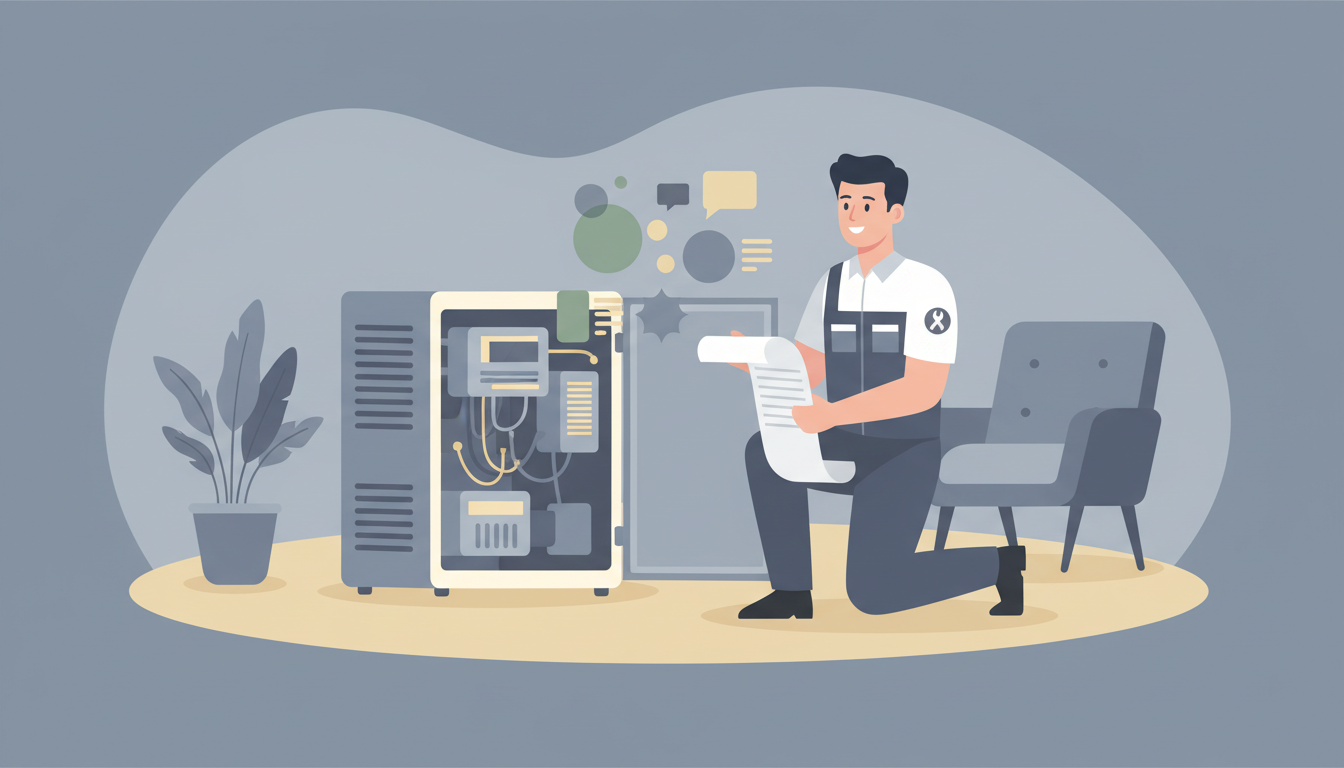
Reputable contractors provide itemized estimates showing parts costs, labor hours, hourly rate, and any additional fees separately. Avoid contractors who only give you a total number without breakdown.
Maintenance Plans: The Cost-Saving Secret
Regular preventive maintenance significantly impacts long-term HVAC repair costs:
Typical Maintenance Plan Benefits:
- 2 annual tune-ups (pre-season heating and cooling checks)
- Priority scheduling for repairs
- 10-25% discount on parts and labor
- Extended warranty protection
- Reduced emergency repair needs
Plans typically cost $150-$400 annually but can save you thousands by catching minor issues before they become major failures. A $20 capacitor replacement during routine maintenance beats a $2,000 compressor failure caused by running with a bad capacitor.
Red Flags: Signs You're Being Overcharged
Watch for these warning signs of unfair HVAC repair pricing:
- Pressure to replace instead of repair: Without clear explanation of why replacement is necessary
- Vague estimates: No itemized breakdown of parts and labor
- Significantly higher than market rate: Get 2-3 quotes to establish baseline pricing
- Unnecessary repairs: Recommending unrelated work while diagnosing a specific issue
- Refusal to explain charges: Legitimate contractors gladly explain their pricing
- Parts markup exceeding 100%: Standard is 25-50%; higher markups are excessive
Don't be afraid to get second opinions on major repairs exceeding $1,000. Beware of common HVAC repair myths that can cost you money.
How to Get Fair HVAC Repair Pricing
Take these steps to ensure you're paying reasonable rates:
Get Multiple Quotes
Contact 2-3 reputable contractors for estimates on major repairs. Compare:
- Total cost breakdown
- Parts brand and quality
- Labor rates and estimated time
- Warranty on work performed
- Timeline for completion
Ask the Right Questions
Before approving work, ask:
- "Can you provide an itemized estimate?"
- "What's your labor rate, and how many hours will this take?"
- "Are these OEM or aftermarket parts?"
- "What warranty comes with this repair?"
- "Are there any additional fees not shown here?"
Verify Credentials
Ensure your contractor has:
- Proper state/local licensing
- EPA Section 608 certification (for refrigerant work)
- Insurance coverage (liability and workers' compensation)
- Manufacturer certifications for your specific system brand
Consider Financing Options
Many HVAC companies offer:
- 0% interest financing for 6-24 months
- Payment plans for major repairs
- Discount for cash payment
- Seasonal promotions
Don't let immediate cost pressure you into poor decisions. Quality work with financing often beats rushed, cheaper work that fails prematurely.
When Repair Costs Signal Replacement Time
Sometimes HVAC repair costs indicate it's time to replace rather than repair:
The 50% Rule: If repair costs exceed 50% of replacement cost AND your system is over 10 years old, replacement is usually smarter financially.
Frequent Breakdowns: If you're calling for repairs multiple times per year, replacement offers better long-term value.
Efficiency Decline: Modern systems are 30-50% more efficient than 15-year-old units. Energy savings can offset replacement costs over 3-5 years.
Major Component Failure: Compressor or heat exchanger failure in systems over 12 years old typically favors replacement.
Frequently Asked Questions
How much should I expect to pay for an HVAC service call?
Standard service call fees range from $75 to $200 depending on your location and the company. This typically includes diagnosis and an estimate for repairs. Some companies waive this fee if you proceed with the recommended work.
Why do HVAC labor costs vary so much?
HVAC labor costs vary based on technician experience, geographic location, time of service, and job complexity. Urban areas with higher costs of living see rates of $150-$250 per hour, while rural areas might be closer to $75-$125 per hour. Emergency and after-hours service can double these rates.
Should I repair or replace my HVAC system?
If your system is under 10 years old and repair costs are less than 50% of replacement cost, repair usually makes sense. For systems over 15 years old or when facing major component failures (compressor, heat exchanger), replacement often provides better long-term value.
What's the most expensive HVAC repair?
Compressor replacement is typically the most expensive single repair, ranging from $1,500 to $3,500 for parts and labor. Heat exchanger replacement runs $1,000-$3,000. Both repairs often make replacement a better financial decision, especially for older systems.
Can I negotiate HVAC repair costs?
Yes, especially for major repairs. Get multiple quotes, ask about cash discounts, schedule during off-peak seasons, and inquire about promotional pricing. Contractors often have flexibility on labor rates but less room on parts costs.
Understanding HVAC Repair Costs Empowers Better Decisions
HVAC repair costs are determined by a complex mix of factors: labor rates, parts costs, system type, repair complexity, geographic location, seasonal demand, and timing. By understanding these factors, you can better evaluate quotes, spot fair pricing, and make informed decisions about repairs versus replacement.
The key is working with reputable, licensed contractors who provide transparent pricing and stand behind their work. Don't let emergency situations pressure you into accepting inflated prices without proper comparison shopping for any repair exceeding $500.
Remember, preventive maintenance remains the best way to control HVAC repair costs long-term. Regular tune-ups catch small problems before they become expensive failures, extend your system's lifespan, and maintain optimal efficiency.
Ready to find a trustworthy HVAC contractor? Look for proper licensing, transparent pricing, positive reviews, and contractors who take time to educate you about your system rather than simply pushing the most expensive option.